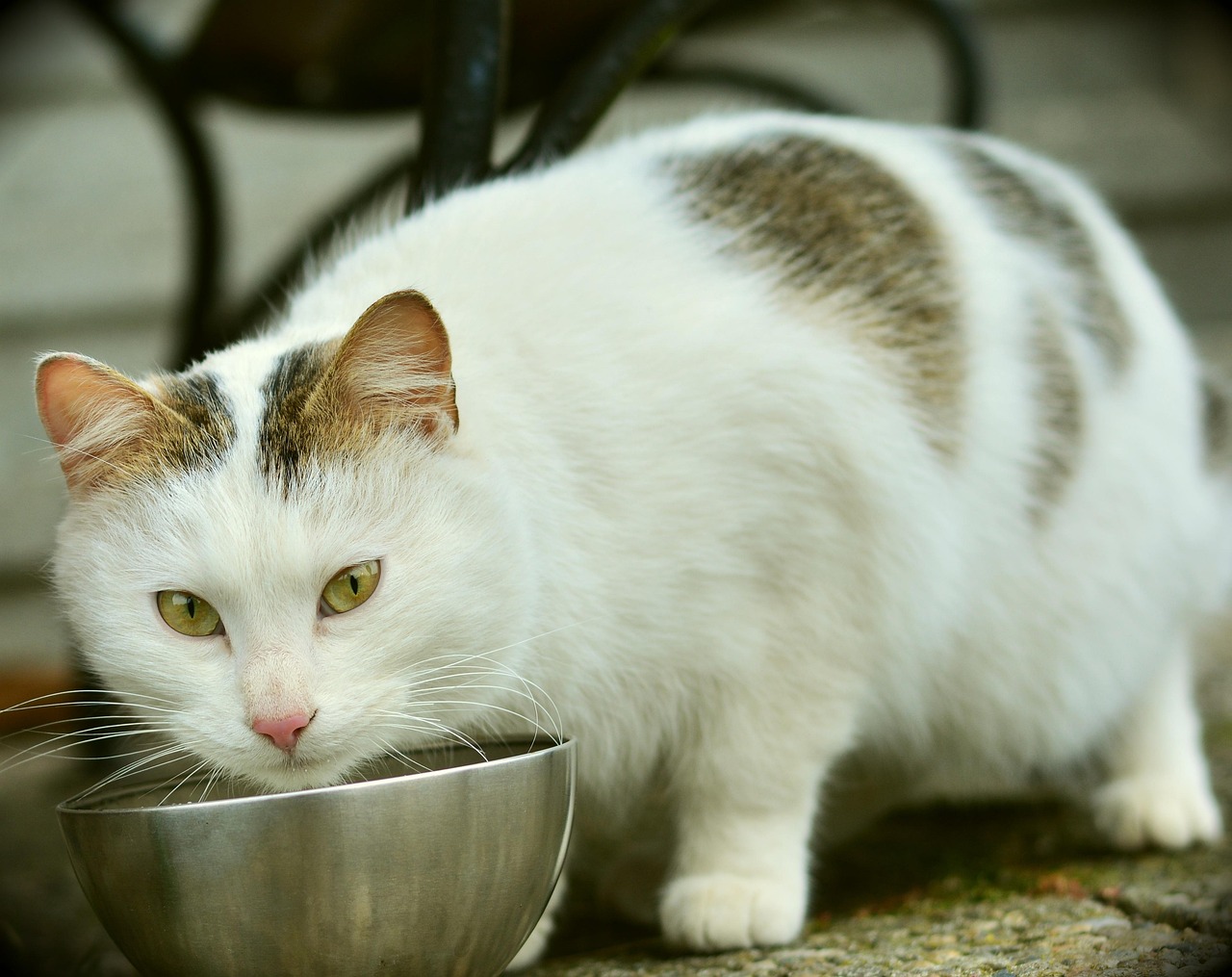
Weight loss or being underweight in cats is a serious health concern that demands careful attention and a thoughtful approach. While obesity receives considerably more public attention, underweight cats face equally significant health risks and require evidence-based nutritional support. Unlike rapid weight loss programmes for overweight cats, helping an underweight cat gain weight safely requires identifying the underlying cause (which may be medical, environmental, or behavioural), providing superior nutrition, and creating conditions that support appetite and digestion. This process requires patience, consistency, and close veterinary partnership.
This comprehensive guide explores how to recognise underweight conditions in cats, details the most common causes of weight loss, discusses when veterinary evaluation is essential, provides practical strategies for healthy weight gain, explains appropriate nutrition for underweight cats, and addresses special considerations for senior cats.
Recognising Underweight Condition in Cats
Body Condition Scoring
The best way to assess whether a cat is at a healthy weight is through body condition scoring—feeling the cat's body and observing visible structure—rather than relying on scale weight alone. Different cat breeds and individuals have naturally different body frames.
Healthy Weight Indicators:
- Visible waist: Discernible waist when viewed from above
- Ribs: Easily felt by gentle palpation but not visibly prominent; should feel like the back of your hand when you make a fist
- Hip and spine prominence: Slightly palpable but not sharply visible or protruding
- Muscle tone: Good muscle definition under the skin
- Coat quality: Shiny, healthy-looking fur
Underweight Indicators:
- Visible ribs and spine: Clearly protruding; can be seen without palpation
- Prominent hip bones: Sharply visible or excessively prominent
- Loss of muscle mass: Lean appearance; lack of muscular definition
- No visible waist: Straight lines from chest to hip
- Dull or poor-quality coat: Rough, dry, or lacklustre fur
- Weakness or lethargy: Reduced energy or activity levels
Special Considerations for Breed and Type
Some cat breeds are naturally leaner. Siamese, Oriental Shorthairs, Abyssinians, and other oriental breeds naturally have slighter frames. Young, active, or growing kittens may also appear slimmer without being underweight. Assess overall health alongside appearance.
Understanding Weight Loss Causes
Medical Causes (Require Veterinary Evaluation)
Hyperthyroidism:
- Very common in senior cats: Overactive thyroid increases metabolism dramatically
- Symptoms: Weight loss despite good appetite, hyperactivity, increased thirst
- Treatment: Medication, diet, or radioactive iodine therapy
Diabetes Mellitus:
- Can cause weight loss: Especially if poorly controlled
- Associated symptoms: Increased thirst, frequent urination, increased appetite yet weight loss
- Treatment: Insulin, diet management, monitoring
Chronic Kidney Disease:
- Progressive condition: Common in older cats
- Symptoms: Weight loss, increased thirst, frequent urination, poor appetite
- Management: Prescription diet, medications, supportive care
Dental Disease:
- Painful eating: Tooth decay, gum disease, or mouth ulcers make eating painful
- Signs: Cats may approach food then refuse; drooling; bad breath
- Treatment: Dental cleaning, tooth extraction if necessary, pain management
Digestive Disorders:
- Parasites: Intestinal worms reduce nutrient absorption
- Inflammatory bowel disease (IBD): Chronic inflammation prevents nutrient absorption
- Chronic diarrhoea or vomiting: Nutrient loss through frequent elimination
- Treatment varies: Based on specific diagnosis; may include deworming, dietary modification, medication
Cancer and Other Serious Illnesses:
- Weight loss often an early sign: Many cancers and serious illnesses cause wasting
- Older cats particularly at risk: Cancer incidence increases with age
- Diagnosis requires veterinary evaluation: Imaging, blood work, biopsies
Feline Immunodeficiency Virus (FIV) and Feline Leukaemia Virus (FeLV):
- Immune suppression: Results in weight loss, poor coat, oral disease, recurrent infections
- Diagnosis: Blood test
- Management: Not curable but manageable with supportive care
Behavioural and Environmental Causes
Inadequate Food Intake:
- Picky eating: Some cats are genetically selective; refuse specific proteins, textures, or brands
- Food boredom: Eating same food daily reduces interest
- Competition: In multi-cat households, subordinate cats may not eat enough
- Poor feeding routines: Inconsistent feeding times or poor-quality food
Stress and Anxiety:
- Common triggers: Moving home, new pets, loud environments, changes in routine
- Stress suppresses appetite: Anxious or scared cats eat less
- Management: Quiet feeding areas, consistent routines, environmental enrichment
When to Seek Veterinary Care Before Attempting Weight Gain
Medical evaluation is essential before implementing nutritional changes if your cat shows these signs:
- Sudden weight loss: Rapid loss over days or weeks
- Loss of more than 10% body weight: Over weeks to months
- Stops eating for over 24 hours: Anorexia requires immediate evaluation
- Frequent vomiting or diarrhoea: Signs of digestive or systemic disease
- Excessive thirst: Polydipsia suggests diabetes, kidney disease, or hyperthyroidism
- Weakness or lethargy: Lack of energy indicates systemic illness
- Behavioural changes: Personality changes, hiding, or changed litter box habits
- Changes in coat quality: Dull, dry, or scruffy coat accompanies many illnesses
Critical: Cats cannot safely tolerate long periods of underfeeding. Even short-term inadequate nutrition can lead to serious complications like hepatic lipidosis (fatty liver disease), particularly in adult and senior cats.
Strategies for Safe Weight Gain
1. Choose High-Quality, Nutrient-Dense Food
Key Nutritional Components:
- High animal protein: Cats are obligate carnivores requiring substantial animal-based protein (minimum 30% dry matter) for muscle maintenance and growth
- Moderate healthy fat: Essential for energy and coat health; look for 10-15% fat content
- Long-chain omega-3 and omega-6 fatty acids: Cats cannot convert dietary C18 fatty acids to required long-chain forms; must come from animal sources
- Complete and balanced nutrition: AAFCO-certified food ensures all essential nutrients present
- High palatability: Stronger smell and taste encourage eating
Optimal Food Types for Underweight Cats:
- Wet/canned food: Often preferred by underweight cats; easier to eat, stronger aroma, higher moisture content supports hydration
- Prescription recovery diets: Designed specifically for weight gain and recovery; higher calorie density
- Higher-calorie commercial foods: Some brands formulate specifically for weight gain
2. Feed Wet Food Preferentially
Wet food often results in significantly better intake in underweight cats.
Advantages of Wet Food:
- Easier to consume: Particularly important for cats with dental disease
- More aromatic: Stronger smell stimulates appetite
- Higher moisture content: Supports hydration; particularly important for cats with kidney disease or those prone to urinary disease
- Better palatability: Many cats eat significantly more wet food than dry kibble
3. Implement Small, Frequent Meals
Instead of one or two large meals daily, feed smaller, more frequent portions.
- Frequency: Offer 4-6 small meals daily rather than 2 large meals
- Benefits: Allows steady calorie intake throughout day; reduces digestive stress; may increase total daily food consumption
- Portion size: Smaller portions are less overwhelming for cats with poor appetite
4. Warm Food Slightly
- Temperature enhancement: Warming food to slightly above room temperature enhances aroma and makes food more appealing
- Safety: Food should be slightly warm to touch, never hot; test temperature before offering
- Method: Microwave for 10-15 seconds or warm in hot water
5. Create a Calm Feeding Environment
Cats eat better in stress-free environments.
- Quiet feeding area: Away from household noise and activity
- Separate feeding spaces: In multi-cat households, feed cats in separate areas to prevent competition
- Consistent routine: Feed at the same times daily to establish predictability
- Privacy: Some cats prefer eating without observation
6. Encourage Hydration
Dehydration can reduce appetite and worsen underlying illness.
- Water fountains: Many cats prefer flowing water
- Multiple water bowls: Place bowls in different locations throughout home
- Fresh water daily: Change water frequently
- Wet food emphasis: Provides significant fluid intake
- Monitor hydration: Check for skin turgor; increased thirst may indicate underlying disease
7. Use Veterinarian-Approved Supplements
Calorie supplements can support weight gain in specific situations.
Appropriate Uses:
- Nutritional gels: Concentrated calorie sources; useful for cats with poor appetite
- Prescription recovery diets: Higher calorie density than standard foods
- Electrolyte and calorie combinations: For cats with digestive upset or dehydration
- Appetite stimulants: Some cats benefit from medications that increase hunger
Always consult veterinarian before adding supplements. Inappropriate supplementation can create nutritional imbalances.
Expected Timeline for Healthy Weight Gain
Healthy weight gain is gradual and depends on the underlying cause.
- Ideal rate: 0.5-1% of body weight per week (a 4 kg cat should gain 20-40 grams per week)
- Timeline: Several weeks to several months depending on cause severity
- Initial changes: Energy improvement often visible within 2-3 weeks on better nutrition
- Coat improvement: Fur quality improves within 4-6 weeks as fur grows slowly
- Monitoring: Weigh cat every 2 weeks to track progress
- Slow is safer: Rapid weight gain can harm liver and digestive system
Foods and Approaches to Avoid
- Never use: Excessive treats, fatty human foods, dairy products, unsafe table scraps
- Avoid: Rapid unhealthy weight gain which can cause hepatic complications
- Don't switch abruptly: Sudden food changes can worsen appetite loss and cause digestive upset
- Transition gradually: Mix old and new food, gradually shifting ratio over 5-7 days
Special Considerations for Senior Cats
Older cats often lose weight due to multiple compounding factors.
- Reduced appetite: Age-related decrease in hunger sensation
- Dental disease: Very common in senior cats; makes eating painful
- Chronic illness: Kidney disease, hyperthyroidism, cancer more prevalent
- Muscle loss: Age-related muscle wasting even with adequate nutrition
- Medication side effects: Some medications reduce appetite
- Management: More frequent monitoring, possible specialised senior diets, multiple small meals
Underweight cats require careful assessment and support; not simply "feeding more food." Body condition scoring (ribs easily felt but not visibly prominent; visible waist; good muscle tone) better than scale weight. Weight loss causes include medical (hyperthyroidism, diabetes, kidney disease, dental disease, digestive disorders, cancer, FIV/FeLV) and behavioural (inadequate intake, picky eating, stress, competition with other cats). Cats cannot tolerate long underfeeding; even short-term inadequate nutrition risks hepatic lipidosis (fatty liver disease), especially in adults/seniors. Veterinary evaluation essential if sudden weight loss, loss >10% body weight, stops eating >24 hours, vomiting, diarrhoea, excessive thirst, weakness, lethargy, behavioural/coat changes. Weight gain strategies: high-quality nutrient-dense food with high animal protein, moderate fat, complete/balanced nutrition; wet food preferred (easier to eat, stronger aroma, higher moisture); small frequent meals (4-6 daily); slightly warmed food (enhances aroma); calm stress-free feeding environment; separate bowls in multi-cat homes; hydration support (fountains, multiple bowls, wet food); veterinarian-approved supplements when indicated. Healthy weight gain rate 0.5-1% body weight weekly (4kg cat gains 20-40g/week). Timeline weeks to months depending on cause; energy improvement 2-3 weeks on better nutrition; coat improvement 4-6 weeks; slow safer than rapid. Monitor every 2 weeks with weighing. Avoid excessive treats, human foods, dairy, rapid unhealthy gain; transition foods gradually over 5-7 days. Senior cats need more frequent monitoring, possible specialised diets, multiple small meals due to reduced appetite, dental disease, chronic illness, muscle loss with age. Stress dramatically reduces appetite; calm environment essential. Identify and address underlying cause (medical or behavioural) before nutritional changes.
This guide is based on research from Whisker, The Bon Pet, Vetic, Under the Weather Pet, Association for Pet Obesity Prevention, and peer-reviewed feline nutrition studies. Cats uniquely susceptible to hepatic lipidosis when underfeeding; cannot tolerate rapid weight changes like other species due to lack of delta-6 desaturase enzyme (cannot convert C18 fatty acids to required long-chain forms—must come from animal sources). Healthy weight gain 0.5-1% body weight weekly based on evidence-based protocols. Wet food significantly increases intake in underweight cats compared to dry kibble. Small frequent meals (4-6 daily) compared to standard 2-3 meals shown to increase total calorie intake. Cats naturally selective eaters; some genetically refuse specific proteins/textures; food boredom occurs with same food daily. Transition period 5-7 days for food changes reduces gastrointestinal upset. Hyperthyroidism very common in senior cats; untreated causes dramatic weight loss despite good appetite. Hepatic lipidosis risk increases with rapid weight loss, particularly in overweight cats; safe protocols emphasise gradual, steady approach. FIV/FeLV suppress immune system causing weight loss, poor coat, mouth disease, recurrent infections; manageable with supportive care though not curable. Dental disease very common in senior cats; makes eating painful—cats approach food then refuse. Energy improvements typically visible within 2-3 weeks on better nutrition; coat improvement takes 4-6 weeks because fur grows slowly.