Hypothyroidism in cats is a rare endocrine disorder characterised by insufficient production of thyroid hormones, resulting in metabolic slowdown and various clinical signs affecting the cat's health and quality of life. Whilst thyroid disease in cats far more commonly involves hyperthyroidism (excessive thyroid hormone production), hypothyroidism still occurs and, when it does, requires appropriate recognition, diagnosis, and treatment. The thyroid gland, located in the neck, produces critical hormones—primarily thyroxine (T4) and triiodothyronine (T3)—that regulate metabolism, body temperature, heart function, and energy levels. When thyroid hormone production falls below adequate levels, metabolism slows, energy decreases, and various physical changes manifest. Understanding what hypothyroidism is, recognising how it differs from the more common hyperthyroidism, knowing the causes leading to low thyroid hormone production, recognising the subtle signs indicating hypothyroidism, and understanding how it is diagnosed and treated allows owners to identify and appropriately manage this condition in their cats.
This comprehensive guide explains what hypothyroidism is and how it develops, explores the relative rarity of feline hypothyroidism and why, discusses the various causes of low thyroid hormone production in cats, describes the symptoms and signs of hypothyroidism, explains how veterinarians diagnose the condition, discusses treatment approaches and management, addresses living with a hypothyroid cat, and provides information about prognosis and when to seek veterinary care. By understanding feline hypothyroidism, you can recognise signs early and ensure your cat receives appropriate treatment.
Understanding Hypothyroidism: The Thyroid's Critical Role

What Is Hypothyroidism?
Hypothyroidism is an endocrine condition in which the thyroid gland fails to produce adequate amounts of thyroid hormones, specifically thyroxine (T4) and triiodothyronine (T3). The thyroid is a small endocrine gland located in the neck, just below the larynx; despite its small size, it plays a critically important role in regulating numerous body functions through hormone production. Thyroid hormones regulate metabolism—the rate at which the body burns calories and produces energy—and also affect body temperature regulation, heart function, digestive function, muscle strength, and mental alertness; when thyroid hormone levels fall below adequate levels, all of these functions slow down. When thyroid hormone production is insufficient, the body's metabolic rate decreases creating a cascade of effects including reduced energy production (less energy produced, resulting in lethargy and fatigue), slowed heart rate (the heart beats more slowly, reducing cardiac output), reduced body temperature (the body struggles to maintain normal temperature), weight gain (with reduced metabolism, weight increases even without increased food intake), slowed digestion (gastrointestinal motility decreases, affecting normal digestive function), and mental slowing (cognitive function and alertness may decrease).
How Common Is Hypothyroidism in Cats?

Hypothyroidism Is Rare in Cats
Hypothyroidism is uncommon in cats, accounting for a small percentage of feline thyroid disease cases; most feline thyroid disease involves hyperthyroidism (excessive thyroid hormone production), not hypothyroidism (insufficient production). The cat's thyroid gland is inherently resistant to developing primary hypothyroidism (dysfunction beginning within the thyroid itself) with hypothyroidism in cats most commonly acquired rather than primary. Most feline hypothyroidism cases are iatrogenic—caused by medical treatment with the majority of hypothyroidism cases resulting from treatment of hyperthyroidism, where thyroid hormone production is intentionally suppressed or reduced, sometimes too aggressively. This can occur through surgical removal of thyroid tissue, radioactive iodine therapy, or anti-thyroid medications that reduce hormone production too much, resulting in swinging from hyperthyroidism to hypothyroidism.
Causes of Hypothyroidism in Cats

Treatment for Hyperthyroidism: The Most Common Cause
Most hypothyroidism cases in cats result from over-treatment of hyperthyroidism, where aggressive reduction of thyroid hormone production overshoots the goal of normal thyroid function; treatment methods that can cause hypothyroidism include surgical thyroidectomy (surgical removal of thyroid tissue or the entire thyroid gland where if too much tissue is removed, the remaining gland cannot produce adequate hormones), radioactive iodine (I-131) therapy (this treatment destroys thyroid tissue which does not regenerate, permanently reducing hormone production with some cats developing hypothyroidism years after successful radioactive iodine treatment), and anti-thyroid medications (medications like methimazole or propylthiouracil suppress thyroid hormone production and in some cats, these medications reduce production too much, causing hypothyroidism with additionally long-term use may damaging the thyroid gland).
Congenital Hypothyroidism
Some kittens are born with thyroid gland abnormalities preventing normal hormone production; this is rare but can significantly affect growth and development. Examples of congenital thyroid abnormalities include thyroid dysgenesis (abnormal development of the thyroid gland with reduced or absent functional tissue), thyroid hypoplasia (underdeveloped thyroid gland producing insufficient hormone), and enzyme defects (genetic defects preventing normal thyroid hormone synthesis). Congenital hypothyroidism may be recognised in kittens showing poor growth, developmental delays, or other concerning signs.
Primary Thyroid Gland Damage or Disease
Inflammation or damage to the thyroid gland from autoimmune disease or other causes can lead to reduced hormone production though this is uncommon in cats compared to dogs but can occur; rare conditions where the thyroid is infiltrated by cancer or other abnormal tissue can impair hormone production.
Recognising Hypothyroidism: Symptoms and Signs

Symptoms Develop Gradually
Symptoms of hypothyroidism typically develop gradually over weeks or months as thyroid hormone levels slowly decline; acute onset is unusual with instead owners noticing progressive changes in their cat's behaviour and physical condition.
Common Symptoms of Hypothyroidism
Signs and symptoms resulting from metabolic slowdown include low energy or lethargy (marked decrease in energy levels; the cat appears tired and unmotivated), weight gain without increased appetite (progressive weight gain despite normal or decreased food intake, reflecting reduced metabolism), reduced activity levels (the cat spends more time resting and less time playing or exploring), cold intolerance (the cat seeks warmth excessively and may be sensitive to cold temperatures), poor coat condition (coat becomes dull, unkempt, or ungroomed despite adequate nutrition), hair loss (alopecia or areas of baldness develop), dry or flaky skin (skin becomes dry with visible flaking or scaling), bradycardia (reduced heart rate or slower heartbeat than normal), reduced appetite (some cats show decreased interest in food), and constipation (slowed digestion may cause constipation).
Symptoms in Congenital Hypothyroidism
In kittens born with thyroid problems, additional developmental signs appear including stunted growth (growth is delayed compared to littermates; the kitten remains noticeably smaller), delayed tooth development (tooth eruption is delayed or abnormal), mental dullness (reduced alertness and cognitive function), disproportionate body shape (abnormal body proportions from growth delays), and poor coat quality from birth (coat may be rough or abnormal from the beginning). Because symptoms develop gradually, owners may not immediately recognise that something is wrong; weight gain is often attributed to normal ageing or feeding too much whilst lethargy may be assumed to be personality or normal cat behaviour with only when symptoms become obvious do owners often seek veterinary evaluation. Hypothyroidism symptoms can resemble other conditions (obesity, depression, other endocrine problems), making proper diagnostic testing essential for accurate diagnosis.
Diagnosing Hypothyroidism

Physical Examination
Your veterinarian will assess body weight and condition (weight gain and body condition assessment), coat quality (evaluating coat condition, hair loss, and skin quality), heart rate (assessing whether the heart rate is slower than normal or bradycardia), body temperature (checking for lower-than-normal body temperature), activity level (observing the cat's energy and responsiveness), and mental alertness (assessing cognitive function and awareness).
Blood Tests: Confirming Hypothyroidism
The primary diagnostic test for hypothyroidism is blood work measuring thyroid hormone levels, particularly T4 (thyroxine); test interpretation includes low T4 levels (low T4 in the context of clinical symptoms suggestive of hypothyroidism supports the diagnosis), TSH—thyroid-stimulating hormone (TSH levels may also be measured to assess pituitary function), free T4 (free T4 testing may provide additional information about circulating thyroid hormone), and additional blood work (other tests may assess liver function, kidney function, and other organ systems).
Medical History: Critical Information
Knowing the cat's thyroid history is essential; if the cat previously received treatment for hyperthyroidism—whether surgical removal, radioactive iodine, or medications—this information is very important for diagnosis. The timing of symptom onset relative to hyperthyroidism treatment helps confirm whether hypothyroidism developed as a result of that treatment.
Treatment of Hypothyroidism in Cats
Thyroid Hormone Replacement Therapy
Thyroid hormone replacement therapy, using synthetic thyroid hormone medication, is the standard treatment for hypothyroidism in cats; synthetic thyroid hormone (usually levothyroxine/L-thyroxine) replaces the hormone the body is not producing adequately, restoring thyroid hormone levels to normal and allowing normal metabolic function to resume. The medication is typically given orally once or twice daily with some cats receiving tablets whilst others receive liquid medication; the dose is individualised based on the cat's weight and response to treatment. Treatment is usually long-term or permanent, depending on the underlying cause; cats treated for hyperthyroidism may require indefinite supplementation whilst cats with congenital hypothyroidism require lifelong treatment. The correct dose is determined through blood testing and clinical response monitoring with too little hormone leaving the cat hypothyroid and too much causing hyperthyroidism; treatment usually begins with a standard dose based on body weight with blood tests at 4-6 weeks assessing whether the dose is appropriate. The dose may be adjusted based on blood test results and clinical response with fine-tuning ensuring optimal hormone levels.
Monitoring and Follow-Up Care

Cats receiving thyroid hormone replacement require ongoing monitoring including regular veterinary check-ups (periodic examinations assess the cat's overall health and clinical response to treatment), blood tests to monitor hormone levels (testing at 4-6 weeks after starting treatment, then periodically or annually or biannually ensures hormone levels remain in the appropriate range), dose adjustments as needed (the dose may be adjusted based on blood test results and clinical signs), weight monitoring (weight should stabilise and may gradually decrease back to normal as metabolism normalises), coat and skin assessment (coat condition should improve with adequate hormone supplementation), and activity level changes (energy and activity should improve as hormone levels normalise). Most cats respond well to thyroid hormone replacement; symptoms typically improve gradually over weeks to months as hormone levels normalise.
Living With a Hypothyroid Cat
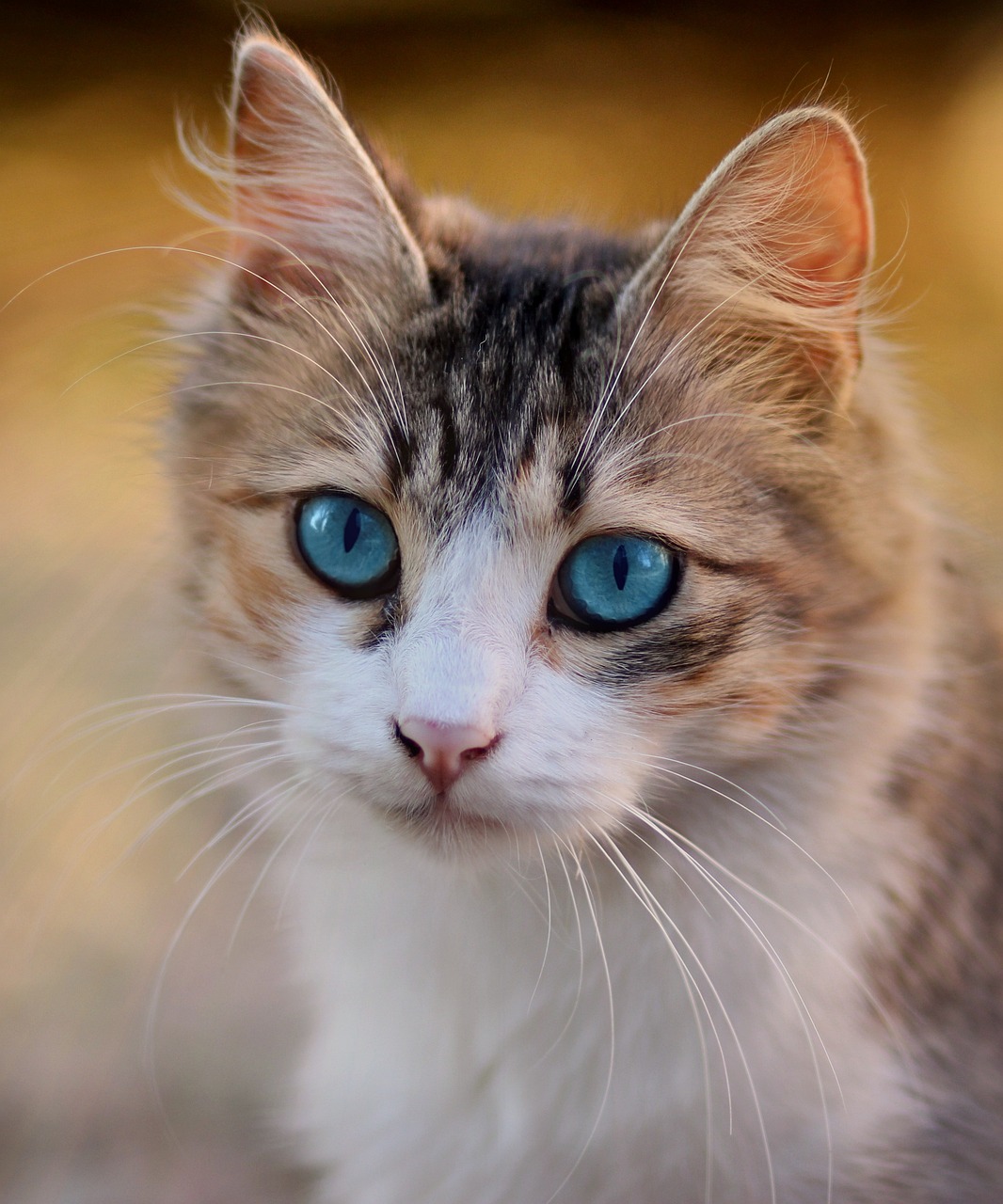
With proper treatment, cats with hypothyroidism maintain good quality of life through administering medication consistently (daily medication administration is essential for maintaining appropriate hormone levels), attending regular veterinary check-ups (periodic examinations and blood tests ensure the treatment remains effective), monitoring weight and appetite (weight should stabilise; appetite often improves with treatment), providing balanced nutrition (appropriate diet supports overall health and weight management), and supporting energy and activity (as hormone levels normalise, energy and activity improve). With appropriate treatment and monitoring, the prognosis for hypothyroidism in cats is excellent; most cats live normal lifespans and maintain good quality of life. Because most feline hypothyroidism results from treatment of hyperthyroidism, complete prevention may not always be possible; careful monitoring of cats receiving hyperthyroidism treatment helps detect developing hypothyroidism early with discussing thyroid treatment options with your veterinarian allowing informed decision-making about which treatment approach carries lowest hypothyroidism risk. Cats with thyroid conditions require ongoing monitoring and follow-up to detect any developing problems early.
When to Seek Veterinary Care
Consult your veterinarian if your cat shows unexplained weight gain despite normal or decreased appetite, unusual lethargy or lack of energy, progressive changes in coat quality or hair loss, reduced activity levels or increased resting, cold intolerance or excessive heat-seeking, or slow heart rate. For cats that have previously received treatment for hyperthyroidism, regular follow-up examinations are needed to detect developing hypothyroidism early; the sooner hypothyroidism is diagnosed and treatment begins, the faster symptoms improve and the better the long-term outcomes.
Hypothyroidism is uncommon in cats and involves insufficient thyroid hormone production, causing metabolic slowdown and various clinical signs. The thyroid gland produces T4 and T3 hormones regulating metabolism, body temperature, heart function, and energy levels; when production is insufficient, metabolism slows dramatically. Hypothyroidism is rare because most cases are iatrogenic (caused by medical treatment) resulting from hyperthyroidism treatment overshooting normal thyroid function through surgical thyroidectomy, radioactive iodine therapy, or anti-thyroid medications. Congenital hypothyroidism (born with thyroid problems) is rare. Primary thyroid damage or disease is uncommon in cats. Symptoms develop gradually and include lethargy, weight gain without increased appetite, reduced activity, cold intolerance, poor coat condition, hair loss, dry flaky skin, reduced heart rate, reduced appetite, and constipation. In congenital cases, kittens show stunted growth, delayed tooth development, mental dullness, and disproportionate body shape. Diagnosis involves physical examination assessing body condition, coat quality, heart rate, and activity, plus blood tests measuring T4 and TSH levels showing low thyroid hormones. Medical history of hyperthyroidism treatment is critical diagnostic information. Treatment is thyroid hormone replacement therapy with synthetic levothyroxine given orally daily, with dose adjusted based on blood testing. Cats usually receive indefinite treatment depending on underlying cause. Monitoring includes regular veterinary check-ups, periodic blood tests ensuring proper hormone levels, weight monitoring (should stabilise and gradually normalise), and dose adjustments as needed. Response to treatment is usually good with symptoms improving gradually. Living with hypothyroid cat involves consistent medication administration, regular veterinary monitoring, weight and appetite tracking, and balanced nutrition. Prognosis is excellent with appropriate treatment; most cats maintain normal lifespan and quality of life. Prevention is difficult given most cases result from hyperthyroidism treatment, but careful monitoring of treated cats detects hypothyroidism early. Seek veterinary care for unexplained weight gain, lethargy, coat changes, reduced activity, cold intolerance, or slow heart rate; early diagnosis enables prompt treatment.
This guide is based on feline endocrinology and thyroid disease management standards. Individual cats vary in thyroid hormone requirements and response to treatment. Cats receiving thyroid hormone replacement require ongoing veterinary monitoring and periodic blood testing to ensure appropriate dosing. Never adjust thyroid medication doses without veterinary guidance. Early recognition of hypothyroidism and appropriate treatment significantly improve outcomes and quality of life.