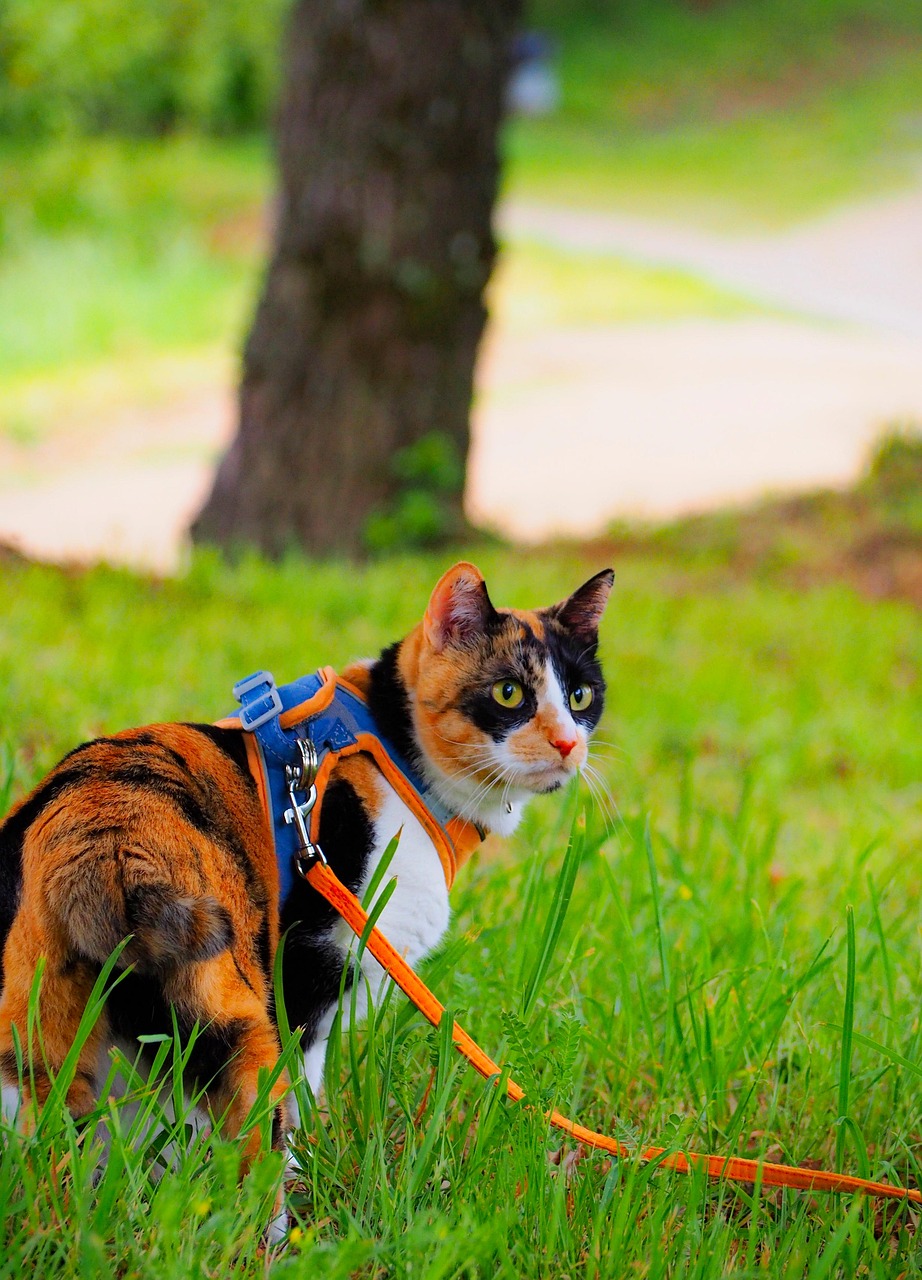
Walking a cat might sound unusual compared to the universal sight of dogs on leads, but the practice is becoming increasingly popular among cat owners seeking to enrich their feline companions' lives. The short answer is yes—cats can and do go for walks—but the experience is fundamentally different from walking a dog. Unlike dogs, which are naturally pack animals that respond to human direction and cues, cats are independent creatures with feline-specific needs and sensitivities. Walking a cat requires patience, proper training, appropriate equipment, understanding of feline body language, and realistic expectations about what a cat walk actually entails. When done correctly, harness walking provides cats with mental stimulation, physical exercise, sensory enrichment, and safe exploration of the outdoors. However, cat walks are not about reaching a destination or exercising the owner; rather, they are guided explorations where the cat leads, sets the pace, and investigates their environment at leisure. Understanding which cats are suitable candidates for walking, how to properly introduce and train a cat to walk on a harness, what safety precautions are essential, and what benefits can realistically be expected allows cat owners to provide this enrichment safely and responsibly.
This comprehensive guide addresses whether cats can walk on leads, identifies which cats are good candidates for walking, explains the benefits and risks of cat walking, provides step-by-step harness training instructions, describes what to expect during actual outdoor walks, offers practical safety tips, addresses the question of free-roaming versus leashed walks, and provides guidance on adapting walking for individual cats and their personalities. By understanding cat walking thoroughly, you can decide whether this enrichment is appropriate for your cat and, if so, how to implement it safely and successfully.
Can Cats Really Go for Walks?
Yes—But Not Like Dogs
Cats absolutely can go for walks on a harness and leash. However, the essential caveat is that walking a cat is fundamentally different from walking a dog. Cats are not pack animals and do not naturally respond to human direction. They are independent, curious creatures with their own agendas and preferences. Walking a cat requires training, patience, appropriate equipment, and realistic expectations.
Why Cats Differ from Dogs
Key differences in feline nature include:
- Independence: Cats do not naturally follow human leadership like dogs. They make their own decisions about where to go, what to investigate, and how long to stay in one spot.
- Sensitivity to environment: Cats are highly attuned to their surroundings and easily startled by unexpected noises, movements, or strangers. They process sensory information differently than dogs.
- Natural caution: Cats are prey animals with strong flight instincts. They approach new situations with wariness and caution rather than enthusiasm.
- Preference for control: Cats prefer to move at their own pace and explore areas they choose rather than being directed by a human.
These differences shape what a cat walk looks like and what can realistically be achieved.
Which Cats Are Suitable for Walking?
Cats More Likely to Enjoy Walks
Certain cats are naturally better suited to walking:
- Curious and confident personalities: Cats that are inherently curious and confident about new experiences adapt well to harness walking.
- Indoor cats needing stimulation: Indoor cats that lack environmental enrichment often benefit greatly from the mental and sensory stimulation of outdoor exploration.
- Young cats: Kittens and young adult cats are more adaptable to new experiences and easier to train to harness walking than older cats.
- Specific breeds: High-energy breeds like Bengals, Abyssinians, Savannahs, and Maine Coons often enjoy and thrive with outdoor walking.
- Active personalities: Cats with active, engaged personalities that seek interaction are often good candidates.
Cats Less Suitable for Walking
Some cats are not good candidates:
- Very anxious or fearful cats: Cats with anxiety disorders or deep-seated fearfulness may find harness walking stressful rather than enriching.
- Older cats with no outdoor experience: Senior cats that have always been indoor-only may find the transition too stressful.
- Cats easily stressed by noise or stimulation: Cats that react strongly to loud noises, strangers, or crowds may find outdoor environments overwhelming.
- Extremely independent cats: Some cats simply prefer their own territory and may resist any form of restraint.
Critical point: Not all cats will enjoy or benefit from walking. Respecting your individual cat's personality and preferences is more important than forcing participation in an activity they find stressful.
Benefits of Walking Your Cat
When Done Correctly, Cat Walking Offers Real Advantages
1. Mental Stimulation
Outdoor environments provide cats with novel sights, sounds, smells, and textures. The sensory enrichment of exploring outdoors mentally stimulates cats, preventing boredom and cognitive decline, particularly in indoor-only cats.
2. Physical Exercise
Walking provides physical activity that helps prevent obesity and maintain muscle tone. This is particularly important for indoor cats that may otherwise be sedentary.
3. Behaviour Improvement
Cats with adequate mental and physical stimulation show fewer behaviour problems such as destructive scratching, excessive vocalization, and aggression. The enrichment provided by walking can reduce many stress-related behaviours.
4. Natural Instinct Fulfilment
Outdoor exploration allows cats to practice natural hunting and foraging behaviours in a safe, supervised context.
5. Strengthened Bond
Shared experiences during walks can strengthen the human-cat relationship and increase trust.
Risks and Considerations
Walking a Cat Is Not Risk-Free
Potential dangers and concerns include:
- Loud noises: Car horns, construction sounds, or barking dogs can frighten cats and trigger panic responses.
- Escape risk: Improperly fitted harnesses or sudden frights can lead to a cat escaping and becoming lost. Microchipping is essential.
- Disease exposure: Outdoor environments expose cats to parasites, infectious diseases, and pathogens they wouldn't encounter indoors.
- Toxic plants and substances: Some outdoor plants are toxic to cats. Environmental toxins and pesticides pose risks.
- Traffic and vehicles: Even brief exposure to traffic carries serious injury or death risk.
- Predators and other animals: Loose dogs, wildlife, and other cats pose physical danger.
- Stress and anxiety: For cats not suited to walking, the experience causes more stress than benefit.
These risks underscore why proper training, safety precautions, and close supervision are absolutely essential.
How to Train a Cat to Walk on a Harness and Leash
Step-by-Step Training Process
Step 1: Introduction and Familiarisation (1-3 Days)
Goal: Let your cat become comfortable with the harness presence without pressure.
- Leave the harness in areas where your cat spends time (near food bowl, favourite sleeping spots)
- Allow your cat to investigate at their own pace
- Reward sniffing, approaching, or showing interest with treats and praise
- Do not force interaction; allow your cat to build positive associations
Step 2: Putting On the Harness (Several Days)
Goal: Your cat accepts wearing the harness without distress.
- Drape the harness over your cat's shoulders while offering treats
- Initially, do not fasten it; just let them feel the straps
- Gradually progress to fastening the harness, starting with very short periods (1-2 minutes)
- Only fasten when your cat is calm, eating a treat, or playing
- Gradually increase the time wearing the harness
- Never forcibly put on the harness; wait for calm moments and reward cooperation
Correct fit is crucial: You should be able to slip two fingers between the harness and your cat's body. The harness should be secure enough that your cat cannot slip out, but not so tight it causes discomfort.
Step 3: Attaching the Leash and Walking Indoors (Several Days)
Goal: Your cat moves freely indoors while wearing leash attached to harness.
- Attach the leash to the harness (with the attachment point on the back, never at the neck)
- Let your cat drag the leash around the house while supervised
- Do not pull on the leash; allow your cat to move freely
- Follow your cat as they explore, keeping the leash loose
- Praise and reward calm movement and exploration
Step 4: Gentle Leash Guidance Indoors (Several Days)
Goal: Your cat accepts gentle guidance and begins responding to your presence.
- Hold the leash loosely while your cat explores
- Do not pull; instead, use treats to gently encourage movement in a direction
- Toss a treat ahead and use a calm verbal cue like "Let's go" when your cat moves toward it
- Reward movement and cooperation with praise and treats
- Keep sessions short and positive
Step 5: Outdoor Exploration (Short Sessions Initially)
Goal: Your cat safely explores outdoors under supervision.
- Choose a quiet, safe area (backyard, enclosed garden, quiet street)
- Carry your cat outdoors rather than allowing them to walk out the door (prevents door-dashing behaviour)
- Place them down gently and allow exploration at their pace
- Start with very short sessions (2-5 minutes)
- Gradually increase duration as your cat becomes comfortable
- Always keep the leash loose and follow your cat's lead
- Watch for stress signals and end the session if your cat appears frightened
Training Timeline
Expect the training process to take:
- Kittens and young cats: 2-4 weeks of consistent daily practice
- Adult cats: 4-8 weeks of consistent daily practice
- Senior or anxious cats: 8-12 weeks or longer; some may never be comfortable
Key principle: Consistency is more important than duration. Short daily sessions are more effective than occasional long sessions. Always stop before your cat becomes frustrated or stressed.
What to Expect During Cat Walks
Cats Don't "Walk" Like Dogs
Realistic expectations are essential:
- Your cat leads: Unlike dogs that heel beside you, cats determine direction and pace
- Frequent stops: Your cat will stop frequently to sniff, investigate, and observe. These stops are not failures; they are the entire purpose of the walk.
- Exploration rather than exercise: Think of a cat walk as a guided exploration, not a structured exercise session
- Short distances: You will likely cover only a few houses or a small neighbourhood area, not long distances
- Variable duration: Sessions may last 5-30 minutes depending on your cat's interest and comfort level
- Sensory focus: Your cat will spend much of the time smelling, watching, and observing rather than moving
The walk is for your cat's benefit and enrichment, not for your exercise or travel.
Safety Tips for Walking Your Cat
Protecting Your Cat During Outdoor Walks
- Always use a harness, never a collar alone: Collars can break or slip, leaving your cat uncontrolled. Harnesses secure your cat safely.
- Choose quiet, low-traffic areas: Avoid busy roads, high-traffic areas, and anywhere with crowds or loose animals
- Avoid peak hours with dogs: Walk during times when fewer people and dogs are about, avoiding peak dog-walking hours
- Never force your cat to walk: If your cat wants to go home or is frightened, end the session immediately
- Watch for stress signals: Flattened ears, crouching, tail tucking, frozen posture, or attempts to hide indicate distress—end the walk
- Keep the leash loose: Never pull on the leash; always maintain slack
- Ensure proper identification: Your cat should wear a collar with ID tags and be microchipped in case of escape
- Check vaccination status: Ensure your cat is current on all vaccinations before outdoor exposure
- Supervise constantly: Never leave your cat unattended while harnessed outdoors
- Avoid toxic plants and substances: Know which plants are toxic to cats and avoid areas with pesticides or toxic substances
Free-Roaming vs Leashed Walks
Should You Let Your Cat Roam Freely Outside?
The short answer is: in most cases, no.
Free-roaming outdoor cats have significantly shorter lifespans than indoor cats—approximately half as long—due to:
- Traffic accidents and injuries
- Infectious diseases and parasites
- Predators and attacks from other animals
- Getting lost or stolen
- Toxic substances and environmental hazards
Supervised, leashed walks provide the benefits of outdoor access while eliminating most of these risks. This is why veterinarians universally recommend keeping cats indoors or, if outdoor access is desired, providing it only through supervised, controlled walks on a harness and leash.
When to Reconsider Walking
Some Cats Simply Are Not Suited to Walking
If your cat is consistently fearful, resistant, or shows significant stress responses during harness training, walking may not be appropriate for them. Alternative ways to provide enrichment include:
- Window perches and bird feeders outside windows
- Interactive play sessions indoors (15-20 minutes, 2-3 times daily)
- Puzzle feeders and food-dispensing toys
- Cat trees and climbing structures
- Catios (enclosed outdoor patios) allowing safe outdoor access without roaming risk
- Indoor plant specimens for sensory exploration
A happy, unstressed indoor cat is healthier than a stressed cat forced into unwanted outdoor activities.
Yes, cats can go for walks, but walking a cat is fundamentally different from walking a dog. Cats are independent, sensitive creatures that require patience, proper harness training, and realistic expectations. Suitable cats for walking are curious, confident, and mentally stimulated by outdoor exploration. Training takes weeks to months of consistent, reward-based practice starting indoors and gradually moving outdoors. Actual cat walks involve following your cat's lead, frequent stops for sniffing and observation, and short distances rather than structured exercise routes. Benefits include mental stimulation, physical exercise, enrichment, and behaviour improvement. Risks include disease exposure, escape, traffic, stress, and predators, all mitigated through proper supervision and controlled walks on a secure harness—never free-roaming. Safety requires harnesses (not collars), quiet areas, constant supervision, vaccination currency, and microchipping. Not all cats enjoy or benefit from walking; respecting your individual cat's personality is essential. If your cat is consistently fearful or resistant, alternative indoor enrichment options are equally valid. When done correctly, harness walking safely provides outdoor enrichment; when not appropriate for your cat, other enrichment methods maintain a healthy, happy lifestyle.
This guide is based on veterinary behaviour research and best practices in feline enrichment. Individual cats vary enormously in their personality, background, and suitability for outdoor activities. Cats that have negative outdoor experiences (e.g., frightening or traumatic events) may require more patience or may never enjoy walking. Always consult your veterinarian before beginning a harness training programme, particularly if your cat has existing health conditions, anxiety disorders, or mobility issues. Your veterinarian can help assess whether walking is appropriate for your specific cat and provide guidance on safe implementation. Some cats will never enjoy harness walking, and that is perfectly acceptable; a well-enriched indoor environment provides an excellent, long, healthy life for most cats.