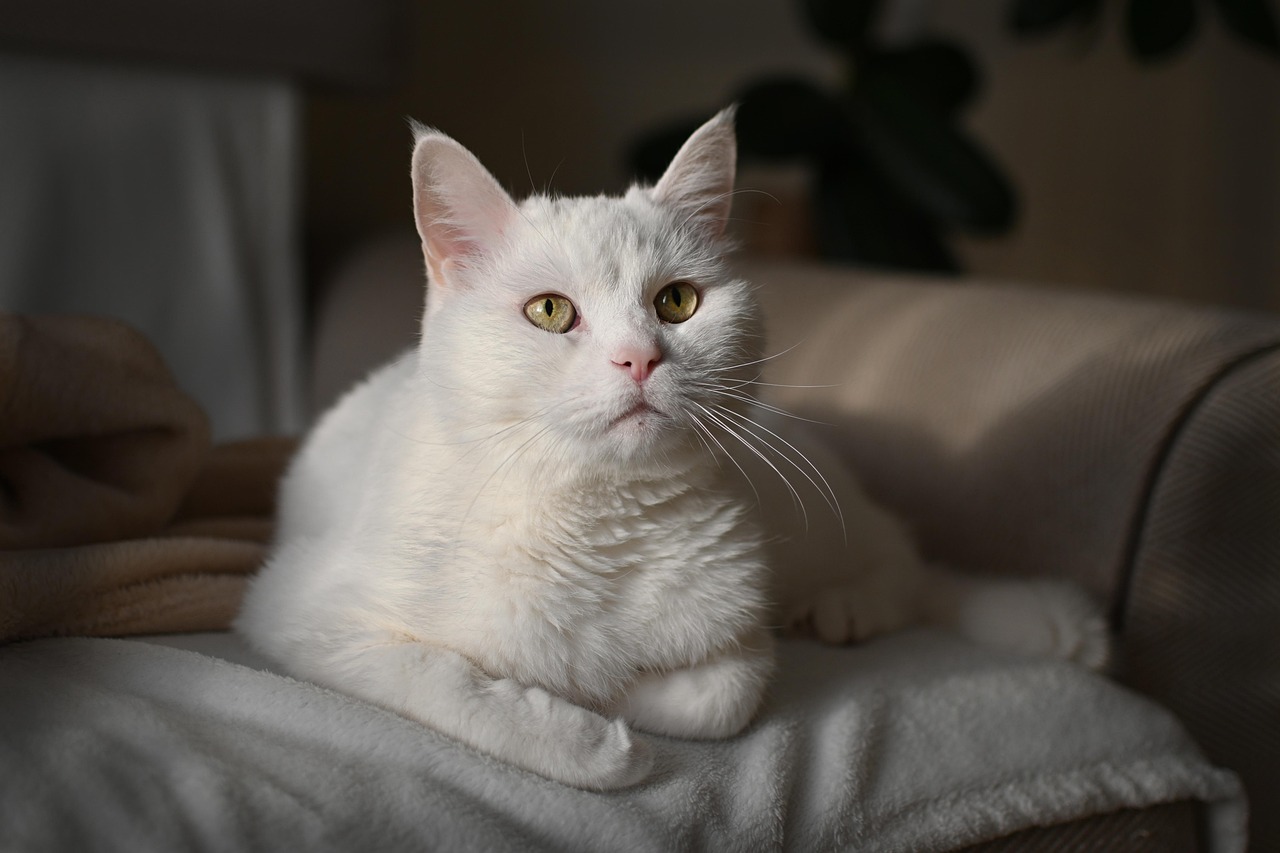
Cats have long been stereotyped as independent, aloof, and emotionally detached creatures indifferent to human companionship. This persistent myth has resulted in countless people underestimating the emotional capacity of cats and missing the genuine affection their cats are constantly expressing. Research in animal behaviour combined with long-term observation of cat-human interactions definitively demonstrates that cats form strong, genuine social bonds with humans and other animals, expressing attachment and affection in ways that are deeply meaningful, though admittedly more subtle and species-specific than the overt displays dogs are famous for. Understanding how cats actually show affection—recognising the signals they use to communicate trust, security, and emotional connection—allows owners to strengthen their bonds with their cats, feel genuinely loved, and respond appropriately to their cat's emotional needs.
This comprehensive guide explores the science of feline attachment, describes the various ways cats express affection through body language and behaviour, explains how affection varies between individual cats, and provides guidance on encouraging positive bonds whilst respecting your cat's individual temperament and boundaries. By learning to recognise these affectionate signals, you transform your understanding of your cat's emotional life and experience the genuine joy of a deeply bonded human-feline relationship.
Do Cats Actually Form Emotional Bonds? The Science

Before exploring how cats show affection, it is important to establish the scientific foundation: cats genuinely form attachment bonds with their human caregivers.
Attachment Research in Cats
Studies in animal behaviour and attachment research have conclusively demonstrated that domestic cats form genuine attachment bonds with their caregivers. Cats display secure attachment behaviours remarkably similar to those observed in human infants and in dogs, particularly when they feel safe, socially connected, and confident in their caregiver's responsiveness.
What research shows: When separated from their owner and then reunited, cats show behaviours consistent with secure attachment—recognition, greeting, seeking proximity, and calm settling in the owner's presence. These are not random behaviours but genuine indicators of emotional bonding and recognition of a specific individual as their secure base.
Why this matters: Understanding that cats form genuine emotional bonds helps reframe their behaviour. When a cat chooses to be near you, it is not indifference or tolerance. It is genuine preference and affection. When a cat maintains eye contact, it is trust. When a cat allows you to handle them, it is vulnerability and confidence.
How Cats Express Affection: The Species-Specific Nature
Whilst cats form genuine emotional bonds, they express affection differently from dogs or humans. Cats have evolved specific, subtle methods of communicating trust, security, and affection that are rooted in feline social communication.
Why cats' expressions differ from dogs: Dogs are pack animals with clear hierarchical social structures. They express affection openly and enthusiastically—jumping, licking, following, seeking attention. Cats are solitary hunters with different social structures. They express affection through proximity, subtle body language, scent communication, and gentle physical contact. Neither style is superior. They are simply different evolutionary strategies.
The affection challenge: Because feline affection is subtle and understated compared to canine enthusiasm, it is easy for people unfamiliar with cat communication to miss it entirely. A cat slowly blinking at you is expressing as much affection as a dog jumping on you, but the signal is so quiet that many people do not recognise it.
Common Ways Cats Show Affection: Recognising the Signals

Head Bunting: The Pheromone Marker of Affection
Head bunting, also called head-butting, occurs when a cat gently presses their forehead, cheeks, and side of their head against you. This seemingly simple behaviour is actually a profound gesture of affection and trust.
The science behind head bunting: Cats have scent glands on their face, particularly around the temples and cheeks. When a cat bunts your face, hand, legs, or any part of your body, they are depositing their facial pheromones onto you. In the feline world, this action serves multiple purposes simultaneously: it marks you as belonging to their social group, identifies you as safe and familiar, and communicates ownership and bonding.
What it signifies: When your cat chooses to rub their face on you, they are literally claiming you as part of their family and marking you as trustworthy. This is one of the clearest, most unambiguous signs of feline affection and trust. If your cat bunts you, they genuinely love you.
How to respond: Acknowledge head bunting by gently stroking the cat's cheeks and forehead. This reinforces the positive interaction and deepens the bonding.
Slow Blinking: The Cat Kiss
A slow blink is a uniquely feline expression of affection, often referred to as a "cat kiss." This behaviour involves soft eye contact followed by slowly closing the eyes whilst maintaining focus on you.
What slow blinking means: In feline body language, slowly blinking indicates relaxation, trust, and non-threatening communication. A cat slow blinking at you is essentially saying "I am relaxed, I trust you, and you are not a threat." It is the feline equivalent of a loving gaze.
Why it matters: Eye contact can be threatening in the animal world. A cat that maintains soft eye contact and slow blinks is demonstrating exceptional trust. A cat that avoids eye contact or stares with hard, wide eyes is anxious or defensive. The difference is profound.
How to respond: Returning a slow blink to your cat reinforces the connection. Make soft eye contact, then slowly close your eyes. Most cats respond by slow blinking back, creating a sweet moment of non-verbal affection communication.
Purring: The Rumbling Expression of Contentment
Purring is widely recognised as a sign of contentment, though the complete picture is more nuanced than simple happiness.
The complexity of purring: Whilst purring is most commonly associated with contentment and pleasure, cats also purr when stressed, in pain, or even when dying. However, when purring is paired with other affectionate behaviours—relaxed body posture, kneading, gentle eye contact, soft ears, and proximity-seeking—it definitively indicates comfort and affection.
The bonding aspect: A cat purring while sitting on your lap or against your body is expressing contentment and affection specifically in your presence. The cat is choosing to be near you and expressing happiness about it. This is genuine affection.
Individual variation: Some cats purr loudly and frequently, whilst others purr quietly or rarely. Both patterns are normal. A quiet cat's soft purr is no less meaningful than a loud cat's rumbling purr.
Kneading: Making Biscuits as a Sign of Love
Kneading, affectionately called "making biscuits," is a rhythmic pressing motion where a cat alternates their front paws in and out, usually against a soft surface like your lap, a blanket, or a cushion.
Origin of the behaviour: Kneading originates in kittenhood when nursing kittens knead their mother's belly to stimulate milk flow. This behaviour becomes permanently associated with comfort, security, nourishment, and maternal safety in the cat's brain.
What it means in adult cats: When adult cats knead, they are not literally trying to produce milk. Instead, they are recreating and reinforcing those feelings of comfort, security, and contentment. A cat kneading your lap is essentially saying "I feel safe and happy with you, the way I felt safe with my mother."
The affection significance: Kneading is one of the most intimate, vulnerable behaviours cats display. A cat kneading you is expressing profound trust and contentment. The fact that cats often accompany kneading with purring, slow blinks, and closed or half-closed eyes further confirms the deep contentment and affection involved.
Following You Around
Cats that follow you from room to room, sit near you whilst you work, and supervise your daily activities are displaying strong social attachment.
What this behaviour indicates: Cats are solitary hunters, yet many choose to remain in proximity to their owners throughout the day despite not requiring anything from them. This proximity-seeking is voluntary and represents genuine preference for your company. Your cat is choosing to spend time with you because they enjoy your presence.
The security aspect: Following you also indicates that you represent security to the cat. In stressful situations or when the cat is anxious, they often seek proximity to their trusted human. You are your cat's secure base from which they venture into the world.
How to honour this: When your cat follows you, acknowledge them occasionally. Gentle petting, soft words, or simply allowing them to be present demonstrates that you value their companionship.
Tail Position: The Raised Greeting
A cat's tail position communicates emotional state and intentions more clearly than almost any other single body feature.
The raised tail greeting: A raised tail with a slight curve or hook at the tip is a greeting gesture and indicates happiness, confidence, and friendly intention. When a cat approaches you with this tail posture, they are greeting you with affection. This is a deliberate, friendly signal.
Other tail signals: A puffed tail indicates fear or defensiveness. A tucked tail indicates anxiety or submission. A slowly swishing tail indicates annoyance. A rapidly swinging tail indicates agitation. Learning to read tail position helps you understand your cat's emotional state.
The greeting meaning: That adorable moment when your cat walks toward you with their tail held high and slightly curved is one of the clearest expressions of affection—a deliberate greeting that says "I am happy to see you."
Grooming You: Allogrooming as Social Bonding
Some cats lick their owner's hands, face, or hair in gentle grooming motions. This behaviour, called allogrooming, is significant.
The meaning: In feline social groups, cats groom their bonded companions and trusted family members. When a cat grooms you, they are including you in their inner social circle. They are treating you as family. This is a powerful expression of affection and trust.
Why it matters: Cats do not groom animals they do not trust or feel bonded to. If your cat licks you, it means they genuinely view you as family and feel safe enough to engage in this vulnerable, intimate behaviour.
How to respond: Allow gentle grooming (though you can redirect if it becomes uncomfortable). Reciprocate occasionally with gentle stroking. This reinforces the bonding behaviour.
Bringing You "Gifts"
Cats may bring toys, socks, dead leaves, or in the case of outdoor hunters, small prey to their owners. This behaviour, whilst sometimes frustrating, is rooted in affection.
What gift-giving means: Bringing objects to you is instinctive, but the choice to bring them to you specifically reflects several things: the cat views you as family, the cat may be attempting to teach or share resources, and in some cases, the cat is including you in their hunting "success."
Reframing the behaviour: Rather than viewing brought "gifts" as mischief, recognise them as the cat including you in their world and treating you as family. A cat that brings you a toy is attempting to engage with you using the objects most important to them.
How to respond: Acknowledge the gift positively rather than scolding. If the gift is inappropriate, gently redirect to appropriate toys. The affectionate intent deserves recognition even if the execution is inconvenient.
Sleeping Near or On You: Vulnerability and Trust
Cats are most vulnerable when sleeping. If your cat chooses to sleep beside you, on your lap, on your chest, or chooses your bed as their preferred sleeping spot, this is a profound gesture of trust and affection.
Why sleep location matters: A cat sleeping near you is placing themselves in a position where they cannot easily escape if threatened. This requires absolute trust that you will not harm them and that you represent safety. A cat sleeping on your lap or chest is even more vulnerable and affectionate.
The security signal: Your cat believes you are safe enough to drop their guard entirely and sleep deeply in your presence. This is trust at its most fundamental level.
How to honour this: Remain still and allow the cat to sleep. Avoid sudden movements that would startle them. This respect for their vulnerability strengthens the bond.
Subtle Signs of Affection: The Quiet Expressions
Not all cats are overtly demonstrative. Many cats show affection in subtle, quiet ways that are easy to miss.
Understated affection signals:
- Sitting quietly in the same room: Simply choosing to be in your presence without demanding interaction is a form of affection
- Brief tail touches: A quick tail touch against your leg or hand is a gentle greeting or acknowledgement
- Light leaning: A cat leaning lightly against you whilst you work or relax is seeking quiet companionship
- Relaxing fully in your presence: A cat that flops over, exposes their belly, or stretches out completely near you is expressing security and comfort
- Maintaining eye contact: Soft, gentle eye contact held for several seconds is affection and trust
Why subtlety matters: Quiet affection is no less meaningful than overt displays. A cat that sits peacefully beside you for hours is expressing genuine attachment and preference for your company, even though they are not demanding attention.
Individual Variation: Not All Cats Show Affection the Same Way

Cats vary dramatically in how overtly they display affection. This variation is completely normal and reflects differences in personality, breed tendencies, early socialisation, past experiences, and individual temperament.
Factors affecting affection display:
- Personality: Some cats are naturally more social and affectionate, whilst others are reserved and independent. Both are healthy cat personalities.
- Breed tendencies: Some breeds (Ragdolls, Siamese, Maine Coons) tend toward higher sociability, whilst others (Scottish Fold, Russian Blue) tend toward greater independence. However, individual personality always matters most.
- Early socialisation: Cats handled frequently during kittenhood typically show more overt affection than cats with limited human contact in early life.
- Past experiences: Cats that experienced neglect, abuse, or instability may take longer to show affection or show it more reservedly even after finding safe homes.
- Age: Kittens and young cats often show exuberant affection. Senior cats may show more quiet, understated affection.
What this means: A highly social cat that purrs constantly, follows you everywhere, and demands frequent interaction is expressing their affection in their personality's natural style. A more reserved cat that shows affection through presence, occasional head bumps, and calm companionship is expressing equally genuine affection in their personality's natural style. Neither is more or less affectionate. They simply have different styles.
The importance of respecting individual temperament: Forcing a reserved cat to be more overtly affectionate is not helpful and can damage trust. Allowing an affectionate cat frequent interaction is appropriate. Understanding your individual cat's personality and respecting it strengthens your bond infinitely more than attempting to change their natural style.
How to Encourage and Strengthen Affection

Whilst you cannot force a cat to be affectionate, you can create conditions that encourage bonding and affection.
Respect Boundaries
The crucial principle: Never force physical contact. Allow your cat to initiate interaction. Let them approach you for petting rather than pursuing them. This respect for autonomy paradoxically strengthens affection and trust.
Why this matters: When cats choose to initiate contact, they are expressing genuine preference. When contact is forced, cats learn to associate you with loss of control and may become defensive or withdrawn. Respecting boundaries builds the trust that creates genuine affection.
Reading your cat's signals: Learn to recognise when your cat wants interaction (approaching, rubbing, slow blinking) and when they want space (tail swishing, ears back, moving away). Respecting these signals is fundamental to bonding.
Provide Consistency and Routine
Cats bond more strongly when routines are predictable and consistent.
Consistency matters because: Predictable feeding times, play sessions, and interaction patterns help cats feel secure. Cats thrive on knowing what to expect. When you are consistent, you become a secure base from which the cat can relax and engage.
Practical consistency: Feed at the same times, play at the same times, maintain regular bedtime routines. This predictability builds security and encourages affectionate bonding.
Use Gentle Communication
Soft voices and gentle, slow movements build trust and encourage affection.
Why gentleness matters: Loud voices, sudden movements, and rough handling frighten cats and damage trust. Gentle communication—soft words, slow movements, calm demeanour—teaches the cat that you are safe and trustworthy.
Engage in Interactive Play
Play strengthens social bonds and provides necessary exercise and mental stimulation.
How play encourages bonding: Interactive play with wand toys, laser pointers, or balls creates positive shared experiences. During play, your cat experiences you as a source of fun and engagement. This builds positive association and affection.
Avoid Punishment and Negative Reinforcement
Punishment damages trust and weakens attachment bonds.
Why punishment backfires: Cats do not understand punishment the way humans intend it. Punishment creates fear and resentment, damaging the trust that underlies affection. Even yelling at a cat for unwanted behaviour creates negative association rather than behaviour change.
Positive approach: Instead of punishing, reward desired behaviour with treats, play, or praise. This builds positive association with you and encourages the behaviour you want whilst maintaining trust.
Signs Your Cat Feels Secure and Bonded

A securely bonded cat displays consistent patterns that indicate emotional health and trust.
Signs of secure attachment:
- Eating normally and with enthusiasm
- Regular grooming and coat maintenance
- Relaxed body posture most of the time
- Approaching you voluntarily for interaction
- Displaying curiosity about environment rather than fear
- Playing regularly and engaging with enrichment
- Using the litter tray normally
- Sleeping peacefully and appearing rested
The security foundation: Affection in cats is fundamentally rooted in feeling emotionally safe, secure, and confident that their needs will be met. A cat that trusts you will naturally be more affectionate.
When Affection Changes Suddenly

If a normally affectionate cat suddenly becomes withdrawn, distant, or stops displaying their usual affectionate behaviours, this warrants investigation.
Possible causes of affection changes:
- Pain: Cats experiencing pain often withdraw from interaction and become less affectionate
- Illness: Many health conditions cause behavioural changes including reduced affection
- Stress: Environmental stress, household changes, or disruptions to routine can cause temporary withdrawal
- Environmental change: Moving, renovations, or changes to familiar spaces can trigger temporary behavioural changes
When to seek help: Any significant, sudden change in affection or behaviour should be evaluated by a veterinarian. Whilst temporary changes from stress are normal, persistent withdrawal or affection loss may indicate medical or serious emotional distress requiring professional help.
Understanding Your Cat's Unique Love Language
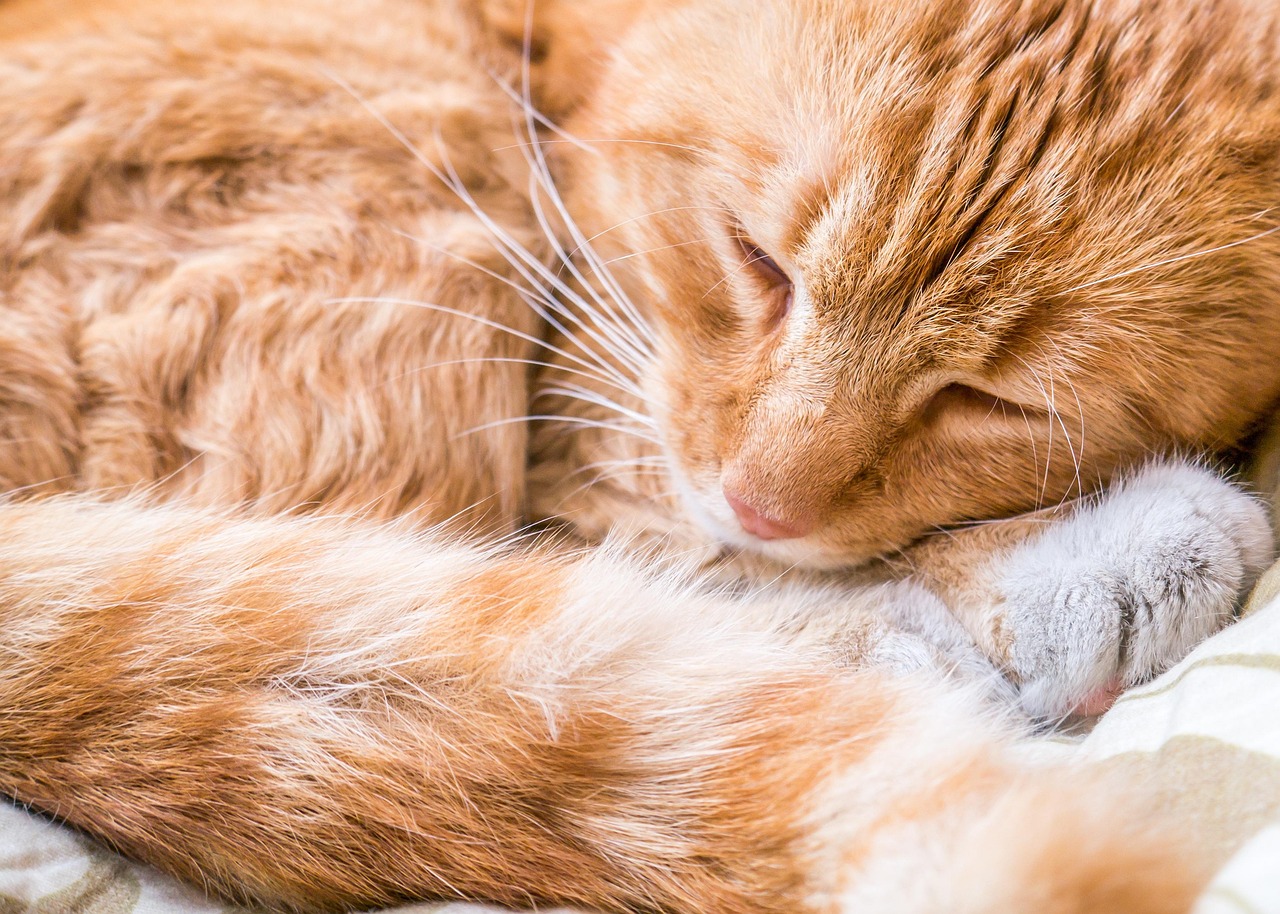
Cats express affection differently from humans and dogs, but their bonds are genuine, meaningful, and deeply rewarding. From exuberant head bunting to quiet presence, from gentle slow blinks to vulnerable sleep, feline affection is rooted in trust, security, and chosen social connection. Your cat's particular way of showing love is perfectly suited to who they are as an individual.
By learning to recognise these signals, you transform your understanding of your relationship with your cat. You begin to see that apparent aloofness is often quiet companionship. You realise that independence is chosen proximity. You understand that subtle gestures carry profound meaning. Most importantly, you experience the genuine, reciprocal love your cat offers in their uniquely feline way.
Cats form genuine emotional attachment bonds with their caregivers despite their reputation for independence, displaying secure attachment behaviours similar to those in human infants and dogs when they feel safe and socially connected. Feline affection is expressed through subtle, species-specific signals fundamentally different from canine enthusiasm but no less meaningful, including head bunting (depositing facial pheromones), slow blinking (cat kisses indicating trust), purring paired with relaxed body language, kneading or making biscuits (recreating kittenhood comfort), voluntary proximity-seeking and following, raised-tail greetings, grooming the owner (allogrooming indicating family bonding), bringing gifts (including owner in their world), and sleeping near or on the owner (ultimate vulnerability and trust). Cats vary dramatically in how overtly they display affection based on personality, breed tendencies, early socialisation, past experiences, and age, with some cats being highly social and demonstrative whilst others show quiet, understated affection through mere presence, brief touches, or calm companionship—both representing equally genuine affection expressed in the cat's natural style. Encouraging affection requires respecting the cat's boundaries and autonomy, maintaining consistent routines providing security, using gentle communication, engaging in interactive play, and avoiding punishment or negative reinforcement that damages trust. A securely bonded cat displays normal eating and grooming, relaxed body posture, voluntary approach for interaction, curiosity rather than fear, regular play, normal litter habits, and peaceful sleep, with affection fundamentally rooted in emotional safety and trust. Sudden changes in normally affectionate cats require veterinary evaluation as they may indicate pain, illness, stress, or environmental distress. Understanding your cat's unique affection style and learning to recognise their specific signals transforms the human-feline relationship from perceived indifference to genuine reciprocal love.
This guide is based on animal behaviour research and feline attachment science. Individual cats vary widely in how they display affection based on personality, early experience, and temperament. Not all cats display affection through overtly demonstrative behaviours, and quieter displays of affection are no less genuine. If you have concerns about your cat's behaviour or emotional health, consult your veterinarian. Understanding your individual cat's specific affection style and preferences strengthens your bond and improves your relationship quality.