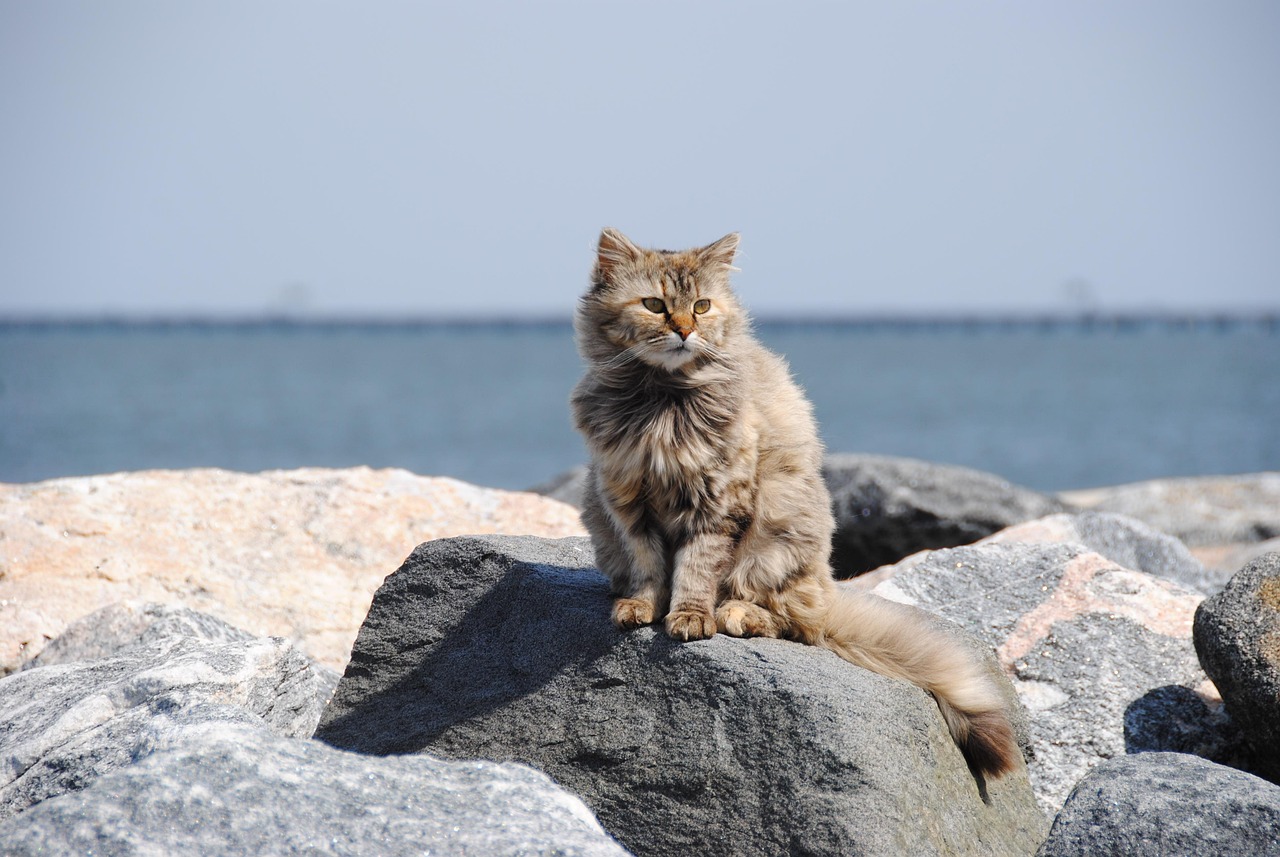
A sunny day at the beach sounds idyllic—exploring sand dunes, watching waves, enjoying fresh sea air—yet many cat owners don't realise beaches present serious health and safety risks for feline companions. While dogs enthusiastically enjoy coastal adventures, most cats are creatures of habit strongly preferring quiet, familiar, predictable environments with plenty of hiding places. Unlike dogs adapted to swimming and saltwater exposure, cats lack physiological mechanisms for efficient heat regulation, have sensitive skin vulnerable to sun and salt exposure, and naturally dislike loud noises, crowds, and chaotic environments typical of busy beaches. Taking unprepared cats to beaches risks heatstroke (potentially fatal within hours), burnt paw pads from scorching sand, saltwater toxicity, dehydration, sunburn (particularly white-furred breeds), escape into unfamiliar environments, and stressful encounters with dogs and wildlife. Although a small number of confident, well-socialised cats can safely enjoy supervised, carefully-prepared beach visits during cooler times in quiet locations with proper safety precautions, many cats find the experience stressful rather than enriching. Understanding the genuine risks, recognising which cats might tolerate beach visits, and implementing comprehensive safety protocols helps owners make informed decisions prioritising their cat's health and wellbeing.
This comprehensive guide explores whether beach visits suit most cats, details specific risks and hazards, discusses which cats might enjoy beach outings, provides preparation and safety protocols, and suggests safer alternatives for outdoor enrichment.
Do Cats Naturally Enjoy Beaches?
Typical Feline Beach Preferences
Most cats are not naturally drawn to beaches; they strongly prefer environments opposite of typical beach characteristics.
Cats Prefer:
- Quiet environments: Calm, minimal noise exposure
- Familiar locations: Recognisable territory reducing anxiety
- Predictable situations: Routine, minimal surprises or sudden changes
- Hiding places: Refuge options for security and stress-relief
- Controlled spaces: Limited access reducing escape risk
Typical Beaches Offer Opposite:
- Crowds and noise: Multiple people, children, dogs, loud conversations
- Unfamiliar environment: New territory lacking security
- Unpredictable stimuli: Sudden waves, unexpected animals, unpredictable human activity
- Limited hiding places: Open space providing little refuge or security
- Multiple hazards: Water, sharp objects, wildlife, loose dogs
Can Cats Learn to Enjoy Beaches?
- Some cats adapt: Confident, socialised cats may adapt with gradual exposure and training
- Minority experience: Most cats will feel overwhelmed even with preparation
- Stress versus enjoyment: Tolerance doesn't equal genuine enjoyment; cats may remain stressed despite appearing calm
Which Cats Might Enjoy Beach Visits?
Suitable Candidate Characteristics
Only specific personality types should be considered for beach outings.
- Harness-trained: Comfortable wearing harness enabling safe control
- Well-socialised: Accustomed strangers, varied environments, new experiences
- Confident temperament: Naturally confident in novel situations
- Travel-experienced: Comfortable in carriers and cars; prior travel exposure
- Calm around strangers: Unafraid unfamiliar people
- Leash-trained: Already comfortable walking on lead
Unsuitable Candidates
- Indoor-only cats: Never left homes; no outdoor experience
- Anxious or nervous temperament: Fearful, easily stressed cats
- Unfamiliar with harnesses: No prior harness training
- Senior or very young: Elderly cats less adaptable; young kittens vulnerable
- Cats with health conditions: Medical issues worsened by heat, stress
Potential Benefits of Beach Visits for Suitable Cats
Mental Enrichment
- Novel stimuli: New sights, sounds, smells providing mental stimulation
- Sensory exploration: Sand texture, salt smell, wave sounds provide varied sensory input
- Curiosity satisfaction: Opportunity exploring unfamiliar environment
Physical Exercise
- Sand walking: Walking sand surface provides gentle exercise
- Mild activity: Low-impact exploration and investigation
Human-Cat Bonding
- Shared experience: New activity together strengthening relationship
- Quality time: Focused attention and interaction
Significant Risks of Beach Visits for Cats
1. Heatstroke and Overheating
One of the greatest dangers; heatstroke can develop rapidly and become fatal.
- Heat regulation limitation: Cats do NOT sweat efficiently; regulate temperature primarily panting and blood flow to ears
- Beach conditions exacerbate: Direct sunlight, high temperatures, humidity all overwhelm feline thermoregulation
- Critical temperature: Body temperatures exceeding 40°C (104°F) constitute emergency
- Early signs: Rapid breathing, panting, excessive drooling, lethargy, weakness
- Severe signs: Collapse, unconsciousness, seizures, organ failure
- Fatality risk: Untreated heatstroke leads to death within hours
2. Hot Sand Burns on Paw Pads
- Temperature concern: Sand becomes extremely hot during sunny conditions potentially burning sensitive paw pads
- Safety test: Test sand temperature with hand; if too hot for hand, too hot for cat paws
- Paw pad sensitivity: Cat paw pads are sensitive to high temperatures
- Burn risk: Prolonged exposure causes burns reducing mobility and causing pain
- Infection risk: Burnt pads susceptible infection
3. Saltwater Toxicity
- Ingestion danger: Cats drinking seawater experience salt toxicity
- Symptoms: Vomiting, diarrhoea, dehydration, excessive thirst, salt toxicity in severe cases
- Prevention essential: Always provide fresh drinking water; never allow seawater consumption
- Post-exposure rinsing: Rinse coat after saltwater contact preventing skin irritation
4. Escape Risk in Unfamiliar Environment
- Panic-driven escape: Frightened cats may run long distances
- Hiding behaviour: Scared cats hide in vegetation or unfamiliar places becoming difficult recover
- Lost risk: Unfamiliar environment increases being lost permanently
- Prevention: Always use harness and lead; never allow off-lead access
5. Dogs and Wildlife Encounters
- Dog abundance: Many beaches allow dogs; even friendly dogs may frighten cats
- Wildlife exposure: Seabirds, crabs, insects, and other wildlife can stress or injure cats
- Predatory instinct: Some wildlife triggers cat predatory response increasing escape risk
- Injury risk: Wildlife encounters can cause injuries
6. Sunburn Vulnerability
- High-risk cats: White-furred cats, thin-coated breeds, hairless breeds particularly susceptible
- Vulnerable areas: Ears, nose, light-coloured fur areas most susceptible
- UV damage: UV rays cause painful sunburn; chronic sun exposure increases skin cancer risk
- Protection essential: Pet-safe sunscreen on exposed areas (NEVER human sunscreen—toxic to cats)
7. Sharp Objects and Hazards
- Hazards present: Broken shells, fishing hooks, glass, sharp rocks hidden in sand
- Paw injuries: Sharp objects cut sensitive paw pads causing pain, infection
- Ingestion risk: Cats may ingest small objects causing internal injury
- Prevention: Carefully inspect areas before allowing exploration; monitor closely
8. Sand Ingestion and GI Issues
- Accidental ingestion: Cats may ingest sand while grooming or exploring
- GI upset: Sand ingestion causes vomiting, diarrhoea, GI blockage
- Prevention: Supervise closely; rinse coat thoroughly post-visit
Preparation for Beach Visits
Essential Equipment to Bring
- Secure harness: Well-fitted, escape-proof harness
- Sturdy lead: Strong leash preventing escape
- Ventilated carrier: Secure transport and rest area
- Fresh drinking water: Multiple litres ensuring hydration
- Portable water bowl: Easy water access
- Shade provision: Umbrella or pop-up tent creating refuge
- Pet-safe sunscreen: Cat-specific product (never human sunscreen)
- Towels: Drying and sand removal
- Favourite treats: Positive reinforcement
- Waste bags: Responsible cleanup
- First aid kit: Basic emergency supplies
Timing Considerations
- Early morning visits: Cooler temperatures, quieter conditions, calmer waters
- Late afternoon/early evening: Cooler temperatures, lower sun intensity
- Avoid peak heat: Midday summer heat extremely dangerous
- Seasonal timing: Spring and autumn ideal; summer risky
Location Selection
- Quiet beaches: Less crowded, fewer dogs, calmer environment
- Pet-friendly beaches: Check local regulations allowing cats
- Dog-free areas: Select times or locations with fewer dogs
- Clean beaches: Minimise hazard exposure
- Away from roads: Reduce traffic noise stress
Water Safety: Should Your Cat Swim?
Swimming Considerations
- Most cats dislike swimming: Cats generally avoid water; forced water exposure traumatic
- Saltwater irritation: Saltwater irritates eyes, skin, ears
- Never force: Forcing cats into water creates lasting fear
- Voluntary entry only: If cat voluntarily enters water, allow; rinse coat freshwater afterwards
- Strong currents: Beach currents dangerous; supervise constantly if cat near water
Visit Duration and Cat Monitoring
Recommended Duration
- First visits short: 15–30 minutes sufficient for confident cats
- Behaviour-focused timing: Watch cat's behaviour rather than arbitrary time limits
- Frequent breaks: Regular rest periods in shade with water access
Signs Your Cat Enjoying Experience
- Curious exploration: Interested sniffing and investigation
- Relaxed posture: Loose body, normal tail position
- Calm walking: Comfortable movement without tension
- Gentle sniffing: Normal investigative behaviour
- Accepting treats: Willing to take offered food indicating comfort
- Normal breathing: Regular breathing without stress panting
Signs Your Cat Wants to Leave (Leave Immediately)
- Flattened ears: Ears pinned back indicating stress
- Tucked tail: Tail held low tightly
- Hiding attempts: Seeking cover or trying escape
- Excessive vocalisation: Meowing, yowling indicating distress
- Escape attempts: Pulling on leash, struggling to get away
- Panting: Stress panting or overheating signs
- Trembling: Visible shaking indicating severe stress or cold
- Lethargy: Extreme listlessness, reluctance move
Post-Beach Care
Immediate Care
- Thorough rinsing: Remove sand and saltwater from coat
- Gentle brushing: Remove remaining sand from fur
- Paw inspection: Check for cuts, burns, sharp objects
- Paw cleaning: Rinse thoroughly removing sand and salt
- Ear drying: Dry ears thoroughly preventing infections
- Fresh water access: Encourage hydration
Recovery Period
- Quiet rest: Provide calm, quiet indoor recovery time
- Shade and comfort: Cool resting area, comfortable bedding
- Monitor condition: Watch for delayed heatstroke signs or stress behaviours
Safer Outdoor Alternatives
Many cats prefer safer outdoor experiences providing enrichment without beach hazards.
- Secure garden exploration: Fenced garden allowing supervised outdoor access
- Catio enclosure: Enclosed outdoor space eliminating escape risk
- Quiet park visits: Harness walks in peaceful, less-crowded areas
- Shaded patio time: Resting in covered outdoor space with supervision
- Harness walks: Leashed walks in calm neighbourhoods
Most cats not naturally drawn beaches; prefer quiet familiar predictable environments hiding places. Beaches offer opposite crowds noise unfamiliar stress. Suitable candidates harness-trained well-socialised confident travel-experienced calm around strangers. Unsuitable indoor-only anxious unfamiliar harnesses senior very young health conditions. Benefits mental enrichment novel stimuli sensory exploration curiosity physical exercise sand walking bonding shared experience. Significant risks heatstroke overheating cats don't sweat panting ears thermoregulation only dangerous temperatures 40°C+ (104°F+) fatal within hours rapid breathing panting drooling lethargy collapse, hot sand burns paw pads test hand temperature if too hot for hand too hot for paws, saltwater toxicity drinking seawater causes vomiting diarrhoea dehydration always provide fresh water, escape risk unfamiliar environment frightened cats run hide lost permanently harness lead essential, dogs wildlife encounters seabirds crabs stress injury, sunburn white-furred hairless thin-coated ears nose vulnerable UV damage pet-safe sunscreen NEVER human sunscreen, sharp objects broken shells fishing hooks glass rocks paw injuries, sand ingestion GI upset vomiting diarrhoea blockage. Preparation secure harness sturdy lead ventilated carrier fresh water portable bowl shade umbrella/tent pet-safe sunscreen towels treats waste bags first aid kit. Timing early morning late afternoon cooler avoid peak heat spring autumn safer summer risky. Location quiet beaches pet-friendly fewer dogs clean away roads. Water safety most cats dislike swimming saltwater irritation never force voluntary entry only rinse freshwater. Duration first visits 15–30 minutes behaviour-focused frequent breaks shade water. Signs enjoying curious exploration relaxed posture calm walking gentle sniffing accepting treats normal breathing. Signs leave immediately flattened ears tucked tail hiding excessive vocalisation escape attempts panting trembling lethargy. Post-visit thorough rinsing brushing paw inspection ear drying quiet recovery. Safer alternatives secure garden catio quiet parks shaded patio harness walks. Generally NOT recommended beach visits most cats; stress outweighs benefits.
This guide is based on research from PetsCare, PetShun, Medium, Catster, PetBarn KW, Hepper Pet Resources, Small Miracles Animal Hospital, and Pawstination. Heatstroke progression: panting early sign; progression to drooling lethargy weakness collapse organ damage; brain damage possible within hours severe hyperthermia. Sand temperature test critical: hold back hand on sand 5–10 seconds; if uncomfortable for human hand too hot for cat paw pads lacking sweat glands. Stress versus enjoyment distinction: cats may tolerate activity while remaining stressed internally; tolerance doesn't equal enjoyment. Behavioural stress indicators: flattened ears, tucked tail, reduced appetite post-visit, urine marking indicate underlying stress. Respiratory stress: cats panting not always thermoregulation; can indicate anxiety fear. Saltwater ingestion mechanism: high sodium causes osmotic diarrhoea dehydration potentially fatal severe cases. Microchipping importance: should escape, microchip critical reuniting lost cats; ensure current registration. GPS tracker option: additional safety measure locating lost pet. Gradual acclimation protocol: if planning beach visits for suitable cat, start with short durations quiet areas gradually increasing exposure over multiple visits. Spring/autumn advantages: mild temperatures 15–20°C (59–68°F) safe summer peak heat dangerous. Veterinary assessment prior: senior cats health conditions should have vet evaluation before beach trips. Pet-safe sunscreen selection: look specifically cat-safe formulations; never use human sunscreen (contains zinc oxide/other toxic ingredients). Post-visit behavioural changes: excessive grooming, urine marking, hiding indicate stress requiring attention. Indoor enrichment alternatives: provide environmental enrichment window-watching bird feeders puzzle feeders vertical spaces reducing need outdoor adventures.