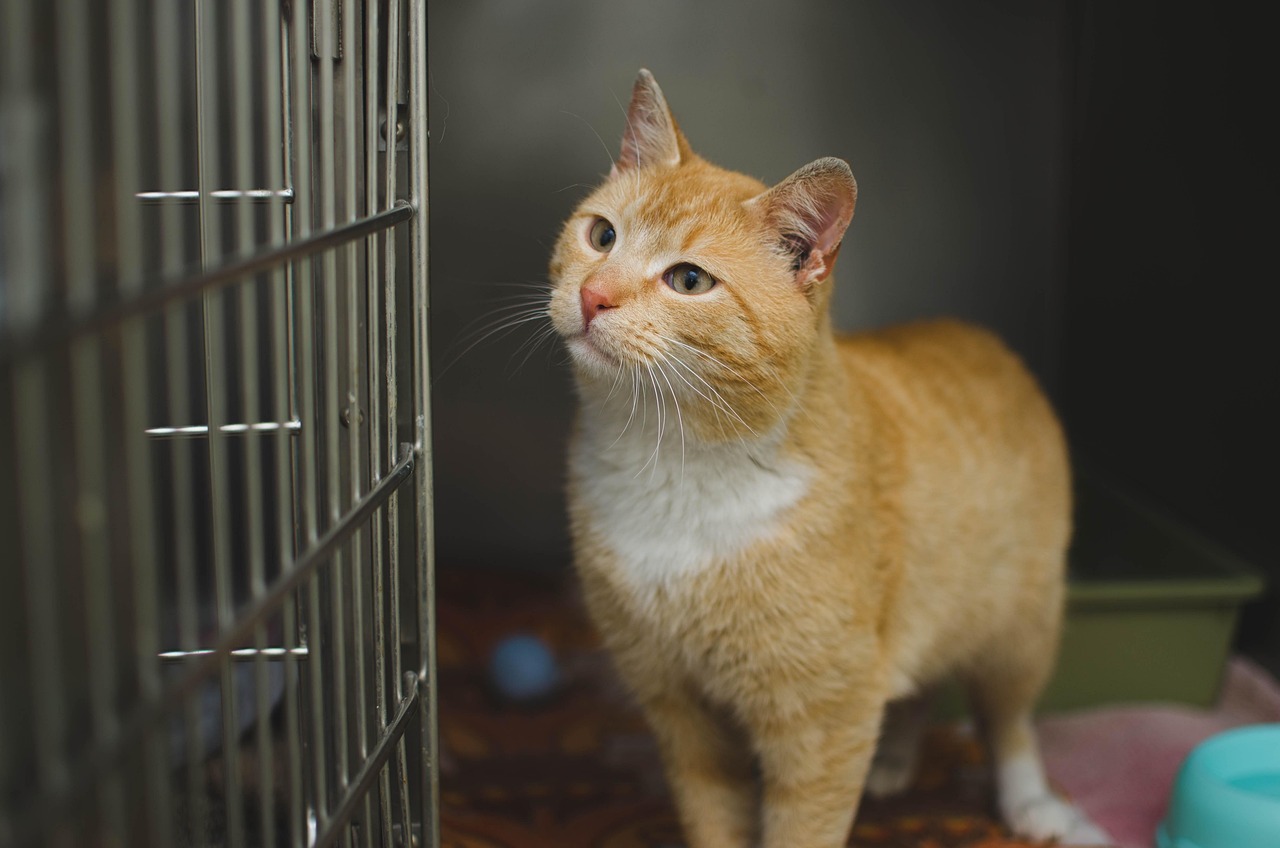
For many cats, a trip to the veterinarian represents significant stressful experience, often filled with unfamiliar environments, strange sounds, unusual smells, and handling by unfamiliar people in unfamiliar place. Strange examination room surroundings, car rides, carrier confinement, and separation from their safe home territory all contribute to substantial anxiety for feline patients, sometimes manifesting as fear-based aggression, hiding, excessive vocalisations, or defensive behaviours that can make veterinary examination more difficult. Fortunately, with proper advance preparation and thoughtful planning beginning weeks or months before appointments, cat owners can significantly reduce their cat's stress levels, making veterinary visits safer, more effective, and more comfortable for everyone involved—including the veterinary team. Understanding that cats are creatures of habit who thrive on routine and predictability, proper preparation starting with making the carrier a comfortable familiar safe space rather than a symbol of veterinary visits alone, can transform cat's perception of veterinary care from frightening ordeal into manageable experience. Research demonstrates that stress during veterinary visits can actually interfere with accurate diagnostic results, elevate heart rate and blood pressure, compromise immune function, and make veterinary examination more difficult and less thorough. Preparation also benefits owner, reducing their own anxiety and helping them project calm, confident demeanour essential for reassuring cats. Beyond basic carrier preparation, modern low-stress handling techniques, understanding feline body language, pheromone products, comfortable timing of appointments, and when appropriate, consultation with veterinarian about anti-anxiety medications can combine creating substantially more positive veterinary experiences.
This comprehensive guide explains why preparation matters veterinary visits, how to make cat carriers comfortable familiar spaces, strategies for carrier training and transport, when to schedule appointments and how to prepare home before visit, techniques for remaining calm yourself, how to support cat during examination, special considerations severely anxious cats, what to expect post-visit, best practices for kitten visits, common mistakes avoid, and how regular visits can actually reduce stress over time.
Why Preparation Matters
Impact of Veterinary Stress
Veterinary visits cause significant stress cats; preparation can substantially mitigate this.
- Physical stress responses: Anxiety triggers increased heart rate, elevated blood pressure, stress hormone release (cortisol adrenaline)
- Behavioural effects: Fear-based aggression, defensive behaviour, hiding, excessive vocalisations
- Diagnostic impact: Stress hormones can interfere accurate health assessments, potentially compromising diagnostic results
- Resistance during exam: Anxious cats resist handling making examination more difficult incomplete
- Immune compromise: Stress temporarily suppresses immune function
- Repeat anxiety: Each stressful visit reinforces negative associations, making future visits progressively more difficult
Benefits Proper Preparation
- For cat: Reduced anxiety, safer experience, more effective veterinary care, better health outcomes
- For owner: Reduced personal stress, smoother visits, increased confidence in handling cat
- For veterinary team: Easier examination, better cooperation, safer handling, more thorough assessment
Making the Carrier Comfortable
The Carrier Paradox
Problem: Most cats only experience carrier when going to vet, creating immediate stress association.
- Current situation: Carrier hidden away and produced only for vet visits signals something unpleasant happening
- Immediate response: Many cats flee, hide, or resist when they see carrier
- Stress cascade: Owner frustration chasing cat, forcing them in carrier, drive filled with cat anxiety—all before arriving at vet
Solution: Year-Round Carrier Presence
- Leave carrier out: Make carrier permanent fixture in home, always accessible
- Line with comfort: Add soft blankets, cat bed, or cushioning
- Include toys and treats: Place favourite toys treats inside encouraging exploration
- Hide treats regularly: Periodically hide treats inside carrier rewarding entry and exploration
- Feeding location: Feed cat inside carrier or nearby making it positive experience
- Natural refuge: Allow cat choose use it as voluntary resting space
Carrier Selection
Choosing right carrier reduces stress:
- Well ventilated: Adequate air flow preventing feeling trapped
- Secure latches: Properly closing doors preventing accidental opening
- Appropriate size: Large enough for cat stand and turn around comfortably
- Top-opening design: Allows veterinarian gently lift cat without forcing through tight front door
- Easy cleaning: Removable bedding washable interior for hygiene
Before the Appointment
Scent and Familiarity
- Familiar blanket: Place blanket cat has slept on inside carrier providing home scent
- Owner's scent: Include worn t-shirt or piece clothing with owner's scent
- Pheromone products: Spray interior carrier with feline facial pheromone (Feliway) reducing anxiety 30 minutes before visit
- Avoid washing: Don't wash bedding immediately before visit; familiar smells provide reassurance
Practice and Desensitisation
- Carrier training: Weeks before appointment, practice loading cat into carrier voluntarily
- Practice handling: Gently hold examine cat home head to tail, mimicking veterinary examination
- Car ride desensitisation: Take cat on short car rides not ending at vet building positive associations
- Happy vet visits: Schedule "no-exam visits" at clinic where cat meets staff, explores space, receives treats—no examination required, purely positive exposure
- Timing important: Desensitisation takes weeks or months; start early, not last minute
Day of Appointment Preparation
- Exercise beforehand: Interactive play, hunting simulations, or activity reduces nervous energy
- Calming activities: Gentle play, brushing, or quiet time 1–2 hours before appointment
- Feeding timing: Unless veterinarian instructs fasting for procedure, offer smaller meal several hours before travel
- Medication timing: Administer any prescribed pre-visit anxiety medication exactly as directed
- Gather information: Prepare notes about medications, symptoms, behaviour changes, diet, litter habits, any medical history
During Transport and Waiting
Calm Car Ride
- Carrier placement: Secure carrier seat belt in car preventing sliding sudden stopping
- Level position: Keep carrier level and stable avoiding tilting
- Gentle driving: Smooth acceleration, braking, turning minimising jostling
- Quiet environment: Avoid loud music, maintain calm atmosphere
- Towel covering: Partially cover carrier with lightweight towel may help anxious cats feel more secure while maintaining ventilation
At the Veterinary Clinic
- Keep in carrier: While waiting, keep cat inside carrier unless instructed otherwise
- Carrier placement: Place on chair or elevated surface rather than floor when possible
- Distance from dogs: Request separate cat waiting area or position away from canine patients
- Barrier between cat and strangers: Prevent unknown people from opening carrier or attempting interaction
- Comfortable waiting area: Many cat-friendly clinics have quiet, dedicated feline waiting spaces reducing stress
During the Examination
Support Your Cat
- Remain calm: Cats pick up owner's emotions; projecting calmness helps cat feel safe
- Speak softly: Use quiet, soothing voice tone avoiding raising voice or rushing
- Communicate concerns: Inform veterinary team about fearful behaviours, previous traumatic experiences, handling preferences
- Bring favourite items: Offer familiar toys, treats, or blankets distraction comfort
- Allow professionals: Trust veterinary team using modern low-stress handling techniques; they understand feline behaviour
Low-Stress Handling Techniques
Modern veterinary practices trained low-stress handling protecting cat welfare.
- Gentle approach: Minimising unnecessary physical restraint using positive lures (treats, toys)
- Body language reading: Veterinary team observes ear position, pupil size, tail position, body posture assessing comfort
- Flexible positioning: Performing examination and procedures comfortable positions allowing cat relax
- Proper support: Supporting cat properly during lifting preventing discomfort or injury
- Avoiding aversive restraints: Eliminating harsh handling, scruffing, or stretching uncomfortable techniques
- Sedation option: For severely anxious cats, veterinarian may recommend mild sedation making exam safer less stressful
Special Considerations for Severely Anxious Cats
Medication and Supplements
- Pre-visit medication: Gabapentin commonly prescribed reduces stress; typically given 1–2 hours before appointment
- Anti-anxiety medication: Prescription anti-anxiety drugs like alprazolam available for severe cases
- Pheromone supplements: Calming collars, sprays, treats containing feline pheromones
- Natural products: Consult veterinarian before using over-the-counter supplements; not all safe or effective
- Only prescribed products: Never use human medications or give cat unknown supplements without veterinary approval
Behaviour Modification
- Gradual exposure: Extended desensitisation programme over weeks or months
- Professional consultation: Behaviour specialist may help extremely anxious cats
- Thundershirt®: Specially designed swaddling shirt may reduce anxiety for tolerant cats
- Patience essential: Some cats require ongoing support; progress measured in small increments
After the Vet Visit
Post-Visit Recovery
Many cats behave differently for hours after appointment; allow time reset.
- Expect changes: Cat may hide, sleep more, eat later than usual, seem quieter or withdrawn
- Allow settling: Provide quiet undisturbed space for cat decompress at own pace
- Provide essentials: Fresh water, food (if no dietary restrictions), comfortable resting area
- Avoid forcing: Don't force interaction; let cat return to normal gradually
- Return to routine: Resume normal feeding, play, interaction schedules within hours
Building Positive Associations
- Reward calm behaviour: Praise, treats, gentle petting reinforce calm during visit
- Post-visit treats: Offer high-value treats after returning home creating positive association
- Regular positive exposures: Periodic "happy visits" clinic (no exam) maintain positive associations
Preparing Kittens for Their First Visit
Early positive experiences establish lifelong confidence comfort veterinary care.
- Start immediately: Begin carrier training and handling from earliest weeks
- Gentle handling: Daily gentle picking, petting, examining ears, checking mouth normalising handling
- Short practice car rides: Frequent brief car rides building comfort with transport
- Positive reinforcement: Treats, praise, gentle play reward calm behaviour throughout
- Comfortable carriers: Ensure kitten-friendly carrier size with soft bedding
- Abundant treats and praise: Generously reward all positive interactions building confidence
Common Mistakes to Avoid
- Chasing cat around house: Creates stress before even leaving home
- Last-minute carrier loading: Forcing cat into carrier at last minute guarantees resistance and stress
- Using punishment: Never punish cat for carrier fear or resistance; increases anxiety
- Opening carrier in waiting room: Allows escape risk and increased anxiety
- Skipping routine check-ups: Waiting until cat "seems sick" allows problems progress undetected; preventive care essential
- Owner anxiety: Cat picks up owner's nervous energy; your calm essential for their calmness
- Inappropriate sedation: Only use medications specifically prescribed for your cat by your veterinarian
Can Regular Visits Reduce Stress Over Time?
Yes; with proper preparation, cats often become progressively more comfortable with veterinary visits.
- Habituation effect: Repeated calm, predictable visits help cats learn visits non-threatening
- Building confidence: Each positive experience builds trust and confidence
- Routine benefits: Familiar veterinarian, staff, consistent handling reduces novelty stress
- Preventive care advantage: Regular wellness visits allow early disease detection allowing easier more effective treatment
- Long-term health: Cats comfortable with veterinary care more likely receive appropriate preventive care throughout life
Veterinary visits stressful cats; stress caused by unfamiliar environments, handling, separation from home, not vet or veterinarian themselves. Proper preparation beginning weeks months before appointments substantially reduces stress making visits safer more effective. Key strategies include making carrier comfortable year-round permanent home fixture rather than symbol vet visits alone; leaving carrier out with bedding, toys, treats; allowing cat voluntarily use rest space; training through practice, desensitisation, happy vet visits. Before appointment: use familiar scents (blanket, owner's clothing, pheromone spray Feliway), practice handling, take short car rides, exercise day appointment, gather medical information. During transport: secure carrier, drive smoothly, maintain calm environment, partially cover carrier reduce visibility. At clinic: keep cat carrier, position away from dogs, prevent strangers from accessing carrier, use quiet cat-friendly waiting area. During exam: stay calm yourself cats pick up owner emotions, speak softly, inform vet about fears, allow professional handling using low-stress techniques, bring familiar comfort items. Severely anxious cats may benefit pre-visit medication (gabapentin), anti-anxiety drugs (alprazolam), pheromone products, behaviour modification. Post-visit: allow cat quiet recovery time, provide normal routines, avoid forcing interaction. Start kittens young with gentle handling, carrier training, positive associations. Regular visits actually reduce stress over time through habituation and building trust. Routine preventive care essential detecting disease early. Avoid common mistakes: chasing before leaving, last-minute loading, punishment, opening carrier waiting room, skipping preventive care. Owner's calm demeanour crucial helping cat feel safe throughout process.
This guide based on research from VCA Animal Hospitals, AAHA (American Animal Hospital Association), Zoetis Petcare, Fort Mill Animal Hospital, AVMA (American Veterinary Medical Association), West Park Animal Hospital, DVM360, peer-reviewed veterinary journals on low-stress handling, feline behaviour research, Fear-Free certification guidelines. Low-stress handling definition: evidence-based techniques minimising stress, fear, anxiety during veterinary care; created Dr. Sophia Yin; focuses understanding animal's perspective and adjusting approach accordingly. Pheromone products mechanism: synthetic feline facial pheromones (similar natural pheromones cats produce) signal safety calm; reduce arousal state anxiety response. Gabapentin effects: medication originally used pain relief; sedating calming effects well-tolerated cats reduce anxiety; typically given 1–2 hours before appointment. Cat-friendly vet practices: AAHA-accredited facilities with cat-specific training; separate waiting areas, handling protocols, facility design reduces stress. Body language reading: observing ear position (back = fear), pupil dilation (large = stress), tail position (tucked = fear), body posture (crouched = fearful) helps identify emotional state allows veterinary team adjust approach. Stress hormone interference: elevated cortisol adrenaline during stress interfere immune function, blood pressure readings, heart rate assessment potentially compromising diagnostic accuracy. Habituation definition: process becoming accustomed repeated exposure stimulus; repeated calm positive visits reduce anxiety response over time. Preventive care importance: regular wellness checks allow early disease detection, vaccination updates, dental health monitoring, weight tracking, behaviour discussion improving long-term health outcomes. Happy visit concept: low-pressure clinic visits with no exam, just positive interaction treats, helping cats build confidence familiarity with clinic environment. Owner influence: cats sensitive owner emotions; anxious owner typically has anxious cat; owner remaining calm essential helping cat feel safe.