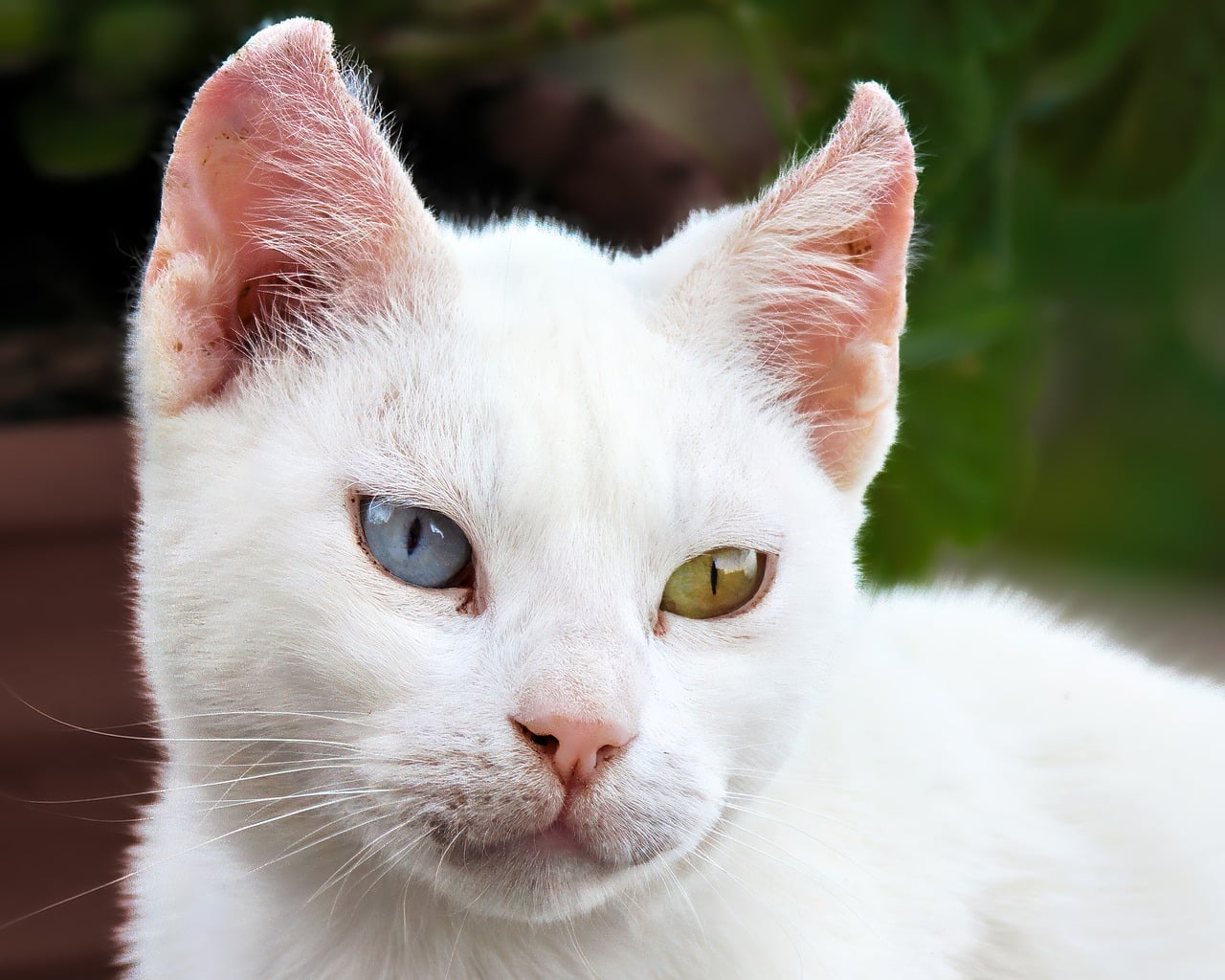
Cats with two strikingly different coloured eyes are among most visually remarkable and recognisable felines in world, instantly capturing attention their unusual appearance. This fascinating genetic trait, medically known as heterochromia iridium or heterochromia, describes condition where cat has irises of two distinctly different colours—typically one blue eye paired with green, yellow, amber, or copper eye, creating striking and often stunning visual contrast. Whilst many cat owners naturally admire this unique beautiful appearance, some wonder whether heterochromia might affect cat's vision, overall health, or quality life. Understanding heterochromia important because whilst most cases completely harmless and purely result of inherited genetics passed through family lines, there are circumstances where sudden unexpected change in eye colour during adulthood can indicate underlying serious medical problem requiring prompt veterinary attention and treatment. Congenital heterochromia, present from kittenhood, genetically determined and stable throughout cat's life, poses no threat to health or vision. However, acquired heterochromia—eye colour changes developing later life—warrants careful evaluation as may signal serious eye diseases like glaucoma, uveitis, or other conditions requiring urgent treatment prevent vision loss. This distinction between normal inherited trait and potential disease indicator essential knowledge every cat owner, particularly those with white cats where connection between blue eyes, heterochromia, and congenital deafness exists though commonly misunderstood.
This comprehensive guide explains what heterochromia is and different types exist, explores fascinating genetics determining eye colour through melanin distribution and white genes, identifies cat breeds most commonly exhibiting this trait, clarifies important distinction between congenital harmless heterochromia and acquired heterochromia signalling disease, addresses important connection between heterochromia, blue eyes, white coats and congenital deafness risk, discusses vision and health implications, provides guidance on when eye colour changes require veterinary evaluation, and dispels common myths about odd-eyed cats.
Understanding Heterochromia in Cats
What Is Heterochromia?
Heterochromia condition where cat has two distinctly different coloured irises, most commonly one blue eye paired with green, yellow, amber, or copper eye.
- Technical term: Heterochromia iridium; also called "odd-eyed" cats
- The iris: Coloured part eye surrounding pupil; controls amount light entering eye
- Common presentation: One blue eye contrasting distinctly with differently coloured other eye
- Striking appearance: Creates visually distinctive and often admired appearance
- Usually harmless: Most cases purely genetic trait causing no health or vision problems
Types of Heterochromia
- Complete heterochromia: Most common form; each eye is completely different colour (e.g., one blue eye, one green eye)
- Sectoral heterochromia: Also called partial heterochromia; only portion of one iris differs in colour, creating two colours within single eye
- Central heterochromia: Inner ring of iris differs colour from outer portion; least common form
The Genetics Behind Eye Colour
How Eye Colour Develops
Eye colour determined by genetics, specifically amount and distribution of melanin, pigment responsible for iris colouration.
- Melanin role: Brown pigment controlling darkness of iris; more melanin equals darker eyes
- Blue eyes: Result from little or no melanin in iris; blue appearance actually light reflecting through clear iris
- Green, yellow, amber eyes: Result from moderate melanin levels
- Brown eyes: Result from high melanin levels
- OCA2 gene: Produces protein regulating melanin production; primary gene determining eye colour
- All kittens born blue: All kittens initially have blue eyes due to lack pigment; colour develops over weeks months as melanin distributes
The White Gene and Heterochromia
Key genetic factor heterochromia; white genes affect melanin distribution throughout body including eyes.
- Dominant white (W) gene: Makes cat completely solid white; masks other colour genes
- White spotting gene: Responsible for bicolour coats (tuxedo cats, black and white patterns)
- How they work: These genes prevent melanin (pigment) from reaching developing tissues during embryonic development
- Unequal distribution: Sometimes genes prevent melanin reaching one eye whilst allowing it reach other eye
- Result: One eye remains blue (lacks melanin) whilst other develops pigment and different colour
- Not all white cats: Not every white cat has heterochromia; genetics determining eye colour complex
The Orange Gene
- Secondary factor: O gene (Orange gene) influences coat colour and indirectly affects eye colour
- Green/amber eyes: Cats with O gene more likely have green, amber, or copper eyes
- Interaction: White genes and O gene interact determining final eye colours
Which Cat Breeds Are Most Affected
Heterochromia more common certain breeds, particularly those with white coats or white spotting.
- Turkish Van: Commonly exhibits heterochromia trait
- Turkish Angora: Known for striking odd-eyed cats
- Khao Manee: "White gem" breed with high prevalence heterochromia
- Persian: White Persians frequently display this trait
- Japanese Bobtail: Breed standard allows heterochromia
- British Shorthair: Occasionally exhibits heterochromia particularly white individuals
- Domestic white cats: White-coated cats general population show higher likelihood heterochromia
- Any breed possible: Whilst more common certain breeds, any cat carrying white genes potentially develop heterochromia
Is Heterochromia Inherited?
Yes; most cases heterochromia caused by inherited genes passed through cat family lines.
- Genetic inheritance: Genes affecting pigment distribution inherited from parents
- White gene connection: Genes responsible white fur and blue eyes often involved in heterochromia
- Not guaranteed: Not every white cat has heterochromia; genetics complex and unpredictable
- Multiple genes: Several different genes can cause blue eyes and heterochromia independently of white coat colour
- Breeding implications: Cats displaying heterochromia may pass trait to offspring if carrying relevant genes
Does Heterochromia Affect Vision or Health?
Vision Impact
Usually not; cats with congenital heterochromia generally have completely normal vision.
- Normal sight: Eye colour difference alone does not reduce eyesight
- Normal depth perception: Cats navigate space perfectly normally
- Normal pupil function: Both pupils function properly respond light appropriately
- No discomfort: Heterochromia causes no physical discomfort or irritation
- Quality life: Cats live completely normal, healthy, active lives
Heterochromia and Deafness Connection
Important but often misunderstood: heterochromia itself does NOT cause deafness; however, white cats with blue eyes have increased congenital deafness risk.
- Common misconception: Many believe all odd-eyed cats deaf; this FALSE
- Actual risk: White cats with one blue eye approximately 40% chance deafness on same side as blue eye
- Two blue eyes: White cats with both blue eyes nearly always completely deaf
- Non-white cats: Cats without white coat extremely low deafness risk even with heterochromia
- Shared genetics: Same white genes preventing melanin reaching eye also prevent melanin reaching inner ear structures, potentially causing hearing loss
- Not guaranteed: Not all white cats with blue eyes deaf; genetic inheritance complex
- Testing available: BAER-testing (Brainstem Auditory Evoked Response) can definitively test hearing in cats
- Unilateral deafness: When heterochromia cat deaf, usually affects only ear on blue-eye side
Congenital versus Acquired Heterochromia
Congenital Heterochromia
- Present kittenhood: Visible from birth or early weeks development
- Genetic origin: Purely inherited trait
- Stable throughout life: Eye colours remain consistent never change
- No treatment needed: Completely harmless requires no medical intervention
- Hereditary: Can be passed to offspring if parents carry relevant genes
Acquired Heterochromia
Eye colour changes developing adulthood; always warrants veterinary evaluation.
- When it occurs: Sudden colour change during adulthood NOT normal
- Potential causes: Uveitis (eye inflammation), glaucoma (elevated eye pressure), eye injuries, tumours, bleeding inside eye, cataracts, infections
- Medical emergency: Any sudden eye colour change requires prompt evaluation
- Associated symptoms: May accompany redness, pain, squinting, cloudiness, discharge, vision changes
- Requires treatment: Unlike congenital form, acquired heterochromia indicates underlying disease requiring specific treatment
When to Seek Veterinary Care
Signs Requiring Immediate Attention
- Sudden colour changes: Any unexpected change eye colour adulthood
- Eye redness: Inflamed or bloodshot appearance
- Eye pain: Squinting, excessive blinking, pawing at eye, sensitivity light
- Cloudiness: Hazy or opaque appearance cornea lens
- Bulging eye: Eye appearing protruding or swollen
- Discharge: Watery, clear, or thick yellow-green discharge
- Vision loss: Apparent difficulty seeing, bumping into objects
- Eye swelling: Visible swelling around eye area
Diagnostic Procedures
If sudden eye colour change occurs, veterinarian may perform:
- Complete eye examination: Thorough assessment all eye structures
- Fluorescein stain: Identifying corneal ulcers scratches
- Tonometry: Measuring eye pressure identifying glaucoma
- Slit-lamp examination: Magnified detailed examination iris cornea
- Blood tests: Ruling out systemic disease
- Ultrasound: Visualising internal eye structures when needed
Treatment and Management
Congenital Heterochromia
- No treatment needed: Completely harmless genetic trait
- Normal care only: Routine veterinary check-ups, preventative care
- White cats monitoring: White cats with blue eyes should monitored for hearing difficulties
- Eye protection: Standard eye care preventing injury infection
Acquired Heterochromia
- Depends on diagnosis: Treatment varies underlying cause
- Eye drops: Antibiotics, anti-inflammatory medications prescribed as needed
- Medications: Glaucoma treatment, pain relief, other condition-specific medications
- Surgery: Severe cases may require surgical intervention
- Specialist referral: Complex cases may require veterinary ophthalmologist
Common Myths About Heterochromia
Myth: All Odd-Eyed Cats Are Deaf
False. Whilst white cats with blue eyes higher deafness risk, many have completely normal hearing. Non-white cats with heterochromia extremely low deafness risk.
Myth: Heterochromia Is a Disease
False. Congenital heterochromia purely genetic variation, not illness or disease.
Myth: Cats With Different Eye Colours Cannot See Properly
False. Most odd-eyed cats have completely normal vision unaffected by eye colour difference.
Myth: Heterochromia Always Present at Birth
False. Whilst most cases congenital, acquired heterochromia develop later life from disease or injury.
Heterochromia condition where cat has two distinctly different coloured irises, most commonly one blue eye paired with green, yellow, amber, or copper eye. Complete heterochromia (entire eye different colour) most common form; sectoral (partial) and central heterochromia less common. Eye colour determined by genetics, specifically melanin distribution controlled OCA2 gene and white genes (dominant white, white spotting gene). Blue eyes result from little or no melanin; other colours from varying melanin levels. All kittens born blue eyes; colour develops weeks months as melanin distributes. Most common certain breeds (Turkish Van, Turkish Angora, Khao Manee, Persian, Japanese Bobtail, white domestic cats) but any cat carrying white genes potentially develop heterochromia. Inherited genetic trait passed through family lines. Congenital heterochromia harmless, present kittenhood, stable throughout life, causes no vision problems or health issues. Cats normal sight, depth perception, pupil function. Important distinction: acquired heterochromia (eye colour changes during adulthood) always warrants veterinary evaluation indicates underlying eye disease like glaucoma, uveitis, cataracts, injury. White cats with blue eyes have increased congenital deafness risk (40% with one blue eye, nearly 100% with both blue eyes) due shared genetics preventing melanin reaching both eyes and inner ear structures, NOT heterochromia itself causing deafness. Non-white cats with heterochromia have very low deafness risk. Not all white cats with blue eyes deaf; BAER-testing available diagnose hearing. Requires no treatment congenital form; acquired heterochromia requires specific treatment underlying cause. Common myth all odd-eyed cats deaf FALSE. Prevention impossible inherited trait; however, acquired eye diseases prevented through prompt treatment eye injuries, infections, routine veterinary care. Any sudden eye colour change, redness, pain, cloudiness, vision loss requires immediate veterinary evaluation.
This guide based on research from Cats Protection, Purrz, Cat Tree UK, Catster, A-Z Animals, BasePaws, Wikipedia, Meowant, peer-reviewed veterinary journals, Hearing Health & Technology Matters, ScienceDirect. Melanin definition: brown pigment produced melanocytes; determines darkness colour iris; present varying concentrations creating eye colour differences. Tapetum lucidum: reflective layer behind retina enhancing night vision; contributes to how light reflects off eye affecting apparent eye colour. Blue eye reflection: blue colour not pigment but light reflection through colourless iris; absence of melanin allows light scatter creating blue appearance. White gene genetics: dominant white (W) gene masks other colour genes, affects pigment distribution body including eyes coat. Waardenburg syndrome: human genetic condition causing white spotting, heterochromia, and hearing loss; white cats with blue eyes similar pigment disruption. Melanocyte migration: during embryonic development, melanocytes migrate from neural crest colonise various tissues including eye iris inner ear structures; disrupted migration white genes results blue eyes and potential hearing loss. BAER-testing explanation: Brainstem Auditory Evoked Response testing measures electrical activity brain response sound; definitively determines hearing ability. Congenital sensorineural deafness (CSD): permanent hearing loss present birth resulting from inner ear (cochlea) developmental problems; associated white coat genetics not heterochromia itself. Unilateral deafness odds-eyed cats: when deaf, deafness usually affects ear on blue-eye side suggesting localized pigment development disruption that side head. Heritability: approximately 1 in 1,000 cats general population have heterochromia; much more common white cats. Breed-specific traits: some breeds (Foreign White, Ojos Azules) can have blue eyes without deafness risk despite white coats due different genetic mechanisms. Genetic testing: DNA testing now available some breeds identify deafness predisposition.