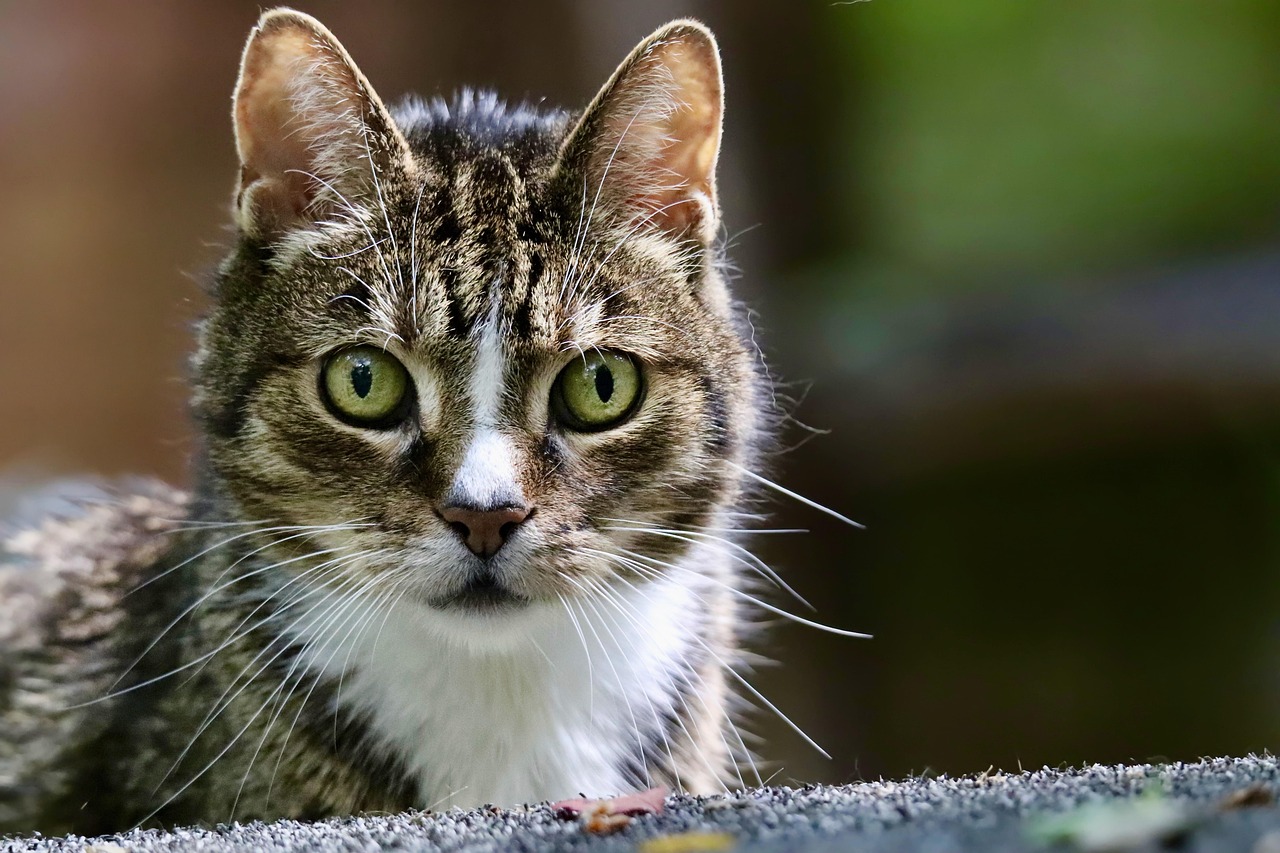
Cats may appear confident and independent, living comfortably in our homes, yet they remain naturally cautious and easily frightened animals. This seemingly contradictory nature stems from their evolutionary heritage—cats evolved as both efficient predators and vulnerable prey, making fear a crucial survival mechanism deeply embedded in their psychology. Understanding what scares your cat and why they react to specific triggers is essential for reducing stress, preventing behavioural issues, and significantly improving their overall wellbeing and quality of life. Fear in cats is not weakness or personality flaw—it is an instinctive, adaptive response that once protected their wild ancestors from threats and remains active in modern domestic cats.
This comprehensive guide explores the psychological reasons why cats get scared easily, identifies the most common fear triggers affecting domestic cats, explains the physiological and evolutionary basis for each fear, describes recognisable signs of fear and anxiety, provides practical strategies for helping a scared cat, addresses when fear becomes a serious behavioural or health problem, and offers expert-backed techniques for building your cat's confidence. By understanding your cat's fears thoroughly, you can create a safer, less stressful environment that promotes emotional security and strengthens your relationship.
Why Cats Get Scared Easily
Evolutionary Wiring for Survival
Cats are naturally prone to fear because they evolved with several physiological traits that make them hyper-responsive to threats:
- Exceptional hearing: Cats can hear frequencies up to 64,000 Hz (humans max out around 20,000 Hz), and their hearing is three to four times more sensitive than human hearing
- Rapid threat detection: Their nervous systems have evolved to produce immediate physiological stress responses to potential dangers
- Movement-sensitive vision: Cats are extraordinarily aware of motion, which once helped them detect prey and predators
- Heightened sense of smell: Detecting unfamiliar or threatening scents triggers immediate caution
The Predator-Prey Dilemma
Uniquely, cats are simultaneously predators and prey. In the wild, they hunt smaller animals but can be hunted by larger predators. This dual consciousness creates a psychology oriented toward both hunting success and self-preservation. Even the most pampered indoor cat retains this survival programming.
Loud Noises: The Most Common Fear
Why Loud Noises Terrify Cats
Loud or sudden noises are the most widespread fear trigger affecting domestic cats, affecting cats of all temperaments and backgrounds. The sensitivity stems directly from feline hearing capabilities: what sounds like a moderate vacuum cleaner noise to humans registers as a deafening roar to a cat. Sudden, unpredictable noises are particularly frightening because cats cannot identify the source or assess whether it represents actual danger.
Common Noise Triggers
- Vacuum cleaners and other household appliances
- Thunderstorms and sudden weather sounds
- Fireworks and firecrackers
- Loud music or shouting
- Doors slamming suddenly
- Objects dropping or breaking
- High-pitched sounds (whistling, microwave beeps)
The Neurobiology of Noise Fear
Loud noises trigger the fight-or-flight response in cats: When a cat hears an unexpected sound, their nervous system immediately activates stress hormone release (adrenaline and cortisol), preparing the body for rapid escape. This is adaptive in nature but becomes problematic in domestic environments where escape is impossible and the sound poses no actual threat.
Strangers and Unfamiliar People
Territorial Cautiousness
Cats are deeply territorial animals, and new people entering their territory represent an unpredictable variable in their carefully controlled environment. Unfamiliar humans introduce unknown scents, unpredictable behaviours, and potential threats to a cat's sense of security.
Recognisable Signs of Stranger Anxiety
- Immediate hiding or retreating to high or enclosed spaces
- Avoiding eye contact or looking away
- Hissing, growling, or defensive posturing
- Flattened ears and tucked tail
- Refusing food or ignoring treats
Socialisation and Past Experiences
Cats have a critical socialisation window between 2 and 7 weeks of age. Kittens who have positive, repeated experiences with different people during this period are significantly more likely to accept strangers as adults. Conversely, cats lacking early socialisation or those with negative experiences (such as rough handling or frightening encounters) develop more pronounced stranger anxiety.
New Environments and Routine Changes
Routine: The Foundation of Feline Security
Cats thrive on predictability and routine. Unlike humans who seek novelty and variety, cats find comfort and security in knowing exactly what to expect. Anything disrupting their established routine triggers fear and anxiety.
Common Environmental Stressors
- Moving house: Complete loss of familiar territory and scents
- Rearranging furniture: Changes to the physical layout of their space
- Visiting new places: Veterinary clinics, boarding facilities, unfamiliar homes
- Schedule changes: Alterations to feeding times or owner routines
- Home renovations: Construction noise and physical changes
Why Environmental Changes Trigger Fear
Environmental changes disrupt the cat's sense of control, which is psychologically crucial. When a cat cannot reliably predict their surroundings, they experience chronic stress and anxiety. This is why even seemingly minor changes (rearranging furniture) can trigger noticeable behavioural shifts.
Other Animals
Territorial and Predatory Responses
Cats can fear other animals for several overlapping reasons:
- Dogs: Larger size, unpredictable behaviour, and natural prey drive (dogs chase small moving animals) trigger fear in many cats
- Other cats: Territorial conflict and potential for aggressive encounters, especially if the resident cat lacks socialisation experience
- Unknown animals: Any unfamiliar animal represents an unpredictable threat
The Role of Past Experiences
A single negative encounter can create lasting fear: A cat who was chased or injured by a dog may develop permanent canine fear. Similarly, a cat who suffered territorial aggression from another cat may remain permanently anxious around unfamiliar felines.
Water
Why Cats Fear Water
Many cats have an instinctive aversion to water, though not all cats fear it equally. Several factors contribute to this fear:
- Loss of body temperature regulation: Wet fur reduces a cat's ability to regulate body temperature through insulation
- Loss of mobility and control: Water inhibits movement and makes rapid escape more difficult
- Evolutionary background: Domestic cats descended from African wildcats adapted to dry environments with minimal water exposure
- Lack of early exposure: Kittens not exposed to water during socialisation period are more likely to fear it
Important Distinction
Water fear varies dramatically among individuals: Some cats willingly play with water or tolerate baths. The key factor is early positive exposure—kittens who have gentle, positive experiences with water during socialisation typically develop less fear or even enjoyment of water play.
Sudden Movements and Unexpected Objects
Predator Awareness
Cats' brains are exquisitely tuned to detect movement, a trait that served their hunting ancestors well. This same sensitivity means sudden or unexpected movements register as potential threats. A quickly moving hand, a toy appearing suddenly, or an object falling can trigger immediate fear responses.
Common Movement-Related Triggers
- Quick hand movements toward a cat
- Toys appearing suddenly without warning
- Objects falling or being dropped
- Someone jumping or moving abruptly near a cat
- Flailing movements during play
Car Rides and Travel
Multiple Stress Factors Combined
Car travel combines several fear triggers into one traumatic experience:
- Confinement in a carrier (loss of control and escape routes)
- Motion unfamiliarity (cats lack experience with vehicle movement)
- Strange smells (car interior, exhaust, unfamiliar locations)
- Loud or unusual noises (engine, traffic)
- Association with negative outcomes (vet visits, teeth cleaning)
Behavioural Signs of Travel Stress
- Excessive vocalisation or distressed meowing
- Panting or rapid breathing
- Hiding or refusing to leave the carrier
- Drooling or vomiting
- Inappropriate elimination (urination or defecation)
Strong Smells
Olfactory Sensitivity
Cats possess an extraordinarily powerful sense of smell, estimated at 9 to 16 times more sensitive than human smell. Strong scents that humans find merely fragrant can feel overwhelming or threatening to cats.
Common Scent Triggers
- Citrus (lemons, oranges, limes)
- Chemical cleaning products
- Perfumes and colognes
- Menthol or mint products
- Other animals' scents (particularly dogs or unfamiliar cats)
Scent as Information
For cats, smell is crucial communication. Unfamiliar, strong, or distressing scents trigger caution. Additionally, the scents of predatory animals or stressed/fearful cats activate threat response in even the most confident feline.
Sudden Changes in Routine
Predictability as Psychological Foundation
Cats rely heavily on consistent routines for psychological security. Disruptions to established patterns create anxiety and stress:
- Feeding schedule changes: Unpredictable meal times create anxiety
- Owner absence or schedule shifts: Changes to owner availability trigger separation-related stress
- Different sleeping arrangements: Changes to sleeping locations or bed sharing
- Activity pattern changes: Alterations to playtime or routine interactions
Stress Manifestations
Chronic routine disruption can lead to:
- Changes in appetite (eating more or less)
- Altered grooming patterns (overgrooming or neglect)
- Inappropriate elimination (litter box avoidance)
- Behavioural changes (aggression, withdrawal, excessive vocalization)
Recognising Fear in Cats
Physical Signs of Fear
Cats display fear through distinct physical manifestations:
- Ear position: Ears flattened back against the head or rotated backwards
- Pupil dilation: Significantly enlarged pupils
- Fur: Puffing up or standing on end (piloerection)
- Body posture: Lowered, crouched position or arched back
- Tail: Tucked between back legs or held low
- Whiskers: Pulled back against the face
Behavioural Signs
- Hiding: Seeking enclosed or elevated spaces
- Freezing: Complete immobility, trying to become unnoticed
- Fleeing: Rapid escape from the fear-triggering situation
- Defensive aggression: Hissing, swatting, or striking (only when escape is impossible)
- Excessive vocalization: High-pitched meowing or crying
Subtle Signs Often Missed
Cats hide fear and anxiety remarkably well, making detection difficult. Watch for:
- Reduced appetite or refusing treats
- Excessive grooming or overgrooming (potentially causing hair loss)
- Changes in litter box usage patterns
- Reduced interest in play or interaction
- Changes in sleep patterns
How to Help a Scared Cat
Environmental Management Strategies
- Provide multiple safe spaces: Accessible hiding spots at various heights (shelves, cat trees, enclosed boxes, closets)
- Maintain consistent routine: Keep feeding times, play schedules, and interactions predictable
- Introduce changes gradually: New people, pets, or environmental changes should be introduced slowly and positively
- Create quiet zones: Designate quiet areas away from household noise and activity
- Use appropriate lighting: Provide dim lighting options and respect preferences for darkness
Behaviour Modification Techniques
- Desensitisation: Gradually introducing fear triggers at low volumes or from safe distances, paired with positive experiences (treats, play)
- Counterconditioning: Creating positive associations with previously frightening stimuli
- Positive reinforcement: Rewarding calm, brave behaviour with treats and praise
What NOT to Do
- Never punish fear: Punishment increases anxiety and damages trust
- Avoid forced interaction: Never force a scared cat to interact with people or situations
- Don't over-comfort: Excessive reassurance can reinforce fearful behaviour
- Avoid repeating "it's OK": Cats perceive stress in high-pitched, rapid reassurance
When Fear Becomes a Problem
Signs Professional Help Is Needed
Consult a veterinarian or certified animal behaviourist if:
- Fear is chronic and affects daily functioning
- Your cat shows signs of chronic stress (overgrooming causing hair loss, self-mutilation)
- Fear-related aggression develops
- Litter box aversion or inappropriate elimination occurs
- Appetite changes or weight loss occur
- Behavioural changes appear suddenly without obvious cause
Professional Treatment Options
A veterinary behaviourist may recommend:
- Anti-anxiety medication: Short-term medications to support behaviour modification efforts
- Pheromone therapy: Synthetic feline pheromone diffusers (Feliway) to reduce stress
- Formal desensitisation programme: Structured, professional-guided exposure therapy
- Environmental assessment: Detailed evaluation and modification of stressors
Fear in cats is natural, adaptive, and rooted in their evolutionary heritage as both predators and prey. Cats are easily frightened due to exceptional sensory sensitivity (hearing, vision, smell) and dependence on routine and predictability. Common fears include loud noises (most prevalent), strangers, new environments, other animals, water, sudden movements, car travel, strong scents, and routine changes. Fear manifests through physical signs (flattened ears, dilated pupils, puffed fur, crouched posture) and behavioural signs (hiding, freezing, fleeing, defensive aggression). Cats hide fear remarkably well, and owners often miss subtle signs until fear becomes severe. Help scared cats by providing safe spaces, maintaining consistent routines, avoiding punishment, using gradual desensitisation, and respecting their pace. Never force interaction or over-comfort fearful behaviour. Professional veterinary help is essential if fear becomes chronic, affects functioning, triggers aggression, or causes stress-related health problems. Early kitten socialisation (2-7 weeks) significantly reduces fear likelihood in adulthood. A secure, comfortable cat with minimal fear and predictable environment experiences better physical health, fewer behavioural problems, and a stronger relationship with their owner.
This guide is based on feline behaviour research, veterinary behavioural medicine, and animal psychology. Fear and anxiety are common in domestic cats and, when properly understood and managed, are entirely addressable. Never assume your cat is simply being difficult or stubborn—fear-based behaviours reflect genuine anxiety rooted in evolutionary survival mechanisms. Individual cats vary dramatically in fear sensitivity based on genetics, early experiences, and current environment. If your cat shows signs of chronic fear or anxiety, consult your veterinarian promptly. Early intervention prevents escalation to serious behavioural and health problems. Patience, understanding, and environmental modification are more effective than punishment or force in helping scared cats build confidence.