Training a scared or anxious cat presents unique challenges that require fundamentally different approaches than training confident, naturally responsive cats. Many owners assume that cats cannot be trained or that fearful cats are impossible to work with, but the reality is considerably more nuanced. Scared cats can absolutely be trained—they simply require patience, understanding of fear-based behaviour, recognition that trust must be built before training can occur, and training methods specifically designed to work with anxiety rather than against it. Training a fearful cat is not about forcing compliance or pushing the cat beyond comfort zones; rather, it is about building trust, creating positive associations, working at the cat's pace, and gradually expanding the cat's comfort zone through repeated positive experiences. Understanding the root causes of feline fear, recognising how fear manifests in cat behaviour, knowing which training approaches work with fearful cats versus those that backfire, and having realistic expectations about the timeline for progress allows you to work effectively with your scared cat and actually strengthen your relationship through the training process.
This comprehensive guide explains the roots of feline fear and anxiety, describes how scared cats behave and communicate stress, addresses common myths about training scared cats, explores training approaches that work with fear rather than against it, provides practical step-by-step training strategies for scared cats, discusses setbacks and how to handle them, and offers guidance on when professional help is appropriate. By understanding scared cat training, you can help your fearful cat become more confident, more willing to engage, and ultimately happier.
Understanding Feline Fear: Why Cats Become Scared

Sources of Feline Fear and Anxiety
Understanding why a cat is fearful is essential to training them effectively. Fear in cats stems from multiple sources including early life trauma or abuse (rescue cats and cats with histories of mistreatment often carry lasting fear responses from traumatic experiences), lack of early socialisation (cats not exposed to varied stimuli, people, and situations during critical early periods develop fear of unfamiliar things), negative past experiences (a single frightening or painful event can create lasting fear associations like veterinary visit causing pain or loud noise during sensitive period), genetic predisposition (some cats are naturally more anxious or fearful due to temperament and genetics), sudden environmental changes (moving to a new home, loss of a bonded companion, or major household changes trigger fear responses), medical issues causing pain (chronic pain or illness makes cats more withdrawn and fearful), and excessive stimulation (overstimulation from noise, activity, or handling causes anxiety in sensitive cats). Fear in cats is a genuine emotional and physiological response, not wilfulness or defiance; a scared cat is not choosing to be difficult but experiencing genuine anxiety and distress—this distinction is crucial because it changes how you approach training. Fear-based behaviour includes hiding, freezing, running away, trembling, hissing, swatting defensively, and refusing to engage—these are fear responses, not intentional misbehaviour.
How Scared Cats Behave: Recognising Fear and Stress Signals

Body Language of Fearful Cats
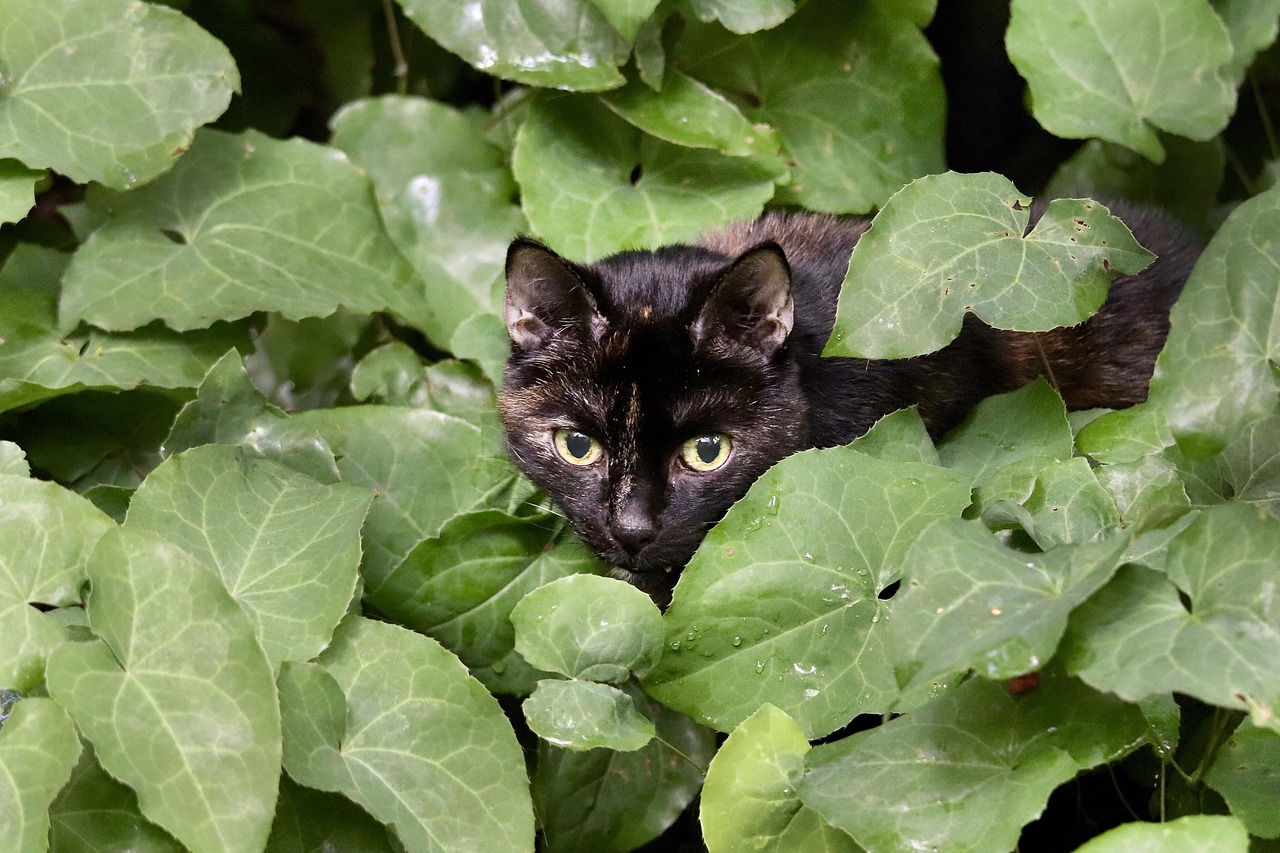
Recognising fear signals allows you to understand your cat's emotional state and adjust your approach accordingly. Physical signs of fear and anxiety include body posture (crouching low, making body small, or pressed against walls or furniture), tail position (tucked tightly under the body or puffed out from piloerection), ear position (ears flattened back against the head or rotated backward), eye appearance (wide dilated pupils, intense staring, or half-closed eyes avoiding eye contact), whiskers (pulled back toward the face indicating fear versus forward whiskers indicating confidence), and mouth (closed tightly, or mouth open in hiss or silent meow).
Behavioural Signs of Fear
Behavioural signs include hiding (spending excessive time hiding in secure spaces, avoiding open areas), freezing (becoming completely still and unresponsive when frightened), running away (fleeing from perceived threats or unfamiliar situations), defensive aggression (hissing, swatting, or attacking as defensive response to fear, not true aggression), excessive grooming (over-grooming or self-soothing behaviours indicating stress), avoidance (actively avoiding specific people, situations, or locations associated with fear), loss of appetite (fear suppresses appetite; scared cats may refuse to eat), and litter box avoidance (stress-related inappropriate elimination when cat avoids frightening bathroom locations). Fearful cats may remain silent, produce quiet meows, hiss, growl, or cry out; some scared cats are completely silent whilst others vocalise their distress.
Common Myths About Training Scared Cats

Myth 1 claims scared cats cannot be trained—this is false; scared cats absolutely can be trained though training requires different approaches than training confident cats. Fear-based training methods differ from confidence-based training, but training is absolutely possible. Myth 2 claims you must "push through" the cat's fear—this is false; forcing scared cats into frightening situations actually reinforces fear and damages trust with effective training working gradually and respecting the cat's fear whilst slowly expanding comfort zones through positive experiences. Myth 3 claims scared cats will "eventually get over it" without intervention—this is false; without intervention, fear often becomes more entrenched over time as repeated negative experiences strengthen fear associations, requiring active training and positive experiences for improvement. Myth 4 claims you cannot use food rewards with scared cats—this is false; even scared cats are motivated by food though they may need higher-value treats and lower-stress environments to eat with finding appropriate motivators being key. Myth 5 claims training requires the cat to be willing and interested—this is true but scared cats can become willing through patient relationship-building; the training process itself builds willingness.
Building Trust: The Foundation of Training Scared Cats

Trust Must Precede Training
With scared cats, building trust is the primary goal; training specific behaviours comes later. Without trust, all training attempts fail. What trust looks like is a cat that trusts you approaching you voluntarily, accepting gentle handling without fear, making eye contact, and remaining calm in your presence.
Building Trust With Scared Cats
Trust-building strategies include respecting the cat's comfort zones (allow the cat to remain in safe spaces, do not force interaction, let the cat approach you on their timeline), consistent predictable behaviour (be calm, gentle, and predictable with sudden movements or loud noises increasing fear), speak softly (use a calm, quiet voice as loud talking frightens scared cats), slow movements (move deliberately and slowly around scared cats as quick movements trigger fear responses), never force handling (forcing a scared cat to be held or touched damages trust and let the cat initiate contact), provide food consistently (regular feeding creates positive associations and demonstrates care), spending time nearby (simply being present in the same room, not forcing interaction, builds familiarity and trust over time), rewarding approach behaviour (when the cat approaches you, reward immediately with treats or gentle praise), creating safe spaces (providing hiding spots, elevated perches, and secure areas where the cat feels safe), and patience and time (trust building takes weeks or months with no rushing this process). Depending on severity of fear and cat's history, trust building may take weeks to many months; a cat that has experienced abuse may require months of consistent, gentle interaction before meaningful trust develops requiring essential patience.
Training Approaches That Work With Fear

Positive Reinforcement: The Only Effective Approach for Scared Cats
Positive reinforcement (rewarding desired behaviours) is the only training approach that works with scared cats; punishment, coercion, or forcing compliance backfires catastrophically with fearful cats, increasing fear and damaging trust. When the cat exhibits any desired behaviour (approaching you, accepting a treat, allowing touch), you immediately reward with something the cat values (food, gentle praise, play); the cat learns that this behaviour results in positive outcomes, motivating future repetition.
Desensitisation: Gradual Exposure to Fear Triggers
Desensitisation involves gradually exposing the cat to fear triggers at intensities low enough not to trigger fear response, slowly increasing intensity as comfort develops. A cat afraid of the vacuum cleaner might begin by seeing the vacuum from across the room (not on) whilst receiving treats; over days or weeks, the vacuum gradually moves closer and eventually turns on at low volume, always paired with rewards, eventually making the cat associate the vacuum with treats rather than fear. The exposure level must stay below the fear threshold; if the cat becomes frightened, you have proceeded too quickly.
Counter-Conditioning: Changing Emotional Associations
Counter-conditioning involves pairing fear triggers with positive experiences, changing the emotional association from fear to positive. A cat afraid of people might receive special treats only when people are present, creating positive associations with human presence rather than fear.
Clicker Training for Scared Cats
Clicker training uses a distinct sound (a click) to mark the exact moment the cat performs a desired behaviour, followed immediately by reward. The click clearly marks what behaviour earned the reward, making the training communication very clear; scared cats find the clarity and predictability of clicker training less confusing than other methods. The training process includes first building an association between the click and rewards by clicking and immediately giving a treat (many repetitions), then once the cat associates click with reward, beginning to click when the cat performs desired behaviours, and always following the click with a reward.
Practical Training Steps for Scared Cats

Step 1: Identify Appropriate Rewards
Different cats are motivated by different things so determining what your cat values most is essential. Potential rewards include high-value treats (small pieces of chicken, salmon, special cat treats), favorite toys, gentle praise, or brief petting (if the cat tolerates it). Experimenting to identify what genuinely excites your cat provides your primary training tool.
Step 2: Start With Easy Wins
Rather than teaching new behaviours, start by rewarding behaviours the cat already does naturally including approaching you, eating treats, walking past you, making eye contact, or sitting. Easy wins build the cat's confidence in the training process and create positive associations with you as a reward-giver.
Step 3: Keep Sessions Brief
With scared cats, keep training sessions very short—2-5 minutes maximum as scared cats have limited tolerance for interaction. Multiple brief sessions throughout the day are more effective than one long session. Always end training sessions on a positive note, with a success the cat feels good about.
Step 4: Work at the Cat's Pace
Each cat has their own timeline; some progress quickly whilst others take weeks or months with respecting individual pace being essential. If the cat shows signs of fear or stress, you have proceeded too quickly; return to an easier step and progress more slowly.
Step 5: Reward Heavily and Often
In early training with scared cats, reward almost every correct behaviour as this establishes strong associations between the behaviour and positive outcomes. Use the highest-value rewards during initial training; less valuable rewards can be used once the behaviour is well-established.
Step 6: Generalise the Behaviour
Once the cat performs a behaviour reliably in one location, practice in different areas to generalise the behaviour. Once the cat performs with you, have other family members reward the same behaviour, helping the cat generalise to others.
Specific Training Goals for Scared Cats
Training to Accept Handling
The goal is allowing gentle touch and brief handling without fear through beginning by rewarding the cat for being near you, progressing to rewarding brief, gentle touches on non-sensitive areas (back, sides), gradually increasing touch duration, and eventually including petting and grooming. This may take weeks or months depending on severity of fear.
Training to Come When Called
The goal is cat responding to their name or a specific call signal by approaching through using a distinct, consistent call signal (their name or a specific sound), immediately rewarding when the cat approaches even partially, repeating hundreds of times to build strong association, and gradually increasing distance and distractions.
Training to Use Litter Box in Different Locations
The goal is comfortable using litter trays in various locations despite anxiety by placing highly valuable rewards near and in the litter tray, building positive associations with the location.
Handling Setbacks and Regression

Understanding Setbacks
Training scared cats is not linear progress; setbacks occur when new stressors appear or the cat regresses to previous fear levels. Common causes of setbacks include new environmental stressors (loud noises, new people, changes in routine), negative experiences (painful veterinary visit, frightening incident), proceeding too quickly in training, and changes in the cat's health or comfort level.
Responding to Setbacks
Identify the cause by asking what triggered the regression, return to easier steps by going back to training stages the cat had mastered, increase rewards by providing higher-value rewards during setback periods, increase patience as recovery from setbacks may take time, and reduce pressure by lowering training expectations and focusing on comfort and trust rather than new behaviours. Setbacks are setbacks, not failures; they are normal parts of training scared cats and do not indicate that training is not working.
When Professional Help Is Appropriate

Consider professional help if your cat's fear is severe and shows no improvement after several months of consistent training, the cat is engaging in self-harm, excessive elimination outside the litter box, or other serious behavioural issues, you are unsure about the underlying cause of the fear or anxiety, you feel frustrated or uncertain about your training approach, or the cat may have medical issues contributing to fear or anxiety. Types of professional help include certified feline behaviourist specialising in cat behaviour and developing individualised training plans, veterinary behaviourist—a veterinarian with additional training in behaviour—who can assess medical contributions and recommend medications if appropriate, and veterinarian who can rule out medical causes of fear or anxiety and recommend calming supplements or medications.
Managing Expectations and Celebrating Progress
Training scared cats requires realistic expectations and celebration of small wins. The goal is not to transform a fearful cat into a super-confident cat; rather, the goal is to help the cat feel safer, more confident, and more willing to engage with their world with small improvements representing genuine progress. What progress looks like includes the cat approaching you more often, remaining calm slightly longer, accepting gentle touch, showing interest in toys, or using the litter box in more locations—these are meaningful victories. Acknowledging and celebrating small improvements encourages continued progress and helps you recognise that training is working even if changes are gradual.
Training scared cats is absolutely possible and requires different approaches than training confident cats, focusing on building trust before training specific behaviours. Fear in cats stems from early trauma or lack of socialisation, negative past experiences, genetic predisposition, environmental changes, medical issues, or overstimulation—fear is genuine emotional response, not stubbornness or defiance. Scared cats display fear through body language (crouching, tucked tail, flattened ears, dilated pupils, pulled-back whiskers), behavioural signs (hiding, freezing, running, defensive aggression, excessive grooming, avoidance, appetite loss, litter box avoidance), and varying vocalisation. Common myths (scared cats cannot be trained, must "push through" fear, will get over it without intervention, cannot use food rewards, require willingness) are false—scared cats can be trained through patient, fear-respecting approaches. Trust must precede training through respecting comfort zones, consistent predictable behaviour, soft speaking, slow movements, never forcing handling, consistent feeding, spending time nearby, rewarding approach, creating safe spaces, and patience (weeks to months). Training approaches that work include positive reinforcement (the only effective method), desensitisation (gradual exposure to fear triggers), counter-conditioning (pairing triggers with positive experiences), and clicker training (clear marking of desired behaviours). Practical training steps include identifying appropriate rewards, starting with easy wins, keeping sessions brief (2-5 minutes), working at cat's pace, rewarding heavily and often, and generalising behaviours across contexts and people. Specific training goals include accepting handling, coming when called, and using litter boxes in different locations. Setbacks are normal and should be addressed by identifying causes, returning to easier steps, increasing rewards, and increasing patience. Professional help is appropriate for severe unimproving fear, serious behavioural issues, uncertainty about causes, or frustration with training. Realistic expectations recognise that goal is helping cat feel safer and more willing to engage, not total transformation, with small improvements representing genuine progress. Training scared cats requires patience, consistency, positive reinforcement, and time but absolutely can help fearful cats become more confident and engaged.
This guide is based on feline behaviour science and cat training principles specifically designed for fearful and anxious cats. Individual cats vary greatly in fear levels, causes, and response to training based on genetics, history, and temperament. Professional consultation is appropriate if fear is severe or training is not producing results. Some cats may benefit from calming supplements or medications alongside training; consult your veterinarian. Never use punishment, force, or coercive methods with scared cats as these significantly worsen fear and damage the human-cat relationship.