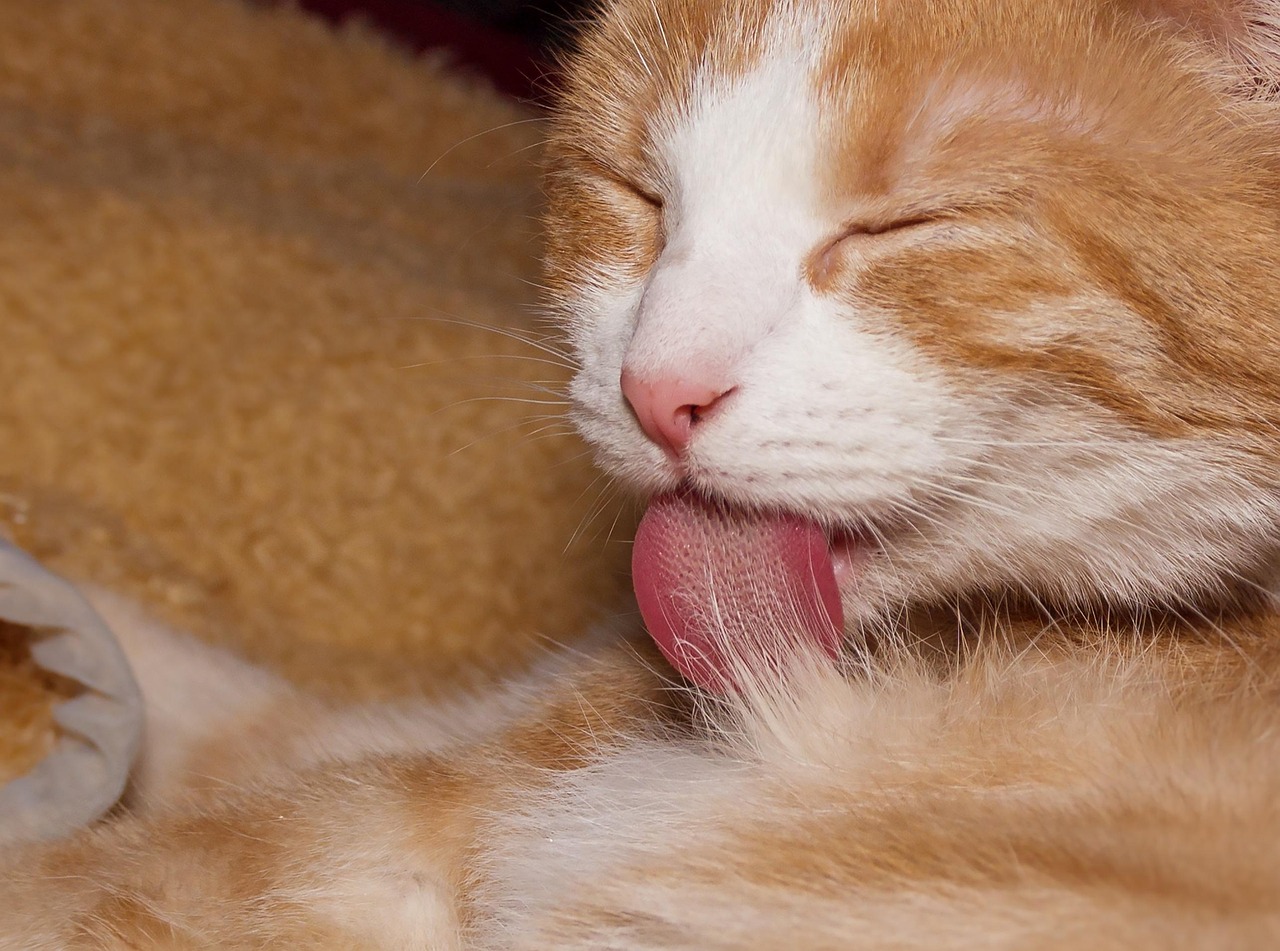
A cat's tongue is far more than just a tool for eating. It is one of nature's most sophisticated and multi-functional anatomical structures—a highly specialised organ designed for grooming, hunting, drinking, temperature regulation, and sensory perception. Understanding how your cat's tongue works, recognising its unique structural features, and knowing what changes may indicate health problems, provides valuable insight into both normal feline behaviour and potential medical concerns.
This comprehensive guide explores the remarkable anatomy of the feline tongue, explains the specific functions of its specialised structures, details the different types of papillae and their roles, discusses common tongue-related health problems, and provides guidance on maintaining tongue and oral health.
The Unique Structure of a Cat's Tongue
What Makes a Cat's Tongue Different?
Unlike human tongues, a cat's tongue is covered in hundreds of tiny, backward-facing structures called papillae, made of keratin—the same material found in human fingernails and cat claws. These papillae give the tongue its distinctive rough, sandpaper-like texture and are fundamental to the cat's extraordinary grooming and feeding abilities.
The Four Types of Papillae
A cat's tongue contains four distinct types of papillae, each serving specific functions:
1. Filiform Papillae (Most Numerous)
- Appearance and location: Small, stiff, backward-facing cone-like structures covering the front half of the tongue; responsible for the sandpaper-like feel
- Composition: Made entirely of keratin; extremely durable and effective
- Special feature: Research reveals hollow cavities at the tips that wick saliva from the mouth and release it onto fur during grooming (Nature study, PNAS)
- Function: Primary grooming tool; separates and combs through fur; grips and tears meat during feeding
- Why backward-facing: Allows cats to catch loose fur like a comb and easily discard it; assists in stripping meat from bone
2. Fungiform Papillae (Mushroom-Shaped)
- Appearance: Smaller, mushroom-shaped structures with smooth, rounded tops (like button mushroom heads)
- Location: Found interspersed among filiform papillae on the apex (tip) and body of the tongue; concentrated on sides and tip
- Function: House taste buds for flavour detection; particularly sensitive areas for taste stimulation
- Taste concentration: Highest concentration of taste buds relative to papilla size
3. Foliate Papillae (Leaf-Like)
- Appearance: Largest papillae type; "leaf-like" structures
- Location: Found on the lateral margins (sides) and root of the tongue; readily visible in cats
- Function: Contain taste buds; assist in swallowing; aid in sensory perception of food texture and flavour
4. Circumvallate (or Vallate) Papillae (Dome-Shaped)
- Appearance: Dome-shaped structures; fewer in number but densely packed with taste buds
- Location: Positioned at the very back of the tongue in a distinct row
- Function: Contain dense concentration of taste buds; sense flavour and food characteristics before swallowing
Taste Buds and Taste Perception
Cats have significantly fewer taste buds than humans, profoundly affecting their taste preferences and feeding behaviour.
- Number comparison: Cats have approximately 470 taste buds; humans have around 9,000
- Taste bud distribution: Located on fungiform, foliate, and circumvallate papillae (NOT on filiform papillae)
- Cannot taste sweetness: Cats lack functional sweet taste receptors; they are not attracted to sweet foods (unlike humans and dogs)
- Preference for other flavours: Cats have heightened sensitivity to umami (savoury taste) and bitter compounds
- Reliance on smell: Cats depend far more on sense of smell than taste when evaluating food
The Remarkable Functions of a Cat's Tongue
1. Grooming and Hygiene
Cats spend a significant portion of their day grooming—up to 30% of their waking hours—and the tongue is the primary grooming tool.
How the Tongue Grooms:
- Acts like a comb: Filiform papillae separate fur and remove loose hairs, dirt, and debris
- Saliva wicking: Hollow cavities in papillae tips wick saliva from the mouth and distribute it throughout the coat
- Skin health: Saliva distribution from surface outward is critical for skin health and moisture
- Natural oils distribution: Grooming spreads natural oils (sebum) throughout the coat, maintaining health and shine
- Circulation improvement: The act of grooming improves circulation under the skin
- Temperature regulation: Saliva evaporation during grooming helps cool the body on warm days
2. Eating and Feeding Behaviour
The cat's tongue plays critical roles in feeding that extend far beyond just moving food to the mouth.
Feeding Functions:
- Gripping and tearing: Filiform papillae grip and tear meat; the backward-facing design allows efficient removal of flesh from bone
- Food positioning: Guides food toward the back of the mouth for swallowing
- Texture detection: Fungiform papillae detect food texture; cats rely more on texture than taste
- Taste perception: Taste buds detect flavour and food safety characteristics
- Swallowing assistance: Tongue movements assist in swallowing and directing food into the throat
3. Water Drinking (A Unique Mechanism)
Cats do not lap water like dogs do; instead, they use a sophisticated mechanism involving rapid tongue flicking to create water columns.
How Cats Drink:
- Rapid tongue flicking: Tongue flicks rapidly into water (4 times per second)
- Water column creation: Each tongue flick pulls up a tiny column of liquid
- Jaw closing: Jaw closes quickly before gravity pulls the water down
- Precision timing: The timing is extraordinarily precise and refined
- Evolutionary advantage: This mechanism allows cats to drink from various sources efficiently
4. Temperature Regulation
Cats sweat very little; instead, they use their tongue and saliva for cooling.
- Saliva evaporation: Panting (rapid mouth breathing) and grooming expose saliva to air
- Evaporative cooling: Saliva evaporation removes heat from the body
- Grooming thermoregulation: Increased grooming on warm days spreads saliva for cooling
- Limited sweat glands: Unlike humans and dogs, cats have sweat glands only on paw pads; they rely on saliva for body cooling
5. Communication and Bonding
- Licking affection: Licking humans or other animals is bonding behaviour and shows trust
- Kitten care: Mother cats use their tongues to clean, stimulate, and care for kittens
- Marking and scent: Licking is also scent-marking behaviour, indicating territory and familiarity
- Self-soothing: Cats lick themselves during stress as self-soothing behaviour
Common Tongue and Oral Health Problems
Excessive Drooling
Sudden or persistent drooling in cats is abnormal and always warrants veterinary attention.
Causes:
- Dental disease: Tooth decay, gingivitis, or periodontal disease
- Oral injuries: Cuts, ulcers, or wounds in mouth or on tongue
- Toxin ingestion: Poisoning or ingestion of caustic substances
- Nausea: Underlying illness causing nausea
- Neurological issues: Nerve damage or neurological conditions affecting swallowing
- Infections: Oral or throat infections
Ulcers and Oral Infections
- Signs: Bad breath, difficulty eating, refusal of food, pawing at mouth, excessive drooling
- Causes: Fungal infections (oral thrush), bacterial infections, immune-mediated conditions, kidney disease (uremia)
- Veterinary attention: Requires diagnosis and treatment
Hairballs (Trichobezoars)
- Cause: Grooming with filiform papillae catches loose fur; some fur is swallowed
- Accumulation: Hair accumulates in the stomach and sometimes the small intestine
- Result: Gagging, vomiting, or intestinal obstruction in severe cases
- Prevention: Regular grooming to remove loose fur before cat swallows it
Tongue Injuries
- Sharp objects: Chewing on sharp or inappropriate objects can cause puncture wounds
- Thermal burns: Hot food or water can burn the tongue
- Electrical cord injuries: Chewing electrical cords causes severe burns and tissue damage
- Chemical burns: Caustic substance contact causes chemical burns
Colour Changes and Their Significance
A healthy tongue is typically pink; colour changes may indicate serious health issues.
- Pale tongue: Suggests anaemia (low red blood cell count) or poor circulation
- Blue or purple tongue: Indicates hypoxia (insufficient oxygen); breathing or cardiac emergency
- Red or inflamed tongue: Suggests infection, inflammation, or irritation
- Yellow or brownish discolouration: May indicate liver dysfunction or jaundice
- White patches: Could indicate fungal infection (oral thrush) or other conditions
When to Seek Veterinary Care
- Persistent drooling: Any sudden or ongoing drooling warrants immediate vet assessment
- Refusal to eat: Difficulty eating or food avoidance suggests oral pain or injury
- Visible swelling or bleeding: Swelling, bleeding, or obvious injury requires urgent care
- Frequent gagging or choking: Repeated gagging or choking episodes need investigation
- Sudden change in grooming: Sudden increase or decrease in grooming suggests illness
- Bad breath: Foul-smelling breath often indicates dental disease or infection
- Tongue colour changes: Any unusual colour changes require assessment
Maintaining Tongue and Oral Health
- Dental hygiene: Regular dental care and tooth brushing (when feasible) support oral health
- High-quality diet: Appropriate food supports dental and oral health
- Fresh water access: Constant access to fresh, clean water
- Avoid hazards: Keep sharp objects, electrical cords, and toxic substances away from cats
- Regular grooming: Brushing reduces matting and loose fur ingestion, reducing hairball formation
- Veterinary check-ups: Regular dental examinations detect problems early
- Use feline-specific products: Only use grooming and oral care products designed for cats (human toothpaste and products can be harmful)
Cat tongue is an extraordinarily sophisticated multi-functional organ covered in hundreds of backward-facing papillae made of keratin (same material as cat claws and human fingernails). Four papilla types: filiform (most numerous; sandpaper texture; backward-facing; hollow cavities wick saliva for grooming and temperature regulation); fungiform (mushroom-shaped; contain taste buds; concentrated on tip and sides); foliate (largest; leaf-like; on side/root of tongue; contain taste buds; aid swallowing); circumvallate (dome-shaped; at back of tongue; densely packed with taste buds). Cats have only ~470 taste buds versus human 9,000; cannot taste sweetness; rely far more on smell than taste. Filiform papillae function as "rasp" to grip and tear meat from bone during feeding. Grooming uses papillae as comb separating and combing through fur; saliva wicking mechanism distributes saliva from surface outward, critical for skin health; grooming improves circulation, regulates temperature through evaporative cooling, distributes natural oils. Water drinking uses sophisticated rapid tongue flicking (4 times/second) creating water columns pulled into mouth before jaw closes. Temperature regulation primarily through saliva evaporation (cats sweat only on paw pads). Communication through licking (affection/bonding), kitten care, scent marking. Common problems: excessive drooling (dental disease, oral injuries, toxins, nausea—requires vet attention), oral ulcers/infections (bad breath, difficulty eating), hairballs (grooming swallows loose fur), injuries (sharp objects, burns), colour changes (pale=anaemia; blue/purple=hypoxia; red=infection; yellow/brown=liver issue). Healthy tongue pink. Any sudden drooling, refusal to eat, swelling/bleeding, gagging, colour changes, or changes in grooming warrant veterinary assessment.
This guide is based on research from PetMD, Wellpets, PurrForm, PetPlace, Ohio State University Veterinary Histology, University of Minnesota Anatomy Lab Guide, PNAS (Nature research on cat papillae saliva wicking), The Tiniest Tiger, Noble Vet Clinic, and PMC research on feline gustatory papillae and taste bud distribution. Cat papillae feature hollow cavities at tips that spontaneously wick saliva (PNAS 2018 research by Alexis Noel and team). Filiform papillae backward-facing design evolved for efficient grooming and meat processing. Cats lack functional sweet taste receptors; have heightened sensitivity to umami (savoury) and bitter compounds. Fungiform papillae diameter on tongue tip approximately 38% larger than on dorsal surface; lateral borders show highest diameter values (up to 48% increase). Cats spend up to 30% of waking hours grooming. Drinking mechanism uses inertial principles to pull water columns into mouth; jaw closing prevents gravity from pulling water back down. Temperature regulation relies on saliva evaporation as primary cooling mechanism (limited sweat glands). Research identifies three functional areas of high taste sensation on feline tongue. Colour changes can indicate serious health issues: pale suggests anaemia; blue/purple indicates hypoxia (emergency); red suggests infection; yellow/brown may indicate liver dysfunction. Persistent drooling always warrants veterinary attention.