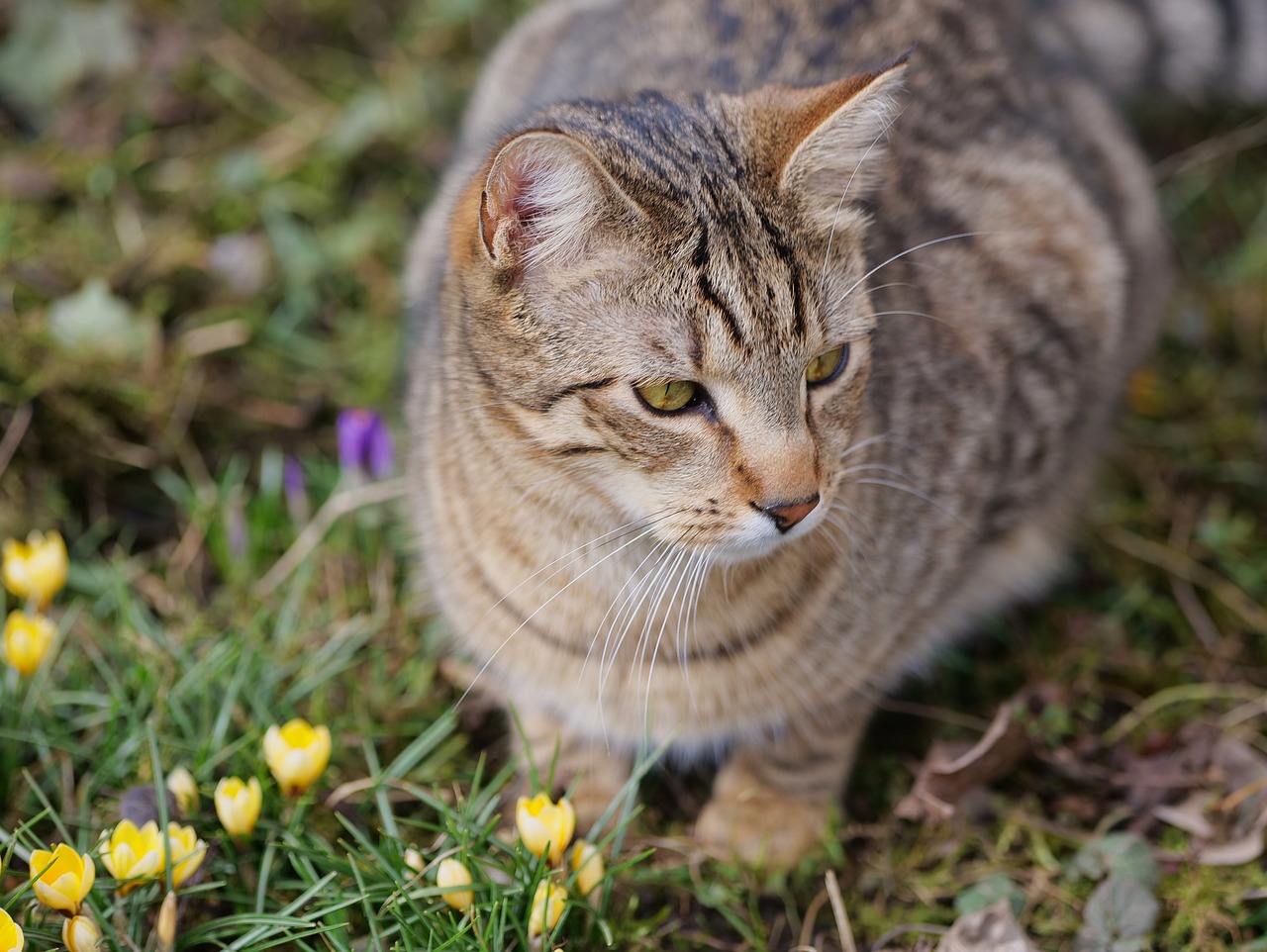
Cats naturally shed their coat as part of a healthy, normal hair growth cycle, yet the timing, amount, and pattern of shedding varies significantly depending on environmental factors, living circumstances (indoor vs outdoor), breed characteristics, age, and overall health status. Understanding when and why cats shed helps you distinguish normal shedding from potential health problems, establish appropriate grooming routines, manage household cat hair effectively, and maintain your cat's coat health. Shedding is not a sign of poor health—in fact, the inability to shed can indicate underlying medical issues. Rather, shedding represents your cat's body naturally replacing old, damaged, or seasonally inappropriate fur with healthy new growth.
This comprehensive guide explains what cat shedding is and whether all cats shed, identifies the primary shedding seasons and timeframes, describes the differences between indoor and outdoor cats' shedding patterns, explores the physiological reasons cats shed, explains what constitutes normal versus abnormal shedding, addresses shedding in kittens, provides practical strategies for managing shedding, and advises when to seek veterinary attention for excessive or abnormal hair loss. By understanding your cat's individual shedding pattern and needs, you can optimise grooming practices and quickly identify signs of health problems.
Do Cats Shed?
Yes—All Cats Shed
Every cat sheds, including short-haired breeds, though the amount and timing vary considerably. Even hairless cat breeds like Sphynx cats shed dead skin cells (dander), though not visible fur. Only extremely rare genetic variants completely prevent shedding, but these are not naturally occurring in domestic cats. Shedding is a universal feature of feline physiology.
The Hair Growth Cycle
Cat hair grows in repeating cycles consisting of distinct phases:
- Anagen phase (growth): Hair actively grows to its genetically determined length; this phase lasts weeks to months depending on coat type and environmental factors
- Catagen phase (transition): Hair ceases growing; a brief transitional period between active growth and rest
- Telogen phase (resting): Hair remains dormant in the follicle; this phase typically lasts several weeks
- Exogen phase (shedding): Hair actively falls out and is replaced by new growth; the visible shedding phase
In healthy cats, these phases cycle continuously, with most noticeable shedding occurring twice yearly during seasonal transitions. However, environmental factors significantly disrupt this natural rhythm.
When Do Cats Shed the Most?
Spring Shedding (Primary Peak)
Spring represents the heaviest shedding period for most cats, typically occurring March through May in the Northern Hemisphere. During this period, cats shed their dense, thick winter undercoat to prepare for warmer weather. Spring shedding is often dramatically visible—tufts of fur fall out, and owners notice significantly increased cat hair throughout the home.
- Why it happens: Increasing daylight hours and rising temperatures signal the cat's body to shed the heavy winter coat
- Duration: Heavy shedding typically lasts 6–8 weeks
- Visible impact: Dramatic clumps of fur; often called "blowing the coat"
Autumn Shedding (Secondary Peak)
Autumn represents the secondary shedding period, typically September through November, though less dramatic than spring shedding. During this period, cats shed their lighter summer coat to develop the thicker, denser winter undercoat for thermal insulation against cold weather.
- Why it happens: Decreasing daylight hours and cooling temperatures trigger growth of denser winter coat
- Duration: Generally shorter and less intense than spring shedding; typically 4–6 weeks
- Visible impact: Noticeable but less dramatic than spring; varies by individual cat
Shedding Duration
The complete shedding cycle lasts approximately 6–8 weeks during peak seasons, though this varies by individual cat, breed, coat type, and environmental conditions. Some cats transition quickly; others shed gradually over longer periods. Not all hair falls out at once—loose hair remains embedded in skin and must be removed through grooming or natural shedding.
Indoor vs Outdoor Cats: The Difference
Outdoor Cats: Pronounced Seasonal Shedding
Outdoor cats experience distinct, clearly defined shedding seasons triggered by natural environmental cues:
- Photoperiod (daylight) regulation: Changes in daylight hours are the primary trigger for shedding cycles. Lengthening days in spring signal winter coat shedding; shortening days in autumn signal winter coat growth.
- Temperature influence: Temperature changes reinforce the daylight-triggered cycle
- Pattern: Heavy shedding in spring and autumn; minimal shedding in winter (cats retain all fur for warmth)
- Indoor/outdoor cats: Cats with outdoor access but primarily indoor housing may experience moderately pronounced seasonal shedding
Indoor Cats: Year-Round Shedding
Indoor cats experience more consistent, year-round shedding rather than pronounced seasonal cycles. This occurs because artificial lighting and climate control disrupt the natural environmental cues that regulate shedding cycles.
- Artificial light disruption: Consistent artificial lighting confuses the photoperiod system; cats' bodies receive conflicting signals about seasonal changes
- Climate control effects: Stable indoor temperatures (via heating in winter and air conditioning in summer) minimise the temperature cues that trigger seasonal shedding
- Pattern: More consistent daily shedding throughout the year; slightly heavier periods in spring and autumn but much less dramatic than outdoor cats
- Practical implication: Even indoor cats require regular grooming year-round, with increased attention during natural spring and autumn periods
Mixed Indoor-Outdoor Cats
Cats with both indoor and outdoor access experience shedding patterns between purely indoor and purely outdoor cats, with more pronounced seasonal peaks than indoor-only cats but typically less dramatic than outdoor-only cats. The amount of time spent outdoors significantly influences shedding patterns.
Why Do Cats Shed?
Removing Dead or Damaged Fur
The primary function of shedding is removing dead hair that has completed its growth cycle. Dead hair accumulates naturally as hair cycles through growth and resting phases. If dead hair is not removed through grooming or shedding, it remains in the coat, causing matting, dandruff, and skin irritation. Shedding is therefore a necessary physiological process for maintaining coat and skin health.
Temperature Regulation
Seasonal shedding serves crucial thermoregulation functions. In spring, shedding the dense winter undercoat allows heat to escape more easily, keeping the cat cooler during warmer months. In autumn, shedding the lighter summer coat makes room for growth of a thicker, insulating winter coat that traps body heat. This is why double-coated breeds (which have both guard hairs and dense undercoat) shed more dramatically—they require more extensive seasonal coat adjustments.
Maintaining Healthy Skin and Coat
The shedding process distributes natural oils across the skin and coat. During shedding, cats groom intensively, which stimulates oil glands and distributes protective oils. This natural grooming during shedding keeps skin moisturised and prevents excessive dryness. Regular shedding indicates a healthy, functioning skin system.
Allowing New Hair Growth
Shedding clears the way for healthy new hair growth. The exogen phase cannot complete until the hair falls out; new hair cannot grow if old hair remains embedded in the follicle. Preventing or severely restricting shedding actually impedes healthy new growth and can trap damaged hair in the coat.
What's Normal Shedding?
Characteristics of Normal Shedding
Normal shedding has recognisable characteristics that distinguish it from abnormal hair loss:
- Even hair loss: Hair shed across the entire body relatively evenly; no sudden bald patches
- Intact skin: Underlying skin appears healthy, smooth, and normal coloured; no redness, sores, or irritation
- Shiny, healthy-looking coat: Overall coat appearance remains glossy and well-maintained; no dull, dry, or matted areas
- No excessive itching or scratching: Normal grooming and occasional scratching is expected; constant, frantic scratching is abnormal
- Associated with seasonal changes: Most noticeable during spring and autumn; less during winter and summer
- Loose hair easily removed by grooming: Hair comes away readily with brushing; not clumped or adhered unusually
When Shedding Is NOT Normal
Warning Signs of Abnormal Hair Loss
Contact your veterinarian if you observe these signs of abnormal shedding:
- Bald patches or areas of complete hair loss: Particularly if symmetrical or concentrated in specific areas
- Excessive, uncontrollable hair loss: Shedding so heavy the cat appears to be losing hair in clumps daily
- Red, inflamed, or irritated skin: Redness, sores, scabs, or unusual bumps underlying hair loss
- Constant, frantic scratching or licking: Excessive grooming behaviour; often self-trauma causing hair loss
- Dandruff or flaking: White flakes or crusty skin visible in the coat
- Sudden hair loss or change in shedding pattern: Abrupt increase in shedding when seasons haven't changed; sudden onset after previously normal shedding
- Foul odour or discharge from skin: Musty smell or visible discharge suggests skin infection
- Frequent, severe hairballs: More than occasional hairballs; vomiting accompanied by lethargy or appetite changes
- Accompanying systemic signs: Hair loss combined with weight loss, appetite changes, lethargy, or behaviour changes
Possible Causes of Abnormal Shedding
- Parasites: Fleas, ticks, lice, and mites cause intense itching and self-trauma hair loss
- Allergies: Food allergies and environmental allergies (pollen, dust, mould) cause skin inflammation and itching
- Skin infections: Bacterial or fungal infections (including ringworm) cause localised hair loss and skin irritation
- Poor nutrition: Imbalanced diet lacking adequate protein, omega fatty acids, and micronutrients causes coat deterioration
- Stress and anxiety: Psychological stress triggers overgrooming and excessive licking causing self-induced hair loss
- Systemic diseases: Hyperthyroidism, kidney disease, liver disease, diabetes, and adrenal gland disorders can cause abnormal shedding
- Pain or discomfort: Cats in pain often overgroom or undergroom depending on location
- Hormonal imbalances: Pregnancy, lactation, or hormonal disorders affect shedding patterns
Do Kittens Shed?
Kitten Shedding Timeline
Kittens experience a significant shedding event as they mature and transition from baby coat to adult coat:
- Birth to 4 months: Kittens have their "baby coat" or "kitten coat"—a fine, soft undercoat without fully developed guard hairs
- 4–6 months: Kittens begin shedding their baby coat; permanent adult coat begins developing
- 6–12 months: Some kittens continue shedding and developing adult coat through this period; timing varies by individual
- 12 months and beyond: Adult coat fully developed; kittens follow normal adult shedding patterns
Kitten Shedding Management
- Expect significant shedding: The transition from kitten to adult coat causes noticeable hair loss
- Establish grooming habits early: Regular gentle brushing helps kittens accept grooming and removes loose hair
- Monitor skin health: Ensure underlying skin appears healthy; excessive scratching is not normal
How to Reduce and Manage Shedding
1. Regular Grooming
Regular brushing is the single most effective strategy for managing cat shedding:
- Frequency during shedding season: Daily brushing during spring and autumn heavy shedding periods
- Frequency during moderate shedding: 2–4 times weekly for year-round maintenance
- Technique: Brush in the direction of hair growth; use gentle, smooth strokes
- Tools: Use brushes designed specifically for cats; metal combs, rubber grooming gloves, or de-shedding brushes work well
- Benefits: Removes loose hair before it falls naturally; prevents matting; stimulates skin and distributes oils; provides opportunity to examine skin for problems
2. Proper Nutrition
A high-quality, nutritionally complete diet is essential for coat and skin health:
- High-quality protein: Cats require amino acids for hair growth; choose foods listing meat as primary ingredient
- Omega fatty acids: Omega-3 and Omega-6 fatty acids support skin health and reduce excessive shedding
- Micronutrients: Vitamins (especially biotin and B vitamins) and minerals (zinc, iron) support coat health
- Hydration: Moisture content in food and water intake affect skin health; ensure fresh water always available
3. Environmental Control
Home environment factors influence shedding:
- Humidity: Excessively dry air dries skin, increasing shedding; use humidifier during dry seasons
- Temperature stability: Dramatic temperature fluctuations increase shedding; maintain stable temperature
- Stress reduction: Stable environment and routine reduce stress-induced shedding
4. Reducing Stress
Stress and anxiety trigger excessive grooming and shedding:
- Maintain consistent routine: Predictable daily schedule reduces stress
- Provide enrichment: Interactive toys, climbing structures, and environmental enrichment reduce boredom-related stress
- Safe spaces: Quiet areas where cats can retreat increase sense of security
- Pheromone support: Synthetic pheromone diffusers (Feliway) can help reduce stress-related shedding
5. Hydration and Skin Health
- Fresh water access: Ensure multiple water sources available; dehydration affects skin health
- Avoid excessive bathing: Frequent baths strip natural oils; only bathe when necessary with cat-specific, gentle shampoo
- Monitor skin condition: Healthy skin supports healthy coat and appropriate shedding cycles
Important Reminders About Shedding
Shedding Cannot Be Eliminated
It is impossible to completely stop cat shedding—nor should you want to. Shedding is a necessary, healthy physiological process. Attempting to prevent shedding through restrictive grooming, medications, or other interventions is harmful. The goal is not to eliminate shedding but to manage loose hair through regular grooming.
Shedding Indicates Health
Paradoxically, the inability to shed or dramatic changes in shedding patterns often indicates health problems. Cats experiencing severe illness or chronic stress sometimes stop shedding entirely or shed abnormally. Normal, predictable shedding is a sign of health.
All cats shed as part of a normal, healthy hair growth cycle. Seasonal shedding peaks occur in spring (March–May) when cats shed dense winter coats, and autumn (September–November) when cats shed lighter summer coats in preparation for winter growth. Indoor cats shed more consistently year-round due to artificial lighting and climate control disrupting natural photoperiod cycles; outdoor cats experience pronounced seasonal shedding. Shedding serves crucial functions: removing dead hair, regulating body temperature, maintaining healthy skin through oil distribution, and allowing new healthy growth. Normal shedding is characterised by even hair loss without bald patches, healthy intact skin, glossy coat appearance, and lack of excessive itching. Abnormal shedding signs include bald patches, excessive hair loss, red/irritated skin, constant scratching, and sudden changes in shedding patterns—all requiring veterinary evaluation. Kittens shed their baby coat between 4–12 months during transition to adult coat. Managing shedding requires regular brushing (daily during peak seasons, 2–4 times weekly otherwise), high-quality nutrition rich in protein and omega fatty acids, stable home environment, stress reduction, and adequate hydration. Shedding cannot and should not be prevented—it is a necessary healthy process. Regular shedding indicates good health; inability to shed or dramatic shedding changes suggest underlying health problems requiring veterinary attention.
This guide is based on veterinary dermatology research, feline physiology, and recommendations from veterinary organisations including the American Animal Hospital Association (AAHA) and the American Veterinary Medical Association (AVMA). Cat shedding patterns vary significantly by breed, individual genetics, environment, health status, and age. Double-coated breeds (Maine Coons, Ragdolls, Siberian cats) and long-haired breeds shed more noticeably than short-haired breeds, though all cats shed. If your cat shows signs of abnormal shedding—particularly bald patches, excessive scratching, skin irritation, or sudden changes in shedding patterns—consult your veterinarian promptly for proper diagnosis and treatment. Excessive shedding paired with other symptoms (weight loss, appetite changes, lethargy) warrants urgent veterinary evaluation to rule out systemic disease.