Overfeeding is one of the most prevalent and unintentional nutritional problems affecting domestic cats today, with studies consistently showing that significant percentages of pet cats are overweight or obese. Many well-intentioned owners unknowingly provide more food than their cats require, often driven by misinterpretation of hunger signals, excessive treat offerings, free-feeding practices, or simple misunderstanding of appropriate portion sizes for indoor cats. The consequences of chronic overfeeding are serious and far-reaching—obesity in cats is not merely a cosmetic concern but rather a significant health risk factor contributing to diabetes, joint disease, heart and respiratory problems, liver disease, and reduced lifespan. Understanding how much food your cat actually requires, recognising the early signs of overfeeding and weight gain, implementing appropriate feeding strategies, and establishing healthy feeding practices allows you to maintain your cat at an ideal weight throughout their life, supporting long-term health, mobility, and quality of life.
This comprehensive guide explains why overfeeding commonly occurs, describes the signs that indicate a cat may be overfed, explores the serious health consequences of obesity, provides information about appropriate calorie requirements and portion sizes, addresses differences between wet and dry food feeding, offers practical strategies for preventing overfeeding, discusses weight management in already-overweight cats, and emphasises the importance of regular monitoring. By understanding cat nutrition and portion control, you can support your cat's long-term health and wellbeing.
Understanding Overfeeding: Why It Happens So Often
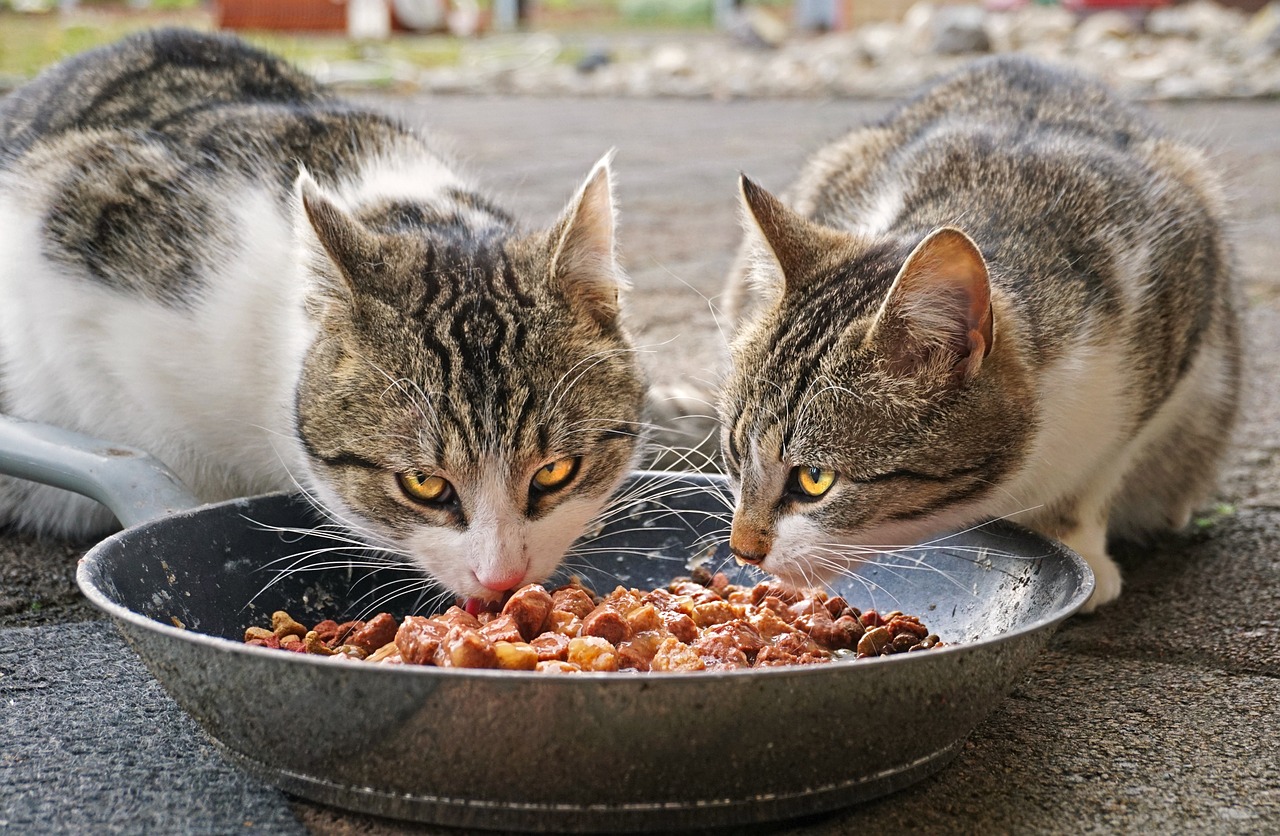
Why Cats Get Overfed: Common Contributing Factors
Overfeeding is rarely intentional; owners typically overfeed because of specific factors that make overfeeding common and easy. Common reasons include misinterpreting hunger signals (cats meow near feeding times, beg for food, or follow owners to the kitchen—behaviours owners interpret as genuine hunger but are often learned behaviours rather than true hunger signals as cats learn that meowing results in food being provided), excessive treat offerings (owners provide frequent treats without recognising that treats constitute significant daily calorie intake with treats supposed to be small portions but often given casually throughout the day accumulating to excessive calories), free feeding—food always available (leaving food available all day allows cats to eat whenever they choose with some cats self-regulating and eating appropriate amounts but others eating more than needed), multiple household feeders (in homes where several people feed the cat, duplicate feedings easily occur as one household member may not realise the cat has already been fed), underestimating indoor lifestyle calorie needs (indoor cats burn significantly fewer calories than outdoor cats due to reduced activity so owners may provide portions appropriate for outdoor cats), misunderstanding portion sizes (owners often do not measure food portions, instead pouring by eye, which typically results in excessive amounts), and assumptions about cat food (some owners assume cats require more food than they actually do based on misunderstandings). Some owners use food as a way to show affection or reward their cats; providing food becomes a way to express love, sometimes leading to unintended overfeeding with understanding that appropriate portion sizes are actually more loving than excess food helping reframe feeding decisions.
Recognising Overfeeding: Signs Your Cat May Be Overfed

Physical Signs of Overfeeding and Weight Gain
Early recognition of weight gain allows intervention before serious obesity develops. Physical indicators of overfeeding and excess weight include noticeable weight gain over time (progressive weight increase compared to previous baseline), round or sagging belly (loose skin or protruding abdomen even when the cat is not eating), difficulty feeling ribs (normal cats have ribs that can be felt with gentle pressure beneath fur but overweight cats have ribs not easily felt because fat covers them), loss of visible waist (from a top-down view, healthy cats have a visible waist or narrower area behind the ribs whilst overweight cats lack this waist definition), sagging skin around the abdomen (excess skin or skin folds sometimes called "cat apron" indicating significant weight gain), difficulty grooming certain areas (overweight cats cannot reach their rear end or genital area to groom properly resulting in matted or dirty fur), and reduced mobility (the cat seems stiff when moving or has difficulty jumping to favorite spots).
Behavioural Signs of Overfeeding and Obesity
Behavioural changes indicating excess weight include reduced activity levels (the cat spends more time resting and less time playing or exploring), shortness of breath (after mild activity or brief play, the cat pants or breathes heavily), lethargy (the cat seems tired, unmotivated, and uninterested in activity), excessive sleeping (beyond the normal 12-16 hours cats naturally sleep, overweight cats may sleep even more), reduced play interest (the cat shows less interest in toys or interactive play), and increased vocalisations (some overweight cats meow more frequently, possibly seeking food or expressing discomfort). Veterinarians use the Body Condition Score system to objectively assess whether a cat is underweight, ideal weight, or overweight; characteristics of an ideal-weight cat (BCS 4-5 on a 1-9 scale) include visible waist (when viewed from above, the cat has a noticeable waist or narrower area behind the ribs), abdominal tuck (when viewed from the side, the abdomen tucks inward beneath the chest rather than hanging), easily palpable ribs (ribs can be felt with gentle pressure but are not prominently visible beneath the fur), smooth body outline (no excessive fat deposits or skin folds), and good mobility (the cat moves with ease and can groom all body areas). To assess your cat, run your hands gently along your cat's sides; you should feel ribs easily and if you cannot feel ribs without pressing hard, your cat is likely overweight.
The Health Consequences of Overfeeding and Obesity

Obesity in cats is not merely a cosmetic concern; excess weight significantly increases risk for multiple serious health conditions. Overweight cats are significantly more likely to develop diabetes than cats at ideal weight with obesity contributing to insulin resistance where the cat's body cannot effectively use insulin, leading to dangerously high blood glucose levels; diabetes requires lifelong management, potentially including insulin injections, blood glucose monitoring, and dietary changes though some cats can enter remission with weight loss. Extra weight places significant stress on joints, particularly in the hips, knees, and lower spine, accelerating joint degeneration and arthritis development; joint problems cause pain and mobility reduction affecting quality of life with arthritic cats becoming less active and becoming overweight more easily (creating a vicious cycle) and may experience chronic pain. Obesity directly affects the cardiovascular system; extra weight increases workload on the heart and reduces lung capacity, making breathing more difficult with overweight cats often experiencing shortness of breath during mild activity, reduced exercise tolerance, and increased risk of heart disease. Obesity increases fatty liver disease risk and additionally inappropriate rapid weight loss in overweight cats can cause hepatic lipidosis, a serious condition where fat accumulates in liver cells preventing normal liver function. Studies consistently demonstrate that overweight cats have shorter average lifespans compared to cats maintained at ideal weight with the combination of obesity-related diseases contributing to reduced life expectancy. Even without diagnosed diseases, overweight cats experience reduced quality of life—less ability to play, reduced mobility, difficulty grooming, heat sensitivity, and overall reduced engagement with life.
Appropriate Calorie Requirements and Portion Sizes

How Many Calories Does a Cat Actually Need?
Calorie requirements vary significantly based on multiple factors, and individual cats have different metabolic rates. Factors affecting calorie requirements include age (kittens require more calories per pound for growth whilst senior cats may require adjusted calories depending on metabolic changes), current weight (heavier cats require more calories for maintenance though some of this is excess that should be reduced), activity level (highly active cats require more calories than sedentary cats), health status (certain medical conditions affect calorie requirements), metabolic rate (individual cats have different metabolic efficiency; some gain weight more easily than others), and neutering status (neutered or spayed cats require approximately 25 percent fewer calories than intact cats because spaying/neutering reduces metabolic rate). An average adult indoor cat at ideal weight typically requires approximately 200-250 calories per day though this is a rough guideline with individual requirements varying considerably; these are maintenance calories for a cat at ideal weight so if your cat is overweight, calorie reduction would be necessary for weight loss under veterinary supervision. Every cat food package contains feeding guidelines providing calorie information and recommended portions based on cat weight; determine your cat's current weight (ask your vet if unsure), locate that weight range on the food packaging, and provide the recommended amount as this is more accurate than guessing portions. Your veterinarian knows your cat's individual circumstances (age, health status, activity level, metabolism) and can provide specific calorie and portion recommendations; always consult your vet about portion sizes, particularly if your cat is overweight or if you are unsure about appropriate feeding levels.
Wet Food vs Dry Food: Understanding Portion Differences

Dry Food Feeding
Dry food is calorie-dense, meaning small volumes contain many calories; a cup of dry food contains significantly more calories than a cup of wet food. Because dry food is convenient to pour, owners often pour more than intended, inadvertently overfeeding with free-feeding dry food being particularly problematic for weight management. Measure dry food portions precisely using a measuring cup and do not free-feed dry food to cats prone to overeating; follow packaging guidelines for portion recommendations.
Wet Food Feeding
Wet food contains high moisture content and therefore fewer calories per gram; larger volumes of wet food provide comparable calories to smaller volumes of dry food. Wet food's lower calorie density and high moisture content can support weight management and hydration with cats often feeling more satisfied with appropriate portions of wet food. Portion wet food according to packaging guidelines and weigh portions if possible, or use consistent serving sizes.
Mixed Feeding Approach
Many veterinarians recommend combining wet and dry food, which can provide benefits of both with a meal potentially including both some dry kibble and some wet food with total calories calculated together. Mixed feeding can support weight management whilst providing nutritional variety and supporting hydration.
Practical Strategies for Preventing Overfeeding

Measure Food Portions Precisely
Use a measuring cup for dry food or a kitchen scale for wet food as eyeballing portions typically results in overfeeding. Measure portions at every feeding, not just occasionally, as consistency prevents portion creep.
Establish Set Feeding Times
Rather than free-feeding, establish specific feeding times (typically two or three meals daily for adult cats). Scheduled feeding allows portion control, helps regulate appetite, allows monitoring of food intake, and helps with litter box habits—feeding at consistent times typically results in predictable litter box use. Feed at the same times daily and remove uneaten food after 15-20 minutes to prevent grazing.
Strictly Limit Treats
Treats, though small, accumulate significant calories with a handful of treats throughout the day easily providing 50-100+ calories, representing 25-50 percent of a cat's daily caloric needs. Treats should account for no more than 10 percent of daily calories; for a cat requiring 250 calories daily, this means only 25 calories from treats. Count and measure treats, use tiny pieces rather than full-size treats, and consider using low-calorie options like small pieces of cooked chicken or commercial low-calorie treats.
Avoid Table Scraps and Human Food
Human food is often high in fat, sodium, and calories with additionally many human foods being toxic to cats. Establish a household rule that no human food is given to the cat and educate all household members about this policy.
Provide Mental and Physical Stimulation
Cats often beg for food out of boredom rather than genuine hunger; providing appropriate stimulation reduces food-seeking behaviour. Enrichment strategies include daily interactive play sessions (15-30 minutes), puzzle feeders that require problem-solving to access food, climbing structures and vertical territory, rotating toys to maintain novelty, and window perches for visual stimulation. Cats that are mentally and physically engaged are less likely to seek food from boredom.
Feed Multiple Cats Separately If Needed
In homes with multiple cats, separating feeding allows individual portion control as some cats eat others' food, making it difficult to track individual intake. Feed cats in separate rooms or at different times to ensure each cat receives only their appropriate portion.
Feeding Based on Life Stage

Kittens: Higher Calorie Requirements
Growing kittens require significantly more calories per pound than adult cats because calories support growth and development. Kittens require frequent meals—typically three to four meals daily until 6 months old, then can transition to adult feeding schedules. Transition to adult food at approximately one year of age; consult your veterinarian about timing based on your kitten's breed as large breed kittens develop more slowly.
Adult Cats: Maintenance Feeding
The goal is maintaining stable weight whilst providing balanced nutrition with typical feeding of two meals daily with portions calculated to maintain ideal weight. Periodic body condition assessment ensures the cat maintains ideal weight.
Senior Cats: Age-Related Adjustments
Cats over 10-12 years old may experience metabolic changes affecting calorie requirements. Some senior cats require adjusted nutrition; consult your veterinarian about appropriate feeding for your senior cat. Kidney disease, dental problems, and other senior conditions may necessitate dietary adjustments.
Helping an Overweight Cat Lose Weight Safely

The Importance of Gradual Weight Loss
Rapid weight loss in cats is dangerous and can cause hepatic lipidosis, a potentially fatal liver condition; weight loss must be gradual and carefully managed. A safe rate is generally 1-2 percent of body weight per week; for a 10-kilogram (22-pound) cat, this means losing approximately 100-200 grams (3.5-7 ounces) per week.
Steps for Safe Weight Loss
Slowly reduce calorie intake over weeks rather than making dramatic cuts with a typical approach reducing daily calories by 10-15 percent every week or two. Increase daily play and activity to support weight loss and overall health. Some commercial foods are specifically formulated for weight loss, with lower calories and higher fibre to promote satiety. Regular weigh-ins and reassessment ensure safe progress; a veterinarian can adjust the weight loss plan as needed.
Never Use Crash Dieting
Sudden dramatic calorie reduction stresses the cat's body and can trigger hepatic lipidosis, a serious condition where fat accumulates in liver cells. Work with your veterinarian to develop a safe, gradual weight loss plan.
Monitoring Your Cat's Weight

Ongoing monitoring helps maintain ideal weight through monthly weigh-ins (weigh your cat monthly using your home scale or your veterinarian's scale and track the weight to monitor trends), visual body condition assessment (monthly assess your cat's body condition using the BCS system—can you feel ribs, is there a visible waist), food intake tracking (keep a simple log of daily food portions to ensure consistency), and veterinary check-ups (annual veterinary visits include weight assessment and dietary recommendations).
Overfeeding is one of most prevalent unintentional nutritional problems in domestic cats resulting from misinterpreting hunger signals (begging does not always indicate true hunger), excessive treats, free-feeding, multiple household feeders providing duplicate meals, underestimating indoor lifestyle calorie needs, and portion size misunderstanding. Early recognition prevents obesity—signs include noticeable weight gain, round sagging belly, ribs difficult to feel, loss of visible waist, difficulty grooming, reduced activity, and shortness of breath. Body Condition Score system assesses ideal weight through visible waist, abdominal tuck, and easily palpable ribs. Serious health consequences of obesity include diabetes (significantly increased risk), joint problems and arthritis from weight stress, heart and respiratory issues, liver disease and hepatic lipidosis, reduced lifespan, and reduced quality of life. Average adult indoor cat requires approximately 200-250 calories daily, but requirements vary based on age, weight, activity level, health status, and neutering status; veterinarian provides personalised recommendations. Dry food is calorie-dense requiring precise portion measurement to prevent overfeeding; wet food contains more moisture and fewer calories per gram, supporting weight management and hydration; many vets recommend mixed feeding. Prevention strategies include measuring food portions precisely with cups or scales, establishing set feeding times (scheduled meals rather than free-feeding), strictly limiting treats to no more than 10 percent of daily calories, avoiding table scraps, providing mental and physical stimulation to reduce food-seeking from boredom, and separate feeding for multi-cat households. Kitten nutrition requires frequent meals and higher calories for growth; adult cats need balanced maintenance portions; senior cats may require adjusted nutrition. Overweight cats must lose weight gradually (1-2 percent body weight per week) under veterinary supervision to avoid hepatic lipidosis, using gradual calorie reduction, increased activity, and potentially weight-control food. Regular monitoring through monthly weigh-ins, visual body condition assessment, food intake tracking, and annual veterinary check-ups maintains ideal weight. Overfeeding prevention and appropriate portion control support long-term cat health, mobility, and quality of life.
This guide is based on feline nutrition standards and weight management best practices. Individual cats vary in calorie requirements based on genetics, metabolism, activity level, and health status. Always consult your veterinarian about appropriate portion sizes and feeding strategies for your specific cat. Never implement rapid weight loss without veterinary supervision as this can cause serious health complications. Weight management should be gradual, monitored, and tailored to your cat's individual needs.