Catnip is one of the most fascinating and widely recognised feline stimulants, creating some of the most entertaining and endearing behaviours cat owners witness. Watch a catnip-responsive cat, and you may observe rolling, flipping, zooming, pawing, and seemingly uncontrollable playfulness in response to what appears to be a simple herb. Yet many cat owners have also experienced the frustration of offering catnip to their cat only to see the animal show complete indifference, leaving owners wondering whether their cat is somehow broken or simply disinterested. Understanding what catnip actually is, how it works neurologically, why some cats respond whilst others do not, and how to use it safely and effectively allows you to use catnip as a valuable enrichment tool for your cat's physical and mental wellbeing. Modern veterinary and behavioural science has revealed that catnip is far more than a simple party trick—it is a genuine plant compound with specific neurological effects rooted in the cat's evolutionary history.
This expert guide explains the biology of catnip, describes the neurological mechanisms behind feline responses, explores why not all cats react identically, provides guidance on safe usage, discusses how to use catnip effectively for enrichment, and addresses common misconceptions about this fascinating plant compound. By understanding catnip from a scientific perspective, you can use it appropriately to enhance your cat's life whilst avoiding potential misuse or overexposure.
Understanding Catnip: What It Is and Where It Comes From
What Is Catnip?
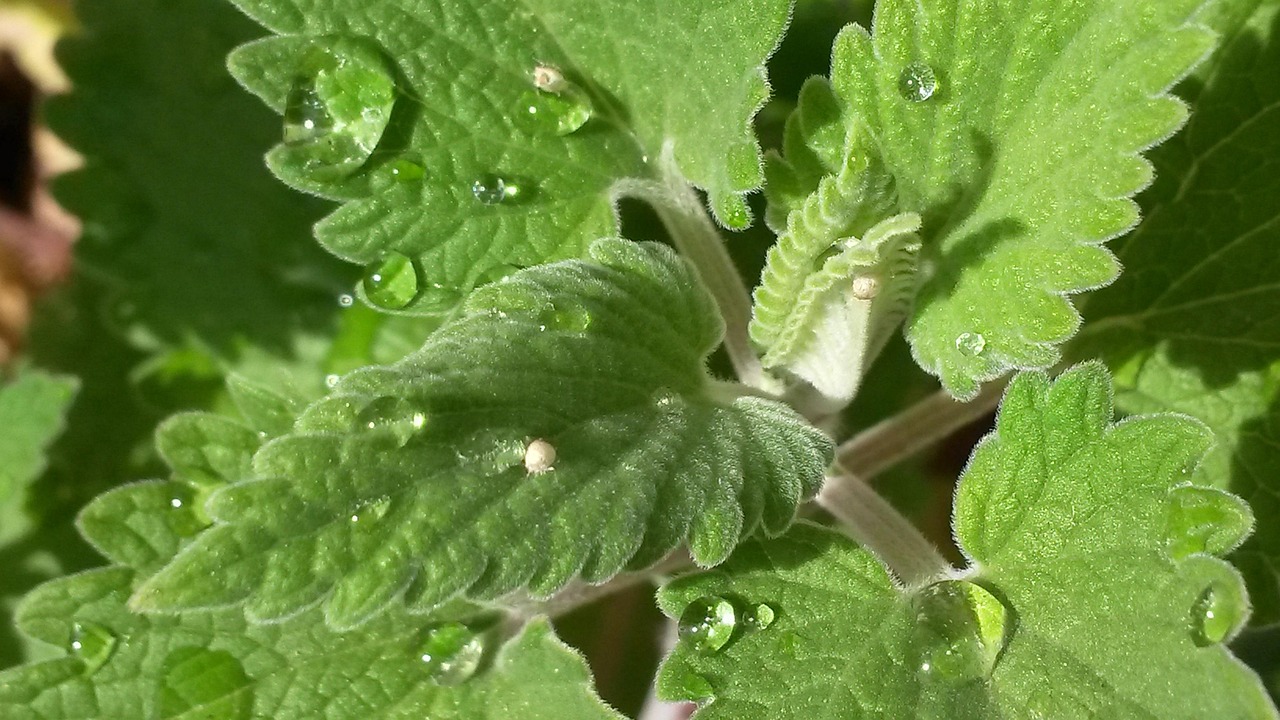
Catnip is a perennial herb scientifically known as Nepeta cataria. It belongs to the mint family (Lamiaceae) and grows naturally across Europe, Asia, and North America. The plant has been recognised for centuries for its profound effects on cats, earning it a unique place in both feline folklore and modern behavioural science.
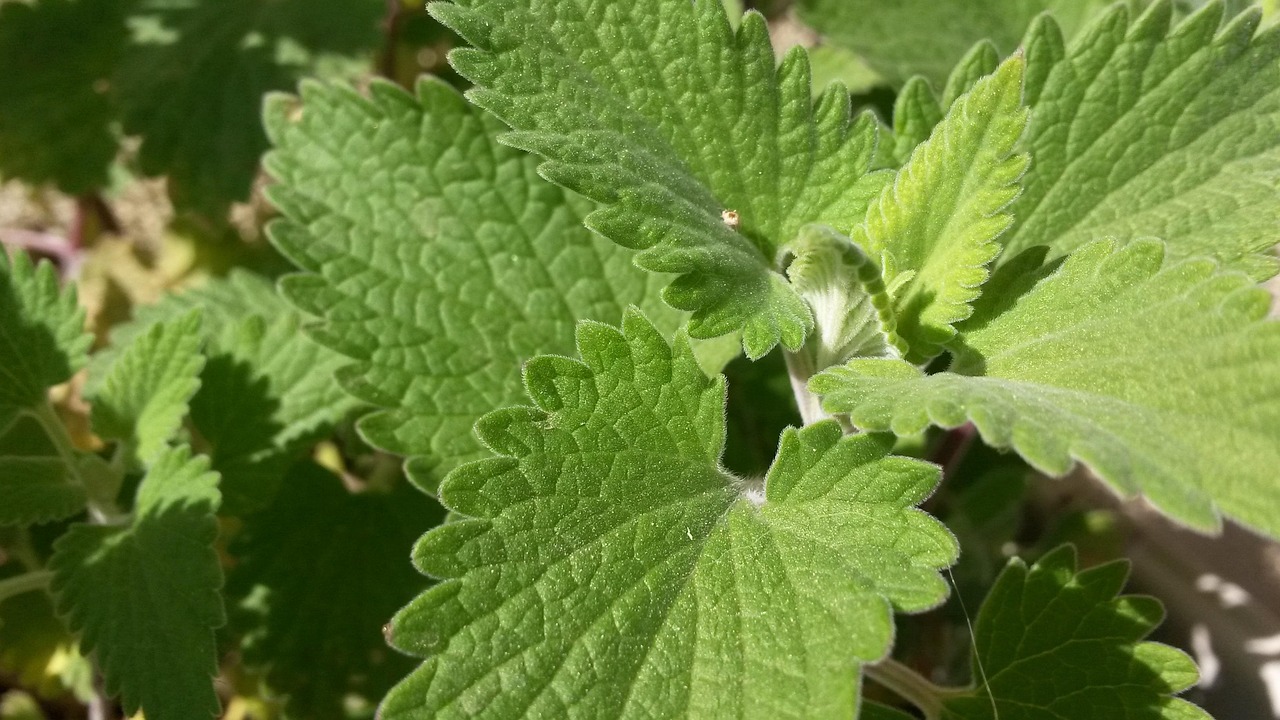
Botanical characteristics: Catnip is a bushy herb with grey-green leaves and small white, purple, or pink flowers. It grows readily in gardens and can become quite invasive if not managed. The entire plant—leaves, stems, and seeds—contains the active compound responsible for its effects on cats.
The Active Compound: Nepetalactone
The magic of catnip lies in a volatile organic compound called nepetalactone. This chemical is responsible for all the fascinating behaviours cat owners observe when cats encounter catnip.
Where nepetalactone is found: The compound is present throughout the catnip plant, with particularly high concentrations in the leaves. When the plant material is dried, crushed, or bruised, nepetalactone is released into the air, becoming volatile and easily detected by cats' sensitive olfactory systems.
Why the plant produces this compound: Scientists believe nepetalactone evolved as an insect repellent, protecting the plant from pest insects. The fact that it triggers such specific behaviours in cats appears to be incidental rather than intentional—the plant did not evolve to affect cats, but cats have evolutionarily learned to respond to the compound.
How Catnip Works: The Neurological Mechanism

The Neurological Pathway: From Nose to Brain
When a cat encounters catnip, a specific neurological cascade occurs, resulting in the characteristic behavioural response.
The step-by-step process:
- Olfactory detection: The cat smells catnip, and nepetalactone molecules enter the nasal passage
- Receptor binding: Nepetalactone binds to specific receptors in the cat's olfactory epithelium (the sensory tissue in the nose)
- Neuronal stimulation: The binding activates sensory neurons specialised for detecting these particular compounds
- Signal transmission: Neural signals travel along the olfactory nerve to the brain's olfactory bulb
- Limbic system activation: Signals are transmitted to the limbic system and other brain regions involved in emotion, behaviour, and motivation
- Behavioural response: The activated brain areas trigger the characteristic catnip response behaviours
A Unique Form of Stimulation
Importantly, catnip does not act like a drug in the traditional pharmacological sense. It does not alter neurotransmitter levels in the brain or create chemical dependence.
How catnip differs from drugs: Instead, nepetalactone stimulates neural pathways associated with pheromone detection and processing. Pheromones are chemicals that communicate information about mating, territorial marking, and social status. Scientists believe catnip essentially "hijacks" the pheromone detection system, triggering behavioural responses normally associated with pheromone exposure.
Why this matters: Understanding that catnip stimulates pheromone-response pathways helps explain the specific behaviours it triggers (rolling, rubbing, marking) and confirms that catnip is not harmful or addictive in any meaningful sense.
Duration and Refractory Period
The catnip response is temporary, with a characteristic timeline.
Response duration: The acute response to catnip typically lasts 5 to 15 minutes. The intensity of the response varies based on the individual cat, the freshness and potency of the catnip, and other factors.
Refractory period: After the acute response ends, most cats enter a refractory period of approximately 1 to 2 hours during which they will not respond to catnip exposure. This neurological refractory period prevents overstimulation and appears to be a built-in protective mechanism.
Recovery and repeated exposure: After the refractory period expires, the cat can respond to catnip again. Cats do not develop tolerance to catnip over time, making it a sustainable enrichment tool when used appropriately.
Why Don't All Cats React to Catnip?

The Genetic Basis of Catnip Sensitivity
Sensitivity to catnip is genetically determined. Not all cats respond to catnip, and this is completely normal and expected based on population genetics.
Population statistics: Approximately 50 to 70 percent of cats show a clear response to catnip. The remaining 30 to 50 percent show little or no response. This distribution suggests a genetic trait with incomplete dominance or multiple genetic factors controlling response sensitivity.
Heritability: The ability to respond to catnip is inherited. Cats whose parents respond to catnip are significantly more likely to respond themselves. Conversely, cats from non-responsive parents are more likely to be non-responsive.
Age and Catnip Sensitivity
Kittens and catnip: Most kittens younger than 3 to 6 months do not respond to catnip. This is not because they cannot—it is because their sensory systems and brain neurochemistry have not yet fully developed. As kittens mature, some develop the ability to respond whilst others never will.
Timing of response development: Some kittens first respond to catnip around 3 months of age, whilst others take until 6 months or even later. The timing varies individually.
Senior cats: Older cats may show continued sensitivity to catnip throughout their lives, though some may show decreased responsiveness with advanced age.
Other Factors Influencing Response
Catnip quality and freshness: Fresh, potent catnip produces stronger responses than dried catnip that has been stored for extended periods. Exposure to air and light degrades nepetalactone, reducing the compound's effectiveness.
Individual personality: Personality traits may influence response intensity. Naturally more playful, active cats may show more dramatic responses than reserved, calm cats, even if both are genetically capable of responding.
Sex and reproductive status: Intact (unneutered) cats may show stronger responses than neutered cats, suggesting hormonal influences, though this is not universal.
The Evolution of Catnip Response in Wild Cats
Interestingly, catnip response is not unique to domestic cats. Large wild cats including lions, leopards, and jaguars also show catnip responses, suggesting the trait evolved in wild felids and has been preserved through domestication.
Evolutionary perspective: The widespread presence of catnip response across multiple felid species suggests this is an ancient evolutionary trait with functional significance in the wild, though the exact purpose remains an area of ongoing research.
What Does a Catnip Response Look Like? Typical Behaviours

Catnip responses vary widely between individual cats, but certain behaviours are commonly observed.
Classic catnip response behaviours:
- Rolling on the ground: The cat rolls and thrashes on the floor or ground, often appearing to lose control in an endearing manner
- Rubbing and bunting: Vigorous rubbing of the face and body against the catnip source, depositing scent glands
- Purring: Loud, intense purring often accompanies catnip response
- Zooming and playful bursts: Sudden bursts of playful, energetic activity and running around
- Drooling: Some cats drool noticeably during catnip response
- Vocalisation: Meowing, chirping, or other vocalisations often accompany catnip exposure
- Light pawing and "bunny kicking": Gentle pawing or the characteristic rabbit-kick motion with hind legs, similar to hunting behaviour
- Apparent euphoria: The cat appears unusually happy, relaxed, and content
Variation in response style: Some cats become hyperactive and playful, whilst others become calm, relaxed, and contemplative. Both responses are normal. Some cats rub and roll, whilst others primarily chew or bat at catnip toys. Personality and genetic makeup determine the specific behavioural expression.
Potential Concerns During Catnip Response
Overstimulation: Rarely, catnip exposure causes overstimulation, resulting in temporary irritability, mild aggression, or exaggerated playfulness that might occasionally result in the cat scratching or biting.
Multi-cat situations: When catnip is offered to multiple cats, competition or resource guarding over the catnip source may escalate normal play into conflict. Providing separate catnip sources or supervising catnip exposure prevents this issue.
Recovery: After catnip response subsides, most cats are relaxed and content. The experience is entirely safe with no negative aftereffects.
Is Catnip Safe? What the Research Shows

Safety Profile
According to comprehensive veterinary behaviour research, catnip is considered entirely safe for cats.
Key safety findings:
- Not toxic: Catnip contains no compounds toxic to cats at any concentration
- Not addictive: Catnip does not create chemical or physical dependence. Cats cannot become "addicted" to catnip
- No neurological damage: Catnip does not cause long-term changes to brain chemistry or neurological damage
- Cannot overdose: Cats cannot overdose from smelling catnip. The neurological response is self-limiting and non-toxic at any exposure level
Potential Issues With Ingestion
Eating catnip plant material: Whilst smelling catnip is entirely safe, eating large amounts of dried or fresh catnip plant material may cause mild gastrointestinal upset in some cats.
Possible effects of ingestion:
- Mild vomiting
- Mild diarrhoea or loose stools
- Temporary digestive upset
Why this occurs: Cats are carnivores, and plant material is not a normal food. Consuming large quantities of any plant material can irritate the digestive system. This is not a toxicity issue but rather a dietary incompatibility.
Managing ingestion: Catnip toys designed so cats cannot easily consume large amounts of plant material are preferable to loose dried catnip if your cat tends to eat rather than just smell catnip.
Appropriate Usage
Best practices for safe catnip use:
- Offer catnip 1 to 2 times per week (not daily)
- Rotate catnip toys to maintain novelty and interest
- Store dried catnip in airtight containers to preserve potency and freshness
- Avoid constant, unlimited exposure
- Supervise first-time exposure to assess your cat's individual response
- If your cat tends to eat catnip, limit access to prevent gastrointestinal upset
Smelling vs Eating Catnip: Different Effects

The route of catnip exposure affects the type of response observed.
Smelling catnip (inhalation):
- Produces excitement, euphoria, and playfulness
- Triggers the characteristic rolling, rubbing, and zooming behaviours
- Creates the most intense and obvious response
- Is the primary method of experiencing catnip for most cats
Eating catnip (ingestion):
- Often produces mild sedation rather than excitement
- May produce relaxation and contentment
- Can potentially help anxious cats relax
- Creates a less dramatic response than smelling
Why the difference: Ingested catnip is processed differently than inhaled catnip. The digestive system breaks down plant material differently than olfactory receptors process airborne compounds, resulting in different neurological effects.
Silver Vine: An Alternative for Non-Responsive Cats

For cats that show no response to catnip, silver vine offers a potential alternative.
What is silver vine: Silver vine (Actinidia polygama) is another plant that triggers responses in some cats. It contains different active compounds (primarily actinidine) that stimulate similar neurological receptors to those activated by catnip.
Response rates: Approximately 70 to 80 percent of cats respond to silver vine. Some cats that do not respond to catnip show dramatic responses to silver vine, and vice versa.
Practical use: If your cat shows no interest in catnip, trying silver vine may reveal a responsive cat. Silver vine is available in dried form, sprays, and toys, similar to catnip.
Combined use: Some cats respond to both catnip and silver vine. Using them in alternation or together can provide varied enrichment experiences.
Using Catnip Effectively for Enrichment and Behaviour
Forms of Catnip Available
Various presentation options:
- Dried loose leaves: The most potent form; can be offered on a mat or in a specific area
- Catnip-filled toys: Toys stuffed with catnip for play and interactive enrichment
- Catnip spray: Convenient liquid form applied to toys or surfaces
- Fresh plant: Growing catnip indoors allows fresh exposure (though most cats prefer dried)
- Catnip-infused scratching posts: Encourages appropriate scratching behaviour
Best Practices for Catnip Use
Frequency: Offer catnip 1 to 2 times per week. More frequent exposure can reduce responsiveness and novelty.
Novelty maintenance: Rotate between different catnip toys to maintain interest and excitement. Cats show decreased interest in the same toy offered continuously.
Storage: Store dried catnip in airtight containers away from light and heat. This preserves nepetalactone potency and maintains effectiveness.
First exposure: Always supervise a cat's first exposure to catnip to assess individual response intensity and identify any negative reactions (though these are extremely rare).
Enrichment Applications
Catnip can be used strategically for enrichment purposes:
- Encouraging exercise: Using catnip toys encourages indoor cats to engage in active play and physical activity
- Redirecting scratching: Applying catnip to scratching posts encourages appropriate scratching behaviour
- Environmental enrichment: Varying catnip exposure provides novelty and mental stimulation
- Reducing boredom: Catnip offers variety and engagement for indoor cats
When to Avoid or Limit Catnip
Situations warranting caution:
- If your cat becomes aggressive or overstimulated during catnip exposure
- If multiple cats in the household compete over catnip, causing conflict
- If your cat has digestive sensitivity and tends to eat large amounts of catnip (causing gastrointestinal upset)
- If your cat is in a stressful situation where additional stimulation might be counterproductive
Can Catnip Help With Behaviour Problems?

Appropriate Uses for Behaviour Support
Catnip can be helpful for certain behavioural support goals:
- Encouraging exercise: For indoor cats lacking activity, catnip-based play encourages beneficial physical activity
- Redirecting scratching: Catnip-infused scratching posts encourage appropriate rather than destructive scratching
- Environmental enrichment: Varied catnip exposure provides engagement and stimulation
- Reducing boredom: Mental and physical stimulation from catnip play reduces boredom-related behavioural problems
What Catnip Cannot Do
Limitations of catnip: Catnip is not a treatment for serious behavioural concerns or psychological disorders. It cannot:
- Treat anxiety disorders or panic responses
- Address aggression issues or territorial aggression
- Resolve litter tray avoidance or inappropriate elimination
- Treat fear-based behaviours
- Address destructive behaviours caused by underlying stress or health problems
When professional help is needed: Cats showing serious behavioural concerns including aggression, anxiety, or inappropriate elimination require veterinary evaluation to rule out medical causes and potentially warrant specialist behavioural consultation. Catnip enrichment alone is insufficient for these issues.
Common Catnip Myths and Misconceptions

Myth 1: Catnip is addictive.
Fact: Catnip is not addictive in any pharmacological sense. It does not create chemical dependence, habit formation, or withdrawal. Cats do not crave catnip the way animals crave addictive substances. They simply enjoy the experience when exposed and show no negative effects when not exposed.
Myth 2: All cats love catnip.
Fact: Approximately 30 to 50 percent of cats show no response to catnip whatsoever. This is entirely normal and genetic, not a sign of something wrong with the cat. Non-responsive cats are perfectly healthy and normal; they simply lack the genetic trait for catnip sensitivity.
Myth 3: Catnip harms kittens.
Fact: Catnip is safe for kittens. However, kittens typically do not respond to catnip because their sensory systems and brains have not fully matured. Most kittens will not show interest in catnip until 3 to 6 months of age or older. Once they reach developmental maturity, catnip is entirely safe.
Myth 4: Catnip causes permanent changes to cat behaviour.
Fact: Catnip has no permanent effects. The response is temporary (5-15 minutes) and leaves no lasting neurological changes. Once the refractory period ends, the cat is unaffected by previous catnip exposure.
Understanding Catnip's Role in Feline Wellbeing
Catnip is a safe, fascinating, and genetically influenced behavioural stimulant that can enhance feline enrichment when used appropriately. Its effects are temporary, harmless, and often beneficial for encouraging exercise, engagement, and mental stimulation in indoor cats. By understanding how catnip works neurologically, recognising individual variation in response, and using it strategically for enrichment rather than as a behaviour modification tool for serious issues, you can incorporate catnip effectively into your cat's life.
Catnip (Nepeta cataria) is an herb from the mint family containing nepetalactone, a volatile compound that binds to olfactory receptors and activates brain areas associated with pheromone processing and emotion, triggering characteristic behaviours in responsive cats. Nepetalactone does not act as a traditional drug; it stimulates pheromone-response pathways producing temporary responses lasting 5-15 minutes followed by a 1-2 hour refractory period. Approximately 50-70 percent of cats respond to catnip based on genetic inheritance; non-response is normal and not a deficiency. Most kittens under 3-6 months do not respond until sensory systems fully develop. Catnip response behaviours include rolling, rubbing, purring, playfulness, drooling, and vocalisation, though responses vary individually. Catnip is safe and non-toxic with no addictive properties; it cannot create overdose or dependence. Ingesting large amounts may cause mild gastrointestinal upset but smelling is entirely safe. Smelling catnip produces excitement and playfulness while ingestion often produces mild sedation. Silver vine offers an alternative for non-responsive cats, activating similar neurological pathways through different compounds. Best practices include offering catnip 1-2 times weekly, rotating toys for novelty, storing dried catnip in airtight containers, and avoiding constant exposure. Catnip effectively encourages exercise, redirects scratching, and provides enrichment but cannot treat anxiety, aggression, or serious behavioural issues requiring professional evaluation. Common myths including addiction, universal appeal, and harm to kittens are unfounded. Catnip is a safe, legitimate enrichment tool when used appropriately.
This guide is based on feline behaviour science and veterinary research regarding catnip effects and safety. Individual cats may have varying responses to catnip and silver vine based on genetics, age, personality, and health status. If a cat shows unusual or concerning reactions to catnip, discontinue use and consult your veterinarian. Serious behavioural concerns require professional veterinary assessment rather than catnip as a treatment approach.