Cats experience the world very differently from humans, especially when it comes to taste and flavour perception. One of the most surprising facts about feline biology is that cats cannot taste sweetness at all. This is not a preference or a behavioural choice based on individual experience. It is a fundamental biological limitation shaped by millions of years of evolution as strict carnivores. Understanding this crucial difference helps cat owners make better nutritional choices and avoid feeding their cats inappropriate foods based on the mistaken assumption that cats enjoy sweets.
This comprehensive guide explains how a cat's sense of taste actually works, explores the biological reasons why cats lack the ability to detect sweetness, discusses what cats can taste instead, and explains what this means for your cat's diet and nutrition. By understanding your cat's unique sensory experience, you can provide appropriate foods that match their evolved taste preferences and nutritional needs.
How a Cat's Sense of Taste Works
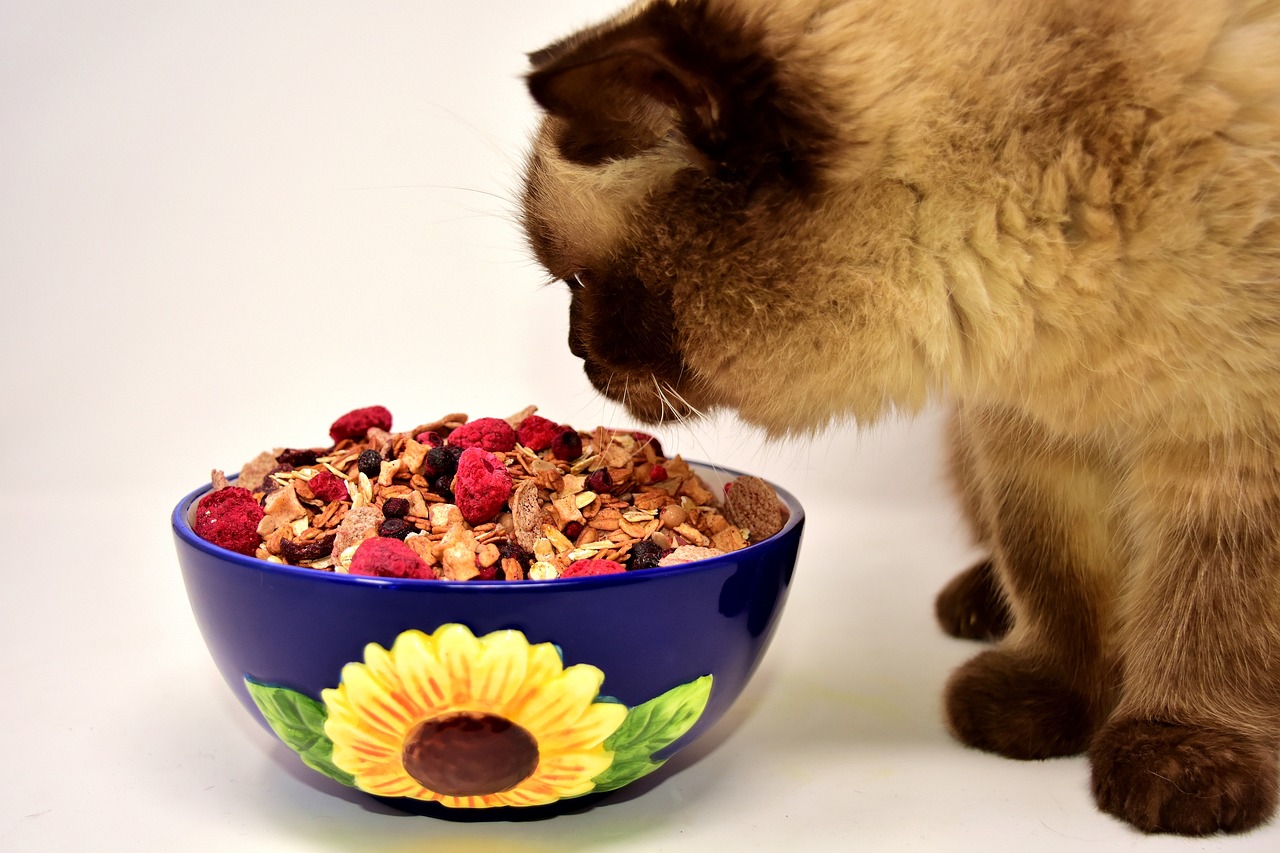
Taste is detected through specialised sensory cells called taste receptors, which are grouped together into structures known as taste buds. In both cats and humans, taste buds are located on the tongue and the roof of the mouth, allowing animals to identify flavours as they eat.
Comparing human and feline taste systems:
- Human taste buds: Humans have approximately 9,000 taste buds covering the tongue and mouth
- Feline taste buds: Cats have approximately 470 taste buds, roughly 5 percent of human numbers
Despite having far fewer taste buds than humans, a cat's taste system is exquisitely fine-tuned to their natural diet and evolutionary needs. Every taste receptor a cat possesses serves a specific purpose related to identifying nutritionally valuable foods.
The Four Taste Sensations Cats Can Detect
Cats can detect four distinct taste categories that help them identify appropriate foods and avoid dangerous substances.
Bitter: Cats are highly sensitive to bitter flavours, which typically indicate toxic or spoiled foods. This sensitivity serves as a protective mechanism against eating poisonous substances.
Salty: Cats can detect and respond to salt, though they have less interest in salty foods than many humans do. Excessive salt is actually unhealthy for cats, and their natural prey contains minimal sodium.
Sour: Sour taste receptors help cats identify spoiled or fermented foods. Like bitterness, this taste sense provides protection against consuming foods that may have gone bad.
Umami: This is perhaps the most important taste to cats. Umami, often described as the savory or meaty taste, is detected in high-protein foods and amino acids. This taste preference perfectly matches the cat's need for animal-based nutrition.
Sweet (absent in cats): Remarkably, cats lack taste receptors for sweetness entirely. This fundamental absence shapes how cats experience food in ways most cat owners never consider.
Why Cats Cannot Taste Sweetness: The Biology

A Missing Taste Receptor Gene
The inability of cats to taste sweetness stems from a specific genetic difference. Cats lack a functioning sweet taste receptor gene known as Tas1r2. This gene is responsible for creating the taste receptors that detect sugars and sweet flavours in other animals.
What happens in cats:
- The Tas1r2 gene: This gene is inactive or non-functional in cats, rendering it essentially absent
- Sweet taste receptors never develop: Without the genetic blueprint from Tas1r2, cats never develop sweet taste receptors on their taste buds
- Sugars trigger no taste response: When cats consume sugary foods, their taste buds send no signal to the brain identifying sweetness
- Sweet foods taste neutral: From a cat's perspective, sugar simply tastes like nothing at all, creating no flavour experience
This is not a defect or disease. It is simply how cats are biologically designed. The absence of sweet taste receptors is as normal and natural for cats as the presence of them is for humans.
The Evolutionary Reason for Missing Sweetness

Understanding why cats lost the ability to taste sweetness requires looking at their evolutionary history. Cats are obligate carnivores, meaning they evolved to survive exclusively on animal-based diets. This biological classification has profound implications for their entire sensory and digestive system.
The natural prey diet of wild cats:
- Protein and fat content: Animal prey like mice, birds, rabbits, and fish are primarily composed of protein and fat
- Little to no sugar: Wild prey animals contain virtually no simple sugars or sweet compounds
- Complete nutrition: Everything a cat needs nutritionally is found in animal flesh, bone, and organs
- Carbohydrates unnecessary: Cats have no biological requirement for carbohydrates and obtain energy efficiently from protein and fat
The evolutionary trade-off: Because sugars never appeared in the natural diet of feline ancestors, there was no survival advantage to detecting sweetness. In fact, having taste receptors for something that never appeared in food would be metabolically wasteful. Over millions of years of evolution, the genetic ability to taste sweetness was lost or never fully developed in the feline lineage.
This is how evolution works. Sensory abilities that provide no survival advantage tend to disappear over time as they consume energy and biological resources without contributing to fitness. The absence of sweet taste in cats is evidence of their perfectly specialised evolution as carnivores, not a deficiency.
What Cats Taste Instead: Umami, The Savory Sensation

Where cats lack sweetness perception, they compensate with an exceptional ability to detect umami, the savory taste that signals the presence of valuable protein and amino acids.
Understanding Umami
Umami, often called the fifth taste, is the savoury or meaty flavour associated with glutamates and nucleotides like inosinate and guanylate. Humans can detect umami and find it pleasant, which is why dishes seasoned with soy sauce, aged cheeses, or meat broths taste so satisfying. For cats, umami is even more important and more intensely perceived than it is for humans.
Where cats detect umami:
- High-quality animal proteins like beef, poultry, fish, and lamb
- Animal fats that carry flavour compounds
- Amino acids found abundantly in meat
- Meat broths and stocks
- Organ meats like liver and kidney
- Fish and seafood
This explains why cats are attracted to foods that human taste buds might find less interesting. A plate of plain boiled chicken breast is utterly irresistible to a cat because the umami flavour is intensely appealing to their taste system.
How Umami Preference Matches Nutritional Needs
The cat's intense umami preference is not random. It is an elegant evolutionary solution that ensures cats are drawn to the foods that best support their health and survival.
Why umami preference is perfect for carnivores:
- Protein content: Foods with high umami content are inevitably high in protein
- Essential amino acids: The compounds that create umami flavour are exactly the amino acids cats require for survival
- Nutritional value: By following their taste preference for umami, cats naturally select the most nutritionally appropriate foods
- Evolutionary fitness: Cats drawn to umami-rich foods consume optimal diets, supporting health, reproduction, and survival
This demonstrates how evolution has shaped every aspect of a cat's sensory system to match their biological needs. Cats do not need to understand nutrition scientifically. Their taste preferences evolved to guide them toward the foods that keep them healthy.
Do Cats Ever Seem to Like Sweet Foods?

Many cat owners report that their cats show interest in sweet foods like ice cream, custard, cakes, pastries, or other desserts. This observation seems to contradict the fact that cats cannot taste sweetness, leading to confusion about whether cats actually enjoy sweet flavours.
The truth: Cats cannot taste the sweetness in these foods at all. Their apparent interest is caused by entirely different sensory factors.
What Actually Attracts Cats to Sweet-Tasting Foods
High fat content: Many sweet desserts contain significant amounts of fat. Cats are highly attracted to fat, which is a concentrated energy source in their natural diet. Butter, cream, oil, and lard all appeal strongly to cats, regardless of the sweetness surrounding them.
Milk proteins and dairy fats: Ice cream, custard, yoghurt, and other dairy desserts contain milk proteins and milk fat that create umami signals. Additionally, some cats retain the ability to digest lactose into adulthood (though many become lactose intolerant), allowing them to enjoy dairy products.
Appealing texture: The smooth, creamy, or crumbly texture of desserts may be intrinsically interesting to cats. Texture influences food acceptance independently of taste.
Aroma and smell: The smell of sweet foods often signals fat content. Cats rely far more on smell than taste when evaluating food. A strongly scented dessert may smell delicious based on its fat content, making cats interested regardless of sweetness.
Watching you enjoy it: If cats observe that you are enjoying a food, they may assume it is worth investigating. Social learning influences food preferences in cats as well as humans.
Sweet Foods Are Risky for Cats
Even though cats cannot taste sweetness and are attracted to desserts for other reasons, many sweet foods are genuinely dangerous for cats. Just because your cat shows interest does not mean a food is safe to eat.
Never feed cats these sweet foods:
- Chocolate: Toxic to cats, contains theobromine that damages the heart and nervous system
- Foods with xylitol: An artificial sweetener that causes severe hypoglycaemia and liver failure in cats
- Foods with raisins or grapes: Cause kidney failure in cats
- Macadamia nuts: Toxic to cats, cause weakness and illness
- Avocado: Contains persin, which is toxic to cats
The fact that your cat is interested in a food does not indicate it is safe. Your responsibility as a cat owner is to understand feline nutrition and prevent access to harmful foods, regardless of your cat's apparent interest.
Are Sweet Foods Safe for Cats?

Even sweet foods that are not outright toxic often pose health risks for cats. Whilst some safe foods like plain pumpkin contain natural sugars with minimal risk, most desserts and sugary foods are inappropriate for feline diets.
Health Problems Caused by Sugary Foods
Digestive upset: Cats have simplified digestive systems designed for pure protein and fat. Sugary foods often cause vomiting, diarrhoea, or constipation as their digestive systems struggle to process carbohydrates and additives.
Obesity and weight gain: Sugary and fatty desserts are calorie-dense. Regular feeding of high-calorie treats contributes to obesity, one of the most serious health problems affecting domestic cats. Obese cats face dramatically increased risk of diabetes, joint problems, and heart disease.
Dental disease: Sugar promotes bacterial growth in the mouth and contributes to plaque and tartar accumulation. Cats already face high rates of dental disease, and sugary foods worsen the problem.
Blood sugar dysregulation: Cats have minimal ability to regulate blood glucose from high-carbohydrate foods. Excessive sugar can contribute to diabetes development, especially in overweight cats.
Nutritional imbalance: Calories consumed from desserts replace calories that should come from nutritious, protein-rich foods. This contributes to nutritional deficiency despite adequate calorie intake.
Foods to Avoid
Toxic foods: Chocolate, xylitol, grapes, raisins, macadamia nuts, avocado, and foods containing these ingredients
High-sugar foods: Cakes, biscuits, sweets, lollies, candy, and other confectionery
Sugary dairy products: Flavoured yoghurts, sweet custard, ice cream with added sugars, and sweetened milk products
Syrups and honey: Even in small amounts, these concentrated sugars provide no nutritional benefit and risk digestive upset
High-carbohydrate treats: Many commercial cat treats contain excessive carbohydrates and sugar. Read labels carefully.
Can Cats Taste Carbohydrates at All?
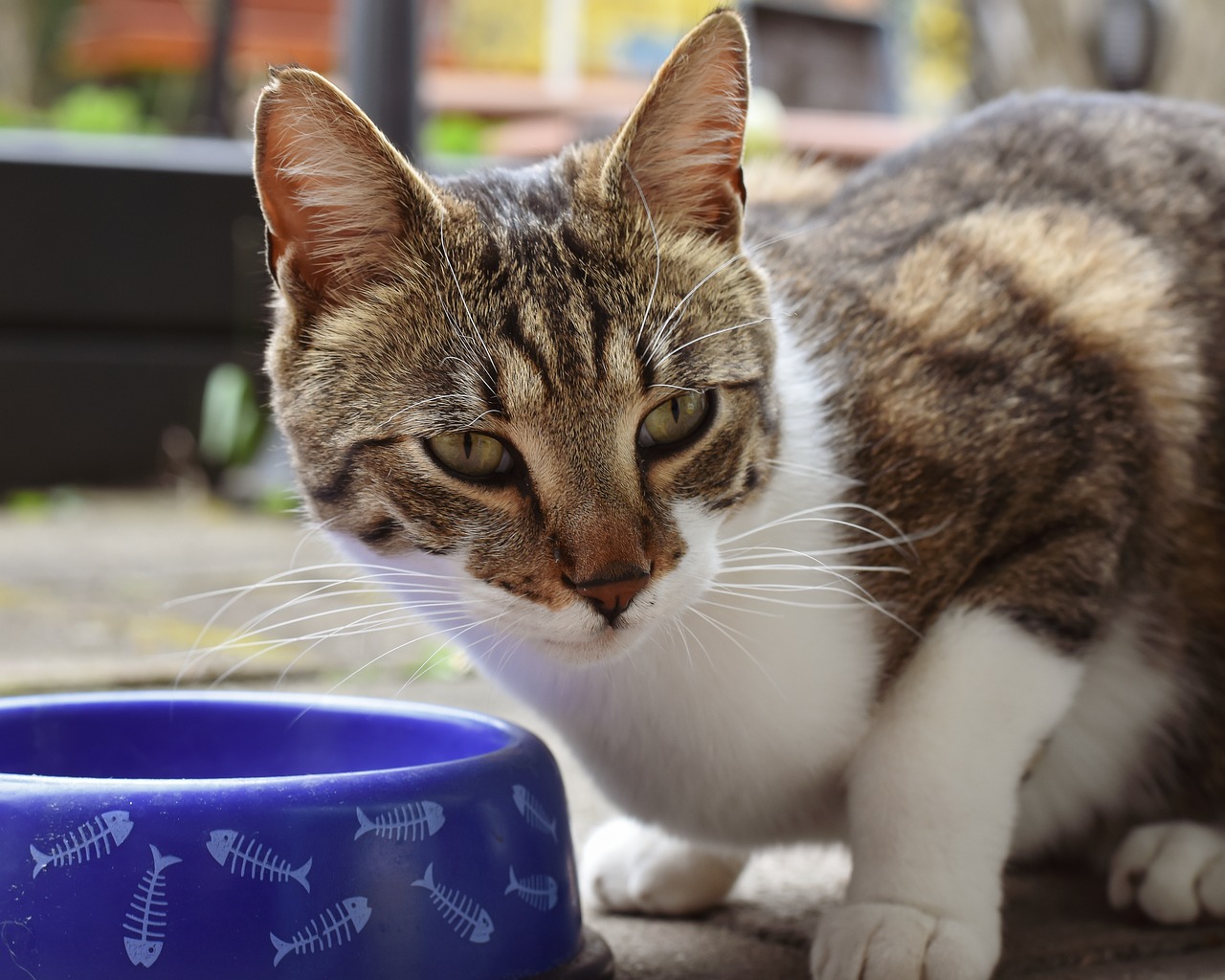
Cats possess some ability to detect carbohydrates through taste receptors, but this detection does not result in a pleasant taste experience. Carbohydrates do not trigger the strong taste signals that proteins do, making them fundamentally less interesting to cats.
Carbohydrate detection in cats:
- Cats can detect some starches and complex carbohydrates, but without finding them particularly appealing
- Simple sugars trigger no taste response because of the missing sweet receptor
- Complex carbohydrates trigger minimal taste response, making them essentially uninteresting
Carbohydrates in cat nutrition: Cats have no biological requirement for dietary carbohydrates. Whilst small amounts of carbohydrates (typically less than 10 percent of diet) do not harm healthy cats, excessive carbohydrates provide unnecessary calories and may contribute to serious health problems.
Health problems linked to high-carbohydrate diets:
- Weight gain and obesity from excessive calories
- Type 2 diabetes, especially in overweight cats
- Poor muscle development and maintenance
- Disrupted blood sugar regulation
- Gastrointestinal problems in some cats
The current epidemic of obesity and diabetes in domestic cats is partly attributed to the prevalence of high-carbohydrate commercial cat foods. Cats are designed to thrive on protein-rich, low-carbohydrate diets, not the grain-based kibbles that have become standard.
How Taste Differs From Smell in Cats

Whilst taste is important to cats, smell is vastly more influential in food selection and enjoyment. This distinction is crucial for understanding how cats experience food.
The Dominance of Smell Over Taste
Feline olfactory superiority: A cat's sense of smell is approximately 14 times stronger than a human's sense of smell. Cats have over 20,000 olfactory receptors compared to the approximately 6 million in humans. This massive difference makes smell the dominant sense for cats in food evaluation.
How cats evaluate food: When your cat approaches a food bowl, the first evaluation is smell. The aroma largely determines whether the cat will even taste the food. If something smells bad or uninteresting to a cat, the cat may refuse to taste it at all, no matter how nutritious it actually is.
Taste confirms smell: Once aroma has determined interest, taste provides confirmation and detail about the food's nature. But smell is the primary decision-maker.
Practical Implications for Feeding
Warm food is more appealing: Warming food releases aromatic compounds, making it smell more interesting to your cat. Many cats prefer warm food to room-temperature food, not because of taste difference, but because warmth volatilises aromatic compounds.
Loss of smell equals loss of appetite: Cats with congestion from respiratory infections or allergies often refuse food. This is not because the food tastes bad. It is because without normal smell perception, food seems uninteresting. This is why cats with colds or flu often stop eating unless food is particularly aromatic.
Novelty and freshness matter: Fresh, high-quality foods smell more interesting than stale or low-quality foods. Cats will typically prefer fresh, aromatic protein over old, odourless kibble.
Individual preferences are real: Some of the apparent food pickiness in cats reflects individual preferences based on smell and taste memories from kittenhood. Cats raised on varied proteins tend to be more accepting of different foods than cats raised on limited protein sources.
What This Means for Feeding Your Cat

Understanding your cat's taste and smell system has profound implications for making appropriate feeding choices.
Sugar Is Unnecessary in Cat Food
No benefit to cats: Because cats cannot taste sweetness, adding sugar to their food provides absolutely no sensory benefit or appeal. Cats cannot enjoy the sweet taste, so they gain nothing from it.
Sugar serves no nutritional purpose: Cats have no biological requirement for sugar or carbohydrates. Added sugars in commercial cat foods exist to appeal to owners, not to benefit cats. They may even appeal to some owners' preferences for food that "tastes" like it should appeal to cats.
Sugar creates health problems: As discussed, excessive sugar contributes to obesity, diabetes, and dental disease. From a purely logical standpoint, adding something to cat food that provides no benefit and creates health risks makes no sense.
Quality Protein Should Be the Focus
Since cats evolved as obligate carnivores with taste systems designed to detect and prefer umami-rich protein sources, the foundation of any healthy feline diet should be high-quality animal protein.
What a healthy cat diet includes:
- Meat-based: Beef, poultry, fish, lamb, and other animal proteins should comprise 70-90 percent of the diet
- Complete and balanced: Meeting AAFCO (in the US) or FEDIAF (in Europe) standards for complete nutrition
- Appropriate for age and health: Kittens require different nutrition than adults, and senior or ill cats may require modified diets
- Low carbohydrate: Ideally under 10-12 percent carbohydrate content
- Minimal additives: Avoid excessive dyes, flavourings, or preservatives
Wet Food Often Preferable
Wet food typically better matches the natural feline diet than dry kibble. It provides higher moisture content (which supports hydration and kidney health), higher protein percentages, and lower carbohydrate levels. The smell of wet food is often more appealing to cats than dry food, encouraging better food intake.
Common Myths About Cat Taste

Several myths about cat taste persist in popular culture, often leading owners to make poor feeding choices.
Myth: Cats love sugar
Fact: Cats cannot taste sweetness at all. If a cat shows interest in sweet food, the attraction is to fat, texture, or smell, not the sweetness itself.
Myth: Cats enjoy desserts and treats
Fact: Cats may be interested in desserts due to fat content or smell, but the sweetness provides zero appeal. Most desserts are inappropriate for cats and should never be fed intentionally.
Myth: Sweet treats are harmless for cats
Fact: Many sweet foods are toxic (chocolate, xylitol) or unhealthy (high calories, poor nutrition). Even "harmless" sugary foods contribute to obesity and diabetes.
Myth: All cats like fish
Fact: Whilst fish contains strong umami signals that appeal to many cats, some cats genuinely do not prefer fish. Individual preferences vary. The myth reflects the truth that cats are drawn to umami, not that all cats have identical preferences.
Myth: Cats prefer strongly flavoured food
Fact: Cats prefer food that smells and tastes like quality protein. Artificial flavourings added to make food taste "better" to human noses do not improve food for cats and may actually be off-putting.
Understanding Your Cat's Sensory World

The inability of cats to taste sweetness is not a deficiency or a problem. It is evidence of perfect evolutionary specialisation for their role as obligate carnivores. By understanding how your cat's taste and smell systems actually work, you can make better feeding decisions that support their natural preferences and nutritional needs.
Your cat's world of flavour is fundamentally different from yours. What you experience as sweet, your cat cannot taste at all. What you might find bland or overly strong (the umami in plain meat or fish), your cat finds intensely pleasant and appetising. Rather than projecting human taste preferences onto your cat, you can honour their unique sensory experience by providing appropriate feline nutrition.
Cats cannot taste sweetness because they lack a functioning sweet taste receptor gene (Tas1r2), a biological consequence of millions of years of evolution as obligate carnivores with no natural exposure to sweet foods. Whilst humans have approximately 9,000 taste buds, cats have only about 470, but their taste system is exquisitely designed for their evolutionary niche. Rather than sweet, cats can detect bitter, salty, sour, and most importantly umami, the savory taste associated with meat, fish, and high-protein foods. This taste preference perfectly aligns with their nutritional needs, guiding them toward protein-rich foods essential for survival and health. When cats show interest in sweet foods like ice cream or desserts, they are attracted to fat content, milk proteins, texture, or aroma, not the sweetness itself. Many sweet foods are toxic (chocolate, xylitol) or unhealthy (high calories, poor nutrition) for cats, contributing to obesity and diabetes when fed regularly. Cats can detect carbohydrates to some degree, but without finding them particularly interesting or appetising, and they have no biological requirement for dietary carbohydrates. Smell is vastly more important to cats than taste, with their olfactory system being approximately 14 times more powerful than humans'. Warm, aromatic food appeals strongly to cats because the aroma becomes more pronounced. Understanding that sugar provides zero benefit to cats and serves no sensory purpose should guide away from adding sugars to feline diets. A healthy cat diet focuses on high-quality animal protein, is low in carbohydrates, and avoids unnecessary additives and sweeteners. By respecting your cat's actual taste preferences rather than projecting human preferences onto them, you can provide nutrition that both supports their health and naturally appeals to their evolved sensory system. Your cat does not enjoy, want, or benefit from sweet foods, despite your cat's behaviour sometimes suggesting otherwise.
This guide is based on feline taste physiology and evolutionary biology. Individual cats may show varying degrees of interest in non-traditional foods based on early experiences and individual preferences, but these do not override the fundamental biological fact that cats cannot taste sweetness. Always consult your veterinarian about appropriate foods for your cat's specific age, health status, and dietary requirements. Some health conditions may require specialised diets that deviate from general recommendations.