If your cat meows at night, waking you from sleep or keeping you awake with persistent crying and yowling, you are absolutely not alone. Night-time vocalisation is one of the most common and most frustrating behavioural concerns among cat owners, causing sleep disruption and stress in households. Whilst occasional meowing is a normal part of feline communication, persistent, loud, or distressed meowing during night hours may signal boredom, stress, medical issues, or age-related cognitive changes that warrant investigation. The key to addressing night-time meowing is understanding that your cat is communicating something—your responsibility as an owner is to determine what your cat is trying to say and respond appropriately.
This comprehensive guide explains why cats naturally vocalise more at certain times, explores the various reasons cats meow at night, distinguishes between normal vocalisations and warning signs of medical or behavioural problems, and provides practical strategies for reducing disruptive night-time meowing. By understanding the underlying causes of your cat's night-time vocalisations, you can address the real issue rather than simply trying to silence the symptom.
Understanding Feline Natural Rhythms: Are Night-Time Vocalisations Normal?
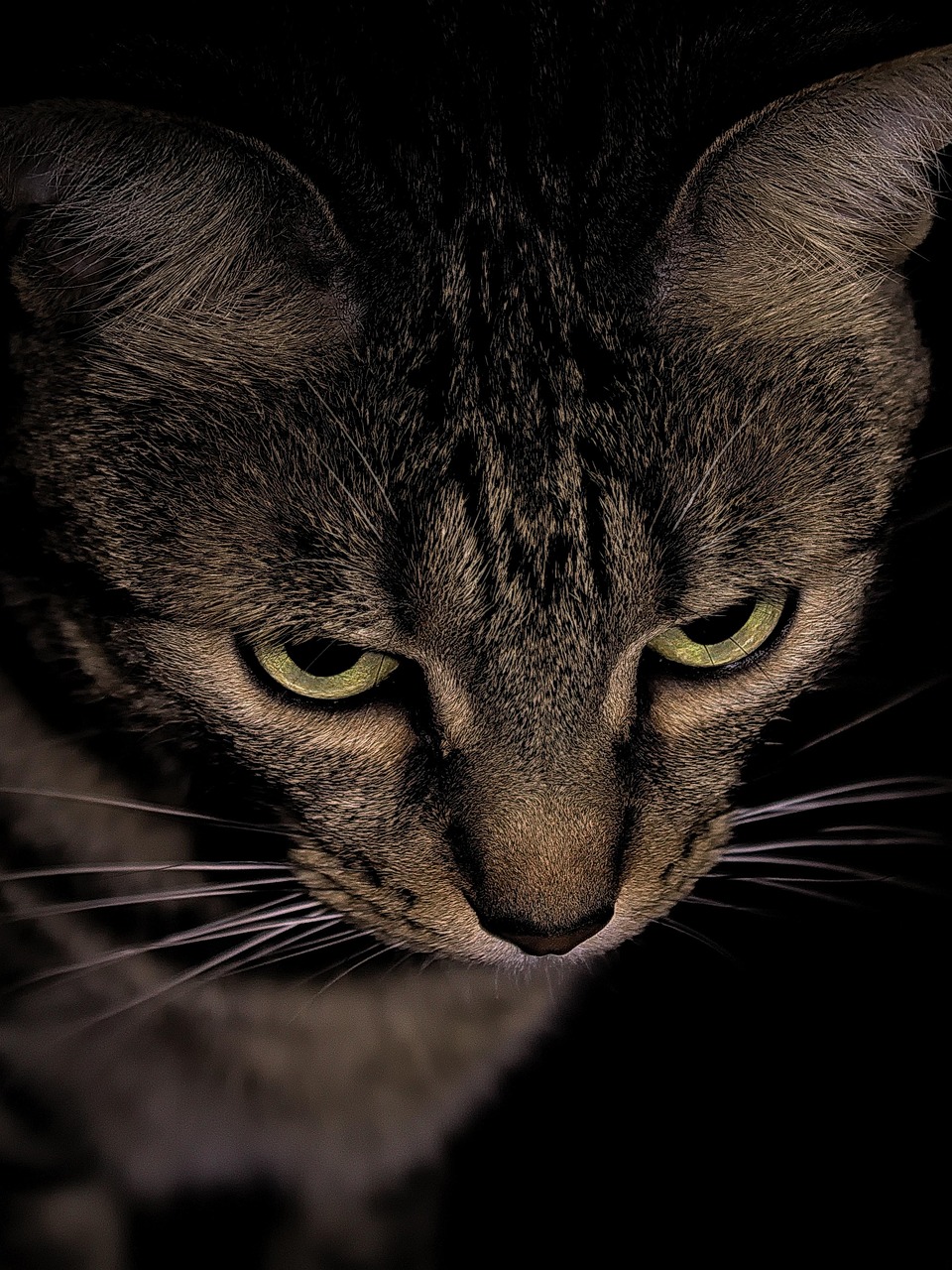
Understanding why cats have natural activity peaks at certain times helps contextualise their night-time behaviour.
Cats Are Crepuscular, Not Nocturnal
A common misconception is that cats are purely nocturnal (active at night). In reality, cats are crepuscular animals, meaning they are most naturally active during the twilight hours of dawn and dusk. This is not a behavioural choice or preference. It is a deeply ingrained biological and evolutionary adaptation.
Why crepuscular activity evolved: In the wild, dawn and dusk are prime hunting times when prey animals are most active and visible. Cats evolved to be maximally alert, energetic, and vocal during these periods to hunt effectively. This evolutionary adaptation persists in domestic cats regardless of their lifestyle or the availability of actual prey to hunt.
Practical implications: Domestic cats may show increased activity, restlessness, and vocalisations during evening hours and early morning hours even though their food is provided reliably. Additionally, the artificial light in modern homes can disrupt natural circadian rhythms, causing cats to be more active and vocal at unpredictable times.
When Is Night-Time Meowing Normal?
Mild or occasional vocalisations: A cat that meows occasionally or shows brief periods of playfulness or alertness during the night is displaying normal crepuscular behaviour. This level of vocalisations is expected and should be accepted as part of cat ownership.
Situational meowing: A cat that meows briefly when startled, when responding to outdoor sounds, or during short play bursts is engaging in normal communication and play.
Not normal: Repeated, loud, distressed, or persistent meowing that lasts hours, prevents the cat from sleeping, prevents owners from sleeping, or represents a sudden change from the cat's normal behaviour is not normal crepuscular activity and warrants investigation.
The distinction: Normal crepuscular activity is predictable, relatively brief, and part of the cat's natural cycle. Excessive night-time meowing is disruptive, persistent, and often signals an underlying problem requiring intervention.
Common Reasons Cats Meow at Night: When Vocalisations Signal Problems

Attention-Seeking Behaviour
One of the most common reasons cats meow excessively at night is because they have learned that meowing produces results.
How the behaviour develops: If a cat meows and you respond by getting up, turning on lights, providing food, playing, offering cuddles, or even shouting at the cat, you have inadvertently reinforced the meowing behaviour. Cats are remarkably intelligent and quickly associate their vocalisation with a reward (even negative attention is attention, which many cats find rewarding).
The problem: Once a cat learns that meowing gets a response, they continue the behaviour because it works. Each time you respond—even if you intend to discourage it—you reinforce the meowing cycle. The behaviour actually becomes more persistent because intermittent rewards (you do not respond every time) create the strongest conditioning.
Recognition: Attention-seeking meowing typically happens right when you get into bed or shortly after, suggesting the cat has learned this is when they can get your attention most reliably. The meows may sound insistent or demanding rather than distressed.
Hunger
Cats may meow at night for legitimate hunger-related reasons.
Why cats meow for food at night:
- Genuine hunger: Some cats may have irregular feeding schedules or genuinely empty stomachs at night
- Inconsistent meal times: Cats fed at varying times struggle to develop expectations about when food will arrive
- Early-morning meal expectations: Cats that are typically fed early in the morning may anticipate food and cry to trigger feeding
- Free-feeding absence: Cats accustomed to free-feeding (food always available) may become distressed when food is unavailable at night
Addressing hunger-related meowing: Establishing consistent meal times, feeding a small meal in the early evening, and ensuring your cat is not actually malnourished helps address genuine hunger-related vocalisations.
Boredom and Lack of Environmental Enrichment
Indoor cats without sufficient mental and physical stimulation may become restless and vocal at night.
The enrichment problem: Many indoor cats sleep much of the day due to boredom or lack of stimulation. When they finally become active at night (their natural active time), owners interpret this as nighttime behaviour when it is actually just the cat finally engaging in activity. The meowing reflects frustration, pent-up energy, or boredom.
What cats need for adequate enrichment:
- Interactive play sessions multiple times daily with owner involvement
- Puzzle feeders and food-based enrichment engaging hunting instincts
- Varied toys rotated regularly to prevent boredom from familiar objects
- Vertical territory (cat trees, shelves, window perches)
- Window access for visual stimulation (bird watching)
- Interactive toys cats can use independently (toys they can chase and bat)
Why this matters: A cat that is adequately stimulated and tired during the day is far more likely to sleep through the night. A bored cat will seek stimulation (often through meowing and play) during their natural active periods.
Stress or Anxiety
Environmental changes and stress trigger increased vocalisation in many cats.
Common stress triggers causing night-time meowing:
- Moving to a new house or rearranging furniture in the home
- Introduction of new pets to the household
- New family members (babies, partners, guests)
- Changes to routine or schedule
- Loud noises from neighbours, construction, or traffic
- Changes to feeding or play schedules
Why cats vocalize when stressed: Cats thrive on predictability and routine. When their environment or routine changes, they experience genuine anxiety and insecurity. Excessive meowing is often a stress response, not a behavioural problem. The cat is communicating distress about environmental uncertainty.
Addressing stress-related meowing: Maintaining consistent routines, providing hiding spaces and security, introducing changes gradually, and using pheromone diffusers (Feliway) can help manage stress-related vocalisations.
Mating Behaviour and Hormonal Vocalisations
Unneutered or unspayed cats may vocalize excessively due to reproductive hormones driving mating behaviour.
Female cats in heat:
- Persistent yowling, sometimes described as distressed crying
- Rolling repeatedly on the floor
- Increased affection and rubbing against objects and people
- Increased appetite sometimes
- Behavioural changes including restlessness
Unneutered male cats:
- Deep, loud vocalising and yowling
- Increased roaming behaviour and escape attempts
- Territorial spraying (urine marking)
- Increased aggression
Why neutering resolves this: Neutering or spaying removes the reproductive hormones driving these behaviours. Hormone-driven meowing typically stops completely after surgical sterilisation. For this reason, spaying and neutering is strongly recommended not only for population control but for reducing behavioural problems and improving quality of life for both cat and owner.
Age-Related Cognitive Dysfunction
Senior cats, particularly those over 11 years old, may develop cognitive dysfunction syndrome (CDS), similar to dementia in humans.
Cognitive dysfunction signs:
- Increased vocalisation, often appearing distressed or confused
- Disorientation or seeming lost in familiar spaces
- Pacing or restlessness, particularly at night
- Confusion about time, place, or routine
- Changes in sleep-wake cycles
- Inappropriate elimination (forgetting litter tray use)
- Forgetting familiar people or places
Why it happens: As cats age, their brains undergo changes similar to Alzheimer's disease in humans. These changes can affect cognition, memory, and emotional regulation, causing the cat to become confused and anxious, particularly at night.
Managing cognitive dysfunction: Environmental modifications (night lighting, accessible litter trays, familiar sleeping areas), consistent routines, medications (sometimes prescribed by vets), and supplements (omega-3 fatty acids, SAMe) can help manage symptoms and improve quality of life for cognitively impaired senior cats.
Medical Causes of Night-Time Meowing: When Vocalisations Signal Illness

Excessive night-time meowing can indicate medical conditions requiring veterinary treatment. This is why investigating the underlying cause is so important.
Hyperthyroidism
Overactive thyroid is common in senior cats and creates multiple symptoms including increased vocalisation.
Hyperthyroidism symptoms:
- Excessive or increased vocalisation, sometimes appearing distressed
- Increased appetite despite weight loss
- Restlessness and inability to settle
- Increased energy and activity
- Increased thirst and urination
- Diarrhoea or loose stools
- Matted or poor-quality coat
Why it causes meowing: The overactive metabolism creates anxiety, restlessness, and discomfort, leading to increased vocalisations. The cat is literally experiencing physical discomfort and distress from the hormonal imbalance.
Treatment: Hyperthyroidism is highly treatable with medication, dietary management, or in some cases radioactive iodine treatment. Treatment dramatically improves symptoms including excessive meowing.
High Blood Pressure
Hypertension in cats causes anxiety and behavioural changes including increased vocalisations.
High blood pressure symptoms:
- Increased vocalisation and anxiety
- Restlessness
- Behaviour changes
- Sometimes physical symptoms like nosebleeds or vision problems
Why it matters: Untreated high blood pressure can lead to stroke or organ damage. Diagnosis through blood pressure monitoring and treatment can prevent serious complications.
Pain: Arthritis and Dental Disease
Chronic pain from arthritis or dental disease may cause cats to vocalize, particularly during times when they attempt to rest or settle.
Pain-related meowing characteristics:
- Meowing or crying when attempting to settle or sleep
- Difficulty settling comfortably
- Behaviour changes including irritability
- Reluctance to move or jump
- Difficulty eating or excessive drooling (dental)
Why pain is masked: Cats hide pain as a survival instinct, so pain-related meowing may be the first obvious sign something is wrong. By the time the cat is vocalizing about pain, the underlying condition may be advanced.
Management: Pain management, anti-inflammatory medications, and treatment of underlying dental or arthritic conditions can significantly reduce pain-related vocalisations and improve quality of life.
Kidney Disease and Other Systemic Illness
Chronic kidney disease and other systemic illnesses can cause restlessness and increased vocalisations.
Kidney disease symptoms:
- Increased thirst and urination
- Restlessness and inability to settle
- Increased vocalisations sometimes
- Weight loss and poor appetite
- Lethargy
Why detection matters: Early detection of kidney disease allows management that can extend quality life for months or years. Restlessness and meowing may be the earliest signs prompting investigation.
Warning Signs: When Night-Time Meowing Demands Veterinary Attention

Distinguishing between normal or behavioural meowing and meowing that signals medical problems is critical.
Seek veterinary advice if night-time meowing is accompanied by:
- Sudden onset: If the meowing is new and represents a change from the cat's normal behaviour, investigate the cause
- Distressed sound: Meowing that sounds desperate, pained, or highly distressed warrants immediate evaluation
- Changes in appetite: Increased or decreased eating, or changed food preferences, paired with meowing suggests medical issues
- Weight changes: Sudden weight loss or weight gain, particularly with increased vocalisations, warrants investigation
- Litter tray changes: Changes in urination or defecation patterns combined with meowing suggest medical problems
- Lethargy or behavioural changes: A cat that seems unwell or shows personality changes alongside meowing needs veterinary evaluation
- Elderly cat with confusion: An older cat showing signs of disorientation, pacing at night, or cognitive changes needs professional assessment
- Restlessness preventing sleep: A cat unable to settle or sleep due to restlessness and meowing needs investigation
The rule of thumb: When in doubt, seek veterinary evaluation. Night-time meowing accompanied by other symptoms is usually not purely behavioural and often signals a treatable medical condition.
Managing Night-Time Meowing: Practical Strategies

Once medical causes have been ruled out or managed, behavioural strategies can reduce disruptive night-time meowing.
Increase Daytime Activity and Stimulation
Strategic play scheduling: Schedule interactive play sessions during daytime hours, particularly in late afternoon or early evening, before your typical bedtime. A tired cat is far more likely to sleep through the night.
Play session intensity: Aim for play sessions that genuinely tire the cat—sessions lasting 15 to 30 minutes where the cat is actively hunting and chasing. Use wand toys, laser pointers, or balls that engage the cat's predatory instincts.
Puzzle feeders and enrichment: Rotating puzzle feeders, food-based toys, and interactive toys keeps the cat mentally engaged during the day, reducing boredom-related meowing at night.
Environmental enrichment: Provide vertical spaces, window perches for bird watching, and varied toys that the cat can interact with independently.
Establish Consistent Routines
Cats feel secure with predictable schedules. Consistency reduces stress-related meowing.
What to maintain consistently:
- Feeding times (ideally same time each day)
- Play sessions (same time daily)
- Sleep routine (consistent bedtime for owner and cat)
- Household activity patterns
Why consistency matters: When cats know when to expect food, play, and interaction, they develop security and reduced anxiety. Unpredictable routines create stress that manifests as night-time vocalisations.
Feed a Small Meal Before Bedtime
A light evening meal 1 to 2 hours before bed can reduce hunger-related meowing and encourage sleep.
Why this works: In nature, cats hunt, eat, then rest. A small meal before bedtime mimics this natural cycle, often encouraging the cat to rest afterwards. Additionally, a satisfied cat is less likely to wake hungry during the night.
Portion consideration: Keep the meal small to avoid overfeeding. The goal is satisfying hunger without creating digestive upset.
Avoid Reinforcing Attention-Seeking Meowing
This is perhaps the most important behaviour management step but requires consistency and patience.
How to stop reinforcing meowing:
- Do not respond immediately: When the cat meows for attention, do not get up, turn on lights, or respond in any way that reinforces the meowing
- Avoid negative attention: Do not shout at the cat, chase it, or engage negatively. Negative attention still rewards the meowing behaviour
- Reward quiet behaviour: When the cat is quiet, provide attention, treats, or play. This teaches that quiet results in reward
- Be consistent: This is critical. If you respond sometimes and ignore other times, you create intermittent reinforcement that actually strengthens the meowing behaviour
Expect extinction burst: When you first stop responding to attention-seeking meowing, the cat typically increases meowing intensity and frequency before improving. This "extinction burst" is normal and should not discourage you. Continue ignoring, and behaviour will eventually improve.
Provide Comfort for Senior Cats
Older cats experiencing cognitive changes or general age-related discomfort benefit from environmental modifications:
- Dim night lighting: Leave low-level lighting so the cat can navigate without confusion if disoriented
- Accessible litter trays: Multiple litter trays placed in easily accessible locations prevent accidents from confusion or inability to locate trays
- Familiar sleeping areas: Maintain the cat's preferred sleeping spots and bedding for comfort and security
- Consistent routine: Predictable schedules help orient confused senior cats
Understanding Your Cat's Communication

Night-time meowing is your cat's way of communicating something. Rather than simply trying to silence the meowing, your role is to determine what your cat is trying to tell you. Is your cat communicating boredom, hunger, stress, medical distress, or simply seeking attention? The answer determines the appropriate response.
By investigating thoroughly, ruling out medical causes, understanding your cat's daily needs and environment, and responding with appropriate strategies, you address the underlying cause rather than just treating the symptom. This approach respects your cat's communication whilst improving both your sleep and your cat's wellbeing.
Cats are naturally crepuscular (active at dawn and dusk), so some evening and early-morning activity is expected, but persistent, loud, or distressed night-time meowing represents communication about an unmet need or underlying problem requiring investigation. Common behavioural causes of excessive night-time meowing include attention-seeking behaviour (rewarded by any owner response), genuine hunger from inconsistent feeding schedules, boredom and lack of environmental enrichment causing pent-up energy, stress or anxiety from environmental changes or disruptions to routine, and hormonal meowing from unneutered or unspayed cats (which resolves after spaying or neutering). Age-related cognitive dysfunction in senior cats (similar to dementia) causes disorientation, pacing, increased vocalisations, and confusion, requiring environmental accommodations and veterinary support. Critical medical causes of excessive meowing include hyperthyroidism causing restlessness and anxiety, high blood pressure triggering anxiety and behaviour changes, pain from arthritis or dental disease especially when settling to rest, and kidney disease or other systemic illness causing restlessness. Sudden-onset meowing or meowing accompanied by appetite changes, weight changes, litter tray changes, lethargy, behaviour changes, or distressed sounds warrants immediate veterinary evaluation to rule out medical causes. Management strategies for behavioural meowing include increasing daytime activity and enrichment to tire the cat, establishing consistent feeding and play routines providing security, feeding a light meal before bedtime mimicking natural hunting-rest cycles, and crucially, avoiding reinforcement of attention-seeking meowing by ensuring any response (even negative attention) does not reward the behaviour. Managing senior cats with cognitive changes requires dim night lighting, accessible litter trays, familiar sleeping areas, and consistent routines to reduce disorientation. The key principle is understanding that meowing is communication and determining what the cat is communicating rather than simply attempting to silence the symptom.
This guide is based on feline behaviour science and veterinary standards for evaluating night-time vocalisations. Individual cats may have varying causes for excessive meowing based on age, health status, personality, and environmental factors. Any sudden change in vocalisations or meowing accompanied by other symptoms warrants prompt veterinary evaluation. Some medical conditions causing meowing require specialist evaluation or treatment for optimal outcomes.