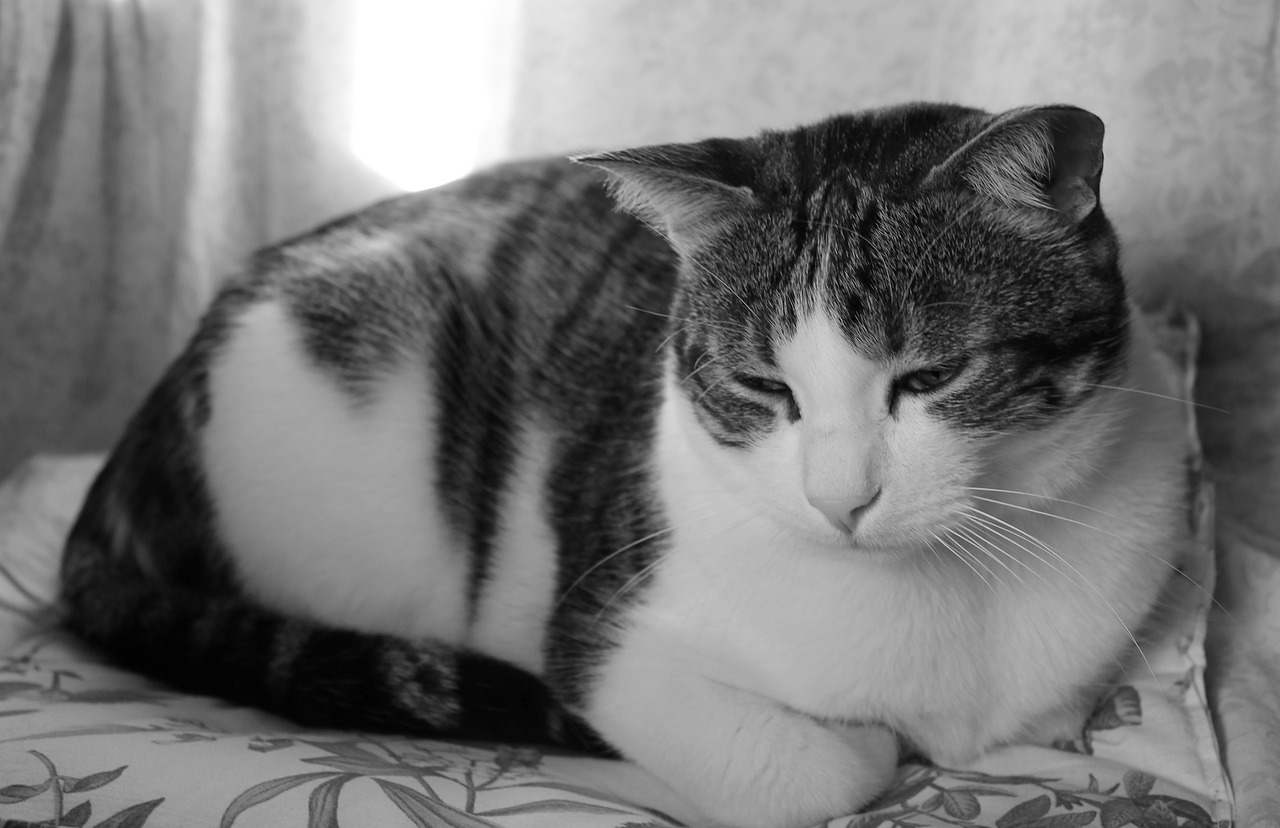
Cats are often stereotyped as independent, emotionally reserved creatures seemingly indifferent to human connection or emotional nuance. However, modern veterinary behaviour science definitively confirms that cats experience genuine emotions including fear, contentment, affection, and importantly, emotional distress. Whilst "depression" in cats is not diagnosed using the exact psychological framework applied to human clinical depression, cats absolutely can develop depression-like behavioural syndromes characterised by sustained low mood, behavioural withdrawal, and loss of interest in normal activities. These changes are triggered by stress, loss, chronic pain, environmental disruption, or other welfare challenges. Understanding that cats experience real emotional distress, learning to recognise the signs, and knowing how to respond appropriately are essential aspects of responsible cat ownership. Many cats suffer unnecessarily because their owners mistake signs of emotional distress for personality quirks, failing to recognise that the cat is communicating genuine distress and requires intervention.
This comprehensive guide explores whether cats can experience depression, identifies the common causes of depression-like symptoms in cats, describes how to recognise signs of emotional distress, explains why medical evaluation is critical, provides practical strategies for supporting emotionally distressed cats, and offers guidance on when professional help is necessary. By understanding feline emotional wellbeing and responding appropriately to signs of distress, you can significantly improve your cat's quality of life and mental health.
Can Cats Experience Depression? The Science of Feline Emotions

Understanding Feline Emotional Experience
Cats do not experience depression in the exact way humans do, as they do not have access to the complex self-reflective, linguistic, and existential processes that characterise human depression. However, they absolutely experience emotional states and can develop depression-like behavioural syndromes that reflect genuine emotional distress.
Depression-like syndromes in cats are characterised by:
- Sustained withdrawal: Loss of normal social engagement and reduced interaction with humans or other animals
- Reduced activity and lethargy: Decreased interest in play, exploration, and normal movement
- Appetite changes: Reduced food intake or complete appetite loss
- Altered sleep patterns: Excessive sleeping or disrupted sleep-wake cycles
- Loss of interest in previously enjoyed behaviours: Play, hunting games, interactive toys, or social interaction that previously engaged the cat now hold no interest
- Behavioural suppression: The cat seems emotionally "dampened" or unresponsive
The key distinction: Whilst the neurochemistry and phenomenology differ from human depression, these behavioural syndromes represent genuine emotional distress that negatively impacts the cat's quality of life. The suffering is real, even if the mechanism differs from human depression.
Why Cat Emotional Wellbeing Matters
Emotional wellbeing is not a luxury or secondary concern in feline health. A cat experiencing prolonged emotional distress or depression-like symptoms is suffering. This suffering:
- Reduces quality of life
- Impairs physical health (stress suppresses immune function)
- Can trigger or worsen medical conditions
- Reflects underlying problems requiring identification and intervention
- Often serves as an early warning sign of medical illness
Supporting your cat's emotional and mental health is as fundamental to responsible ownership as providing food, shelter, and medical care.
Common Causes of Depression-Like Symptoms in Cats

Grief and Loss: Feline Emotional Attachment
Cats form strong emotional attachments to specific individuals—human or animal companions—and experience genuine grief when those attachments are severed through death or disappearance.
What cats may grieve:
- Loss of a feline companion: A cat bonded to another household cat experiences genuine loss when that companion dies or is permanently removed
- Loss of a human caregiver: A cat bonded to a specific person (owner, regular caregiver, child) experiences distress when that person dies, moves away, or becomes unavailable
- Loss of a dog or other companion: Cats bonded to dogs or other household animals experience loss when those companions are gone
Grief responses in cats:
- Searching behaviour (meowing, looking for the absent companion)
- Withdrawn, depressed demeanour
- Reduced appetite and interest in play
- Excessive sleeping
- Changes in vocalisation
- Increased clinginess to remaining family members (or withdrawal, depending on the cat)
Duration and recovery: Grief in cats is not instantaneous. It evolves over weeks, with most cats gradually readjusting. The intensity depends on the strength of the attachment and the individual cat's resilience.
Major Environmental Changes
Cats depend profoundly on routine and environmental stability. Major disruptions trigger stress responses that, if unresolved, evolve into depression-like symptoms.
Environmental changes causing distress:
- Moving to a new house: Loss of familiar territory, scents, and spatial layout creates significant stress
- Renovations or redecorating: Changes to the familiar home environment trigger anxiety and disorientation
- Introduction of new pets: New animals disrupt established territory and social dynamics
- Birth of a human baby: Changes in household activity, noise, and owner attention create stress
- Rearrangement of furniture: Even significant furniture moves in familiar homes disrupt spatial navigation and security
- Changes in owner schedule: Alterations to feeding or play times disrupt the predictable routine the cat depends on
- Owner absences or hospitalisations: Lengthy separation from a bonded owner creates stress and anxiety
Why routine matters: Cats do not have the cognitive flexibility to quickly adapt to environmental change. Predictability provides security; disruption creates anxiety that, when prolonged, manifests as depression-like withdrawal.
Chronic Stress From Multiple Sources
Long-term stress accumulates, suppressing normal behaviours and reducing emotional resilience.
Chronic stress sources in cats:
- Multi-cat conflict: Ongoing tension between household cats creates constant low-level stress for both the aggressor and the victim
- Competition over resources: Sharing of litter trays, feeding areas, or resting spots creates territorial stress and competition anxiety
- Loud or unpredictable environment: Loud noises, construction, busy households, or unpredictable activity create persistent anxiety
- Lack of safe spaces: Homes without quiet areas, hiding spots, or elevated resting places leave cats feeling vulnerable and exposed
- Insufficient litter trays: Inadequate toilet facilities create stress and territorial conflict in multi-cat homes
- Excessive handling or interaction: Some cats are stressed by too much human interaction or physical contact
The accumulation effect: Chronic stress wears down the cat's emotional resilience. Even cats naturally inclined toward affection and engagement may withdraw and suppress normal behaviours when experiencing prolonged stress.
Boredom and Environmental Under-Stimulation
Indoor cats lacking appropriate enrichment experience chronic boredom that manifests as lethargy and behavioural dullness.
What cats need for mental stimulation:
- Interactive play engaging hunting instincts
- Climbing opportunities and vertical territory
- Puzzle feeders and food-based enrichment
- Window perches for observing outdoor activity
- Varied toys and environmental complexity
- Daily interactive play sessions (not just access to toys)
How under-stimulation presents: A bored cat appears lethargic and disengaged. They may seem content (sleeping a lot) but lack the behavioural richness and engagement of an appropriately stimulated cat. Boredom-related depression manifests as apathy rather than obvious distress.
Underlying Medical Conditions: Why Medical Evaluation Is Essential
Many medical illnesses present with depression-like behavioural changes. Medical causes must always be ruled out before assuming behavioural depression.
Medical conditions commonly presenting as depression-like symptoms:
- Chronic pain: Arthritis, dental disease, or other pain conditions cause withdrawal, reduced activity, appetite changes, and lethargy
- Dental disease: Painful teeth lead to appetite loss, reduced grooming, and behavioural withdrawal
- Arthritis: Joint pain causes reduced activity, difficulty jumping or moving, and apparent "depression" that is actually pain-related limitation
- Kidney disease: Progressive kidney failure causes lethargy, appetite loss, and reduced activity
- Thyroid disorders: Both hyperthyroidism and hypothyroidism cause behavioural changes including lethargy or hyperactivity
- Gastrointestinal problems: Nausea, malabsorption, or other digestive issues cause appetite loss, lethargy, and withdrawal
- Diabetes: Undiagnosed or poorly managed diabetes causes lethargy and behaviour changes
- Cancer or other serious illness: Terminal or progressive illnesses cause lethargy and withdrawal
- Infections: Fever and systemic infections suppress normal behaviour and cause lethargy
The critical importance of medical assessment: A cat presenting with depression-like symptoms requires thorough veterinary evaluation to exclude medical causes before assuming behavioural depression. Many cats misdiagnosed as "depressed" are actually suffering from treatable or manageable medical conditions that, once identified and treated, result in dramatic behavioural improvement.
Recognising Depression in Cats: Signs and Symptoms

Recognising the signs of depression allows early intervention before severe welfare impacts develop.
Common signs of depression or emotional distress in cats:
- Eating less or refusing food: Appetite loss is one of the most obvious signs. A previously enthusiastic eater showing disinterest in meals indicates distress
- Sleeping significantly more: Excessive sleeping beyond the normal 12-16 hours daily suggests lethargy and depression. The cat appears to be withdrawing through sleep
- Reduced grooming: A depressed cat may stop grooming properly, resulting in a dull, unkempt coat. Grooming neglect indicates welfare compromise
- Hiding more than usual: A previously social cat spending excessive time hidden away suggests fear, anxiety, or depression
- Avoiding interaction: Reduced initiation of contact with owners or other household animals; the cat seems uninterested in companionship
- Reduced or absent play behaviour: Toys that previously engaged the cat now hold no interest. The cat shows no enthusiasm for play
- Decreased vocalisation: A talkative cat becoming quiet; reduced meowing or other vocalisations suggests emotional suppression
- Lethargy and lack of energy: The cat seems exhausted even after resting; movement is slow and effortful
Additional possible signs:
- Increased irritability or aggression (some depressed cats show anger rather than withdrawal)
- Overgrooming or hair loss from excessive grooming (stress-related manifestation)
- Changes in litter tray habits (avoiding trays, inappropriate elimination, reduced frequency)
- Weight loss from reduced eating or changes in eating behaviour
- Apparent discomfort or pain (limping, reluctance to move, sensitivity to touch)
Duration threshold: A single day of withdrawn behaviour or reduced appetite can be normal and often self-resolves. However, if symptoms persist for more than several days (typically more than 3 to 5 days), professional veterinary evaluation is warranted. The longer symptoms persist, the more important intervention becomes.
Depression vs Physical Illness: Why Veterinary Assessment Is Critical

Because behavioural depression and physical illness present with identical or overlapping symptoms, proper veterinary assessment is absolutely essential.
Diagnostic procedures to exclude medical causes:
- Comprehensive physical examination: Careful assessment of body condition, mobility, pain response, and general health status
- Blood tests (bloodwork): Evaluation of organ function (kidney, liver), glucose levels, thyroid function, electrolytes, and other markers of systemic health
- Urinalysis: Assessment of kidney function and screening for diabetes or other urinary system disease
- Dental examination: Evaluation of teeth and gums for dental disease that might be causing pain and behaviour changes
- Pain assessment: Specific evaluation for arthritis, joint disease, or other sources of pain
- Abdominal palpation: Assessment of internal organs for abnormalities
- Additional testing if indicated: Depending on initial findings, further testing (X-rays, ultrasound, additional blood work) may be recommended
Why this matters: A cat with treatable arthritis should receive pain management and treatment, not behavioural counselling for depression. A cat with early kidney disease requires specific dietary and medical management. Medical causes must be definitively excluded before depression-related causes are assumed.
How Long Does Depression Last in Cats?

The duration of depression-like symptoms depends on the underlying cause and the interventions implemented.
Typical recovery timelines:
- Short-term stress reactions: If caused by temporary stress or minor changes, many cats recover within days to one or two weeks with reassurance and stability
- Grief-related changes: Cats grieving loss of a companion typically show improvement over several weeks as they adjust. The grieving process cannot be rushed but usually improves gradually
- Environmental change adjustment: Moving homes or major environmental changes typically require 2-4 weeks for cats to adjust, though adjustment period varies
- Chronic stress or untreated illness: Without intervention, prolonged depression or untreated medical conditions can cause persistent behavioural suppression lasting months or longer
Why early intervention matters: Cats receiving prompt support—either treatment for underlying medical conditions or environmental intervention for stress—recover more quickly than cats whose distress is ignored or dismissed. Early action prevents depression from becoming entrenched.
How to Help a Depressed Cat: Practical Strategies

Re-Establish Routine and Predictability
Cats feel emotionally secure when their world is predictable. Creating and maintaining consistent routines helps restore security.
Routine elements to maintain or establish:
- Feeding times: Feed at exactly the same times daily. Consistency allows the cat to anticipate and feel secure about meal availability
- Play sessions: Interactive play at consistent times daily provides predictable engagement and mental stimulation
- Sleeping areas: Maintain the cat's familiar sleeping spots and comfortable resting areas
- Interaction patterns: Consistent availability and interaction rhythm helps the cat feel secure about human presence
Increase Environmental Enrichment
Enrichment stimulates natural behaviours and provides mental engagement, countering the lethargy and disinterest of depression.
Enrichment strategies:
- Interactive wand toys: Daily play with wand toys engages hunting instincts and provides active engagement
- Puzzle feeders: Food-based enrichment that engages problem-solving and provides stimulation during eating
- Climbing structures: Cat trees, shelves, and vertical spaces provide enrichment and security through vertical territory
- Scratching posts: Appropriate scratching surfaces for claw maintenance and scent-marking behaviour
- Window perches: Positions for observing outdoor activity provides mental stimulation and engagement
- Daily interactive play: 10 to 15 minutes of interactive play with the owner, twice daily, significantly improves engagement and mood
Encourage Voluntary Social Interaction
Rather than forcing interaction on the depressed cat, create opportunities for the cat to choose engagement.
Supporting voluntary interaction:
- Allow the cat to approach you for attention rather than pursuing them
- Respect when the cat indicates they want to stop interaction and allow them to retreat
- Provide quiet, low-pressure companionship in the same room without demanding engagement
- Avoid forcing physical contact on a withdrawn cat
Optimise the Home Environment
Environmental modification reduces stress and competition, supporting the depressed cat's recovery.
Environmental optimisation:
- Multiple litter trays: In multi-cat homes, provide one tray per cat plus one extra. Adequate trays reduce territorial stress
- Separate feeding stations: If multiple cats are present, separate feeding areas reduce competition and resource-related stress
- Quiet resting areas: Designated quiet zones where the cat can retreat undisturbed promote security
- Vertical space: Elevated resting areas give the cat escape routes and security in their environment
- Reduced household activity: Minimising unnecessary noise and chaos supports emotional recovery
Supporting Cats Experiencing Grief
Cats grieving loss of a companion benefit from specific support strategies.
Grief support approaches:
- Maintain familiar routines: Consistency helps the grieving cat feel grounded and secure
- Offer gentle reassurance: Quiet, supportive companionship helps the cat feel less alone
- Avoid rushing into replacement: Introducing a new companion immediately often increases stress rather than helping. Allow the cat time to grieve and adjust
- Recognise individual timelines: Some cats adjust within weeks; others take longer. The process cannot be rushed
- Future companionship: After adequate adjustment time, some cats benefit from introduction of a new companion. Others prefer to remain alone. Follow the individual cat's cues
Pheromone Support
Veterinary-recommended pheromone products (such as Feliway) may help create a calmer environment and reduce stress.
How pheromones work: Synthetic cat pheromones mimic natural calming compounds cats produce, potentially reducing anxiety in stressful situations. Some cats show noticeable benefit; responses vary individually.
Behavioural Consultation
If depression-like symptoms persist beyond several weeks despite environmental support and medical clearance, professional behavioural help may be beneficial.
When to seek professional behaviour support:
- A veterinary behaviourist (a veterinarian with specialist training in behaviour)
- A certified feline behaviour consultant (a non-veterinarian behaviour specialist with recognised credentials)
What they provide: Structured assessment of the individual cat's situation and development of customised behavioural modification plans addressing the specific causes of distress.
Medication (In Severe Cases)
In rare, severe cases where a depressed cat's welfare is significantly compromised and other interventions have not helped, veterinarians may prescribe behavioural medications.
Important context about medication:
- Medication is never the first-line intervention for depression in cats
- It is only considered after medical causes are excluded and environmental interventions have been attempted
- Any medication use must be supervised professionally with regular monitoring
- Medication is typically used alongside continued environmental modification, not instead of it
When to Seek Immediate Veterinary Attention

Some symptoms accompanying depression-like behaviour require urgent veterinary evaluation.
Contact your veterinarian urgently if your cat:
- Stops eating for more than 24 hours (loss of appetite in cats can quickly become dangerous)
- Shows rapid weight loss
- Becomes extremely lethargic or unresponsive
- Has difficulty breathing
- Displays sudden, drastic behaviour changes
- Shows signs of pain or distress
- Develops symptoms beyond depression (vomiting, diarrhoea, other illness signs)
Why urgency matters: Whilst mild depression-like symptoms warrant veterinary evaluation, certain symptoms are more immediately concerning. Anorexia (loss of appetite), especially prolonged, can trigger serious liver disease in cats. These emergent symptoms require prompt assessment.
Preventing Depression in Cats

Prevention is far easier than treatment. Proactive strategies support your cat's emotional wellbeing.
Depression prevention strategies:
- Maintain consistent routines: Predictability is the foundation of feline emotional security
- Provide daily enrichment: Regular interactive play and environmental engagement prevent boredom and depression
- Monitor inter-cat relationships: Ensure harmony in multi-cat households; address conflict before it becomes chronic stress
- Schedule regular health checks: Annual (or biannual for seniors) veterinary exams catch medical problems early before they cause behavioural changes
- Observe behaviour changes early: Notice and respond to subtle changes before they become entrenched problems
The foundation principle: Mental health is part of overall feline welfare. A cat with appropriate enrichment, consistent routine, good health, safe environment, and positive human relationships is far less likely to experience depression.
Whilst cats do not experience depression identically to humans, they absolutely experience depression-like behavioural syndromes characterised by sustained low mood, withdrawal, reduced activity, appetite changes, altered sleep, and loss of interest in normal behaviours representing genuine emotional distress requiring identification and intervention. Common causes include grief from loss of bonded companions (human or animal), major environmental changes disrupting routine and security (moving, renovations, new pets), chronic stress from multi-cat conflict or resource competition, boredom and mental under-stimulation in indoor cats lacking enrichment, and critically, underlying medical conditions (arthritis, dental disease, kidney disease, thyroid disorders, gastrointestinal problems) that must be ruled out through veterinary evaluation before assuming behavioural depression. Recognition signs include reduced eating or appetite loss, excessive sleeping, reduced grooming, more hiding than usual, avoidance of interaction, reduced play behaviour, decreased vocalisation, lethargy, and occasionally increased irritability or overgrooming. Medical evaluation is essential as many medical illnesses present identically to behavioural depression; thorough assessment including physical examination, blood tests, urinalysis, and dental evaluation must exclude medical causes. Duration varies by cause: short-term stress reactions resolve within days to weeks, grief-related changes improve over weeks, while chronic stress or untreated illness may cause prolonged behavioural suppression. Support strategies include re-establishing routine and predictability, increasing environmental enrichment (interactive play 10-15 minutes twice daily, puzzle feeders, climbing structures, window perches), encouraging voluntary social interaction without forcing contact, optimising home environment (multiple litter trays in multi-cat homes, separate feeding stations, quiet resting areas), supporting grief through familiar routines and gentle reassurance without rushing replacement, considering pheromone support, and if symptoms persist, seeking professional behavioural consultation. Severe cases may warrant veterinary medication alongside environmental modification. Urgent veterinary attention is needed if cat stops eating for over 24 hours, shows rapid weight loss, becomes extremely lethargic, has difficulty breathing, or shows sudden drastic changes. Prevention focuses on maintaining consistent routines, providing daily enrichment, monitoring inter-cat relationships, scheduling regular health checks, and early observation and response to behaviour changes. Mental health is fundamental to feline welfare.
This guide is based on feline behaviour science and veterinary standards for assessing depression-like symptoms in cats. Individual cats may have varying presentations of emotional distress based on personality, prior experiences, health status, and environmental factors. Any persistent change in behaviour or signs of distress should be evaluated by a veterinarian to identify underlying causes. Some cases of feline depression may require specialist behavioural evaluation or veterinary treatment for optimal outcomes.