Cats are frequently described as independent, self-sufficient, and low-maintenance pets, particularly when compared to dogs that require daily walks, constant supervision, and extensive training. This reputation has led many people to adopt cats believing they are making a minimal time and financial commitment. However, this common perception fundamentally misrepresents the true nature of cat ownership and can set new cat owners up for failure. Whilst cats may not require daily walks like dogs, they possess deeply complex physical, emotional, and environmental needs that demand considerable time, knowledge, consistency, and financial investment.
This comprehensive guide explains why cats are actually high-maintenance pets despite their reputation for independence, explores the various dimensions of responsible cat care, and describes what genuine commitment to feline wellbeing truly involves. By understanding the full scope of cat care requirements, you can develop realistic expectations and provide your cat with the attentive, informed care that allows them to thrive physically, emotionally, and behaviourally.
The Myth of the "Low-Maintenance" Cat

The reputation of cats as low-maintenance pets is rooted in some genuine truths. Cats are self-sufficient in certain ways that dogs are not. They groom themselves without requiring baths, they use litter trays without needing house training, and they do not demand outdoor exercise sessions. These visible forms of self-sufficiency create a superficial impression that cat care is simple and requires minimal owner involvement.
However, this surface-level view obscures a critical truth: Many of a cat's most important needs are invisible or subtle, operating behind the scenes in ways that owners must actively understand and address. Because cats do not demand attention as loudly or obviously as dogs do, their complex needs are easily overlooked or underestimated.
The dangerous consequence of this myth: When cat owners believe their cats require minimal care, they often neglect critical health monitoring, environmental enrichment, preventive veterinary care, and emotional support. These oversights do not result in cats that are "fine" or "independent." They result in stressed, unwell, or behaviourally troubled cats whose suffering develops silently because they instinctively hide illness and distress.
Responsible cat ownership requires recognising that cats have extensive, complex needs that must be actively and consistently met. Cats are independent in some ways, but independence does not equal low maintenance.
Cats Have Complex Health Needs

Preventive Veterinary Care Is Essential
Responsible cat ownership requires consistent, ongoing veterinary care from kittenhood through old age. This is not optional or negotiable. It is a fundamental responsibility.
Core veterinary care requirements:
- Annual health checks: Even apparently healthy cats require annual physical examinations where a veterinarian evaluates overall health, listens to heart and lungs, palpates the abdomen, and assesses for subtle signs of illness
- Vaccinations: Cats require vaccinations against serious, potentially fatal diseases like feline infectious enteritis and feline leukaemia virus, with booster schedules varying based on lifestyle and risk factors
- Parasite prevention: Year-round flea, tick, and worm prevention is necessary for cats of all ages, not just outdoor cats. Indoor cats can contract parasites through contaminated food, other pets, or accidental exposure
- Dental assessments: Approximately 70 percent of cats by age three suffer from dental disease, which requires professional assessment and often dental cleaning or extractions
- Blood work and screening: As cats age, periodic blood work helps detect kidney disease, diabetes, thyroid problems, and other age-related conditions before they become critical
The Challenge of Feline Illness Concealment
Cats are evolutionary masters at hiding illness and distress. In the wild, showing weakness invites predation, so cats have developed sophisticated instincts to conceal any sign of vulnerability. This survival mechanism, which served wild cats well, creates serious problems for domestic cat owners trying to monitor health.
Why cat illness is hard to detect: By the time a cat shows obvious symptoms like vomiting, lethargy, or refusing food, the condition has often progressed significantly. Many serious diseases like chronic kidney disease, diabetes, and hyperthyroidism develop silently over months or years before becoming obvious. Owners who rely on visual symptoms to determine when veterinary care is needed often miss critical early intervention opportunities.
The owner's responsibility: Responsible cat owners must be proactive observers, learning to recognise subtle changes in appetite, litter box habits, activity level, coat condition, and behaviour. You cannot rely on your cat to tell you when they are unwell. You must actively watch for warning signs and maintain consistent preventive veterinary care.
Specialised Nutritional Requirements
Cats are obligate carnivores with unique nutritional requirements that differ fundamentally from dogs and humans. Meeting these needs requires knowledge, careful product selection, and often financial investment.
Feline nutritional needs:
- High-quality, meat-based protein: Cats require high levels of animal protein (ideally 70-90 percent of diet) from sources like poultry, beef, fish, and organ meats
- Essential amino acids: Particularly taurine, which cats cannot synthesize adequately themselves and must obtain from food
- Age-appropriate formulation: Kittens require different nutrition than adult cats, and senior cats often need modified diets for declining kidney function
- Health condition management: Cats with diabetes, kidney disease, urinary issues, or food sensitivities require specialised diets
- Portion control: Obesity is epidemic in domestic cats. Responsible owners must monitor portions carefully and understand caloric content of different foods
The maintenance challenge: Choosing appropriate food requires reading labels carefully, understanding marketing claims, and often investing in premium products that better meet feline nutritional needs. Budget-friendly foods often contain excessive carbohydrates and low-quality proteins that contribute to obesity, diabetes, and urinary issues.
Consequences of poor nutrition: Inadequate nutrition contributes to urinary tract disease, diabetes, poor coat condition, lack of energy, and reduced lifespan. The financial savings from cheap cat food are often lost to increased veterinary costs treating diet-related diseases.
Grooming and Coat Maintenance Require Active Effort

Whilst cats are famous for their self-grooming abilities, many cats still require significant help from their owners to maintain healthy coats and prevent common grooming-related problems.
Long-Haired Cats: Daily Commitment
Owners of long-haired cats face substantial daily grooming commitments. Without consistent brushing:
- Mats and tangles form quickly, becoming painful and requiring professional removal
- Dead fur accumulation leads to excessive shedding throughout the home
- Hairballs become more frequent and severe, potentially causing dangerous blockages
- Skin problems develop under matted areas where air cannot reach the skin
Responsible long-haired cat ownership requires 15 to 30 minutes of daily brushing. This is not optional if you want to prevent suffering and health problems.
Short-Haired Cats: Weekly Grooming
Even short-haired cats benefit from weekly brushing to remove dead fur, reduce shedding, distribute natural oils, and provide health monitoring opportunities. During grooming sessions, owners can check for lumps, skin issues, parasites, or other health problems.
Nail Trimming: Critical Care
Cat nails require regular trimming, typically every 2 to 4 weeks. Overgrown nails:
- Cause pain and mobility problems
- Lead to self-injury as cats attempt to scratch
- Damage furniture excessively
- Can curl into the paw pad, causing infection
Many cats resist nail trimming, requiring patience, desensitisation training, or professional grooming assistance.
Hairball Management
Hairballs are a constant challenge, particularly for long-haired cats. Regular brushing, hairball-prevention foods, and sometimes medication or supplements are necessary to manage this issue and prevent dangerous blockages.
Litter Tray Management Is More Demanding Than Expected
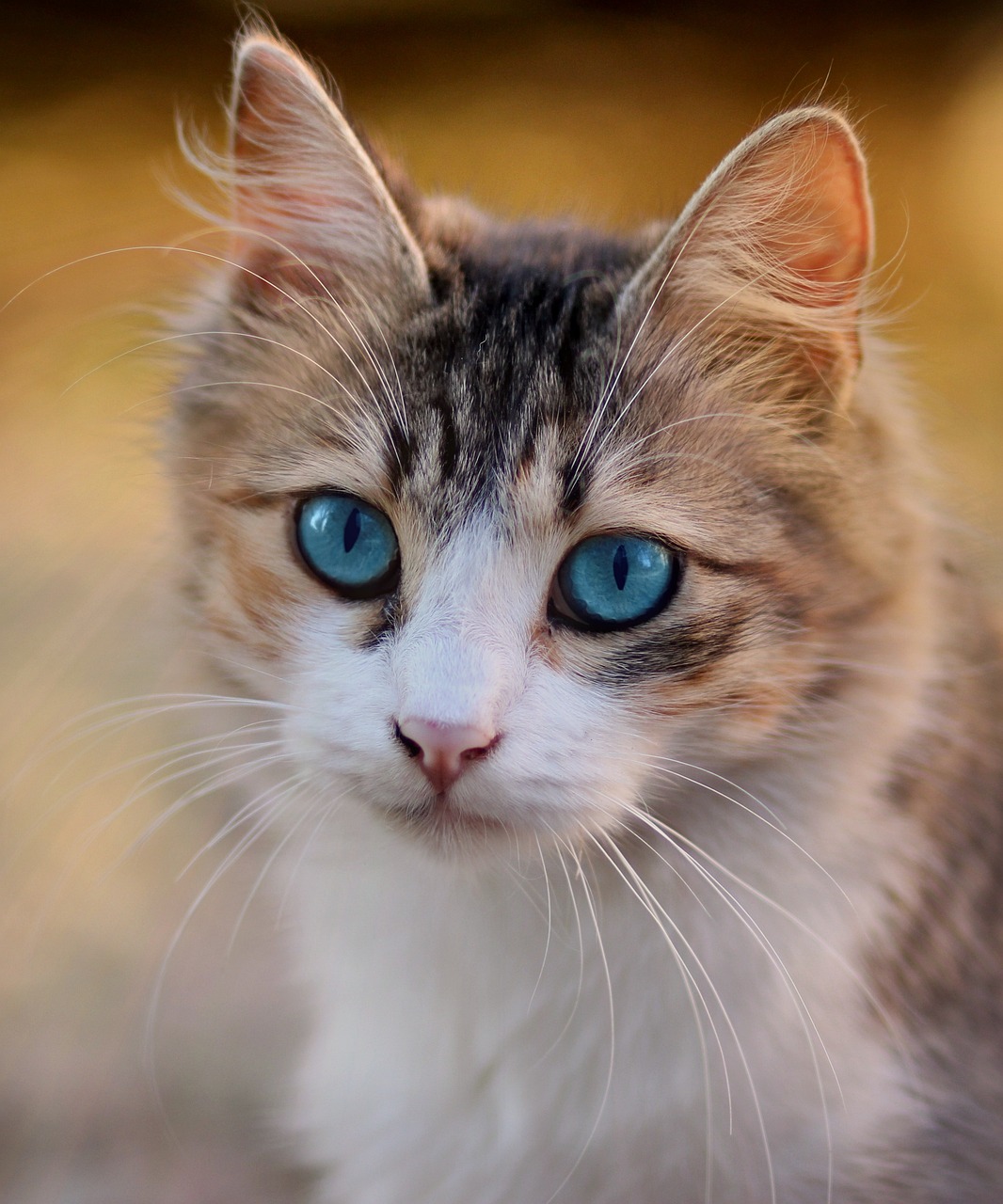
Litter tray management is often underestimated as a maintenance requirement, yet it is critical for cat health and behavioural wellbeing. Neglecting this responsibility creates cascading problems.
Daily Cleaning Requirements
Scooping requirement: Litter trays must be scooped daily, preferably twice daily in multi-cat households. Cats are fastidious animals and will refuse to use dirty trays. A cat that refuses to use the litter tray will eliminate inappropriately, creating house soiling problems.
Why this matters: Dirty litter trays are a major cause of inappropriate elimination, a leading reason cats are surrendered to shelters. Many owners believe their cat is spiteful or has a behavioural problem, when the actual cause is inadequate litter tray hygiene.
Complete Litter Changes
In addition to daily scooping, litter trays require complete litter changes and thorough cleaning typically once weekly. This removes odours, prevents bacterial growth, and keeps trays hygienic.
Multi-Cat Household Complexity
Veterinary behaviourists recommend having one litter tray per cat plus one extra. A four-cat household needs five trays. Managing this many trays requires significant time and litter expense. Inadequate trays in multi-cat homes leads to territorial stress and inappropriate elimination.
Litter Selection Matters
Different cats prefer different litter types. Finding the right litter involves trial and error with various materials, scents, textures, and depths. Some cats are particular enough that wrong litter type alone causes litter tray avoidance.
Tray Placement Strategy
Litter trays should be placed away from food and water, in low-traffic areas where cats feel secure. Placement strategy becomes complex in multi-cat households where subordinate cats may be prevented from accessing trays by more dominant cats.
Environmental Enrichment Is Essential, Not Optional

Cats have complex mental and physical stimulation needs. Without appropriate environmental enrichment, cats develop behavioural and health problems that are often incorrectly attributed to personality or aggression.
What Environmental Enrichment Includes
Interactive play: Cats require regular play sessions using toys like wand toys, laser pointers, balls, and other interactive objects. These sessions should be frequent enough to satisfy natural hunting instincts. Most cats benefit from multiple 10 to 15-minute play sessions daily.
Scratching posts and pads: Scratching is essential for nail maintenance, stretch exercises, and scent marking. Cats require multiple scratching surfaces in different textures (sisal, carpet, cardboard) placed in various locations.
Vertical spaces: Cats are vertical creatures that feel secure in high places. Cat trees, wall shelves, window perches, and climbing furniture provide essential territory and escape routes. Multi-level enrichment allows cats to survey their territory and rest undisturbed.
Safe hiding places: Cats need secure spaces where they can retreat when stressed or overwhelmed. Boxes, caves, and enclosed beds provide essential security.
Window views: Indoor cats benefit enormously from window access where they can observe outdoor activity, birds, and changing scenery. Window perches provide mental stimulation and enrichment.
Puzzle feeders and food enrichment: Using puzzle feeders, hiding food treats, or creating food-based play engages natural hunting instincts and prevents boredom.
Consequences of Inadequate Enrichment
Cats without adequate enrichment develop serious problems:
- Aggression and overly rough play with owners or other cats
- Destructive scratching of furniture and walls
- Obsessive behaviours and self-injury
- Stress-related health issues including urinary problems and digestive upset
- Obesity from inactivity and boredom eating
- Depression and withdrawal
These problems are often incorrectly blamed on the cat's personality or "meanness," when they actually result from the owner's failure to provide necessary enrichment.
Emotional and Behavioural Needs Are Complex

Cats are more emotionally complex than their independent reputation suggests. They form strong bonds, are sensitive to stress, and require emotional support from their owners.
Predictable Routines Matter
Cats thrive on predictability and routine. They need consistent feeding times, consistent sleep schedules, consistent interaction patterns, and consistent environmental conditions. Disruption to routine creates stress, which manifests in health and behavioural problems.
Respecting Personal Space
Responsible cat ownership requires respecting individual cats' need for personal space and autonomy. Forcing interaction, picking up an unwilling cat, or ignoring signals that a cat wants to be left alone creates stress and damages the human-cat relationship.
Positive, Gentle Interaction
Cats require gentle, respectful interaction based on their individual preferences. Some cats are highly affectionate and seek constant interaction. Others are more reserved and prefer limited touch. Responsible owners learn their individual cat's preferences and respect those preferences rather than projecting their own desires for interaction.
Stress Triggers Create Health Problems
Environmental stressors: Changes in environment, new pets or people, loud noises, construction, or moving house all create stress in sensitive cats. Owners must anticipate these stressors and provide extra support during transitions.
Stress-related illness: Cats under stress develop real physical problems including feline lower urinary tract disease, digestive upset, upper respiratory infections, and inappropriate elimination. Stress is not a behavioural problem. It is a genuine health crisis.
Minimising stress requires environmental management, routine consistency, and emotional attentiveness from owners.
Indoor Cats Require Extra Effort and Planning

Keeping cats indoors is the appropriate and responsible choice for cat safety. However, indoor cats rely entirely on their owners to provide everything an outdoor environment naturally offers.
Indoor cat requirements:
- Exercise opportunities: Without access to outdoor running and climbing, indoor cats depend on owners for regular interactive play and physical activity
- Mental stimulation: Owners must provide varied enrichment and toys to prevent boredom in an otherwise unchanging indoor environment
- Sunlight exposure: Cats benefit from natural light and vitamin D synthesis. Window access or outdoor catios provide essential light exposure
- Fresh air access: Safe access to moving air and outdoor scents (via windows, catios, or harness walks) benefits mental and physical health
- Vertical territory: Indoor cats need more vertical space options because they cannot roam widely horizontally
Responsible indoor cat ownership requires significantly more active effort than outdoor cat ownership because the owner must substitute for the environmental stimulation an outdoor cat would naturally encounter.
Financial Responsibility Is Substantial

Cat ownership involves ongoing financial commitment that many first-time cat owners underestimate.
Routine expenses:
- Food: High-quality cat food costs £20 to £40+ monthly depending on brand and quality
- Litter: Monthly litter costs range from £10 to £30+ for single cats, more for multi-cat households
- Routine veterinary care: Annual exams, vaccinations, and parasite prevention typically cost £200 to £400+ annually
- Preventive medications: Flea, tick, and worm prevention ranges from £60 to £150+ annually
Additional expenses:
- Dental care: Professional dental cleaning and extractions can cost £300 to £1,000+
- Grooming supplies and tools: Brushes, nail clippers, nail grinders, and grooming supplies cost £50 to £200+
- Enrichment items: Toys, cat trees, scratching posts, beds, and other enrichment cost £200 to £500+ over a cat's lifetime
- Emergency veterinary care: Unexpected illness or injury can cost £500 to £5,000+ per incident
Pet insurance: Many responsible cat owners invest in pet insurance (£10 to £40+ monthly) to manage unexpected veterinary costs.
Lifetime cost: The total cost of responsible cat ownership over a 15 to 20-year lifespan can easily reach £10,000 to £20,000+, not including major emergencies.
Time Commitment Is Ongoing and Non-Negotiable

Beyond financial investment, cat ownership requires consistent time commitment that cannot be delegated or ignored.
Daily time requirements:
- Litter tray management: 5 to 15 minutes daily for scooping and tray maintenance
- Interactive play: 20 to 40 minutes daily across multiple play sessions
- Feeding and water management: 5 to 10 minutes daily for fresh food and water
- Grooming: 10 to 30 minutes daily for long-haired cats, weekly for short-haired
- Health observation: 5 to 10 minutes daily of attentive observation for behaviour and health changes
- Affection and interaction: Variable time based on cat's needs, but essential for emotional wellbeing
Total daily commitment: Responsible cat ownership requires 45 minutes to 2+ hours daily depending on the individual cat's needs, the number of cats, and coat length.
Why time matters: Owners who do not invest this time cannot monitor their cats' health, cannot provide necessary enrichment, and cannot maintain the routines and emotional connection cats need. Neglecting time investment directly results in health problems, behavioural issues, and deteriorating human-cat relationships.
Why Proper Cat Care Matters
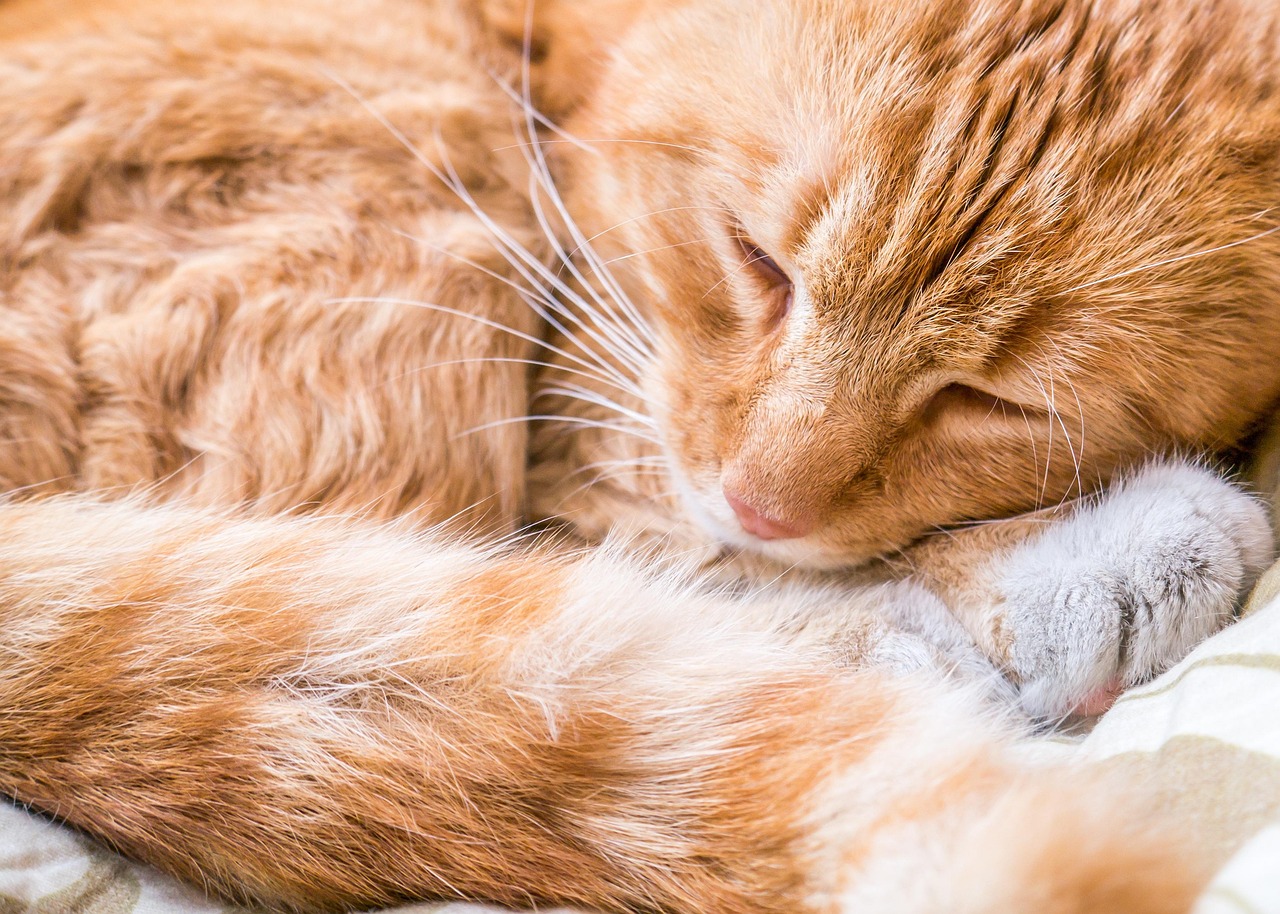
Cats that receive proper, comprehensive care enjoy dramatically different outcomes from cats whose owners treat them as low-maintenance.
Well-cared-for cats are:
- Physically healthier with longer lifespans and fewer chronic diseases
- Emotionally happier, more affectionate, and more engaged
- Behaviourally well-adjusted without aggression or destructive problems
- Mentally stimulated and intellectually engaged
- Less likely to develop stress-related health issues
- Better able to handle life changes and transitions
High-maintenance care does not mean difficult or exhausting care. It means providing consistent, informed, committed care that addresses the cat's full range of needs. This investment yields tremendous rewards in a cat's health, happiness, and lifespan.
Are Cats Worth the Effort?

Absolutely, unequivocally yes. When cared for properly, cats offer extraordinary rewards that justify the maintenance effort.
Benefits of committed cat ownership:
- Companionship: Cats form genuine bonds with their owners and offer loyal, consistent companionship
- Emotional comfort: Cats provide emotional support through their presence, purring, and affection
- Stress reduction: The act of petting and interacting with cats reduces human stress and blood pressure
- Long-term relationship: Cats live 15 to 20+ years, providing decades of companionship and relationship building
- Unconditional acceptance: Cats accept their owners without judgement or expectation of performance
- Daily joy: The quirks, personality, and humour of cats bring daily happiness to households
The time, financial, and emotional investment in proper cat care returns enormous dividends in a fulfilled human-cat relationship and a cat's wellbeing and longevity.
Setting Realistic Expectations

Before adopting a cat, prospective owners should honestly assess whether they can meet a cat's comprehensive care needs. Understanding cats as high-maintenance pets leads to better adoption decisions and more successful relationships.
Questions for prospective cat owners:
- Am I willing to commit 45+ minutes daily to interactive play, grooming, and care?
- Can I afford £50 to £100+ monthly for food, litter, and preventive care, plus unexpected veterinary costs?
- Am I prepared for 15 to 20 years of consistent responsibility regardless of life changes?
- Can I maintain consistent routines and provide stable, predictable environment?
- Am I willing to provide comprehensive veterinary care including annual exams, vaccinations, and preventive medication?
- Can I provide appropriate enrichment including toys, scratching posts, vertical spaces, and interactive play?
- Am I willing to respect individual cat's emotional needs and boundaries rather than forcing interaction?
Honest answers to these questions help determine whether cat ownership is appropriate and whether you can provide the high-maintenance care that responsible ownership requires.
Understanding True Cat Care Commitment

Cats may appear independent on the surface, but this independence masks deeply complex needs for health care, nutrition, enrichment, emotional support, and environmental management. Recognising cats as high-maintenance pets is not a criticism of cats. It is an acknowledgement of their complexity and a call for responsible ownership that honours their needs.
When you adopt a cat, you are accepting responsibility for every aspect of that animal's physical health, mental wellbeing, and emotional security. This responsibility cannot be met casually or with minimal effort. It requires commitment, knowledge, time, and financial resources sustained over the cat's entire lifespan.
Cats are high-maintenance pets despite their reputation for independence, requiring committed owners willing to address complex physical, emotional, and environmental needs consistently over 15 to 20+ years. Cats require preventive veterinary care including annual exams, vaccinations, parasite prevention, and dental assessment, complicated by cats' instinctive ability to hide illness, requiring owners to be proactive observers. Specialised nutrition for obligate carnivores demands knowledge of quality proteins, age-appropriate formulations, and portion control to prevent diet-related diseases. Long-haired cats require daily brushing whilst short-haired cats benefit from weekly grooming, and all cats need regular nail trimming and hairball management. Litter tray management involves daily scooping, weekly complete changes, and multiple trays in multi-cat households, with inadequate hygiene being a leading cause of inappropriate elimination and shelter surrenders. Environmental enrichment through interactive play, scratching surfaces, vertical spaces, hiding areas, and window access is essential, not optional, with inadequate enrichment causing aggression, destructiveness, stress-related illness, and obesity. Cats are emotionally sensitive, requiring predictable routines, respect for personal boundaries, gentle interaction based on individual preferences, and stress minimisation, as stress causes real physical health problems. Indoor cats require owners to actively provide exercise, mental stimulation, light exposure, and fresh air access that outdoor environments provide naturally. Financial commitment includes routine expenses of £50 to £100+ monthly plus £200 to £400+ annually for veterinary care, with lifetime costs reaching £10,000 to £20,000+, not including emergencies. Daily time commitment exceeds 45 minutes to 2+ hours depending on individual needs, which cannot be ignored without consequences to cat health and behaviour. Cats that receive proper comprehensive care live longer, healthier, happier lives with fewer behavioural problems and stronger human-cat bonds. High-maintenance care is worth the effort, yielding tremendous rewards in companionship, emotional support, and long-term relationship fulfilment over decades.
This guide is based on feline welfare standards and veterinary care recommendations. Individual cats may have varying levels of needs based on age, health status, personality, and breed characteristics. The commitment required for proper cat care is substantial and should be carefully considered before adoption. Prospective owners should honestly assess their ability to meet comprehensive cat care needs before committing to cat ownership.