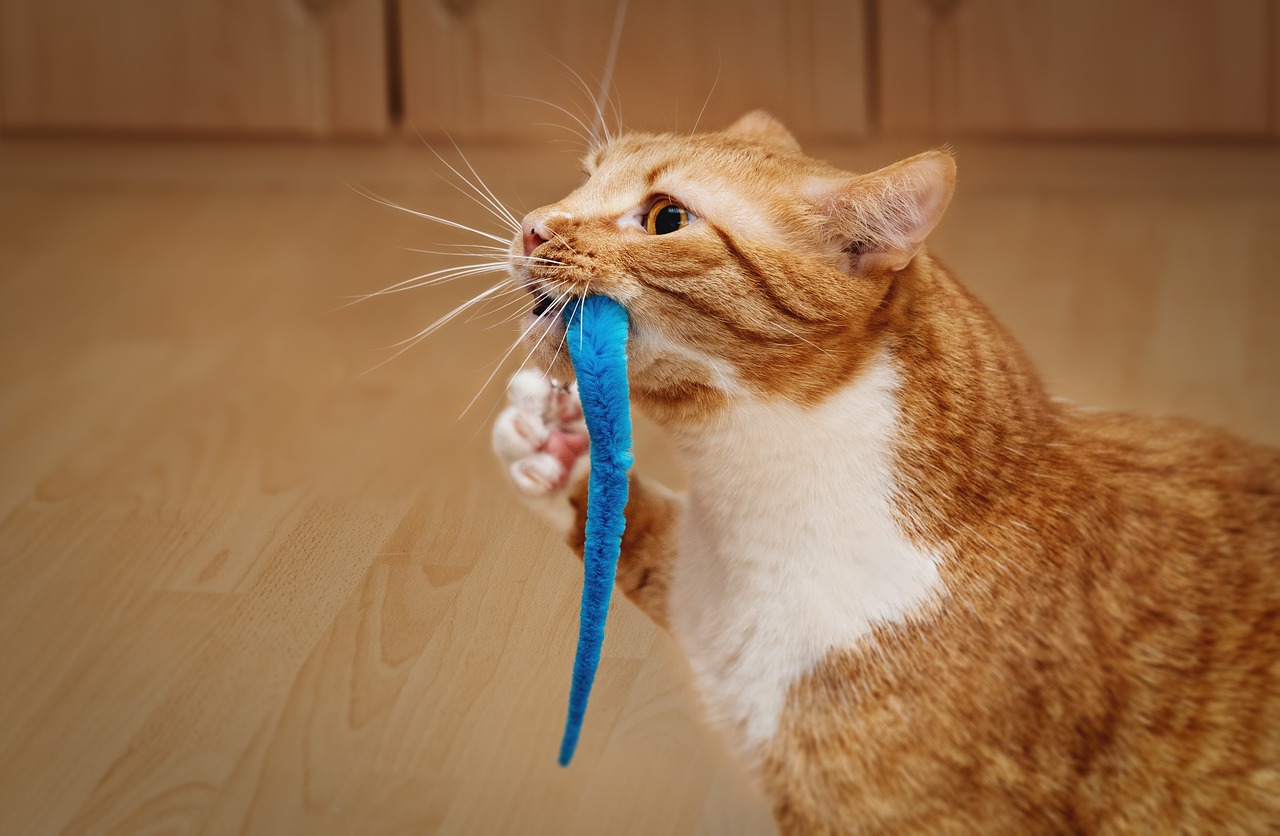
Cats are intelligent, instinct-driven animals that in their wild state would spend much of each day hunting, exploring, climbing, defending territory, and engaging in complex natural behaviours. However, indoor domestic cats often live in environments that lack sufficient stimulation, leaving them bored, frustrated, and increasingly prone to behavioural and health problems. The stereotype of cats as independent, low-maintenance animals has led many owners to underestimate their genuine need for regular physical and mental stimulation. Understanding cat enrichment—what it is, why it matters, and how to provide it effectively—is essential to preventing boredom and supporting the long-term physical and emotional wellbeing of indoor cats. Cats with appropriate enrichment are typically calmer, healthier, better-behaved, and genuinely happier than under-stimulated cats, making enrichment investment worthwhile for both the cat and the owner.
This comprehensive guide explains what boredom in cats looks like, describes why enrichment is so critical, explores various enrichment strategies targeting different natural feline behaviours, provides practical guidance on play and interaction, addresses special considerations for multi-cat households, discusses connections between boredom and behavioural problems, and offers a practical enrichment plan owners can implement. By understanding feline enrichment and providing appropriate stimulation, you can transform your cat's quality of life and prevent many common behavioural and health issues.
Understanding Feline Boredom: Can Cats Really Get Bored?

The Reality of Cat Boredom
Yes, cats absolutely can and do get bored. Contrary to popular perception of cats as independent and low-maintenance creatures perfectly content to lie around all day, domestic cats are intelligent animals with complex behavioural needs that require regular satisfaction for optimal wellbeing.
Why cats get bored: Domestic cats retain strong hunting instincts from their wild ancestors. In the wild state, cats would spend significant portions of each day engaged in hunting, stalking, climbing, exploring, patrolling territory, and engaging in complex problem-solving behaviours. Modern indoor-only cats, particularly those in unstimulating environments, experience a dramatic mismatch between their evolutionary-shaped needs and their actual daily experiences. This mismatch creates frustration and boredom.
Cognitive capacity: Studies in feline cognition demonstrate that cats possess remarkable problem-solving abilities, memory, and learning capacity. Underestimating cat intelligence and treating them as passive animals is a significant error that results in under-stimulation and suffering.
Which Cats Are Most Prone to Boredom?
High-risk groups:
- Indoor-only cats: Cats without outdoor access lack natural exploration, hunting, and environmental complexity
- Young, energetic cats and kittens: High energy levels demand significant stimulation; under-stimulation is particularly frustrating for young cats
- Highly intelligent cat breeds: Certain breeds (Bengals, Siamese, Abyssinians, and others) have particularly high cognitive demands
- Single-cat households without enrichment: Solitary cats without interactive play or enrichment from owners are at highest boredom risk
- Cats in unstimulating environments: Cats in bare apartments or homes lacking climbing structures, toys, and environmental complexity experience chronic boredom
Recognising Boredom: Signs Your Cat May Be Suffering From Lack of Stimulation

Boredom in cats manifests in diverse ways. Some cats become restless and destructive, whilst others withdraw emotionally. Recognising these signs allows early intervention before boredom develops into entrenched behavioural problems.
Behavioural Signs of Boredom
- Excessive meowing: Vocal demands for attention or expression of frustration about lack of stimulation
- Attention-seeking behaviour: Persistent demands for owner interaction, sometimes escalating to annoying persistence
- Destructive scratching: Scratching furniture and other objects excessively, beyond normal territorial marking
- Knocking objects off surfaces: Playful or attention-seeking behaviour reflecting lack of appropriate play outlets
- Over-grooming: Excessive self-grooming sometimes reflecting anxiety or displacement behaviour from boredom
- Chasing or attacking ankles: Predatory play behaviour redirected toward human legs and feet due to lack of appropriate hunting outlets
- Aggression toward people or other pets: Misdirected play aggression or genuine aggression from frustration and lack of appropriate outlets
- Repetitive or stereotypic behaviours: Repetitive behaviours with no clear purpose reflect psychological distress from boredom
Emotional and Physical Signs of Boredom
- Excessive sleeping: Whilst cats naturally sleep 12-16 hours daily, sleeping significantly more than baseline may indicate depression or boredom-related lethargy
- Lethargy and apathy: Lack of interest in activity or engagement; moving slowly and with apparent lack of motivation
- Weight gain: Bored cats often overeat and exercise insufficiently, leading to obesity
- Loss of interest in toys: Toys that previously engaged the cat no longer interest them; play behaviour diminishes
- Withdrawal or depression: The cat appears sad, withdrawn, or disinterested in life and interaction
- Changes from baseline: Any noticeable change from the individual cat's normal behaviour warrants attention
Critical note: If behavioural changes are sudden or severe, medical causes must be ruled out. Always consult a veterinarian before assuming behavioural changes result purely from boredom, as many medical conditions present with behavioural changes.
Why Enrichment Is Essential: The Science Behind Environmental Stimulation

What Is Environmental Enrichment?
Environmental enrichment refers to improvements made to an animal's surroundings that encourage natural, species-typical behaviours and provide mental and physical stimulation.
Key principle: Enrichment works by creating opportunities for cats to engage in the behaviours they would naturally perform. Rather than forcing cats to conform to human-defined expectations, enrichment allows cats to be authentic cats within their domestic environment.
Natural Behaviours Enrichment Should Encourage
- Hunting: Stalking, pouncing, and capturing prey (or prey-like objects)
- Climbing: Ascending to heights for security, observation, and territory control
- Exploring: Investigating and navigating complex environments
- Scratching: Marking territory, stretching muscles, and maintaining claws
- Grooming and self-maintenance: Personal hygiene and social grooming
- Problem-solving: Working to access resources, opening, and investigating
- Social interaction: Even solitary cats benefit from appropriate social engagement with humans or other cats
Benefits of Appropriate Enrichment
Enrichment supports multiple aspects of feline wellbeing:
- Mental stimulation: Engages cognitive abilities and prevents intellectual boredom
- Physical exercise: Maintains fitness, supports healthy weight, and builds muscle
- Stress reduction: Appropriate outlets for natural behaviours reduce frustration and anxiety
- Emotional wellbeing: Engagement and stimulation improve mood and overall life satisfaction
- Weight management: Active play burns calories and prevents obesity
- Prevention of behavioural problems: Appropriate outlets reduce destructive and aggressive behaviours
- Improved sleep: Cats that are appropriately stimulated during the day sleep better at night
Research evidence: Studies in feline behaviour science consistently demonstrate that enriched environments reduce stress-related behaviours, decrease destructive behaviours, and improve overall welfare compared to barren environments.
Types of Enrichment: Creating a Stimulating Environment

Hunting and Feeding Enrichment
Cats are natural predators that in the wild would hunt multiple small meals throughout each day. Feeding enrichment simulates this natural hunting cycle.
Hunting and feeding enrichment strategies:
- Puzzle feeders: Toys requiring the cat to work to access food, engaging problem-solving and hunting behaviours
- Treat-dispensing balls: Balls that release treats as the cat bats and pushes them
- Hidden food portions: Hiding small portions of dry food around the house for the cat to "hunt" and discover
- Interactive wand toys: Toys simulating prey that the cat stalks and pounces on during active play
- Varying feeding locations: Occasionally feeding in different locations adds novelty and exploration
- Food-based enrichment toys: Various commercial toys designed to provide mental challenge during feeding
Why this matters: Hunting enrichment engages the cat's primary instinct and provides mental stimulation alongside feeding. Cats consuming food through puzzle feeders engage their minds whilst eating, reducing simple meals that provide food without engagement.
Toy rotation: Rotating toys prevents loss of interest. Putting toys away for a week or two, then reintroducing them makes them novel again and maintains engagement.
Vertical Space and Climbing Enrichment
Cats feel safer, more confident, and more in control when they can observe from elevated positions. Vertical territory is fundamental to feline wellbeing.
Vertical space provision:
- Cat trees: Multi-level structures providing climbing, observation, and resting opportunities
- Wall-mounted shelves: Shelves at various heights create climbing routes and elevated resting areas
- Window perches: Windowsill beds allow observation and sunbathing whilst watching outdoor activity
- Climbing towers: Tall structures dedicating significant space to vertical territory
- Furniture arrangement: Arranging furniture to create natural climbing routes (from couch to bookshelf to wall shelf)
Why vertical space is essential: In the wild, cats escape to trees for security, to observe territory, and to hunt from elevated positions. Domestic cats retain these needs. Vertical space makes cats feel secure and provides physical and mental engagement through climbing.
Multi-cat households: Vertical territory is particularly important in multi-cat homes, allowing cats to maintain distance from one another and access preferred resting areas without resource conflict.
Scratching Enrichment
Scratching is a critical natural behaviour that serves multiple important functions.
Why cats scratch:
- Territory marking: Scratching deposits scent from paw glands, claiming territory
- Muscle stretching: Scratching stretches muscles in the shoulders, back, and legs
- Claw maintenance: Scratching removes old claw sheaths and maintains claw health
- Stress relief: Scratching provides physical and emotional outlet for stress
Providing scratching opportunities:
- Multiple scratchers: Provide several scratching surfaces to prevent conflicts in multi-cat homes
- Varied textures: Offer both vertical and horizontal scratchers in different textures (sisal rope, cardboard, carpet)
- Strategic placement: Place scratchers in areas where cats naturally spend time and want to mark territory
- Encouragement: Place treats or catnip near scratchers to encourage use
Protecting furniture: Appropriate scratchers reduce destructive scratching by providing legitimate outlets. Cats will preferentially use proper scratchers if they are appealing and well-positioned.
Sensory Enrichment
Stimulating the senses through environmental elements provides engagement and interest.
Sensory enrichment strategies:
- Window views: Access to windows providing views of outdoor activity (birds, movement, weather)
- Bird feeders: Placing bird feeders outside windows gives cats fascinating "television"
- Catnip and safe herbs: Catnip, silvervine, and cat grass provide olfactory stimulation
- New textures: Varied textures (carpet, sisal, cardboard, blankets) provide tactile interest
- Safe hiding spaces: Boxes, bags, and covered beds provide security and novelty
- Background stimulation: Soft radio, bird sounds, or other audio may appeal to some cats
- Natural light variation: Allowing natural circadian rhythm through windows supports wellbeing
Social Interaction and Human Enrichment
Even independent cats benefit from regular, appropriate interaction with their owners.
Social enrichment through human interaction:
- Interactive play sessions: Daily play with wand toys, balls, and other interactive toys engages the cat and strengthens the human-cat bond
- Gentle grooming: Brushing or gentle touch during grooming sessions provides tactile interaction
- Positive reinforcement training: Teaching simple cues or tricks engages the cat's mind and creates human interaction
- Quiet companionship: Simply being in the same room, reading or relaxing whilst the cat rests nearby provides comforting presence
- Predictable interaction schedules: Consistent play and interaction times create security and routine
Respecting independence: Enrichment through human interaction should respect the cat's individual comfort level and preferences. Offering interaction opportunities and allowing the cat to choose participation is appropriate.
How Much Play Does a Cat Need? Understanding Daily Stimulation Requirements

Play Duration Guidelines
Most adult cats benefit from:
- 15 to 30 minutes of interactive play daily
- Divided into shorter sessions (5-15 minutes) rather than one long session
- Multiple sessions throughout the day (morning, midday, and evening)
Young cats and kittens: Cats under two years old and high-energy breeds may require significantly more play—up to 60 minutes daily divided into multiple sessions.
Senior cats: Older cats may require less intense play but still benefit from gentle, shorter play sessions adapted to their physical capabilities.
Consistency Over Duration
Critical principle: Consistency is more important than duration. Daily play, even if brief, is far more beneficial than occasional long play sessions. Regular play maintains fitness and engagement whilst supporting appropriate sleep-wake cycles.
What constitutes appropriate play: Play should be interactive (involving the owner or another appropriate playmate), physically engaging (causing the cat to move and exert effort), and mentally stimulating (requiring stalking, pouncing, or problem-solving).
Signs of Adequate Stimulation
When a cat receives adequate enrichment and play:
- The cat appears content and relaxed
- Play behaviour is engaged and enthusiastic
- Destructive behaviours are minimal or absent
- The cat sleeps well at appropriate times
- Weight remains healthy
- Overall demeanour is happy and engaged
Multi-Cat Households: Managing Enrichment and Resources
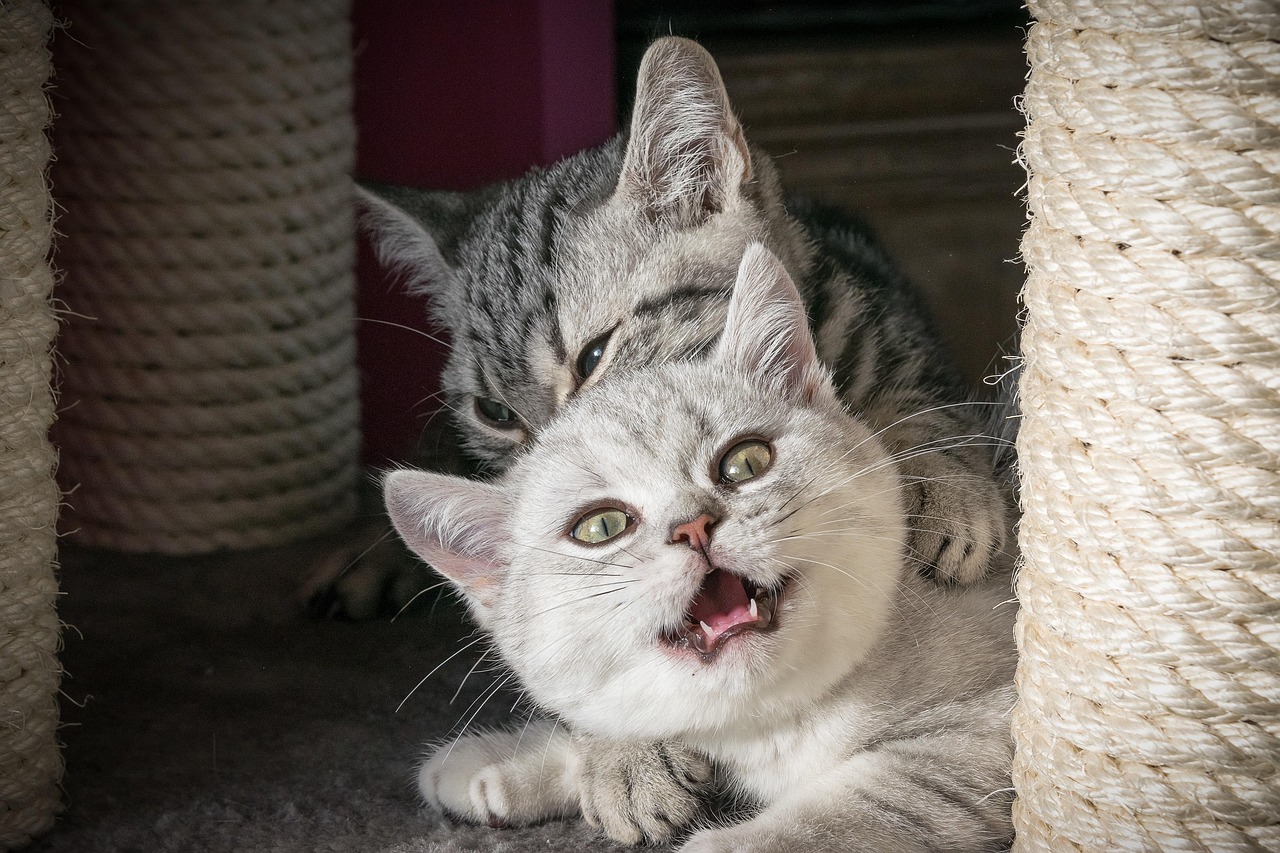
The Challenge of Multi-Cat Environments
In multi-cat households, resource competition can increase stress and boredom for some cats. Strategic enrichment and resource management becomes even more important.
Competition stress factors: Competition for resources (litter trays, feeding areas, resting spots), territorial conflicts, and reduced access to preferred enrichment due to other cats' presence create stress that worsens boredom and increases behavioural problems.
Resource Provision in Multi-Cat Homes
Recommended resource provision:
- Litter trays: One per cat plus one extra (e.g., three cats requires four trays) placed in separate locations
- Feeding stations: Multiple feeding areas prevent resource guarding and allow cats to eat in preferred locations
- Water bowls: Multiple water sources, some distant from feeding areas (cats naturally prefer water separated from food)
- Resting areas: Multiple resting spots and elevated perches allow cats to rest without proximity to others
- Scratching posts: Several scratchers in different locations prevent conflict over preferred scratching areas
- Toys and enrichment: Multiple toys and enrichment items prevent fights over preferred items
Why abundance reduces stress: When resources are abundant, cats are less likely to guard them or engage in conflict. Adequate resources reduce baseline stress and improve enrichment effectiveness.
The Boredom-Behaviour Connection: How Under-Stimulation Causes Problems

How Chronic Boredom Manifests as Behaviour Problems
Chronic boredom and lack of enrichment do not merely result in a quiet, inactive cat. Instead, under-stimulation often causes a cascade of serious behavioural and health problems.
Behavioural problems caused or worsened by boredom:
- Aggression: Lack of appropriate outlets for predatory behaviour leads to misdirected aggression toward people or other animals
- Obesity: Bored, inactive cats overeat and fail to exercise, leading to unhealthy weight gain and associated health problems
- Over-grooming: Anxiety and frustration from boredom sometimes manifest as excessive grooming or hair loss
- Anxiety-related behaviours: Boredom and frustration create anxiety that manifests through various behaviours
- Inappropriate urination: Stress-related or marking behaviours from boredom cause inappropriate elimination
- Destructive behaviour: Scratching, knocking objects, and other destructive behaviours reflect lack of appropriate outlets
Prevention through early intervention: Addressing enrichment early prevents these problems from developing. A cat that grows up with appropriate enrichment is far less likely to develop behaviour problems than a cat suddenly provided enrichment after years of under-stimulation.
Creating an Enrichment Plan: Practical Implementation

Simple Weekly Enrichment Routine
Creating and maintaining enrichment does not require expensive purchases or excessive time. A simple routine maintains stimulation and prevents boredom.
Weekly enrichment plan:
- Rotate toys every few days: Put some toys away and bring out others, creating novelty when toys are reintroduced
- Introduce one new enrichment item weekly: A new toy, different texture, or enrichment element adds novelty
- Schedule two short interactive play sessions daily: Morning and evening play engages the cat and maintains fitness
- Rearrange climbing areas occasionally: Moving cat trees or shelves slightly changes the environment and encourages exploration
- Provide puzzle feeding several times weekly: Using puzzle feeders or hiding food several times per week engages hunting behaviour
- Offer catnip or silvervine weekly: Rotating between different enrichment items prevents habituation
- Maintain consistent play times: Predictable play schedules create routine and anticipation
Customisation: This plan should be adapted based on individual cat preferences, age, and health status. Each cat is unique; observe what your cat enjoys and focus enrichment on their preferences.
When to Seek Professional Advice
Consult a veterinarian or qualified feline behaviourist if:
- Aggression becomes severe or dangerous
- Self-grooming leads to bald patches or skin damage (alopecia)
- Your cat appears withdrawn, depressed, or shows signs of anxiety
- Behaviour changes suddenly or dramatically
- Inappropriate elimination (litter tray avoidance or marking) develops
- Despite providing enrichment, problematic behaviours persist or worsen
Why professional evaluation matters: Medical conditions can sometimes mimic boredom-related behaviours. A veterinarian ensures medical causes are ruled out. A feline behaviourist provides expertise in assessing behaviour and developing individualised plans.
Understanding the Value of Enrichment Investment

Cats are intelligent, active animals that require meaningful engagement and stimulation to thrive. Providing structured, varied enrichment—through interactive play, vertical climbing spaces, hunting simulation, sensory stimulation, and appropriate social interaction—transforms feline wellbeing. Cats with appropriate enrichment experience improved physical health, better behaviour, emotional contentment, and deeper bonds with their owners. The investment of time and modest resources in enrichment returns substantial rewards in cat happiness and owner satisfaction.
Cats absolutely experience boredom despite stereotypes of independence, retaining strong hunting and exploration instincts from wild ancestors that require regular expression. Boredom is particularly common in indoor-only cats, young energetic cats, highly intelligent breeds, and single-cat households without enrichment. Boredom manifests through behavioural signs including excessive meowing, attention-seeking, destructive scratching, ankle attacks, and aggression, or emotional signs including excessive sleeping, lethargy, weight gain, and withdrawal. Medical conditions must be ruled out as they can present identically to boredom. Environmental enrichment—improving surroundings to encourage natural behaviours—supports mental stimulation, physical exercise, stress reduction, weight management, and prevention of behavioural problems with strong scientific evidence supporting effectiveness. Enrichment types include hunting/feeding enrichment (puzzle feeders, treat balls, hidden food), vertical space (cat trees, shelves, window perches), scratching opportunities (multiple scratchers in varied textures), sensory enrichment (window views, catnip, varied textures), and social interaction through play, grooming, and training. Most adult cats need 15-30 minutes of interactive play daily in short sessions with consistency more important than duration; kittens and young cats need more. Multi-cat households require abundant resources (one litter tray per cat plus one extra, multiple feeding stations, multiple resting areas) to reduce competition stress. Chronic boredom causes aggression, obesity, over-grooming, anxiety, and inappropriate elimination. Simple weekly enrichment plan includes rotating toys every few days, introducing one new item weekly, scheduling two daily interactive play sessions, occasionally rearranging climbing areas, and providing puzzle feeding several times weekly. Professional consultation warranted if aggression is severe, self-grooming causes bald patches, cat appears depressed, or behaviours persist despite enrichment efforts. Appropriate enrichment transforms cat wellbeing, health, behaviour, and owner-cat relationship satisfaction.
This guide is based on feline behaviour science and animal welfare standards for enrichment and stimulation. Individual cats vary in enrichment preferences, energy levels, and stimulation needs based on age, breed, personality, and health status. Enrichment should be adapted to individual cat preferences and needs. If behavioural concerns develop or persist despite enrichment efforts, veterinary and behavioural professional evaluation is recommended to identify underlying medical or psychological issues requiring specific intervention.