Bad breath in cats, medically known as halitosis, is a common concern that many cat owners encounter but often overlook or dismiss as simply part of having a cat. Whilst a mild odour after eating can occasionally be normal, persistent or noticeably foul-smelling breath is almost always a sign of an underlying health issue and should never be ignored or normalised. The challenge in identifying bad breath problems in cats stems from cats' evolutionary expertise at hiding discomfort and illness. By the time a cat's bad breath becomes obvious enough for owners to notice, an underlying condition may already be progressing. Understanding the causes of feline bad breath, recognising when it signals serious disease, and learning about treatment and prevention options allows you to identify problems early and protect your cat's long-term health.
This comprehensive guide explains why cats develop bad breath, identifies the common health conditions responsible for it, describes how veterinarians diagnose the underlying causes, explores treatment options, and provides practical prevention strategies. By learning to recognise abnormal breath and understanding what it means, you become your cat's advocate for early disease detection and appropriate care.
Is Bad Breath in Cats Normal?

Understanding what constitutes normal versus abnormal breath in cats helps you distinguish between harmless odour and signs of disease.
What normal cat breath should be like: A healthy cat's breath should be neutral or mild, without being actively pleasant-smelling. You should be able to be close to your cat's face without experiencing offensive odour. Occasionally, mild odour after your cat eats (particularly after consuming wet food or fish-based diets) may occur briefly and then dissipate. This fleeting odour from food residue is generally harmless.
What is not normal: Persistent bad breath, foul or rotten odour, metallic smell, ammonia-like smell, or overpowering odour that lingers throughout the day is never normal and indicates an underlying health problem. This type of bad breath requires veterinary investigation rather than acceptance as a cat personality trait.
The critical point: Many cat owners become accustomed to their cat's bad breath and stop noticing it, or they normalise it by assuming all cats have bad breath. This normalization is dangerous because persistent bad breath is almost always a symptom of disease that deserves attention.
Understanding the Most Common Cause: Dental Disease

Dental disease accounts for the overwhelming majority of bad breath cases in cats. Approximately 70 to 80 percent of cats over age three show some degree of dental disease, making it one of the most common health problems in the feline population.
How Dental Disease Causes Bad Breath
The mechanism: Bacteria naturally colonise the mouth and teeth. When plaque (a sticky film of bacteria) accumulates on teeth surfaces, the bacteria multiply rapidly. If plaque is not removed, it hardens into tartar (also called calculus), which adheres tightly to teeth and becomes a breeding ground for millions of bacteria. These bacteria release foul-smelling gases and produce toxins that damage gums and teeth.
Location matters: The worst bacterial accumulation occurs below the gum line, in the pockets between teeth and gums. This subgingival area is inaccessible to cats' self-cleaning and creates an ideal environment for bacterial growth and odour production. This is why professional dental cleaning is necessary. Home brushing alone cannot reach these critical areas.
Common Dental Problems in Cats
Plaque and tartar buildup: Yellow or brown discolouration visible on tooth surfaces indicates plaque and tartar accumulation. Cats eating primarily dry kibble tend to accumulate tartar faster than cats eating wet food.
Gingivitis (inflamed gums): Early inflammation of the gums often appears before severe destruction occurs. Red, swollen, or bleeding gums indicate gum inflammation requiring treatment.
Periodontal disease: Progression of gum disease damages the structures supporting teeth, including bone. Pockets form around teeth, deepening bacterial colonisation and destruction.
Tooth root abscesses: Infections at the root of teeth create painful abscesses that produce foul-smelling pus. These abscesses often require tooth extraction.
Broken or infected teeth: Broken, cracked, or fractured teeth create pathways for bacterial invasion into the tooth interior and root. Infected teeth are painful and produce bad breath.
Each of these conditions produces bad breath through different mechanisms, but all share the common feature of bacterial overgrowth and infection.
Other Significant Causes of Bad Breath

Whilst dental disease accounts for most bad breath cases, several other serious health conditions can cause foul-smelling breath. Recognising these alternative causes is important because they require different treatment approaches.
Gum Disease: Gingivitis and Stomatitis
Whilst gingivitis (inflammation of the gums) is technically part of dental disease, severe gum inflammation deserves separate attention because it can become a distinct medical condition.
Feline stomatitis: Severe inflammation of the mouth tissues (beyond just the gums) is called stomatitis. This painful condition involves inflammation of the entire oral cavity including the tongue, cheeks, and palate. The inflammation is often immune-mediated and can be extremely painful.
Stomatitis symptoms:
- Severe bad breath (very foul odour)
- Excessive drooling, sometimes blood-tinged
- Bleeding gums
- Severe difficulty eating or refusal to eat
- Pawing at the mouth repeatedly
- Weight loss from inability to eat
- Extreme pain when mouth is touched
Feline stomatitis is a serious condition causing severe suffering and requiring immediate veterinary treatment. Some cats with stomatitis may eventually require tooth extraction of all teeth (full-mouth extraction) to eliminate the inflammation triggers, which paradoxically improves quality of life by eliminating chronic pain.
Oral Infections and Mouth Injuries
Infections or injuries inside the mouth produce bad breath through bacterial overgrowth and tissue damage.
Types of oral problems:
- Mouth ulcers: Open sores in the mouth provide sites for bacterial growth and infection
- Cuts or wounds: Any break in oral tissue allows bacterial invasion and infection
- Foreign objects: Bones, toys, or other objects lodged between teeth or in gums create inflammation and infection sites
- Infected sockets: Sites where teeth have been lost or recently extracted can become infected
Cats that chew on hard objects, play aggressively with toys, or have access to small bones are at higher risk for oral injuries.
Kidney Disease: The Ammonia-Smelling Breath Connection
One of the most concerning causes of bad breath is chronic kidney disease, a common condition in senior cats. Kidney disease creates a distinctly different breath odour than dental disease.
How kidney disease causes bad breath: Healthy kidneys filter waste products from the bloodstream, which are then eliminated through urine. When kidneys fail, these toxic waste products (including urea and creatinine) accumulate in the blood. These toxins are sometimes eliminated through the lungs, creating breath that smells like ammonia, urine, or chemicals.
Why this matters: Bad breath resembling ammonia or urine is a red flag for kidney disease. Cats with kidney disease require specific treatment and dietary management. This is distinctly different from dental disease and requires different veterinary intervention.
Other kidney disease signs:
- Increased thirst and urination
- Weight loss despite normal or increased appetite
- Lethargy and decreased activity
- Poor appetite or pickiness about food
- Vomiting
- Dull, dry coat
Kidney disease is progressive and cannot be cured, but early detection and appropriate treatment can slow progression and maintain quality of life. Bad breath may be the first sign that prompts investigation, making it an important diagnostic clue.
Diabetes: Sweet or Fruity-Smelling Breath
Cats with diabetes mellitus sometimes develop a distinctive sweet or fruity odour on their breath. This specific smell is caused by ketones in the blood.
Why diabetes causes this smell: When the body cannot properly utilise glucose for energy, it breaks down fat instead, producing ketones as a byproduct. These ketones are volatile compounds that are exhaled through the breath, creating a sweet, fruity, or nail-polish-remover-like smell.
Why this is serious: If a cat's breath smells sweet or fruity, veterinary evaluation is urgent. This smell can indicate diabetic ketoacidosis, a life-threatening condition requiring emergency treatment.
Diabetes symptoms:
- Increased thirst and urination
- Weight loss despite eating
- Lethargy
- Decreased appetite
- Sweet or fruity breath odour
Diabetes in cats is increasingly common and is often related to obesity. Early detection and treatment can sometimes result in diabetes remission, making prompt attention critical.
Gastrointestinal Issues
Less commonly, problems in the digestive tract can contribute to bad breath. Infections, inflammatory conditions, or poor digestion can affect breath odour, though this is usually accompanied by other gastrointestinal symptoms like vomiting, diarrhoea, or changes in appetite.
Diet and Food Residue
Some aspects of diet can temporarily affect breath odour. Strong-smelling foods (particularly fish-based diets) can create temporary odour after eating. Additionally, food stuck between teeth can rot and create foul smell. However, this food-related odour typically resolves within hours and should not be persistent throughout the day.
Recognising When Bad Breath Signals a Serious Problem

Bad breath itself is a symptom, not a primary disease. When bad breath occurs with other signs, it often indicates more serious underlying problems.
Contact your veterinarian promptly if bad breath is accompanied by:
- Red, swollen, or bleeding gums: Indicates significant gum disease or stomatitis
- Drooling or excessive salivation: Often indicates mouth pain from dental disease or stomatitis
- Difficulty chewing or dropping food: Suggests dental pain or inability to close mouth properly
- Weight loss: May indicate painful mouth preventing normal eating, kidney disease, or diabetes
- Behaviour changes or hiding: Often indicates pain or systemic illness
- Pawing at the mouth: Directly indicates mouth pain or irritation
- Lethargy or decreased activity: Suggests systemic illness such as kidney disease or diabetes
- Increased thirst and urination: Red flags for kidney disease or diabetes
- Vomiting or appetite loss: May accompany kidney disease or gastrointestinal problems
The more symptoms accompanying bad breath, the more urgent veterinary evaluation becomes.
How Veterinarians Diagnose the Cause of Bad Breath

Determining the cause of bad breath requires systematic diagnostic evaluation. Your veterinarian will use several tools and tests.
Diagnostic steps:
- Full oral examination: The vet examines all visible tooth surfaces, gums, and mouth tissues, looking for tartar, gum disease, bleeding, ulcers, or other abnormalities
- Dental X-rays: X-rays reveal bone loss, root infections, and problems below the gum line that are invisible on physical examination alone
- Blood tests: Complete blood work assesses kidney function, blood glucose (diabetes), and other markers indicating systemic disease
- Urinalysis: Urine testing provides additional information about kidney function and diabetes
- Examination under anaesthesia: For comprehensive assessment of dental disease, the vet may need to examine the mouth under general anaesthesia, allowing full visualization and exploration of tooth pockets and root surfaces
Why anaesthesia is often necessary: Whilst frightening for owners to consider, proper assessment of dental disease requires examination under anaesthesia. A conscious cat cannot open their mouth widely or tolerate probe exploration, making accurate diagnosis impossible without anaesthesia. Modern anaesthetic protocols for cats are safe, particularly with pre-anaesthetic blood work confirming kidney and liver function.
Treatment Options for Bad Breath
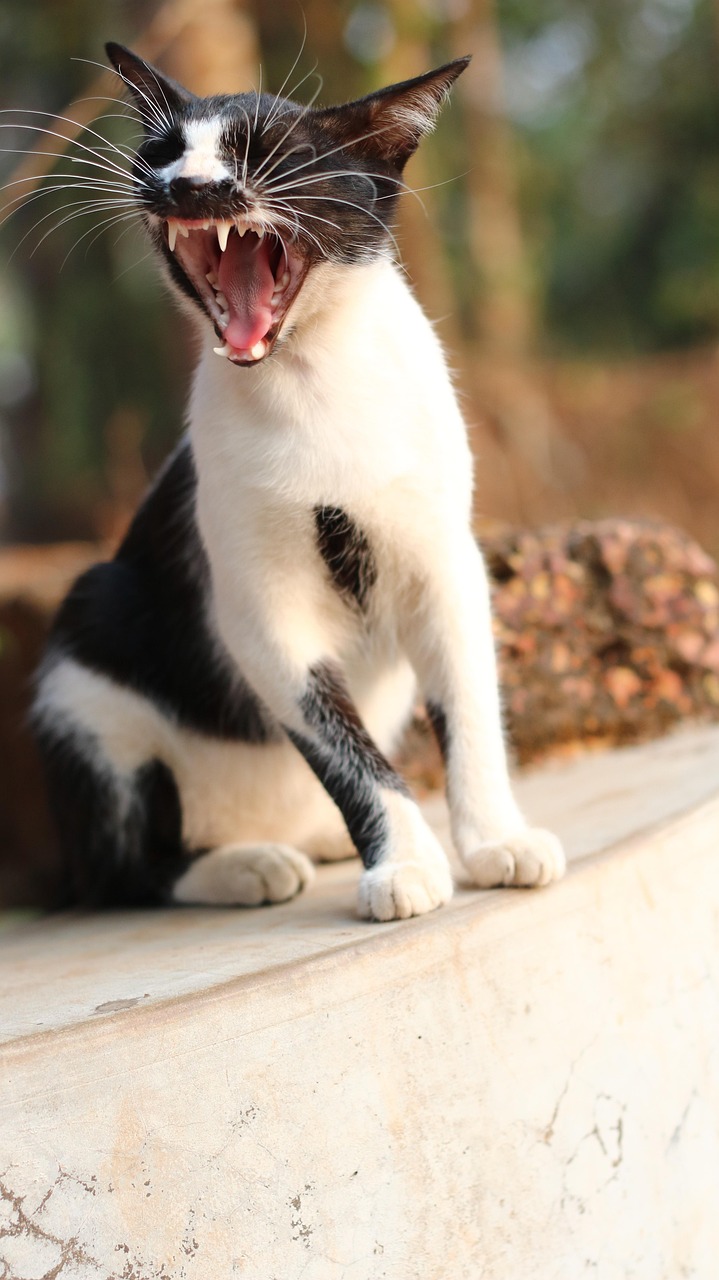
Treatment depends entirely on the underlying cause. Your veterinarian will recommend a treatment plan based on their diagnosis.
Professional Dental Cleaning
The most common treatment: Professional dental scaling and polishing under anaesthesia removes plaque and tartar from tooth surfaces, particularly from below the gum line where self-cleaning is impossible.
What the procedure involves: The vet uses ultrasonic scalers to remove tartar, followed by polishing to smooth the tooth surface and reduce future plaque adhesion. The entire mouth is inspected, teeth may be probed to assess pocket depth, and any diseased teeth are identified.
Outcomes: Professional cleaning often produces dramatic improvement in breath odour, especially if the bad breath was caused by tartar and plaque. Many cats show visible improvement within days of cleaning.
Tooth Extractions
Severely damaged, infected, or loose teeth may require extraction to eliminate pain and infection sources. Cats function well after tooth extraction, particularly if multiple teeth are removed at once.
When extraction is necessary: Severely broken teeth, tooth root abscesses, teeth with deep pockets, and loose teeth are candidates for extraction. Removing these painful or infected teeth often improves the cat's quality of life dramatically, even though tooth loss sounds concerning.
Medications
Antibiotics: If bacterial infection is identified (particularly in cases of root abscesses or stomatitis), antibiotics may be prescribed to treat the infection.
Anti-inflammatory medications: For gum disease or stomatitis, anti-inflammatory medications reduce swelling and pain.
Medications for underlying conditions: If kidney disease or diabetes is identified, specific treatment plans are implemented for these conditions.
Dietary Modifications
Dietary changes can support oral health and slow plaque formation. Prescription dental diets designed to reduce plaque formation may be recommended. Dry food may be beneficial for some cats as the mechanical action of chewing helps reduce plaque, though this must be balanced against other nutritional considerations.
How to Prevent Bad Breath in Cats

Preventing bad breath requires a multi-pronged approach focusing on dental health and early disease detection.
Regular Tooth Brushing
The ideal prevention: Regular tooth brushing with cat-safe toothpaste is the most effective home prevention for dental disease. Brushing removes plaque before it hardens into tartar.
How to brush your cat's teeth:
- Start with your cat when they are calm and relaxed
- Use only cat-safe toothpaste (human toothpaste is toxic to cats)
- Begin by allowing your cat to lick toothpaste off your finger to familiarise them with the flavour
- Gradually progress to gentle brushing of teeth surfaces
- Focus on the gum line where plaque accumulates most
- Aim for brushing several times per week, though daily is ideal
- Never force brushing or restrain your cat aggressively, as this creates negative associations
Realistic expectations: Whilst daily brushing is ideal, not all cats tolerate it. Even brushing several times per week provides significant benefit. Some cats never accept brushing, but this should not discourage trying, as even occasional brushing helps.
Dental Treats and Toys
Veterinarian-approved dental treats and chew toys may help reduce plaque accumulation through mechanical action. However, these are supplementary to other care and cannot replace professional dental cleaning or brushing.
Routine Veterinary Check-Ups
Prevention frequency: Annual health checks for younger cats and biannual checks for senior cats (10+ years) allow early detection of dental disease. Early intervention prevents progression to advanced disease.
What to mention: Always mention any concerns about breath odour during veterinary visits. Do not assume bad breath is normal or inevitable.
Maintaining a High-Quality Diet
Quality nutrition supports overall oral health and reduces bacteria. Cats should be fed species-appropriate diets with high protein content. Some evidence suggests that diet composition may influence oral bacteria, though this is still being researched.
Monitoring for Changes
Any sudden change in breath odour should be investigated promptly. Do not wait months to mention bad breath. If your cat's breath suddenly smells different, contact your veterinarian within days.
When to See a Veterinarian

Bad breath warrants veterinary attention in the following situations:
- Strong, rotten, or foul odour lasting more than a few days
- Ammonia or urine-like smell
- Sweet or fruity smell
- Metallic odour
- Bad breath accompanied by any of the symptoms listed in the previous section
- Any visible changes in teeth or gums (redness, swelling, bleeding, loose teeth)
- Sudden changes in eating habits or appetite
- Behavioural changes or increased hiding
Do not delay seeking veterinary attention for bad breath. Early diagnosis and treatment prevent progression to advanced disease and improve outcomes.
Understanding Bad Breath as a Warning Sign

Bad breath is not a trivial cosmetic concern or an inevitable part of cat ownership. It is your cat's way of communicating that something requires attention. Cats cannot tell us directly that their mouths hurt or that they are unwell. Bad breath, along with subtle behavioural changes, is often the only signal a cat gives before serious disease becomes obvious.
By taking bad breath seriously, remaining attentive to its characteristics, and pursuing prompt veterinary investigation, you serve as your cat's advocate for early disease detection. The effort invested in preventing and addressing bad breath pays enormous dividends in your cat's health, comfort, and longevity.
Bad breath in cats, medically called halitosis, is not normal and always indicates an underlying health problem requiring investigation. Whilst a mild odour after eating can occasionally occur, persistent foul-smelling breath signals disease that deserves prompt attention. Dental disease accounts for approximately 70 to 80 percent of bad breath cases, resulting from bacterial overgrowth on and below the gum line where plaque hardens into tartar and produces foul-smelling gases. Severe gum inflammation (gingivitis) and stomatitis create particularly bad odour and severe pain. Other serious causes include tooth root abscesses, oral infections and injuries, kidney disease (producing ammonia or urine-like smell), diabetes (producing sweet or fruity smell), and gastrointestinal problems. Cats are masters at hiding illness, making bad breath sometimes the earliest or only sign of serious disease like kidney disease or diabetes, which is why bad breath accompanied by other symptoms warrants urgent veterinary investigation. Diagnosis requires physical examination, dental X-rays, blood and urine tests, and often examination under anaesthesia for thorough assessment. Treatment depends on the underlying cause and may include professional dental cleaning, tooth extractions, antibiotics, anti-inflammatory medications, and treatment of underlying systemic disease. Prevention involves regular tooth brushing with cat-safe toothpaste several times weekly, veterinary dental check-ups annually or biannually, dental treats and toys, high-quality diet, and prompt attention to any changes in breath odour. Cats function well after tooth extraction, particularly if infected or painful teeth are removed, often resulting in improved quality of life. Bad breath should never be normalised or ignored, as it is almost always a symptom signalling that your cat needs veterinary attention and care.
This guide is based on feline dental health standards and veterinary protocols for bad breath diagnosis and treatment. Individual cats may have varying predispositions to dental disease based on age, genetics, diet, and overall health status. Any persistent bad breath should be evaluated by a veterinarian rather than treated at home. Some underlying conditions causing bad breath require specialist evaluation or treatment for optimal outcomes.