Understanding when cats stop growing provides essential guidance for owners navigating nutrition decisions, healthcare planning, and realistic developmental expectations throughout their cat's maturation from tiny kitten to full adult. Whilst many cats appear fully grown within their first year, achieving their adult height and length relatively quickly, physical development including bone density, muscle mass, and body proportions often continues well beyond what most owners realise, with some breeds requiring several additional years to reach complete physical maturity and final adult size.
The widespread misconception that cats finish growing by one year of age leads many owners to switch to adult food prematurely, potentially compromising ongoing skeletal development and muscle building, or conversely to maintain kitten diets too long, contributing to obesity and overfeeding once growth genuinely concludes. Different breeds follow dramatically different growth timelines, with average domestic cats reaching adult size within 12 to 18 months whilst giant breeds like Maine Coons continue developing for three to five years, making breed-specific knowledge crucial for appropriate care decisions.
Recognising growth stages, understanding breed differences affecting maturation timelines, identifying signs that growth has concluded, knowing when dietary transitions should occur, and understanding factors influencing development including genetics, nutrition, spaying or neutering, and health status are essential for providing optimal support throughout your cat's journey from helpless newborn to fully mature adult with proper skeletal structure, healthy muscle development, and ideal body condition.
Cat Growth Stages Explained
Newborn to 6 Months (Rapid Growth Phase)

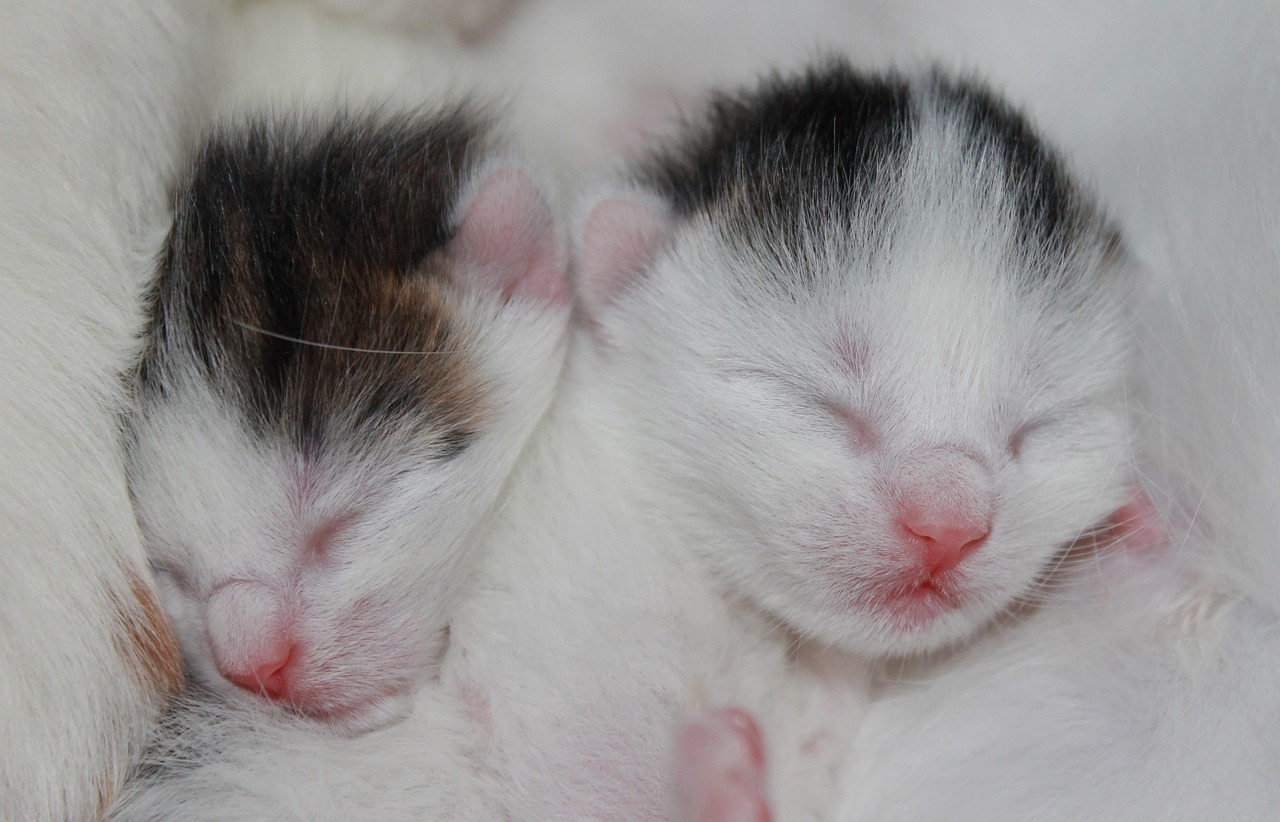
The first six months represent the most dramatic growth period in a cat's entire life, with kittens transforming from helpless newborns to coordinated, energetic juveniles.
Physical development during this stage:
- Extremely rapid growth: Kittens can double their birth weight within first week
- Bone lengthening: Skeletal structure develops rapidly establishing adult frame
- Muscle development: Coordination and strength improve dramatically
- Motor skill acquisition: Learning to walk, run, jump, and climb
- Dental changes: Baby teeth emerge then fall out, adult teeth begin appearing
- Sensory development: Eyes open, vision develops, hearing sharpens
Size progression:
- By 8 weeks: Approximately 2 pounds (900 grams)
- By 3 months: Approximately 3 pounds (1.4 kg)
- By 6 months: Most kittens reach 70 to 80% of their adult size
Critical needs during rapid growth:
- High-protein kitten food: Specially formulated for growth demands
- Frequent feeding: Multiple small meals daily supporting energy needs
- Regular veterinary checks: Monitoring development and health
- Core vaccinations: Building immunity against diseases
- Parasite prevention: Deworming protecting nutrient absorption
- Safe environment: Preventing injuries during exploration
6 to 12 Months (Adolescent Stage)

Growth continues during adolescence but at a considerably slower, steadier pace compared to the explosive early months.
Physical changes during adolescence:
- Slowed but steady growth: Height and length increase gradually
- Muscle mass gain: Building strength rather than primarily lengthening bones
- Body proportion refinement: Developing adult body shape
- Chest broadening: Ribcage expands creating mature torso
- Sexual maturity: Hormonal changes occurring around 6 to 9 months
- Adult dental completion: All adult teeth present by 7 months
Size expectations:
- Most cats reach near-adult height and length by 9 to 12 months
- May appear fully grown but skeleton still maturing internally
- Weight continues increasing through muscle development
Important clarification: Even when cats look fully grown, skeletal maturation continues with growth plates remaining open and bones continuing to strengthen and develop proper density.
Behavioural characteristics:
- High energy levels and playfulness
- Testing boundaries and independence
- Increased hunting behaviour and prey drive
- Territorial awareness developing
- Sexual behaviours appearing if not yet spayed or neutered
When Do Most Cats Stop Growing?
Average Domestic Cats

The majority of domestic cats, including mixed breeds and common pedigree breeds, follow a relatively predictable growth timeline.
Typical growth completion timeline:
- 12 to 18 months: Most cats reach full adult size
- Growth plate closure: Bone growth plates fuse around this age
- Final height and length: Skeletal dimensions stabilise
- Body proportions finalise: Adult shape fully established
- Weight stabilisation: Reaches healthy adult weight range
Breeds following average timeline:
- Domestic shorthair and longhair
- British Shorthair
- Siamese
- Persian
- Russian Blue
- Burmese
- Abyssinian
- Most common pedigree breeds
Large and Slow-Maturing Breeds

Certain large breeds possess significantly extended growth periods requiring years to reach full maturity.
Slow-maturing breeds:
- Maine Coon: 3 to 5 years for complete maturity
- Norwegian Forest Cat: 3 to 4 years
- Ragdoll: 3 to 4 years
- Savannah: 3 years or more
- Siberian: 3 to 5 years
- Turkish Van: 3 to 5 years
Extended growth characteristics:
- Prolonged skeletal development: Bones continue lengthening and strengthening
- Chest broadening: Ribcage expands substantially over years
- Muscle mass increase: Significant muscling occurs in years 2 to 4
- Overall body density: Filling out and thickening continues
- Weight gain: May add several pounds in years 2 to 5
Maine Coon example: A Maine Coon kitten appearing fully grown at 18 months may continue adding muscle mass, chest depth, and overall size for another 2 to 3 years, potentially gaining 3 to 5 additional pounds through continued development.
Factors That Affect Cat Growth
1. Genetics and Breed

Genetics represent the strongest predictor of final adult size and growth timeline.
Genetic influences:
- Breed standards: Pedigree cats follow predictable size ranges
- Parent size: Kittens generally reach similar size to parents
- Sex differences: Male cats typically grow larger than females
- Mixed breed variation: Usually follow average timelines unless large breed ancestry evident
Size ranges by type:
- Small breeds (Singapura, Munchkin): 5 to 8 pounds (2.3 to 3.6 kg)
- Average cats: 8 to 12 pounds (3.6 to 5.4 kg)
- Large breeds (Maine Coon, Ragdoll): 15 to 25 pounds (6.8 to 11.3 kg)
2. Nutrition Quality and Quantity
Diet profoundly impacts growth rate, final size, and skeletal health.
How nutrition affects growth:
- Poor nutrition delays growth: Inadequate protein or calories slow development
- Malnutrition stunts growth: Severe deficiency permanently reduces final size
- Overfeeding risks: Excessive calories after growth ends cause obesity
- Protein requirements: Kittens need high protein supporting muscle and bone development
- Calcium and phosphorus balance: Essential for proper skeletal formation
Appropriate feeding guidelines:
- Kitten food until at least 12 months: Formulated for growth demands
- Large breeds until 18 to 24 months: Extended kitten food period
- Free feeding discouraged: Measured portions prevent overfeeding
- High-quality protein sources: Named meat as primary ingredients
3. Spaying and Neutering Impact

Spaying and neutering affect growth hormones and development timing.
How sterilisation affects growth:
- Growth plate closure timing: Sex hormones trigger growth plate fusion
- Early neutering effect: May cause slightly delayed growth plate closure
- Slightly taller cats: Bones may grow fractionally longer before plates close
- Minimal overall difference: Final size difference usually negligible
- Not unhealthy: Does not cause abnormal or problematic growth when performed properly
Metabolism changes:
- Neutered cats have lower metabolic rates
- Increased obesity risk if diet not adjusted
- Portion control becomes more important post-neutering
Veterinary consensus: Benefits of spaying and neutering (preventing unwanted litters, reducing cancers, eliminating reproductive behaviours) far outweigh minor growth timing differences.
4. Health Conditions and Parasites
Underlying health problems significantly impact normal development.
Conditions affecting growth:
- Intestinal parasites: Steal nutrients preventing proper growth
- Chronic illness: Redirects energy from growth to fighting disease
- Congenital defects: Heart, kidney, or hormonal problems slow development
- Feline dwarfism: Genetic conditions causing abnormal bone growth
- Malabsorption disorders: Prevent nutrient utilisation
Importance of veterinary care: Regular checkups, vaccinations, and parasite prevention ensure healthy development without growth disruption.
Signs Your Cat Has Finished Growing

Several indicators reveal when growth has concluded and your cat has reached full adult size.
Physical indicators of completed growth:
- Weight stabilisation: Weight remains consistent over several months without dietary changes
- Height plateau: Shoulder height no longer increasing
- Body length stable: Nose-to-tail length unchanged for months
- Adult muscle tone: Fully developed musculature with mature body shape
- Chest depth finalised: Ribcage reached full expansion
- Paw size proportionate: Kittens have oversized paws they grow into
Behavioural indicators:
- Energy stabilisation: Less hyperactive, more predictable activity levels
- Appetite consistency: Food requirements remain steady
- Mature behaviour patterns: Adult personality fully emerged
- Increased sleep: Longer rest periods typical of adults
Dietary indicators:
- Adult food maintains weight: No longer requires kitten food calories
- Stable body condition: Healthy weight on age-appropriate diet
- No continued weight gain: Without overfeeding, weight plateaus
Does Behaviour Change When Growth Stops?

Physical maturity often accompanies behavioural changes as cats transition from adolescence to adulthood.
Common behavioural shifts:
- Reduced hyperactivity: Less frantic playing, more controlled movements
- Extended sleep periods: Sleeping 14 to 16 hours daily becoming norm
- Predictable routines: Establishing consistent daily patterns
- Stronger territorial behaviour: More defined territory preferences
- Decreased destructive behaviour: Less random destruction, more focused activity
- Settled personality: Adult temperament fully established
- Calmer interactions: Less rough play, gentler engagement
Mental maturity timeline:
- Often continues after physical growth concludes
- Complete behavioural maturity around 2 to 3 years
- Social maturity may develop until age 4 in some cats
- Personality refinement continues throughout early adulthood
Important note: Every cat matures at individual pace. Some maintain kitten-like playfulness well into adulthood whilst others settle early.
When to Switch From Kitten to Adult Food

Dietary transition timing significantly impacts ongoing health and weight management.
Recommended transition timing:
- Average cats: Switch between 12 to 14 months
- Small breeds: May transition around 10 to 12 months
- Large breeds: Continue kitten food until 18 to 24 months or longer
- Individual assessment: Consult veterinarian for specific cat's needs
Why timing matters:
- Too early switching risks: Growing cats need higher calories and protein
- Insufficient nutrition: Adult food may not support ongoing development
- Delayed transition risks: Excess calories cause obesity once growth ends
- Overfeeding consequences: Sets unhealthy weight patterns
Gradual transition process:
- Days 1-3: 75% kitten food, 25% adult food
- Days 4-6: 50% kitten food, 50% adult food
- Days 7-9: 25% kitten food, 75% adult food
- Day 10 onwards: 100% adult food
Signs you're ready to transition:
- Weight stable for 2 to 3 months
- Growth appears complete based on breed expectations
- Veterinarian confirms growth conclusion
- Cat maintains healthy body condition on current food
Monitoring Growth and Development

Regular monitoring ensures healthy development and early problem detection.
What to monitor:
- Monthly weighing: Track weight gain patterns
- Body condition scoring: Assess whether underweight, ideal, or overweight
- Activity levels: Normal playfulness and energy
- Appetite consistency: Regular eating without sudden changes
- Coat condition: Healthy, shiny fur indicates good nutrition
- Skeletal development: Straight limbs, normal proportions
Expected weight gain patterns:
- Birth to 6 months: Approximately 1 pound per month
- 6 to 12 months: 0.5 to 1 pound per month
- 12 to 18 months: Minimal gain, mostly muscle development
- Large breeds: Continued gradual gain through years 2 to 4
When to Contact Your Veterinarian About Growth

Certain growth abnormalities warrant professional evaluation.
Seek veterinary advice if:
- Significantly smaller than littermates: More than 20% size difference
- Growth stops prematurely: Before 8 to 9 months with no further development
- Sudden weight loss: Losing weight rather than gaining during growth period
- Bone deformities visible: Bowed legs, abnormal joints, asymmetry
- Limping or difficulty moving: Pain during growth indicates problems
- Disproportionate growth: Head much larger than body or vice versa
- Pot-bellied appearance: May indicate parasites or malnutrition
- Poor coat condition: Dull, patchy, or unhealthy fur
- Lethargy or weakness: Unusual tiredness for young cat
- Appetite problems: Refusing food or eating excessively without weight gain
Why early intervention matters: Many growth problems are most treatable when caught early, and nutritional deficiencies or health conditions identified during development can be corrected preventing permanent stunting or deformity.
Growth Timeline Summary
Quick reference guide:
- 0 to 6 months: Rapid, explosive growth phase reaching 70 to 80% adult size
- 6 to 12 months: Slower but steady growth approaching adult dimensions
- 9 to 12 months: Near adult height and length achieved
- 12 to 18 months: Most average cats reach full growth
- 18 to 24 months: Final filling out and muscle development
- 2 to 5 years: Large breeds continue developing
Breed-specific timelines:
- Small to average breeds: 12 to 18 months complete growth
- Large breeds (Maine Coon, Ragdoll, Norwegian Forest Cat): 3 to 5 years complete maturity
- Giant breeds: May require full 5 years reaching maximum size
Most domestic cats stop growing between 12 to 18 months when bone growth plates close and skeletal dimensions finalise, whilst large breeds including Maine Coons, Norwegian Forest Cats, Ragdolls, and Savannahs continue developing for 3 to 5 years with ongoing chest broadening, muscle mass increase, and overall body density development. Growth occurs in distinct stages with rapid explosive growth from birth to 6 months reaching 70 to 80% adult size, slower steady adolescent growth from 6 to 12 months approaching adult dimensions, and final maturation from 12 to 18 months completing skeletal development in average cats. Genetics represent the strongest predictor of final size and growth timeline, with breed standards, parent size, and sex differences determining expected adult dimensions, whilst nutrition quality profoundly impacts development with poor diets delaying or permanently stunting growth and appropriate kitten food supporting healthy skeletal and muscle formation. Spaying and neutering may cause slightly delayed growth plate closure resulting in fractionally taller cats but overall size differences remain minimal and benefits far outweigh minor timing variations. Signs growth has concluded include weight stabilisation over several months, unchanging height and body length, fully developed adult muscle tone, stabilised energy levels, and adult food maintaining healthy weight without continued gain. Behavioural maturity often accompanies physical growth completion with reduced hyperactivity, longer sleep periods, predictable routines, and settled adult personality emerging around 2 to 3 years. Switch from kitten to adult food between 12 to 14 months for average cats whilst large breeds continue kitten food until 18 to 24 months supporting extended development, with premature switching risking inadequate nutrition during ongoing growth and delayed transition causing obesity once growth concludes. Seek veterinary evaluation if kittens are significantly smaller than littermates, growth stops before 8 to 9 months, sudden weight loss occurs, bone deformities or limping appear, or health concerns develop during maturation. Understanding breed-specific timelines, monitoring weight and body condition regularly, providing appropriate nutrition throughout development, and recognising completed growth signs ensure cats receive optimal support throughout their journey from kitten to fully mature adult with proper skeletal structure, healthy muscle development, and ideal body condition maintained throughout life.
This guide is based on veterinary knowledge of feline growth and development patterns. Individual cats have varying growth rates and final adult sizes based on genetics, breed, nutrition, health status, and environmental factors. Always consult your veterinarian regarding appropriate feeding schedules, dietary transitions, concerns about growth abnormalities, or questions about your specific cat's development. Regular veterinary checkups throughout kittenhood and adolescence ensure healthy growth and early detection of potential problems requiring intervention.