Cats are intelligent, sensitive animals with specific physical and emotional needs, yet many cat owners inadvertently engage in practices that cause unnecessary stress, fear, or harm without even realising the negative impact. Most of these mistakes stem not from deliberate cruelty but from misunderstanding how cats think, what they need, and how they experience the world differently from humans. A well-intentioned owner might punish a cat for inappropriate behaviour, unaware that punishment damages trust and worsens the very behaviour they are trying to correct. Another owner might skip veterinary care thinking they are saving money, not realising that preventive care costs far less than treating advanced disease. Still another might use a dog flea treatment on their cat, genuinely unaware that the product is toxic to felines.
Understanding what not to do is just as important as knowing how to care for your cat properly. This comprehensive guide explores the key actions you should never take with your cat, explains why these actions are harmful, and suggests better alternatives that support your cat's wellbeing and strengthen your relationship.
Never Punish Your Cat

One of the most fundamental misunderstandings about cats is the belief that punishment teaches appropriate behaviour. Many well-meaning owners shout at, smack, or spray water on cats attempting to correct behaviour. Unfortunately, punishment is not only ineffective with cats; it actively causes harm.
Why punishment fails with cats:
- Cats do not understand cause and effect the way humans do: When you punish a cat, they do not connect the punishment to their behaviour. Instead, they associate punishment with you or the environment, learning that you are unpredictable and threatening
- Punishment increases fear and anxiety: Rather than teaching the cat what you want, punishment teaches them to be afraid of you, the situation, or the environment
- Trust is damaged: Punishment erodes the relationship between you and your cat. A cat who fears punishment is less likely to approach you, interact with you, or bond with you
- Unwanted behaviour often worsens: Punished cats frequently escalate the very behaviour you are trying to stop, or develop additional stress-related problems including aggression, hiding, or inappropriate elimination
- Cats may become aggressive: A frightened cat may lash out defensively, resulting in scratches or bites
Better approach: Rather than punishing, identify the underlying cause of the behaviour. Is your cat scratching furniture because they lack appropriate scratching outlets? Are they eliminating outside the litter box because the box is inaccessible, unclean, or in a stressful location? Is the unwanted behaviour a sign of medical problems, stress, or unmet needs? Once you identify the actual cause, address it through environmental modifications, providing appropriate outlets, or seeking professional behavioural support. This approach actually resolves the problem rather than simply frightening your cat.
Never Ignore Sudden Behaviour Changes

A fundamental principle of cat ownership is that sudden behaviour changes are almost never "just a personality change" or "just a bad day." Instead, sudden behaviour changes are frequently the first and sometimes only sign that something is physically or emotionally wrong.
Behaviour changes that warrant veterinary or behavioural evaluation:
- Sudden aggression in a normally calm cat: A gentle cat suddenly becoming aggressive often indicates pain, illness, or extreme stress
- Unusual hiding or withdrawal: A social cat suddenly preferring isolation suggests discomfort, fear, or illness
- Appetite changes: Reduced appetite or sudden increased hunger may indicate medical problems
- Litter box problems: Sudden changes in litter box habits signal medical issues like urinary tract infections, kidney disease, or diabetes, or stress-related behavioural problems
- Excessive vocalisation: Increased meowing, particularly at night, may indicate cognitive decline, hyperthyroidism, high blood pressure, or anxiety
- Changes in energy levels: Sudden lethargy or hyperactivity warrant investigation
Why cats hide illness so effectively: Cats evolved as solitary hunters where displaying pain or weakness invited predation. This evolutionary drive remains deeply embedded, causing cats to hide illness and pain remarkably effectively. By the time an owner notices obvious symptoms, the problem has often progressed significantly. Behaviour changes—sometimes subtle—are often the only early warning sign.
Response: Contact your veterinarian promptly whenever you observe behaviour changes. Professional evaluation can identify medical causes, enabling early treatment when intervention is most effective.
Never Force Physical Contact

Cats value choice and control in their interactions. Forcing physical contact—whether cuddles, restraint, or picking up against their will—violates this fundamental need and causes significant stress.
Why forced contact is harmful:
- Creates fear and anxiety: A cat forced into contact becomes anxious about future interactions, even when nothing threatening is happening
- Leads to defensive behaviour: Frightened cats scratch, bite, or hiss to protect themselves
- Damages the relationship: Forced contact erodes trust and makes your cat less willing to approach you willingly
- Increases overall stress: Cats forced into unwanted interaction experience elevated stress hormones affecting overall health
Recognising when your cat wants space:
- Tail flicking or thumping rapidly back and forth
- Ears flattened back against the head
- Growling or hissing
- Attempting to move away or escape
- Skin rippling along the back
- Pupils dilated
Appropriate approach: Allow your cat to approach you and choose interaction. When your cat initiates contact, respond positively. When your cat displays signals indicating they want space, respect those boundaries. This approach builds genuine trust and creates a cat who willingly seeks your company.
Teaching children: Children must be taught to respect cat boundaries. A child who chases a cat, picks them up unwilling, or forces interaction creates a frightened, stressed cat. Teach children to let the cat approach them, to pet gently, and to leave the cat alone when the cat moves away or displays warning signals.
Never Feed Unsafe Human Foods

Many common human foods are toxic or dangerous to cats, sometimes in surprisingly small quantities. Even offering "just a little bit" of a toxic food can cause serious illness or death.
Toxic foods never to give cats:
- Chocolate: Contains theobromine and caffeine, both toxic to cats, causing cardiac and neurological problems
- Onions, garlic, and leeks: All forms (fresh, cooked, powdered, or dehydrated) destroy red blood cells, causing potentially fatal anaemia
- Grapes and raisins: Can cause sudden kidney failure in cats, sometimes from just one or two pieces
- Alcohol: Causes severe liver and brain damage, potentially fatal even in small amounts
- Caffeine: Found in coffee, tea, energy drinks, and some foods; causes cardiac arrhythmias and nervous system toxicity
- Cooked bones: Splinter and cause internal perforation and blockages
- Foods high in salt or fat: Cause digestive upset and can trigger pancreatitis
- Xylitol (artificial sweetener): Causes rapid insulin release and liver failure
If your cat accidently consumes toxic food, contact your veterinarian or poison control immediately. Do not wait for symptoms to develop; early intervention can be life-saving.
Never Skip Veterinary Care

The false economy of avoiding veterinary care is one of the most damaging mistakes cat owners make. Skipping vet visits to "save money" typically costs far more in the long run when advanced disease requires expensive emergency treatment.
Never skip these essential veterinary services:
- Vaccinations: Protect against serious, sometimes fatal, diseases
- Dental care: Regular assessment and professional cleaning prevent dental disease affecting approximately 70 percent of cats by age three, with serious consequences for heart, liver, and kidney health
- Routine health checks: Annual (or twice-yearly for senior cats) examinations catch problems early
- Diagnostic investigation: Limping, weight loss, vomiting, behaviour changes, or other symptoms require professional evaluation
- Parasite prevention: Ongoing flea, tick, and worm prevention prevents disease and discomfort
Cost-benefit analysis: Early detection of kidney disease, hyperthyroidism, diabetes, or arthritis enables treatment that costs far less than managing advanced disease. A preventive visit catching early disease costs hundreds of pounds; treating advanced disease costs thousands. Additionally, early treatment prevents suffering and extends your cat's life.
Never Declaw Your Cat

Declawing is not legal in the United Kingdom and is widely considered inhumane by veterinary organisations and animal welfare groups. It is fundamentally a mutilation procedure causing serious, lifelong harm.
What declawing actually involves:
Declawing is not merely removing the nail. It involves removing the last bone of each digit, essentially amputating part of the cat's toes. This is comparable to removing the tips of human fingers at the first knuckle.
Consequences of declawing:
- Chronic pain: Many declawed cats experience ongoing pain in their paws and limbs for the rest of their lives
- Behavioural problems: Declawed cats frequently develop aggression and biting as compensation for lost claws
- Litter box avoidance: Pain when digging in litter causes many declawed cats to eliminate outside the litter box
- Walking difficulty: Some declawed cats experience altered gait and mobility problems
- Increased dependence on biting: Without claws, cats resort to biting for defence, ironically creating the very problem people claim to prevent
Ethical alternatives: Scratching is a natural, essential behaviour for cats, not a behavioural problem to eliminate. Instead, provide appropriate scratching outlets including scratching posts, scratching pads, and various textured materials. Trim your cat's nails regularly. Use nail caps if necessary. Address any destructive scratching through environmental modification and enrichment.
Never Use Dog Products on Cats

Cats process chemicals very differently from dogs. Products safe and appropriate for dogs are frequently toxic to cats, sometimes fatally so.
Never use on cats:
- Dog flea treatments: Medications and ingredients safe for dogs are often toxic to cats. Accidental application of dog flea products to cats causes serious poisoning
- Dog shampoos: Formulated for dog skin pH, not cat skin. Can damage feline skin and coat
- Essential oils not specifically labelled safe for cats: Many essential oils including tea tree, eucalyptus, and peppermint are toxic to cats, particularly when ingested during grooming
- Dog medications: Dosages and ingredients formulated for dogs are inappropriate and potentially dangerous for cats
Why this matters: Cats lack certain liver enzymes that help other animals process certain chemicals. What a dog metabolises safely may accumulate to toxic levels in a cat's body. Additionally, cats groom themselves, ingesting anything applied to their coat.
Always read labels carefully: Ensure any product is explicitly labelled safe for cats before using it. When in doubt, consult your veterinarian.
Never Leave Dangerous Items Within Reach

Cats are extraordinarily curious and remarkably agile. Many common household items pose serious hazards when accessible to cats.
Common household hazards:
- String, ribbon, or hair ties: Can be swallowed, causing intestinal blockages requiring emergency surgery. Keep these items secured or out of reach entirely
- Open windows without secure screens: Cats fall from windows causing serious injuries or death. Ensure all windows have secure screens
- Toxic houseplants: Many common houseplants including lilies, sago palms, and dieffenbachia are toxic to cats. Keep toxic plants out of reach or remove them entirely
- Cleaning chemicals and medications: Store these securely in closed cabinets inaccessible to cats
- Elastic bands and rubber bands: Swallowing these causes intestinal blockages
- Small objects: Buttons, coins, or small toys can be swallowed
- Hot surfaces: Stoves, heaters, or other heat sources can burn paws or cause injury
Accidental ingestion or injury from household items is a common cause of emergency veterinary visits. Prevention through securing dangerous items is far easier than treating the consequences.
Never Neglect Mental Stimulation

A bored cat is far more likely to develop behavioural problems including destructive behaviour, aggression, and stress-related conditions. Mental stimulation is essential for feline wellbeing at all life stages.
Common misconceptions about enrichment:
- "Indoor cats don't need play": False. Indoor cats require regular, structured play and enrichment
- "Older cats don't need stimulation": False. Senior cats benefit greatly from gentle enrichment appropriate to their capabilities
- "Cats entertain themselves": Whilst cats do entertain themselves to some degree, owner-provided enrichment is essential
Consequences of insufficient enrichment:
- Destructive behaviour including inappropriate scratching or knocking things over
- Overgrooming and self-directed aggression
- Depression and anxiety
- Weight gain and associated health problems
- Inappropriate elimination
Providing appropriate enrichment:
- Interactive play sessions with wand toys
- Climbing structures and vertical spaces
- Puzzle feeders and feeding games
- Window perches for bird watching
- Varied toys rotated regularly to maintain interest
- Routine and consistent interaction
Never Ignore Litter Box Needs
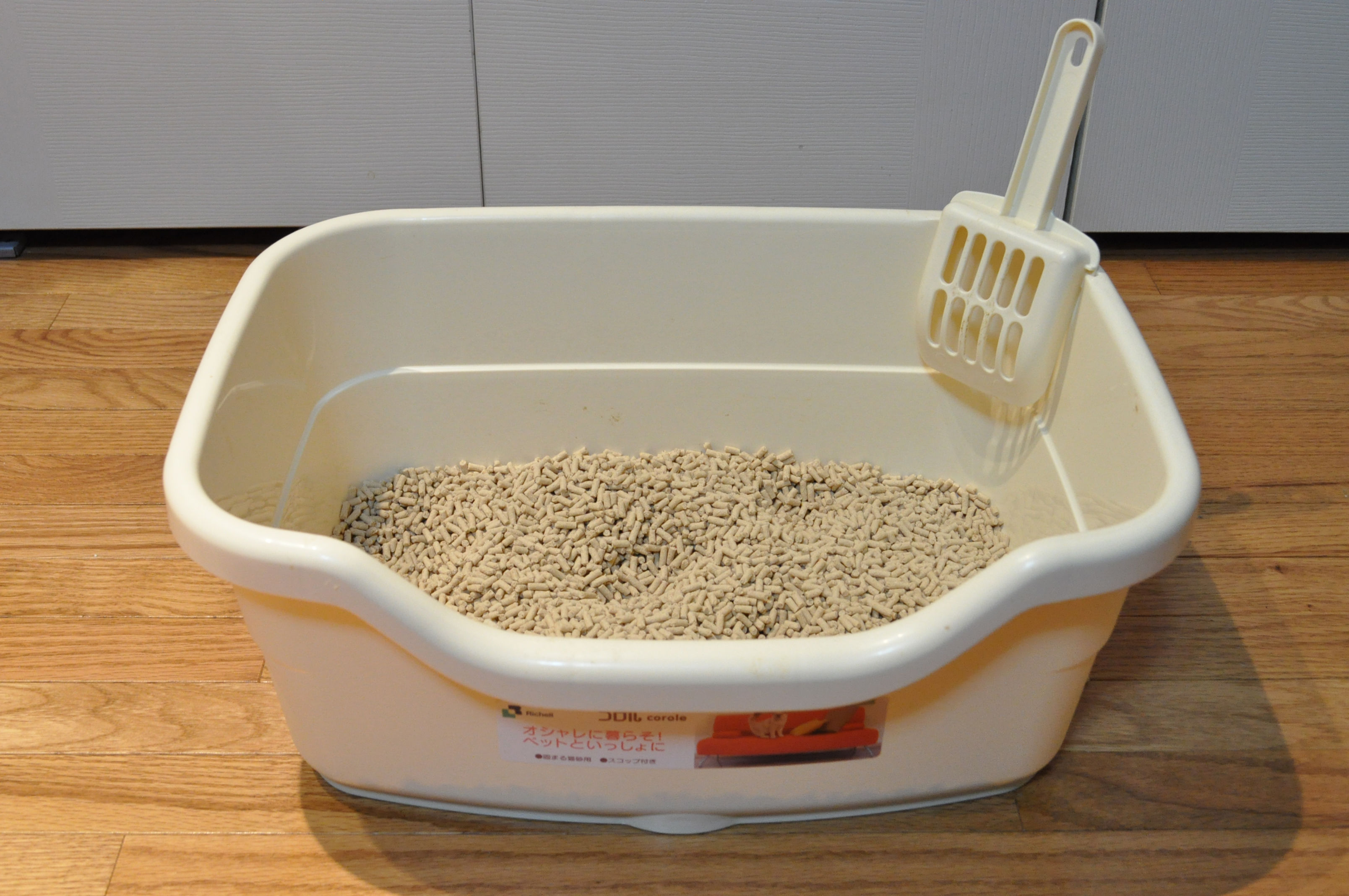
Litter box problems are one of the most common reasons cats are surrendered to shelters or rehomed. Yet most litter box problems are entirely preventable or solvable through proper management.
Never make these litter box mistakes:
- Placing the litter tray in noisy, busy areas: Cats need privacy and peace for toileting. Placing trays near loud appliances, high-traffic areas, or near food and water stresses the cat
- Using heavily scented litter: Strong fragrances overwhelm sensitive feline noses. Unscented litter is preferable
- Failing to clean regularly: Dirty litter boxes discourage use. Scoop daily, clean thoroughly weekly
- Punishing accidents: Cats do not understand punishment for elimination accidents. Punishment only increases anxiety and worsens the problem
- Using covered boxes exclusively: Many cats dislike the confined space of covered boxes. Provide open, large trays
- High-sided trays for older or mobility-limited cats: Difficult-access litter boxes result in avoidance. Use low-sided trays for senior cats
Understanding litter box avoidance: A cat avoiding the litter box is communicating that something is wrong—either with the box itself or with the cat's physical or emotional state. Address the underlying cause rather than punishing the cat.
Never Force Sudden Changes

Cats are creatures of habit who thrive on predictability and routine. Sudden, dramatic changes create stress and anxiety, frequently manifesting as behavioural problems.
Changes that should never be sudden:
- Food changes: Abrupt dietary switches cause digestive upset and stress. Transition over 7 to 10 days, gradually mixing new food with old
- Litter changes: Switching litter brands suddenly may cause litter box avoidance. Change gradually, mixing old and new litter
- Home layout: Rearranging furniture or major changes disorient cats. Make changes gradually when possible
- Daily routine: Major changes to feeding times, play schedules, or interaction patterns create anxiety. Keep routines consistent
Stress-related consequences of sudden change:
- Inappropriate elimination
- Aggression or anxiety
- Decreased appetite
- Overgrooming
- Increased hiding
Appropriate approach: When changes are necessary, introduce them gradually and thoughtfully. Maintain as much consistency as possible in other areas of your cat's life. Provide extra reassurance during transitions.
Building a Relationship Based on Understanding
Many behavioural and health problems in cats stem directly from misunderstanding their needs, preferences, and how they experience the world. A cat is not a small human with fur; they are a distinct species with unique requirements and perspectives. By avoiding these common mistakes and responding thoughtfully to your cat's actual needs, you build a relationship based on genuine understanding and respect.
Your cat's wellbeing, happiness, and longevity depend significantly on the choices you make daily. The effort you invest in understanding your cat and avoiding these common pitfalls is repaid many times over through a healthier, happier, more affectionate companion.
Never punish your cat; punishment damages trust, increases fear, and worsens behaviour without teaching what you want. Instead, identify underlying causes and address them through environmental modification and positive reinforcement. Never ignore sudden behaviour changes; they are frequently the first sign of physical illness or emotional distress, and early investigation enables early treatment. Never force physical contact; respect your cat's autonomy and let them choose interaction, building trust and willingness to seek your company. Never feed toxic human foods including chocolate, onions, garlic, grapes, raisins, alcohol, caffeine, cooked bones, or xylitol; even small amounts can cause serious illness or death. Never skip veterinary care; preventive medicine costs far less than treating advanced disease and enables early intervention when most effective. Never declaw your cat; declawing is mutilation causing chronic pain, behavioural problems, and reduced quality of life. Provide appropriate scratching outlets and regular nail trimming instead. Never use dog products on cats; cats process chemicals differently and many products safe for dogs are toxic to cats. Never leave dangerous items within reach; secure strings, toxic plants, chemicals, medications, and other hazards. Never neglect mental stimulation; enrichment is essential for behavioural health and wellbeing at all life stages. Never ignore litter box needs; place trays in quiet, accessible locations, keep them clean, use unscented litter, and address avoidance through investigation rather than punishment. Never force sudden changes; transition changes gradually to food, litter, routines, and home layout. Understanding your cat's needs and avoiding these common mistakes strengthens your bond, improves health outcomes, prevents behavioural problems, and creates a safe, enriching environment where your cat thrives.
This guide is based on feline behaviour science and veterinary standards for cat care. Individual cats may display variation in preferences and sensitivities based on personality, early experiences, and health status. When in doubt about appropriate care, consult your veterinarian. If your cat develops behaviour problems, early professional consultation prevents escalation and improves outcomes significantly.