As your cat enters their senior years, you may notice subtle or sometimes dramatic shifts in their behaviour, personality, and daily routines. These changes can feel concerning, confusing, or even heartbreaking as you watch your once-active companion slow down and alter their familiar patterns. The crucial understanding is that not all behaviour changes in senior cats are simply "normal old age." Whilst many changes are indeed expected and natural, others may signal underlying health problems that, when addressed promptly, can significantly improve your cat's quality of life and comfort during their golden years.
Learning to distinguish between normal age-related changes and behaviour shifts indicating medical problems enables you to provide appropriate care, recognise when veterinary intervention is necessary, and ensure your senior cat receives the support they need. This comprehensive guide explores what constitutes normal ageing in cats, identifies common behaviour changes and their potential causes, explains serious medical conditions manifesting as behaviour shifts, and provides practical strategies for supporting your senior cat through their later years.
Understanding Senior Cat Ageing

The timeline for feline ageing varies somewhat depending on individual genetics, health history, and environmental factors, but veterinarians generally classify cats as entering their senior years around 7 to 10 years of age. By 11 to 12 years, most cats display noticeable signs of ageing. Some cats remain remarkably spry and active well into their late teens and twenties, whilst others show age-related changes earlier. Individual variation is enormous, making it essential to assess your individual cat rather than following rigid age-based guidelines.
What constitutes normal feline ageing:
Ageing affects cats both physically and mentally, creating gradual changes in appearance, behaviour, and physical capability. Normal age-related changes typically develop gradually over months or years, do not cause obvious distress or pain, and represent expected progression rather than alarming shifts. These changes reflect natural processes of physical decline and do not necessarily indicate disease.
Common normal age-related changes include:
- Increased sleeping: Senior cats often sleep substantially more than younger cats, sometimes 18 to 20 hours daily. This increased rest is a normal energy conservation mechanism
- Reduced activity and playfulness: Older cats typically engage in less active play and may lose interest in toys they previously enjoyed
- Slower movements or visible stiffness: Arthritis and muscle loss cause older cats to move more slowly and carefully
- Increased preference for routine: Senior cats often become creatures of habit, preferring familiar patterns and becoming stressed by changes
- Mild appetite changes: Some senior cats show slightly reduced appetite or changes in food preferences
- Coat changes: The fur may become less lustrous, and some thinning may occur
Critical distinction: Whilst gradual changes are expected, sudden or extreme behaviour changes are never "just old age." Dramatic shifts, rapid deterioration, or distress always warrant veterinary investigation. Even if your cat is elderly, unexpected behaviour changes signal that something requires attention.
Increased Sleeping and Reduced Activity

One of the most noticeable changes in senior cats is increased sleeping and dramatically reduced activity levels. Older cats conserve energy, often sleeping for extended periods throughout the day. This change alone is usually normal and reflects natural ageing processes.
Normal increased sleeping in senior cats:
- Sleeping 16 to 20 hours daily is not uncommon in senior cats
- The cat wakes normally when stimulated and appears alert when awake
- Appetite and body weight remain stable
- No signs of pain or discomfort when moving
Warning signs requiring veterinary evaluation:
- Excessive lethargy: Unresponsiveness even when stimulated may indicate illness rather than normal rest
- Accompanying weight loss: Loss of weight despite normal appetite suggests underlying disease
- Visible weakness: Inability to walk normally, stumbling, or dragging limbs indicates neurological or muscular problems
- Pain during movement: Crying out, reluctance to move, or limping suggests arthritis or other pain-causing conditions
- Loss of appetite: Decreased interest in food, particularly if rapid, warrants investigation
Increased rest combined with maintained appetite, stable weight, and absence of pain is normal ageing. Increased rest accompanied by weakness, weight loss, or pain suggests medical problems requiring professional evaluation.
Changes in Sociability and Affection

Personality and sociability changes are common in ageing cats, manifesting in varying ways depending on the individual cat and underlying factors.
Some senior cats become more affectionate:
- Increased clinginess and desire for proximity to their owner
- More frequent requests for attention and interaction
- Seeking comfort and reassurance
- These changes often reflect the cat becoming more dependent and seeking security from familiar people
Other senior cats become withdrawn or irritable:
- Decreased interest in interaction and social engagement
- Increased preference for solitude and quiet
- Irritability when handled or when routines are disrupted
- Reduced tolerance for noise, activity, or environmental stimulation
Common reasons for sociability changes:
- Sensory decline: Hearing and vision loss make the cat startle easily and feel less confident. They may become withdrawn or more dependent on familiar people for security
- Joint pain: Arthritis makes handling uncomfortable. A cat painful when touched may become irritable or aggressive when approached
- Cognitive changes: Confusion or disorientation may make the cat anxious and seeking reassurance, or withdrawn and confused about familiar people
- Reduced energy: Less energy may result in reduced interest in interaction and socialisation
Mild changes in sociability are normal, but sudden dramatic personality shifts warrant veterinary evaluation to identify potential underlying causes.
Vocalisation Changes and Night-Time Noise

Changes in vocalisation patterns are common in senior cats and may stem from various causes ranging from benign to serious. Distinguishing between normal changes and warning signs is important.
Normal vocalisation changes:
- Occasional increased meowing, particularly during transitions between sleep and wakefulness
- Voice quality changes reflecting age-related changes to the vocal cords
- Mild increases in vocalisation during specific situations
Concerning vocalisation changes requiring veterinary attention:
- Persistent meowing: Constant, excessive vocalisation, particularly at night, may indicate cognitive dysfunction or medical problems
- Night-time vocalisations: Loud meowing during sleeping hours often signals disorientation, anxiety, or medical problems
- Distressed or confused vocalisation: Sounds of confusion or distress suggest cognitive decline or pain
- Sudden onset of vocalisation: A previously quiet cat becoming vocal represents a change requiring investigation
Medical causes of vocalisation changes:
- Hearing loss: Cats with reduced hearing may vocalise more loudly or frequently to compensate
- Cognitive dysfunction syndrome: Confusion and disorientation trigger increased, often distressed vocalisation, particularly at night
- Hyperthyroidism: This common senior cat condition causes restlessness and increased vocalisation
- High blood pressure: Can manifest as agitation and increased vocalisations
- Pain: Cats in pain may vocalise more frequently
Persistent, excessive, or distressed vocalisation warrants veterinary evaluation to identify underlying causes.
Litter Box Behaviour Changes
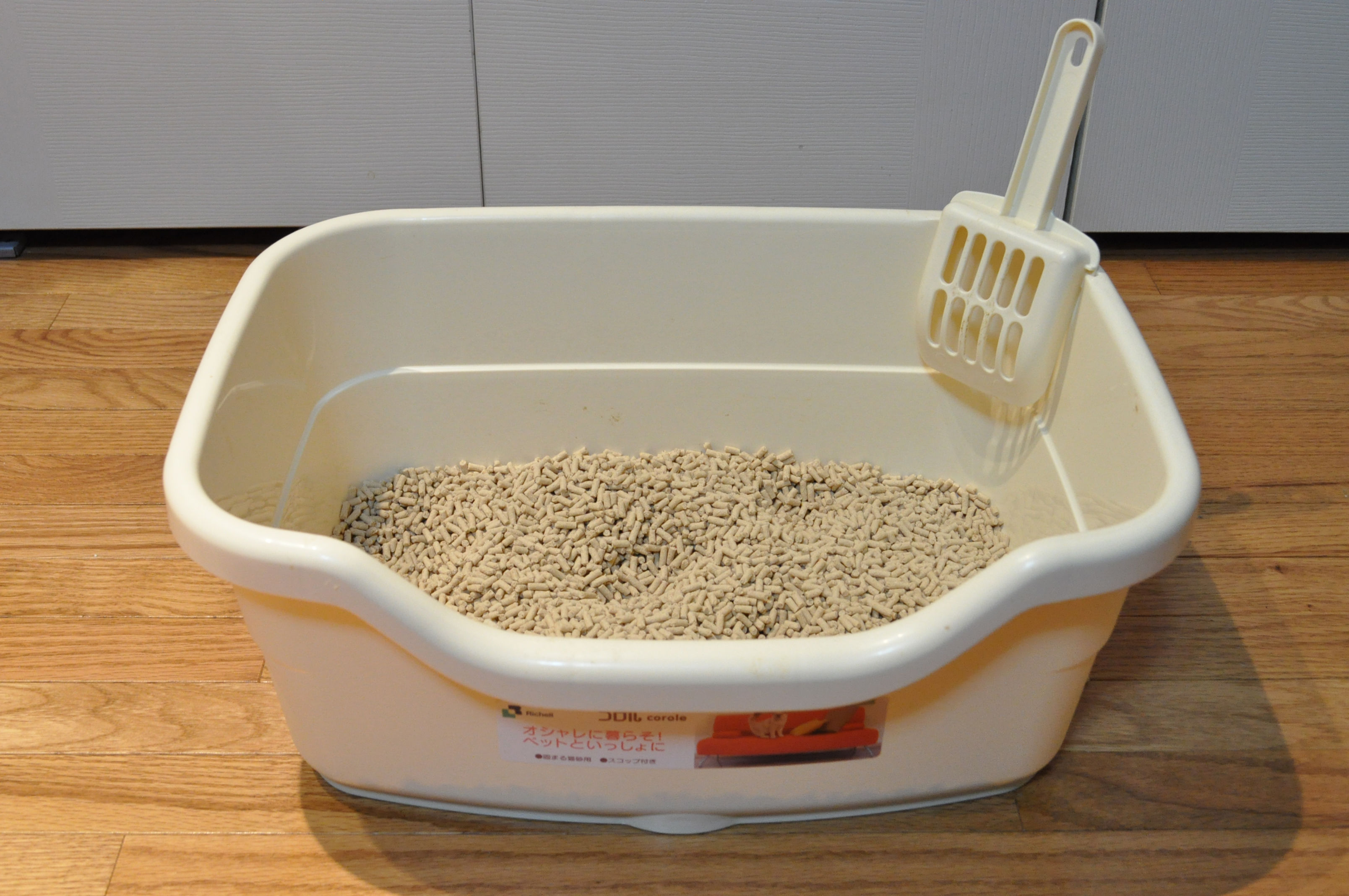
Changes in litter box habits are among the most common behaviour changes in senior cats and frequently indicate both environmental and medical concerns. This is an area where owners can make significant practical differences.
Common litter box changes in senior cats:
- Missing the litter box or eliminating nearby rather than inside it
- Urinating or defecating outside the litter box entirely
- Struggling to climb into high-sided trays or boxes with difficult access
- Changes in frequency of urination or defecation
- Accidents occurring despite previously perfect litter box habits
Medical causes of litter box problems:
- Arthritis: Joint pain makes climbing into litter boxes difficult. The cat may avoid the effort and eliminate nearby
- Kidney disease: Increased urination and frequency changes are common with kidney problems
- Urinary tract infections: Cause urgency and frequent urination, sometimes leading to accidents
- Diabetes: Increased thirst and urination result in litter box changes
- Cognitive decline: The cat may forget litter box location or purpose
Environmental solutions:
- Provide low-entry litter trays: Use large, shallow trays with low sides (2 to 3 inches) instead of covered boxes or high-sided trays
- Multiple litter trays: Ensure adequate litter box access. Senior cats may not travel as far to access facilities
- Easy accessibility: Place litter trays on the same floor level as where your cat spends most time
- Larger litter trays: Senior cats may have difficulty manoeuvring in small spaces
Litter box changes almost always indicate either environmental barriers or medical problems. Addressing these systematically often resolves the issues significantly.
Changes in Grooming Habits

Grooming behaviour changes reflect physical limitations, pain, cognitive changes, or stress in senior cats.
Reduced grooming in senior cats:
- Matted or tangled fur: The cat cannot or will not groom effectively
- Greasy or oily coat: Lack of grooming leaves natural oils unspread
- Visible dandruff or flaking: Poor grooming affects skin health
- Unkempt appearance: The coat lacks the lustre of a well-groomed cat
Common causes of reduced grooming:
- Arthritis and joint pain: The contortions required for grooming become painful
- Obesity: Difficulty reaching all body parts for grooming
- Reduced flexibility: Age-related stiffness makes grooming difficult
- Cognitive decline: Confusion may cause the cat to forget grooming behaviours
Excessive grooming in senior cats:
- Some senior cats overgroom, licking excessively in specific areas
- This may indicate pain, skin disease, anxiety, or discomfort
- Baldness from overgrooming requires veterinary evaluation
How to help:
- Gentle brushing several times weekly helps remove mats and loose fur
- Professional grooming may help maintain coat condition
- Monitor skin condition for infections or problems
Serious Medical Conditions Manifesting as Behaviour Changes

Many serious medical conditions in senior cats first manifest as behaviour changes rather than obvious physical symptoms. Understanding these conditions helps you recognise when professional evaluation is necessary.
Feline Cognitive Dysfunction Syndrome (Feline Dementia):
Similar to Alzheimer's disease in humans, this condition involves cognitive decline affecting memory, orientation, and behaviour.
- Signs include: Confusion or disorientation, pacing or restlessness, forgetting familiar locations including litter box position, reduced recognition of family members, increased vocalisations particularly at night, disrupted sleep-wake cycles
- Impact: Causes significant distress to both cat and owner
- Management: Veterinary consultation can identify the condition and discuss management options that may improve quality of life
Arthritis and Joint Pain:
Extremely common in senior cats and frequently overlooked because cats hide pain effectively.
- Signs include: Reluctance to jump or climb, stiffness particularly after rest, behavioural changes when touched (aggression or withdrawal), reduced grooming, reluctance to use high litter boxes, difficulty with stairs
- Impact: Significantly affects quality of life
- Management: Pain management, environmental modifications, supplements, and specialised diets can dramatically improve comfort and mobility
Kidney Disease:
One of the most common conditions in senior cats.
- Signs include: Increased thirst and urination, appetite loss, lethargy, weight loss, bad breath, vomiting
- Behaviour manifestations: Litter box changes, reduced activity, behavioural changes reflecting discomfort
- Management: Early diagnosis enables interventions that slow progression and improve quality of life
Hyperthyroidism:
Common in senior cats, causing hormonal imbalance.
- Signs include: Increased vocalisations, restlessness and agitation, weight loss despite good appetite, rapid heartbeat
- Behaviour manifestations: Personality changes, increased agitation, changed sleep patterns
- Management: Medication or other treatments can effectively manage the condition
Sensory Decline:
Vision and hearing loss are common and affect behaviour significantly.
- Vision loss: The cat may become startled easily, bump into objects, show reluctance to navigate, appear more anxious
- Hearing loss: The cat may not respond to sounds, vocalise more loudly, startle easily when touched because they do not see the approach
- Impact: Sensory loss makes the world seem less predictable and more frightening
Supporting Your Senior Cat Through Behaviour Changes

Managing senior cat behaviour changes effectively requires a combination of veterinary care, environmental modifications, and emotional support.
Regular veterinary care:
- Senior cats should visit a veterinarian at least twice yearly, rather than the annual visit appropriate for younger cats
- Regular check-ups catch early disease stages when intervention is most effective
- Blood work and diagnostic testing identify conditions before obvious symptoms appear
Environmental adaptations:
- Low-entry litter trays in accessible locations
- Ramps or steps providing access to favourite sleeping spots
- Soft bedding in warm, quiet areas for comfortable resting
- Food, water, and litter placed at convenient locations minimising necessary travel
- Night lighting to help with navigation and vision loss
- Maintaining consistent furniture arrangement so familiar routes remain safe
Consistent routine:
- Predictable feeding times
- Regular play sessions at the same times
- Consistent interaction patterns
- Stability reduces anxiety and disorientation
Gentle enrichment:
- Short, low-energy play sessions suited to senior capabilities
- Puzzle feeders providing mental stimulation without physical demand
- Interactive toys at ground level
- Window perches for observation without jumping
Pain and comfort management:
- Veterinary-approved pain medication can dramatically improve quality of life
- Specialised diets supporting joint or kidney health
- Supplements supporting joint, brain, or overall senior health
- Comfortable, easily accessible sleeping areas
Emotional support and patience:
- Never punish your senior cat for accidents, irritability, or confusion
- These behaviours stem from discomfort or cognitive changes, not misbehaviour
- Offer reassurance and comfort
- Recognise that your cat may need different interaction styles as they age
When to Seek Veterinary Care

Knowing when behaviour changes warrant professional evaluation prevents delayed diagnosis of serious conditions.
Contact your veterinarian promptly if you observe:
- Sudden personality changes: Dramatic shifts in temperament or sociability
- Unexplained aggression: Aggression appearing without clear cause
- Disorientation or confusion: The cat seems lost in familiar spaces, forgets routines, or displays confusion
- Persistent excessive vocalisation: Constant meowing, particularly at night
- Litter box changes: Accidents, missing the box, or changed urination patterns
- Appetite loss: Reduced interest in food or rapid weight loss
- Increased thirst: Noticeable increase in water consumption
- Changes in mobility: Difficulty jumping, climbing, or moving
- Reduced grooming with matting or coat deterioration: Significant grooming changes
- Changes in breathing or unusual sounds: Wheezing, laboured breathing, or other respiratory changes
Critical principle: Behaviour changes are never simply "just old age" until medical causes have been thoroughly ruled out. Many serious conditions are treatable or manageable when caught early. Investigate rather than dismiss behaviour changes.
Quality of Life in the Senior Years
With appropriate care, attention, and medical management, senior cats can enjoy comfortable, happy, and affectionate lives well into their late years. The key is recognising that your cat's needs change as they age and responding thoughtfully to those changing needs.
Your senior cat deserves comfort, dignity, patience, and the best quality of life possible. By understanding behaviour changes, seeking professional help when needed, and adapting your home and care to suit their changing capabilities, you ensure your elderly companion enjoys their golden years with you.
Behaviour changes in senior cats (aged 7-10 years and older) are common but should never be automatically dismissed as "normal old age" until medical causes have been ruled out. Normal age-related changes include gradual increases in sleeping, reduced activity and playfulness, slower movements, increased routine preference, and mild appetite changes that occur gradually over months or years without causing distress. Concerning behaviour changes requiring veterinary evaluation include sudden personality shifts, sudden vocalisations or night-time meowing, appetite loss, weight loss, litter box accidents, disorientation, and limping or obvious pain. Increased sleeping alone is normal; increased sleeping combined with weight loss, weakness, or reduced appetite suggests illness. Sociability changes are normal; sudden dramatic shifts warrant investigation. Vocalisation increases are common; persistent excessive vocalisations particularly at night may indicate cognitive dysfunction, hyperthyroidism, or other medical problems. Litter box changes often reflect both environmental barriers (difficult-access trays, inconvenient locations) and medical problems (arthritis, kidney disease, urinary tract infections, diabetes). Reduced grooming may indicate arthritis, obesity, or cognitive decline; excessive grooming may indicate pain or anxiety. Serious medical conditions commonly manifesting as behaviour changes include cognitive dysfunction syndrome (confusion, disorientation, night vocalisations), arthritis (reluctance to jump, aggression when touched, reduced grooming), kidney disease (increased thirst and urination, appetite loss, lethargy), hyperthyroidism (increased vocalisations, restlessness, weight loss despite good appetite), and sensory decline (vision and hearing loss causing anxiety and behavioural changes). Management involves regular veterinary care (twice yearly for senior cats), environmental adaptations (low-entry litter trays, ramps, accessible facilities), consistent routines, gentle enrichment, pain and comfort management, and emotional support. Never punish senior cats for accidents, irritability, or confusion; these behaviours reflect discomfort or cognitive changes requiring compassionate response. Quality of life can remain excellent with appropriate management addressing both physical and emotional needs. Behaviour changes are communication from your cat that something requires attention; investigate rather than dismiss.
This guide is based on feline gerontology research and veterinary standards for senior cat care. Individual cats age at different rates based on genetics, health history, breed, and environmental factors. Always consult your veterinarian when you observe behaviour changes in your senior cat, as early diagnosis and intervention often provide excellent outcomes. Twice-yearly veterinary check-ups are recommended for cats over 7 years of age to monitor health and catch early disease.