When someone asks how old your cat is, you might reflexively answer "seven years old" without considering what that actually means in terms of your cat's life stage and needs. Many owners mistakenly assume that cat years convert to human years using a simple mathematical formula, believing that one cat year equals approximately seven human years. This widespread misconception leads owners to misunderstand their cat's actual age, development stage, health requirements, and life expectancy. In reality, cat aging is far more complex than a simple ratio, with cats reaching full physical and sexual maturity within their first two years of life whilst aging at a gradually slower rate thereafter.
Understanding how to accurately convert your cat's age to human years, recognising what each life stage involves, knowing how aging affects your cat's health and behaviour, and adjusting care appropriately based on your cat's actual developmental stage enables you to provide precisely targeted nutrition, healthcare, enrichment, and support throughout their entire lifespan. This comprehensive guide explores the truth about cat aging, provides accurate age conversion methods, explains what occurs during each feline life stage, and addresses how aging affects your cat's needs.
The Myth of the "Seven Year" Rule

The popular belief that one cat year equals seven human years is a widespread oversimplification that, whilst easy to remember, bears little resemblance to how cats actually age. This myth likely originated from the observation that cats can reproduce at young ages and reach physical maturity quickly, leading to rough estimates of their relative aging speed compared to humans.
Why the seven-year rule fails:
- Cats age fastest in early years: A one-year-old cat is not equivalent to a seven-year-old human; they are actually much more developmentally advanced
- Aging rate slows with time: As cats mature, their aging rate gradually slows, making a simple multiplier impossible
- Individual variation: Genetic factors, health status, nutrition, and lifestyle significantly affect individual aging rates
- Breed differences: Some cat breeds age at different rates than others
- Health impact: Cats with health conditions or poor nutrition may age faster than healthy, well-cared-for cats
Abandoning the seven-year myth in favour of accurate age conversion enables more appropriate care tailored to your cat's true developmental stage.
Accurate Cat Age Conversion to Human Years

Veterinarians and feline behaviour specialists use a more accurate formula that accounts for rapid early aging followed by slower aging in mature years.
Accurate age conversion formula:
- First cat year = approximately 15 human years: A one-year-old cat has reached physical and behavioural maturity comparable to a 15-year-old human
- Second cat year = approximately 9 additional human years: A two-year-old cat is equivalent to approximately 24 human years
- Each additional cat year = approximately 4 human years: From year three onward, add roughly 4 human years for each cat year
Quick reference conversion chart:
- 1-month-old cat = 1-3 months old human
- 3-month-old cat = 4-6 months old human
- 6-month-old cat = 10 human years
- 1-year-old cat = 15 human years
- 2-year-old cat = 24 human years
- 3-year-old cat = 28 human years
- 5-year-old cat = 36 human years
- 7-year-old cat = 44 human years
- 10-year-old cat = 56 human years
- 15-year-old cat = 76 human years
- 18-year-old cat = 88 human years
- 20-year-old cat = 96 human years
This conversion method provides much more accurate insight into your cat's actual developmental stage and life phase compared to the outdated seven-year rule.
Kitten Stage: Months 0-6

The kitten stage represents the most rapid growth and development period in feline life. A six-month-old kitten has reached the equivalent of a 10-year-old human in development, an extraordinary transformation compressed into half a year.
Physical development during kittenhood:
- Birth to 2 weeks: Eyes closed, entirely dependent on mother, minimal movement
- 2-4 weeks: Eyes open, initial exploration, weaning begins, baby teeth erupt
- 4-8 weeks: Rapid growth, play behaviour develops, coordination improves, weaning continues
- 8-12 weeks: Increased independence, more complex play, deciduous teeth becoming fully erupted
- 3-6 months: Continued rapid growth, sexual maturity approaching in some breeds, permanent teeth beginning to erupt
Nutritional needs during kittenhood:
- Kittens require significantly more calories per kilogram of body weight than adult cats due to growth demands
- High-quality kitten formula foods contain appropriate nutrient ratios for development
- Frequent feeding (3-4 times daily) supports rapid growth
- Essential nutrients including taurine, calcium, and phosphorus in proper balance support skeletal development
Behavioural characteristics:
- Play behaviour serving as hunting skills practice
- Rapid learning of social skills and boundaries
- Vulnerability to illness and injury due to immature immune system
- Vaccination schedule supporting immune system development
Juvenile Stage: 6 Months to 1 Year

The juvenile stage bridges rapid kitten development and full adult maturity. A juvenile cat at one year of age has reached the developmental equivalent of a 15-year-old human, having achieved sexual maturity and nearly complete physical growth.
Physical development during juvenile stage:
- Permanent teeth fully erupted by 6-7 months
- Growth rate slows compared to early kittenhood but continues
- Sexual maturity reached (intact cats can reproduce)
- Nearly full adult size achieved by one year, though some breeds continue slow growth to 18-24 months
Behavioural changes:
- Increased independence and confidence
- Sexual behaviour beginning in intact cats
- Play behaviour continuing, though becoming more refined
- Establishment of territories and routines
Healthcare considerations:
- Spay or neuter procedures typically recommended around 5-6 months to prevent unwanted reproduction and associated health risks
- Final vaccinations completing by one year
- Transition from kitten to adult formula food occurring around 12 months
Young Adult Stage: 1-6 Years

The young adult stage represents peak physical condition and vitality. Cats in this stage are equivalent to humans aged 15 to 40 years old. This is the longest stage of the feline lifespan and represents the cat's prime years.
Physical characteristics:
- Full adult size achieved and maintained
- Peak physical strength and athletic ability
- Excellent healing capacity and immune function
- Low incidence of age-related health problems
Nutritional needs:
- Adult maintenance diet providing balanced nutrition without excess calories (unless very active)
- Stable calorie requirements compared to growth or senior stages
- Prevention of obesity through appropriate portion control
Healthcare and activity:
- Annual veterinary check-ups monitoring for emerging health issues
- High activity levels and athletic ability
- Peak reproductive capability (if intact; spaying/neutering is standard)
- Optimal response to training and environmental enrichment
Young adult cats thrive on mental and physical enrichment, regular play, and social interaction. This stage is ideal for introducing new experiences and maintaining excellent health habits that support longevity.
Mature Adult Stage: 6-10 Years

The mature adult stage represents cats aged equivalent to 40 to 56 human years. Cats in this stage begin showing subtle signs of aging, though most remain quite active and healthy. Some health changes may begin to manifest.
Physical changes during mature adulthood:
- Subtle slowing of metabolism, predisposing to weight gain if diet is not adjusted
- Initial signs of joint stiffness or reduced flexibility may appear, particularly after rest
- Coat may become slightly less lustrous
- Sensory changes beginning (hearing or vision may diminish slightly)
- Early stages of age-related health conditions emerging in some cats
Health screening:
- Twice-yearly veterinary check-ups recommended to monitor for emerging health issues
- Blood work screening identifying early disease stages
- Dental care preventing age-related tooth loss
Activity and enrichment:
- Cats remaining quite active, though play sessions may be slightly shorter
- Continued need for mental and physical enrichment
- Increased preference for routine and consistency
Nutritional adjustments:
- Calorie reduction or weight management diet preventing obesity
- Joint-support supplements beneficial for cats showing signs of arthritis
- Adequate protein maintaining muscle mass
Senior Stage: 10-15 Years
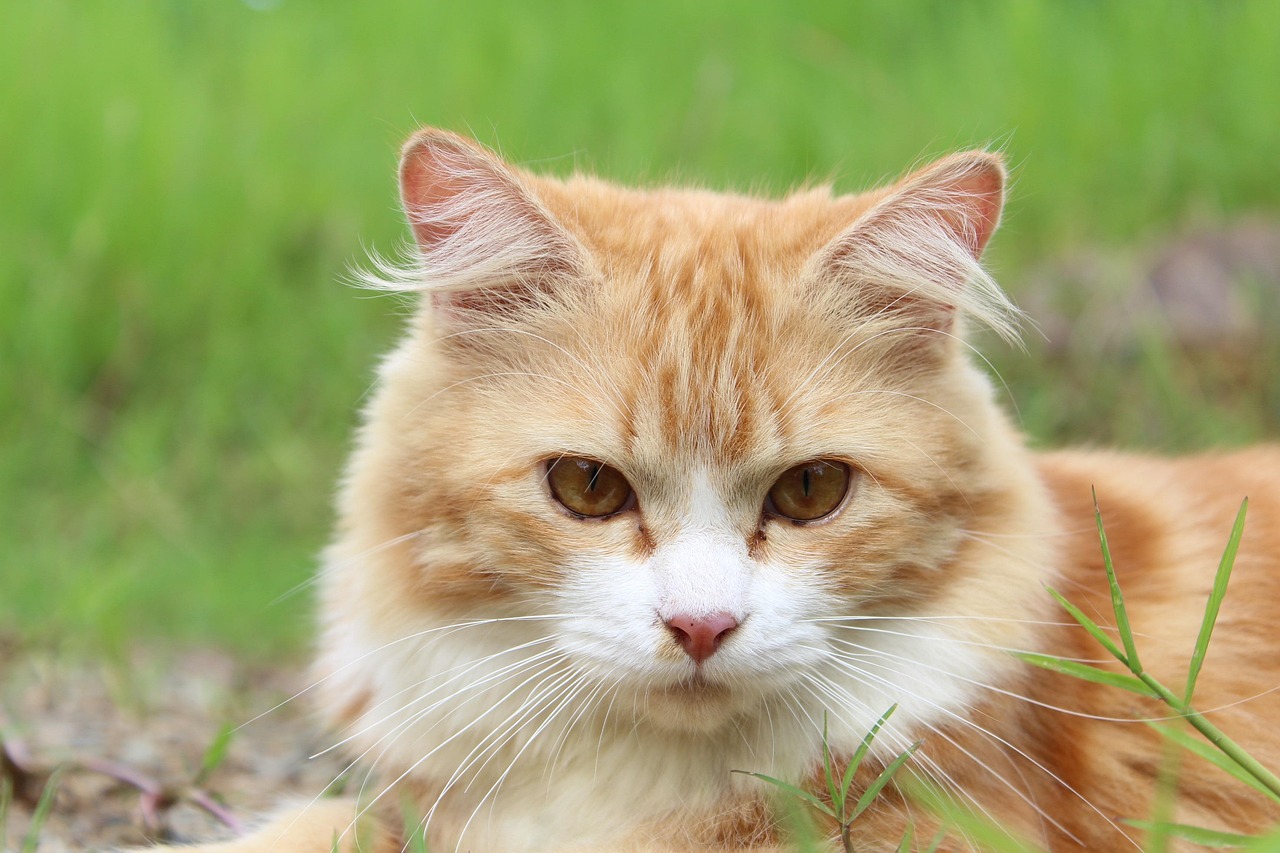
The senior stage encompasses cats equivalent to 56 to 80 human years. Cats in this stage show obvious signs of aging, and health management becomes increasingly important. Many cats remain healthy and active well into this stage, though age-related conditions become more common.
Typical signs of aging during senior stage:
- Reduced activity: Increased sleeping and reduced play time
- Mobility changes: Stiffness, reluctance to jump, slower movement
- Sensory decline: Hearing loss and vision loss becoming more noticeable
- Coat changes: Less lustrous, possible thinning, possible greying
- Dental changes: Tooth loss, tartar accumulation, bad breath
- Metabolic changes: Weight gain or weight loss, altered appetite
Common health conditions emerging:
- Arthritis and joint pain
- Kidney disease
- Hyperthyroidism
- Hypertension (high blood pressure)
- Diabetes
- Cognitive dysfunction
Healthcare approach:
- Twice-yearly or more frequent veterinary check-ups
- Regular blood work monitoring organ function
- Pain management addressing arthritis and other pain conditions
- Blood pressure monitoring
- Specialised diets supporting kidney function or other specific needs
Home modifications:
- Low-entry litter boxes accommodating mobility limitations
- Easy access to food, water, and resting areas
- Soft bedding supporting arthritic joints
- Night lighting aiding vision loss
Geriatric Stage: 15+ Years
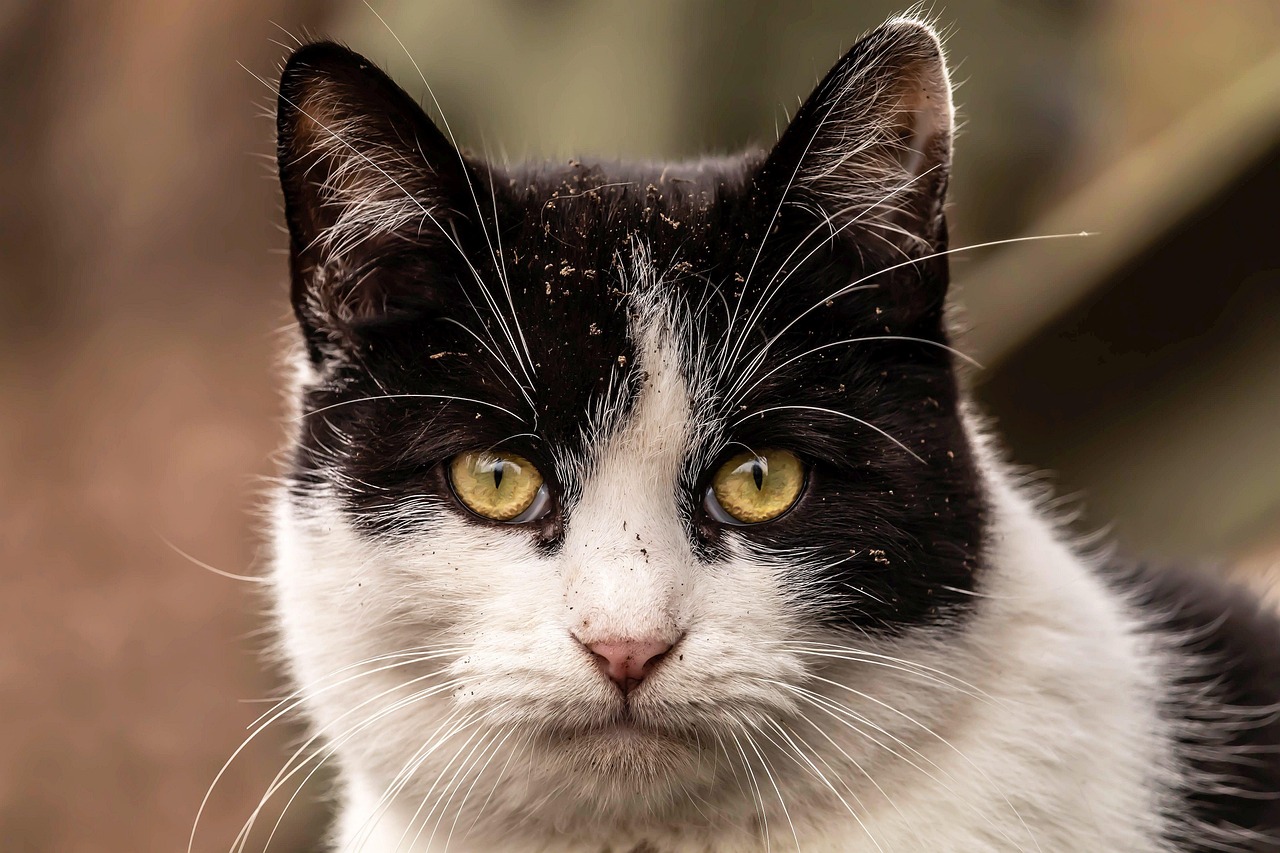
The geriatric stage encompasses cats aged 15 years and older, equivalent to humans aged 80 years and older. Cats in this stage show obvious and significant signs of aging, though many remain engaged and interactive. Healthcare focus shifts to quality of life and comfort management.
Characteristics of geriatric cats:
- Significantly reduced activity: Most time spent sleeping or resting
- Obvious mobility limitations: Stiffness, difficulty jumping, slow movement
- Sensory decline: Hearing loss and vision loss often substantial
- Cognitive changes: Possible confusion, disorientation, or memory loss
- Behavioural changes: Personality changes, irritability, or increased clinginess
- Frequent health issues: Multiple concurrent health conditions common
Multiple health conditions:
- Geriatric cats frequently have multiple simultaneous health conditions requiring management
- Organ function declining with age
- Healing ability reduced
- Medication interactions becoming more complex
Quality of life focus:
- Comfort and pain management prioritised
- Minimal necessary interventions
- Maintaining engagement and interaction
- Supporting dignity and autonomy
- Addressing suffering through appropriate pain control and palliative care
Home environment modifications:
- Maximum accessibility ensuring minimal effort for essential activities
- Temperature control maintaining comfort
- Soft, accessible resting areas
- Close proximity of food, water, and litter facilities
- Consistent routine providing security and reducing confusion
Factors Affecting Individual Aging Rates

Whilst age conversion provides a general framework for understanding your cat's life stage, individual variation is substantial. Several factors significantly influence whether your particular cat ages faster or more slowly than typical.
Genetic factors:
- Breed predisposition: Some breeds age earlier or later than others; some breeds are prone to specific age-related conditions
- Family history: Cats from longevity-prone families often live longer
- Individual genetic variation: Some cats are naturally more resilient or vulnerable to age-related decline
Health and medical factors:
- Chronic health conditions accelerating aging and decline
- Preventive healthcare catching and managing early disease stages, slowing aging effects
- Spay/neuter status: Intact cats have different health trajectories
- History of serious illness or injury affecting longevity
Lifestyle and environmental factors:
- Diet quality: Excellent nutrition supporting longevity; poor nutrition accelerating decline
- Weight management: Obesity accelerating age-related decline; healthy weight supporting longevity
- Activity level: Regular physical and mental activity supporting healthy aging
- Indoor vs. outdoor: Outdoor exposure increasing injury risk and infectious disease exposure
- Environmental stress: Chronic stress affecting aging rate; stable, enriched environment supporting healthy aging
- Veterinary care: Regular check-ups identifying problems early; preventive care extending healthspan
Some cats age remarkably slowly, remaining spry and healthy well into geriatric years. Others show age-related changes earlier. Understanding your individual cat's aging trajectory enables personalised care optimisation.
Longevity and Life Expectancy

Understanding typical feline life expectancy helps contextualize where your cat is in their lifespan and informs planning for their future care needs.
Average feline life expectancy:
- Indoor cats: 12-18 years, with many reaching their early twenties
- Outdoor/free-roaming cats: 2-5 years on average due to accidents, predation, disease, and environmental hazards
- Well-cared-for indoor cats with excellent veterinary care: Often reaching 18-20 years, with some exceeding 20 years
Factors extending lifespan:
- Indoor housing eliminating traumatic injury and disease exposure risks
- Excellent preventive veterinary care
- High-quality nutrition
- Healthy body weight maintenance
- Mental and physical enrichment
- Stable, low-stress environment
- Prompt treatment of health problems
Breeds with longer or shorter lifespans:
- Most domestic cats show similar longevity regardless of breed
- Some breeds with genetic predispositions to specific diseases may show shorter average lifespans
- Pure-bred cats from responsible breeders often show excellent longevity
- Mixed-breed cats often show robust longevity
Adjusting Care Based on Life Stage

Understanding your cat's developmental stage enables precise adjustment of nutrition, healthcare frequency, activity, enrichment, and environmental modifications to support optimal health and happiness at each life phase.
Kitten and juvenile stage care:
- High-quality kitten nutrition supporting growth
- Frequent feeding accommodating energy needs
- Enrichment supporting learning and development
- Veterinary care including vaccinations and spay/neuter
- Gentle training establishing positive behaviour patterns
Young and mature adult care:
- Balanced nutrition maintaining optimal weight
- Regular physical and mental enrichment
- Annual veterinary check-ups
- Preventive care monitoring for emerging issues
Senior and geriatric care:
- Twice-yearly veterinary check-ups and blood work
- Age-appropriate nutrition and possible joint support
- Pain management for arthritis and other conditions
- Environmental modifications supporting mobility and accessibility
- Gentle enrichment suited to reduced activity levels
- Increased monitoring for health changes
- Quality of life prioritisation
Understanding Your Cat's True Age and Needs
By moving beyond the outdated seven-year rule and accurately converting your cat's chronological age to human-equivalent years, you gain crucial insight into their true developmental stage and appropriate care requirements. A five-year-old cat is not a child but rather an adult in their prime. A ten-year-old cat is not simply "old" but rather in their middle years, beginning to show age-related changes. A fifteen-year-old cat approaches elderhood, requiring specific health management and life-quality focus.
This understanding transforms how you approach nutrition, healthcare frequency, activity levels, environmental modifications, and enrichment strategies. Your cat's age conversion to human years serves as a roadmap for meeting their changing needs throughout their entire lifespan, from helpless kitten to dignified elder.
The seven-year rule is a myth; cats do not age seven years for every human year. Accurate age conversion uses 15 human years for the first cat year, 9 additional human years for the second cat year (totalling 24), then approximately 4 human years for each subsequent cat year. Using this formula: a 1-year-old cat equals 15 human years; 2-year-old equals 24; 5-year-old equals 36; 10-year-old equals 56; 15-year-old equals 76; 20-year-old equals 96. Kittens (0-6 months) are equivalent to human infants through early childhood, experiencing rapid physical growth, developing immunity, and learning critical behaviours. Juveniles (6 months-1 year) reach sexual maturity and near-full physical size, equivalent to human adolescence aged 10-15 years. Young adults (1-6 years, equivalent to humans aged 15-40) represent peak physical condition, strength, and athletic ability. Mature adults (6-10 years, equivalent to humans aged 40-56) begin showing subtle aging signs with metabolism slowing and potential early health changes. Seniors (10-15 years, equivalent to humans aged 56-80) show obvious aging including reduced activity, mobility changes, sensory decline, and emerging age-related health conditions. Geriatric cats (15+ years, equivalent to humans 80+ years) show significant aging with multiple health conditions and quality-of-life focus. Aging rate varies substantially based on genetics, breed, health status, nutrition, weight, activity, stress, veterinary care, and environmental factors. Indoor cats average 12-18 years lifespan with excellent care; well-cared-for cats often reach 18-20+ years. Outdoor cats average 2-5 years due to injury and disease risks. Care should adjust to life stage: kittens need growth nutrition and frequent feeding; adults need balanced maintenance diet and annual check-ups; seniors need twice-yearly check-ups, possible joint support, and pain management; geriatrics need quality-of-life focus with accessible environments and comfort management. Understanding your cat's true developmental stage enables precise nutrition, healthcare, enrichment, and environmental modifications supporting optimal health and wellbeing throughout their entire lifespan.
This guide is based on feline aging research and veterinary gerontology standards. Individual cats age at varying rates based on genetics, health status, breed, nutrition, and lifestyle factors. Life expectancy varies widely; whilst average indoor cat lifespan is 12-18 years, many well-cared-for cats reach 20+ years. Always consult your veterinarian regarding age-appropriate nutrition, healthcare frequency, and activity modifications for your individual cat.