Cat whiskers may superficially resemble simple decorative facial hairs, yet they represent highly specialised, extraordinarily sensitive sensory organs playing critical roles in virtually every aspect of feline life including navigation, spatial awareness, balance, hunting, communication, and emotional expression. These remarkable structures, technically termed vibrissae, function as sophisticated biological sensors continuously gathering environmental information and transmitting data directly to the brain, enabling cats to move confidently through darkness, judge whether tight spaces are navigable, detect nearby movement, maintain coordination during complex movements, and even communicate their emotional states through subtle positional changes.
Many well-intentioned owners make dangerous mistakes regarding whiskers, including trimming them for aesthetic reasons, using deep narrow food bowls causing chronic overstimulation, or dismissing whisker damage as insignificant cosmetic issues rather than serious impairments substantially affecting quality of life. Cutting or damaging whiskers creates disorientation, balance problems, reduced confidence, navigation difficulties, and significant stress, with effects persisting until complete regrowth occurs over weeks or months, yet this entirely preventable harm continues occurring due to widespread misconceptions about whiskers being mere decorative features rather than essential sensory equipment.
Understanding exactly what whiskers are anatomically, how they function as sophisticated sensory tools, their multiple critical roles in daily feline life, why damaging them creates serious problems, recognising whisker fatigue and preventing it through proper bowl selection, knowing when whisker loss or damage warrants veterinary attention, and implementing appropriate care practices protecting these vital structures are essential for supporting your cat's natural abilities, maintaining their confidence and wellbeing, and avoiding common yet completely preventable mistakes causing unnecessary suffering and impairment.
What Are Cat Whiskers?

Whiskers, scientifically known as vibrissae, are specialised tactile hairs fundamentally different from regular fur in structure, function, and sensitivity.
Anatomical characteristics:
- Thicker and stiffer: Approximately twice the thickness of normal fur
- Deeper roots: Embedded three times deeper into skin than regular hairs
- Highly innervated follicles: Each whisker root surrounded by dense network of nerve endings
- Blood sinus: Follicle contains blood-filled capsule amplifying movement detection
- Proprioceptor connections: Direct neurological links to brain sensory centres
- Touch-sensitive mechanoreceptors: Detect even microscopic whisker movements
Whisker locations on cat's body:
- Mystacial whiskers: On each side of nose, typically 8 to 12 per side arranged in rows
- Superciliary whiskers: Above eyes, acting as eyebrow protection
- Genal whiskers: On cheeks
- Mandibular whiskers: On chin
- Carpal whiskers: On backs of front legs near wrists
How whiskers differ from fur:
- Fur provides insulation and protection
- Whiskers provide sensory information
- Fur grows in dense coverage
- Whiskers grow in specific strategic locations
- Fur sheds regularly in cycles
- Whiskers shed occasionally but remain relatively stable
These specialised structures function as extraordinarily sensitive biological sensors, with each whisker capable of detecting air currents, vibrations, and contact so subtle that cats perceive environmental details completely invisible to their vision.
What Do Cat Whiskers Actually Do?
1. Navigate Environments, Especially in Darkness

Whiskers provide crucial environmental awareness allowing confident movement regardless of lighting conditions.
How whiskers enable navigation:
- Detect air current changes: Objects disrupt air flow creating detectable patterns
- Sense nearby obstacles: Whisker deflection indicates proximity of surfaces
- Judge distances accurately: Whisker contact provides spatial measurements
- Create mental maps: Whisker input contributes to spatial memory
- Function in complete darkness: Provide information when vision useless
- Detect ground texture: Carpal whiskers assess surface conditions
Why this matters for cats:
- Cats are crepuscular (most active at dawn and dusk)
- Natural hunting occurs in low light conditions
- Whiskers compensate for feline near-vision limitations
- Enable confident movement through unfamiliar spaces
This sophisticated sensory capability explains why cats navigate dark houses effortlessly whilst humans stumble blindly, relying on whisker-provided environmental data constantly updating their spatial awareness.
2. Measure Spaces and Determine Fit
A cat's mystacial whiskers span approximately the same width as their body at its widest point, providing built-in measuring tool.
How space measurement works:
- Whisker span equals body width: Generally accurate for healthy-weight cats
- Touch both sides simultaneously: Indicates opening matches body width
- Brain processes width data: Determines if passage is navigable
- Prevents getting stuck: Cats avoid entering spaces where whiskers indicate tight fit
- Adjusts for weight changes: Overweight cats may misjudge if whiskers don't reflect current size
Practical applications:
- Deciding whether to enter cardboard boxes
- Navigating between furniture legs
- Squeezing through fence gaps
- Exploring tight spaces safely
Important note: This system works best for cats at healthy weights. Overweight cats may attempt spaces their whiskers suggest are passable but their actual body cannot navigate.
3. Support Balance and Coordination
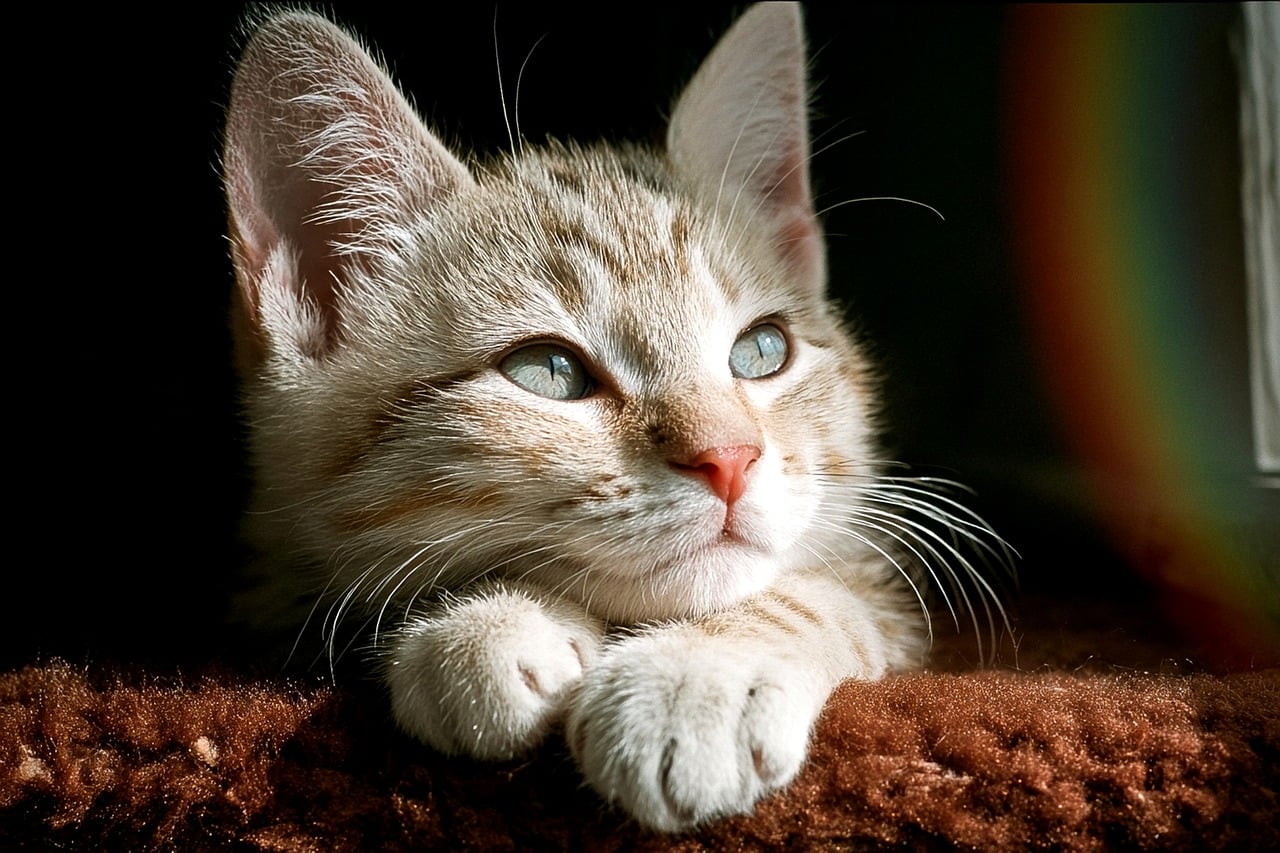
Whiskers work synergistically with inner ear vestibular system and vision maintaining equilibrium and coordinated movement.
Balance support functions:
- Detect head position: Whisker orientation provides positional feedback
- Sense body movement: Air flow changes during motion
- Aid jumping accuracy: Help calculate distance and trajectory
- Improve landing precision: Provide spatial awareness during descent
- Assist narrow surface walking: Detect proximity to edges
- Enhance climbing coordination: Monitor body position relative to surfaces
Why cats are such skilled athletes:
- Whisker input combines with visual and vestibular data
- Provides redundant sensory information improving accuracy
- Enables complex movements in challenging conditions
- Explains feline jumping and climbing prowess
Damage to whiskers noticeably affects coordination and confidence during athletic activities, with cats becoming hesitant about jumps and movements they previously executed effortlessly.
4. Protect Eyes and Face
Superciliary whiskers above eyes function as early warning protective sensors.
Protective mechanisms:
- Trigger blink reflex: Contact causes immediate eye closure
- Detect approaching objects: Before they reach delicate eye surface
- Prevent injury: Automatic protective response
- Guard during hunting: Protect eyes when pursuing prey through vegetation
- Navigate dense environments: Warn of branches, thorns, obstacles
This protective function is particularly crucial for cats exploring outdoors or hunting in dense vegetation where eye injuries could severely compromise survival.
5. Communicate Mood and Emotional State

Whisker position reveals important information about feline emotional states and intentions.
Whisker position meanings:
- Forward and relaxed: Curious, content, interested, friendly
- Pushed strongly forward: Alert, hunting mode, excited, focused
- Pulled tightly back against face: Fearful, anxious, defensive, aggressive
- Neutral position: Relaxed, comfortable, at ease
- Slightly forward with ears up: Playful, engaged
- Flattened with ears back: Frightened, preparing to defend or flee
Reading whisker body language:
- Observe whiskers alongside ears, tail, posture
- Context matters for accurate interpretation
- Whisker position often precedes other body language signals
- Provides early warning of mood changes
Learning to read whisker positions helps owners better understand their cat's emotional state, respond appropriately to needs, and avoid interactions when cats display stress or fear signals.
Can Cats Feel Pain in Their Whiskers?

Whiskers themselves, being modified hairs, contain no pain receptors. However, the follicles they grow from are extraordinarily sensitive.
What happens when whiskers are touched or manipulated:
- Whisker movement detected by follicle mechanoreceptors
- Not painful but highly sensitive and potentially uncomfortable
- Excessive manipulation causes stress and annoyance
- Cats typically dislike having whiskers touched
Why whiskers should never be cut or trimmed:
- Causes disorientation: Removes critical sensory input
- Impairs balance: Disrupts coordination systems
- Creates stress and anxiety: Loss of essential sensory information
- Reduces confidence: Cats become hesitant and uncertain
- Affects hunting ability: Cannot accurately judge prey distance
- Impacts navigation: Difficulty moving in darkness or tight spaces
- Causes emotional distress: Feeling vulnerable and exposed
Recovery from whisker cutting: Whilst whiskers eventually regrow over weeks to months, cats suffer significant impairment and stress during the entire regrowth period, making cutting whiskers an entirely unnecessary and cruel practice causing wholly preventable suffering.
What Is Whisker Fatigue?

Whisker fatigue, also called whisker stress, occurs when whiskers experience repeated overstimulation from constant contact with objects, most commonly food and water bowl sides.
How whisker fatigue develops:
- Deep, narrow bowls force whiskers to touch sides repeatedly
- Each contact sends sensory signals to brain
- Continuous stimulation becomes overwhelming
- Causes stress and discomfort during eating
- Leads to feeding behaviour changes
Signs your cat has whisker fatigue:
- Pawing food out of bowl: Eating from floor instead
- Eating only from centre: Avoiding bowl edges
- Refusing food despite hunger: Approaches bowl then walks away
- Appearing irritated during meals: Ears back, tense posture
- Messy eating habits: Dragging food away from bowl
- Preferring to drink from unusual sources: Taps, toilets, puddles rather than bowl
- Weight loss: If severe enough to significantly reduce intake
How to prevent whisker fatigue:
- Use wide, shallow bowls: Whiskers don't touch sides whilst eating
- Choose flat plates: Eliminate sides entirely
- Select bowls designed for whisker comfort: Wide-diameter, shallow-depth designs
- Ensure bowls are sufficiently filled: Food accessible without deep reaching
- Elevate bowls slightly: Improves eating posture, may reduce whisker contact
- Avoid narrow drinking glasses: Use wide water bowls or fountains
Controversy around whisker fatigue: Whilst some veterinarians question whether whisker fatigue represents genuine medical condition or simply preference for certain bowl types, many cats demonstrably show improved eating behaviour when switched to whisker-friendly bowls, suggesting the phenomenon affects at least some cats regardless of official medical recognition.
Do Cats Naturally Shed Whiskers?

Yes, cats naturally shed and regrow whiskers as part of normal hair growth cycles, though much less frequently than regular fur.
Normal whisker shedding:
- Occasional process: Finding one or two shed whiskers periodically is completely normal
- Individual replacement: Whiskers shed and regrow individually, not simultaneously
- Maintains full complement: New whiskers grow before old ones fall out
- No functional impairment: Cat retains adequate sensory input throughout
- Slower than fur shedding: Whiskers have longer growth cycles
When whisker loss becomes concerning:
- Sudden, excessive loss: Multiple whiskers falling out rapidly
- Bald patches around follicles: Visible thinning or missing whiskers
- Broken whiskers: Snapped rather than naturally shed
- Accompanied by other symptoms: Skin redness, itching, infections
Potential causes of abnormal whisker loss:
- Skin infections: Bacterial or fungal affecting follicles
- Allergies: Environmental or food allergies causing inflammation
- Stress: Excessive grooming or self-trauma
- Facial trauma: Injuries damaging whisker follicles
- Nutritional deficiencies: Poor diet affecting hair growth
- Parasites: Mites or other external parasites
- Autoimmune conditions: Rare disorders affecting hair follicles
- Alopecia: Hair loss conditions
If whisker loss accompanies redness, swelling, excessive scratching, bald patches, or behavioural changes, veterinary evaluation is recommended to identify and treat underlying causes.
Why Do Cats Have Whiskers on Their Legs?

Carpal whiskers, located on the backs of front legs near the wrist area, serve specific hunting and movement functions.
Carpal whisker functions:
- Detect captured prey movement: Sense struggling prey held between paws
- Judge prey position: Locate prey precisely for killing bite
- Monitor ground contact: Provide feedback during paw placement
- Coordinate climbing: Sense surface texture and stability
- Aid in manipulation: Provide sensory input when holding objects
- Enhance close-range awareness: Detect movement very near body
Particularly important for:
- Outdoor cats actively hunting
- Cats playing hunting-style games with toys
- Cats climbing trees or complex structures
- Cats manipulating objects with paws
Indoor cats may have less obvious use for carpal whiskers but retain them as part of complete sensory system supporting natural behaviours even in domestic environments.
Whiskers Across Life Stages
Kittens

Kittens are born with fully functional whiskers present from birth.
Whisker importance in kittens:
- Present at birth: One of few sensory systems immediately functional
- Early exploration tool: Allow safe navigation before eyes fully open
- Compensate for poor vision: Young kittens have undeveloped eyesight
- Critical for mother location: Help find mother for nursing
- Enable early play: Support pouncing and play-hunting coordination
- Develop spatial awareness: Build mental maps of environment
Adult Cats
Adult cats possess fully developed, maximally sensitive whisker systems.
Adult whisker characteristics:
- Reach full length and thickness
- Achieve peak sensitivity
- Remain vital throughout adulthood
- Function integrated with all activities
- Support hunting, playing, navigation, communication
Senior Cats
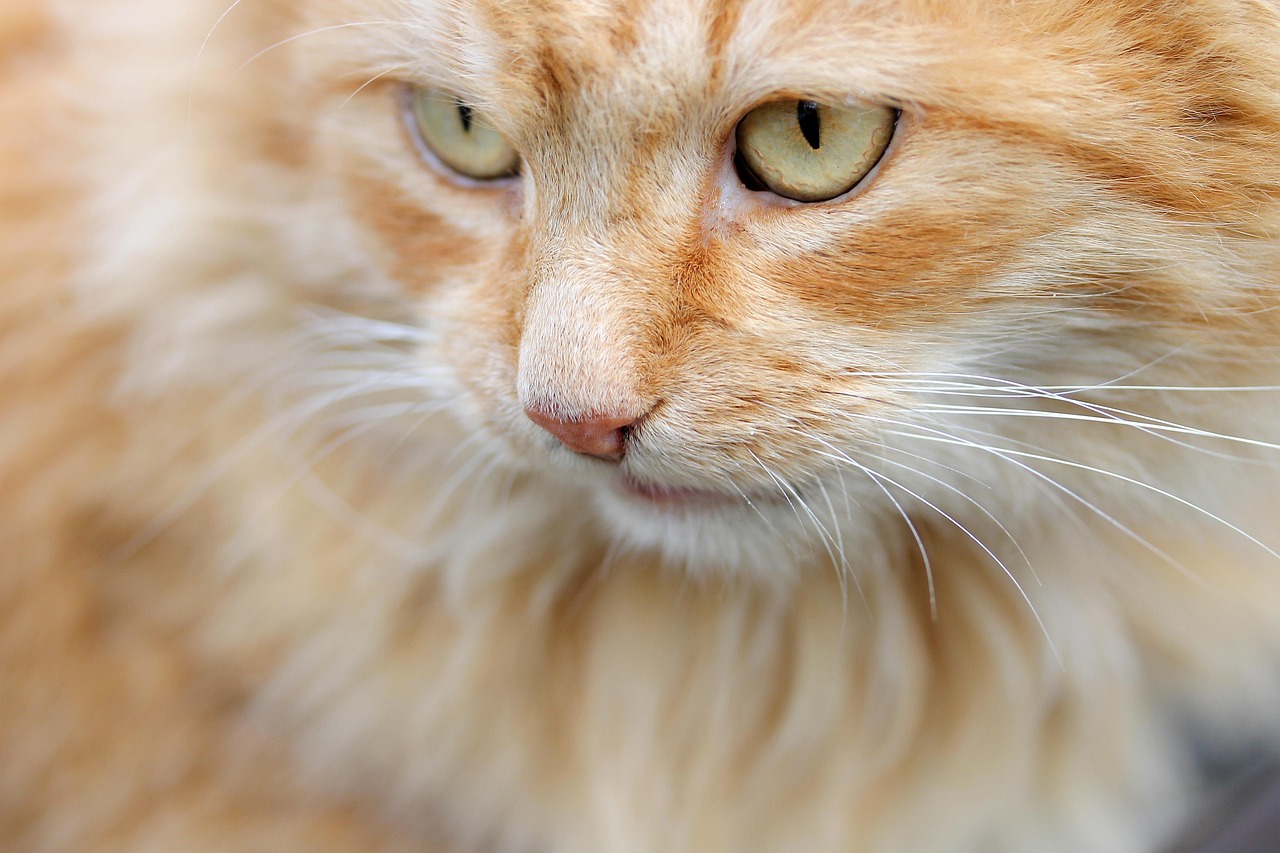
Older cats often rely increasingly on whiskers as other senses decline.
Senior cat considerations:
- Compensate for vision loss: Whiskers become more crucial as eyesight fades
- Support mobility confidence: Help navigate despite declining senses
- Maintain independence: Allow continued environmental interaction
- Whisker damage more impactful: Losing whiskers affects quality of life significantly
- May become brittle: Age-related changes affect whisker condition
Protecting whisker integrity becomes increasingly important in senior cats to maintain confidence, mobility, and independence as other sensory systems deteriorate.
How to Care for Your Cat's Whiskers

Proper whisker care involves primarily avoiding harmful practices whilst supporting overall health.
Essential whisker care guidelines:
- Never trim, cut, or pluck whiskers: Causes serious impairment and distress
- Avoid unnecessary touching: Whiskers are sensitive, manipulation causes discomfort
- Never pull or tug whiskers: Can damage follicles or cause pain
- Use whisker-friendly bowls: Wide, shallow designs preventing fatigue
- Keep facial area clean: Gently wipe around whiskers removing debris
- Monitor for damage: Check regularly for breakage, loss, or follicle problems
- Maintain overall health: Good nutrition supports healthy whisker growth
- Reduce environmental stress: Stress can affect whisker condition
- Protect from household hazards: Prevent burns, chemical exposure, trauma
What not to do:
- Never trim whiskers for aesthetic reasons
- Don't allow children to play with whiskers
- Avoid harsh facial cleaning products
- Never use whisker length to judge if cat fits spaces
- Don't dismiss whisker concerns as trivial
Healthy whiskers indicate overall good feline health, whilst whisker problems often signal underlying medical or environmental issues requiring attention.
When to Seek Veterinary Care About Whiskers

Contact your veterinarian if you notice:
- Sudden excessive whisker loss: Multiple whiskers falling out rapidly
- Swelling around whisker follicles: Redness, inflammation, or bumps
- Persistent facial scratching: Indicating discomfort or irritation
- Behavioural changes suggesting disorientation: Bumping into objects, hesitancy, reduced activity
- Broken whiskers: Multiple damaged whiskers
- Discharge from follicles: Pus or bleeding
- Bald patches around whisker areas: Missing whiskers with visible skin changes
- Obvious pain when face touched: Sensitivity around whisker regions
- Coordination problems: Balance issues potentially whisker-related
Potential underlying conditions:
- Skin infections requiring antibiotic treatment
- Allergic reactions needing management
- Parasitic infestations
- Autoimmune disorders
- Nutritional deficiencies
- Neurological issues affecting facial nerves
Early veterinary intervention addresses underlying problems before whisker damage becomes severe or permanent, protecting your cat's sensory capabilities and quality of life.
Cat whiskers are not decorative features but essential sensory organs termed vibrissae, consisting of thick stiff hairs embedded deeply in nerve-rich follicles providing critical environmental information enabling navigation in darkness, spatial awareness for judging whether tight spaces are navigable, balance and coordination support during jumping and climbing, eye and face protection through triggered blink reflexes, and emotional communication through positional changes revealing mood states from curiosity to fear. Whiskers should never be trimmed or cut as this causes serious disorientation, balance impairment, stress, anxiety, reduced confidence, and significant quality of life decline persisting throughout the weeks to months required for complete regrowth. Whisker fatigue occurs when deep narrow food and water bowls create chronic overstimulation through repeated whisker contact with sides, causing cats to paw food out, eat only from bowl centres, refuse meals despite hunger, or appear irritated during feeding, with prevention achieved through using wide shallow bowls, flat plates, or whisker-friendly designs eliminating problematic contact. Cats naturally shed whiskers occasionally as part of normal growth cycles with individual replacement maintaining full sensory complement, but sudden excessive loss, multiple broken whiskers, or loss accompanied by skin redness, swelling, or behavioural changes warrants veterinary evaluation for potential skin infections, allergies, stress, trauma, or nutritional deficiencies. Carpal whiskers on front legs provide specialized hunting and movement functions including detecting captured prey movement, judging prey position, monitoring ground contact, and coordinating paw placement particularly important for outdoor cats and those engaging hunting-style play. Whisker importance varies across life stages with kittens born with functional whiskers compensating for undeveloped vision whilst exploring safely, adult cats maintaining peak whisker sensitivity supporting all activities, and senior cats relying increasingly on whiskers as vision and other senses decline making whisker protection crucial for maintaining confidence and independence. Proper care involves never trimming, cutting, or unnecessarily touching whiskers, using whisker-friendly feeding bowls preventing fatigue, keeping facial areas clean, monitoring for damage or loss, and maintaining overall health through good nutrition and stress reduction supporting healthy whisker function throughout life.
This guide is based on veterinary knowledge of feline sensory anatomy and behaviour. Individual cats have varying whisker sensitivity and responses to whisker-related stress based on temperament, environment, and health status. Always consult your veterinarian regarding sudden whisker loss, facial swelling or irritation, behavioural changes potentially related to whisker damage, or questions about your specific cat's whisker health. Protecting whisker integrity and function supports your cat's natural abilities, confidence, and overall wellbeing throughout their life.