Cats are naturally curious, remarkably agile, and exceptionally intelligent animals, qualities making them fascinating, entertaining companions yet simultaneously placing them at significant risk within seemingly safe household environments containing numerous hidden dangers owners often fail to recognise until accidents occur. Whilst many people assume homes are inherently safe for cats, domestic environments actually harbour countless hazards including toxic plants and chemicals, electrical cords inviting chewing, open windows and balconies creating fall risks, small objects causing choking or intestinal blockage, hot surfaces causing burns, and tight spaces trapping curious explorers, collectively contributing to thousands of preventable emergency veterinary visits annually for injuries, poisonings, and trauma that proper cat proofing would have completely avoided.
The challenge with cat proofing lies in thinking like a cat rather than a human, recognising that felines climb to heights we consider inaccessible, squeeze through gaps appearing impossibly small, chew items we never imagine appealing, and investigate every object, substance, and space within their territory regardless of obvious dangers from human perspectives. Many owners only discover hazards after cats are injured, poisoned, or trapped, learning through traumatic experiences that items they never considered dangerous, like hair ties, houseplants, or essential oil diffusers, actually pose serious threats to feline health and safety requiring immediate removal or securing.
Understanding why cat proofing matters critically for preventing accidents and stress, identifying electrical hazards including exposed cords and outlets, securing windows, balconies, and high spaces preventing falls, recognising and removing toxic substances from chemicals to plants, managing kitchen dangers from hot surfaces to toxic foods, blocking access to trapping hazards in appliances and furniture, selecting safe toys and enrichment items, addressing bedroom and living area risks, and adapting strategies for kittens versus adult cats are essential for creating genuinely safe environments supporting natural feline behaviours whilst eliminating preventable dangers causing injury, illness, or death that responsible ownership and proper preparation completely avoid.
Why Cat Proofing Your Home Is Critically Important

Many household hazards remain invisible or insignificant to humans yet create serious, potentially life-threatening dangers for cats.
Common cat-related home accidents:
- Falls from windows or balconies: High-rise syndrome causing fractures, internal injuries, death
- Poisoning: Ingesting toxic plants, chemicals, medications, or foods
- Choking or obstruction: Swallowing string, hair ties, small toys
- Electrical injuries: Chewing cords causing burns or electrocution
- Burns: Contact with stovetops, candles, heating elements
- Trapping injuries: Becoming stuck in appliances, furniture, or tight spaces
- Laceration: Broken glass, sharp objects, or dangerous decorations
Benefits of proper cat proofing:
- Prevents accidents and injuries: Eliminates or reduces common hazards
- Reduces stress and anxiety: Safe environment promotes confidence
- Protects household items: Prevents damage to furniture, electronics, valuables
- Supports natural behaviours: Allows climbing, exploring, playing safely
- Reduces emergency vet visits: Prevents costly, traumatic incidents
- Provides peace of mind: Owners worry less when away
Important principle: Cat proofing doesn't mean limiting freedom or natural behaviours. It means creating environments where cats explore, climb, play, and investigate confidently without encountering preventable dangers causing injury, illness, or death.
Electrical Safety and Hazards

Cats, particularly kittens and young cats, often chew electrical cords during play or teething, creating serious electrocution, burn, and fire risks.
Why cats chew cords:
- Teething discomfort: Young cats seek chewing relief
- Play behaviour: Moving, dangling cords trigger prey drive
- Boredom: Insufficient enrichment leads to destructive behaviour
- Texture appeal: Rubber coating satisfying to chew
- Curiosity: Investigating everything in environment
Electrical hazard consequences:
- Severe burns to mouth, tongue, throat
- Electrocution causing cardiac arrest
- Pulmonary oedema (fluid in lungs)
- Neurological damage
- House fires from damaged cords
- Death in severe cases
Comprehensive electrical safety measures:
- Cover exposed wires: Use cord protectors, tubing, or spiral cable wrap
- Unplug unused devices: Remove temptation when not actively using
- Hide cables behind furniture: Route cords where cats cannot access
- Secure dangling cords: Tape or clip cords preventing movement
- Use bitter sprays: Apply cat-safe deterrent sprays to cords
- Provide alternative chewing: Offer appropriate chew toys
- Block outlet access: Use outlet covers on unused sockets
- Elevate charging stations: Keep phone chargers out of reach
High-risk items: Phone chargers, laptop cables, TV wires, lamp cords, kitchen appliance cables, and extension leads all require protection or removal from cat-accessible areas.
Windows, Balconies, and High-Rise Safety

Cats love elevated positions providing panoramic views and security, yet falls from windows and balconies cause thousands of serious injuries and deaths annually.
High-rise syndrome:
- Injuries from falling from windows, balconies, or high surfaces
- Affects cats at all heights, not just high-rises
- Common injuries include fractured limbs, jaw fractures, chest trauma, internal bleeding
- Survival depends on height, landing surface, cat size
- Often triggered by birds, insects, sudden noises, or loss of balance
Window and balcony safety strategies:
- Install secure window screens: Metal or heavy-duty screens cats cannot push through
- Use window guards: Adjustable bars or grilles preventing falls
- Install balcony netting: Cat-proof mesh or netting enclosing balconies
- Never leave windows open unsupervised: Even briefly when leaving room
- Avoid tilt windows: Cats can become trapped in tilted windows
- Secure sliding doors: Ensure tracks cannot trap paws or tails
- Check screen integrity regularly: Repair holes or tears immediately
High furniture safety:
- Anchor tall shelves: Secure to walls preventing tipping
- Stabilise cat trees: Use wide bases or wall mounting
- Remove wobbly furniture: Unstable surfaces cause falls
- Clear landing zones: Remove sharp objects beneath climbing areas
Critical misconception: Cats do NOT always land on their feet safely. Whilst they possess righting reflexes, falls still cause serious injuries or death regardless of height.
Toxic Substances and Household Chemicals
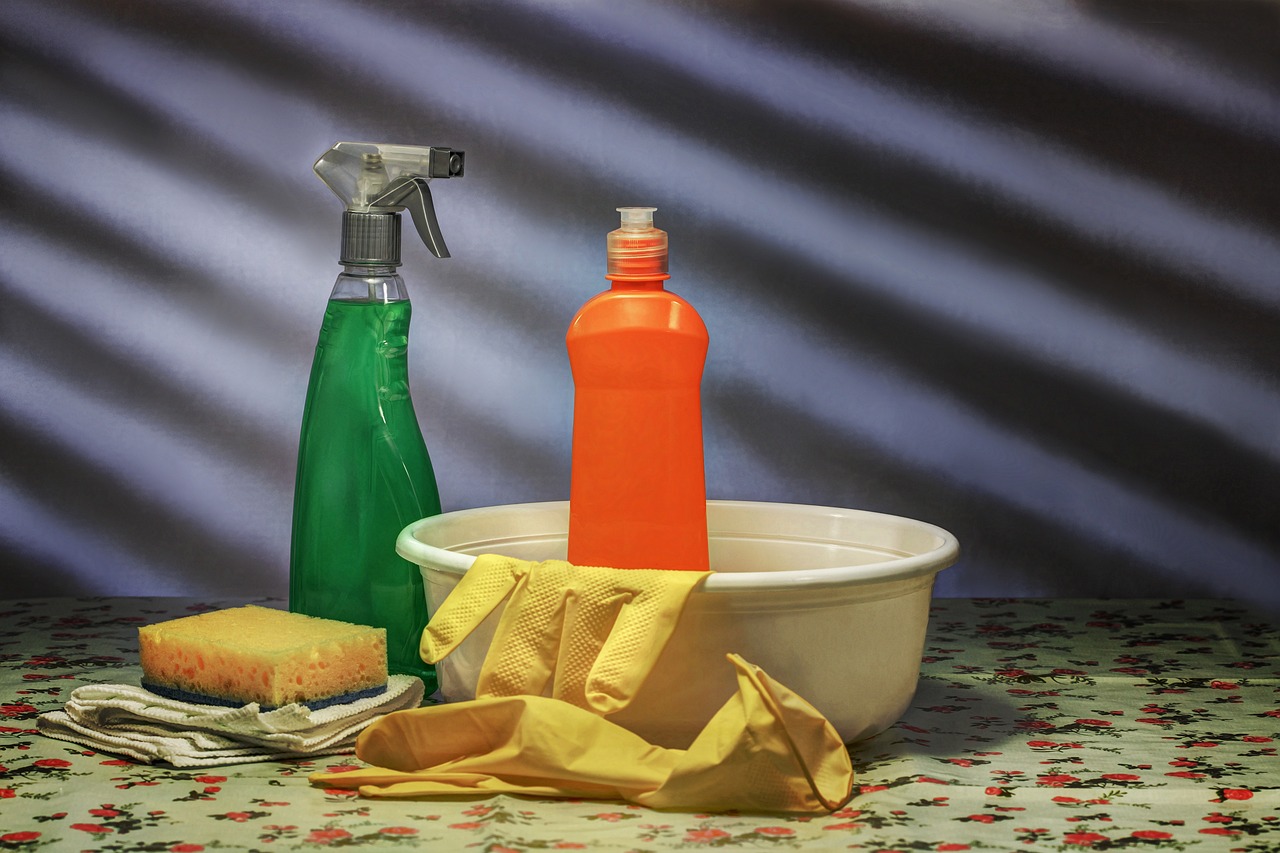
Numerous common household products are extremely toxic to cats, causing illness or death even in small quantities.
Dangerous household chemicals:
- Cleaning products: Bleach, disinfectants, floor cleaners, toilet cleaners
- Automotive fluids: Antifreeze (ethylene glycol) extremely toxic and sweet-tasting
- Insecticides: Fly sprays, ant baits, roach killers
- Rodent poison: Causes internal bleeding or neurological damage
- Paint and solvents: Fumes and contact both dangerous
- Adhesives: Super glue, construction adhesives
- Fertilisers: Garden chemicals tracked indoors
Essential oils and aromatherapy dangers:
- Tea tree, eucalyptus, peppermint, citrus, cinnamon, wintergreen oils toxic
- Diffusers concentrate oils in air cats breathe
- Cats lack liver enzymes metabolising many plant compounds
- Causes liver damage, neurological symptoms, respiratory distress
- Even small exposures potentially harmful
Human medication hazards:
- Paracetamol (acetaminophen) extremely toxic causing liver failure
- Ibuprofen and NSAIDs cause kidney damage
- Antidepressants affect neurological function
- Blood pressure medications cause serious complications
- Even single pills potentially fatal
Comprehensive poison prevention:
- Store all chemicals in locked cabinets: High cabinets cats cannot access
- Clean spills immediately: Prevent paw contact and licking
- Avoid leaving products out: Return to storage after every use
- Choose cat-safe alternatives: Natural, non-toxic cleaning products
- Never use essential oils: Avoid diffusers, sprays, topical applications
- Secure medication storage: Lock away all human and pet medications
- Dispose of safely: Secure rubbish bins preventing access
Toxic Plants and Dangerous Decorations

Many popular houseplants prove highly toxic to cats, whilst decorative items create choking and obstruction hazards.
Extremely toxic plants (emergency if ingested):
- Lilies (all parts): Cause acute kidney failure, often fatal
- Sago palm: Liver failure
- Azaleas: Cardiovascular collapse
- Oleander: Heart problems
- Cyclamen: Heart rhythm abnormalities
Common toxic houseplants:
- Aloe vera (vomiting, diarrhoea)
- Pothos (oral irritation, vomiting)
- Philodendron (mouth and throat swelling)
- Dieffenbachia (severe oral pain)
- English ivy (vomiting, abdominal pain)
- Peace lily (oral irritation)
- Snake plant (nausea, vomiting)
Cat-safe plant alternatives:
- Spider plants
- Boston ferns
- Cat grass (wheatgrass)
- Catnip
- Valerian
- African violets
- Bamboo palm
Decoration hazards:
- Tinsel: Linear foreign body causing intestinal damage
- Ribbons and string: Swallowed causing obstruction requiring surgery
- Small ornaments: Choking hazards
- Glass decorations: Break creating sharp fragments
- Scented candles: Burns and toxic fumes
- Balloons: Choking risk when deflated
Safe decoration practices:
- Remove all toxic plants from home
- Elevate non-toxic plants out of reach
- Avoid loose decorative items
- Secure tree ornaments firmly
- Use flameless LED candles
- Clean up immediately after parties or holidays
Kitchen Safety and Food Hazards

Kitchens contain concentrated dangers from hot surfaces and sharp objects to toxic foods and accessible rubbish.
Kitchen hazard categories:
- Hot surfaces: Stovetops, ovens, toasters causing severe burns
- Sharp objects: Knives, broken glass, tin can lids
- Toxic foods: Many human foods dangerous to cats
- Rubbish access: Bins containing dangerous items
- Cleaning products: Under-sink storage
Toxic foods for cats:
- Onions and garlic: Damage red blood cells causing anaemia
- Chocolate: Contains theobromine, toxic to cats
- Grapes and raisins: Cause kidney failure
- Alcohol: Extremely dangerous, potentially fatal
- Caffeine: Heart and nervous system stimulation
- Xylitol (sweetener): Causes liver failure
- Raw dough: Expands in stomach, produces alcohol
- Bones: Splintering risk
Comprehensive kitchen cat proofing:
- Keep food sealed and elevated: Store in cabinets or refrigerator
- Never leave stovetops unattended: Turn off when leaving kitchen
- Use stove knob covers: Prevent accidental ignition
- Install childproof cabinet latches: Secure under-sink storage
- Use lidded rubbish bins: Preferably locked or heavy
- Store knives safely: Drawer organisers or knife blocks
- Clean spills immediately: Prevent toxic substance ingestion
- Close oven and dishwasher: Prevent access when hot or running
Small Spaces and Trapping Hazards

Cats squeeze into remarkably tight spaces, creating serious trapping risks in appliances, furniture, and storage areas.
High-risk trapping locations:
- Washing machines and dryers: Cats climb inside for warmth, trapped when started
- Dishwashers: Hide inside during loading
- Refrigerators: Slip in when door opens
- Reclining furniture: Trapped in mechanisms when chairs close
- Sofa beds: Crushed when folding
- Cabinets and drawers: Shut inside accidentally
- Wardrobes: Locked in for hours or days
- Storage boxes: Closed inside during packing
- Behind appliances: Stuck in narrow gaps
Essential trapping prevention:
- Always check before closing: Look inside appliances, furniture, storage
- Keep appliance doors closed: Don't leave washers or dryers open
- Check before using: Look inside before starting machines
- Block gaps behind appliances: Prevent access to tight spaces
- Close wardrobe doors: Don't leave accessible
- Count cats before leaving: Ensure all accounted for
- Listen for unusual sounds: Meowing from closed spaces
Recliner and sofa bed safety:
- Check underneath before reclining or folding
- Keep cats out of room when using
- Consider safer furniture alternatives
- Never assume cat isn't inside mechanism
Toy and Enrichment Safety

Whilst toys provide essential enrichment, inappropriate or damaged toys create serious hazards.
Dangerous toy features:
- Loose strings or ribbons: Swallowing causes linear foreign body obstruction
- Small detachable parts: Choking hazards including bells, eyes, feathers
- Sharp edges: Broken toys causing cuts
- Toxic materials: Painted surfaces, plastic containing harmful chemicals
- Size too small: Entire toy swallowed
Safe toy guidelines:
- Supervise wand toy play: Never leave string toys unattended
- Store wand toys after use: Lock away preventing unsupervised access
- Inspect toys regularly: Check for damage or loose parts
- Discard broken toys immediately: Don't repair, replace
- Choose size-appropriate toys: Large enough preventing swallowing
- Rotate toys regularly: Prevents boredom without constant new purchases
- Avoid toys with batteries: If used, ensure battery compartment secure
Household items cats love but shouldn't have:
- Hair ties and rubber bands (intestinal obstruction)
- Plastic bags (suffocation risk)
- Paper clips and pins (swallowing hazard)
- Cotton buds (choking, perforation)
- Aluminium foil balls (swallowing)
Bedroom and Living Area Safety

Soft living spaces hide numerous small but serious hazards.
Bedroom hazards:
- Blind and curtain cords: Strangulation risk, tie up or use cordless alternatives
- Hair ties and accessories: Intestinal obstruction when swallowed
- Cosmetics and perfumes: Toxic if ingested or inhaled
- Jewellery: Choking hazards
- Sewing supplies: Needles, thread, pins dangerous if swallowed
- Medications on nightstands: Easy access for curious cats
Living area risks:
- Loose coins (choking)
- Batteries (chemical burns if chewed)
- Remote control batteries (accessible when dropped)
- Candles (burns, fire risk)
- Potpourri (toxic if eaten)
- Electrical cords behind entertainment centres
Safety improvements:
- Secure or remove blind cords
- Store small items in closed containers
- Keep cosmetics sealed in drawers
- Use flameless candles
- Store sewing supplies securely
- Never leave medications accessible
Cat Proofing for Kittens vs Adult Cats

Kittens require substantially more extensive cat proofing due to size, energy, and developing judgment.
Additional kitten precautions:
- Lower all accessible hazards: Cannot reach high surfaces yet but will try
- Block tiny gaps: Fit through smaller spaces than adults
- Increase supervision: Constant monitoring during exploration
- Remove all small objects: Everything goes in mouth
- Use kitten-safe toys only: Smaller choking hazards dangerous
- Confine to safe room initially: Gradual house introduction
- Extra electrical protection: Teething increases chewing
Adult cat considerations:
- May have established dangerous habits requiring breaking
- Some risks decrease with maturity
- Still require comprehensive cat proofing
- Individual cats have different risk levels
Senior cat adaptations:
- Reduced jumping ability may decrease some risks
- Vision or hearing loss increases accident risk
- May need ramps or steps for safe access
- Cognitive dysfunction increases hazard vulnerability
Cat proofing your home prevents thousands of emergency veterinary visits annually by identifying and eliminating common household hazards including electrical cords cats chew causing burns or electrocution, unsecured windows and balconies creating fall risks causing high-rise syndrome injuries, toxic substances from cleaning chemicals and antifreeze to essential oils and human medications causing poisoning, dangerous plants particularly lilies causing fatal kidney failure alongside numerous other toxic houseplants, kitchen dangers from hot stovetops and toxic foods like onions, chocolate, and grapes to accessible rubbish bins, trapping hazards in washing machines, dryers, dishwashers, and reclining furniture causing crush injuries, unsafe toys with loose strings or small parts creating choking and obstruction risks, and bedroom hazards including blind cords, hair ties, cosmetics, and sewing supplies. Comprehensive cat proofing requires covering or hiding electrical cords with protectors, installing secure window screens and balcony netting preventing falls, storing all chemicals, medications, and toxic substances in locked cabinets with immediate spill cleanup, removing all toxic plants whilst choosing cat-safe alternatives like spider plants or cat grass, securing kitchen hazards through covered stove knobs, lidded bins, and elevated food storage, checking appliances and furniture before closing preventing trapping, supervising wand toy play whilst storing string toys after use, and securing bedroom small items in closed containers. Kittens require extra precautions including blocking tiny gaps they squeeze through, removing all small objects going in mouths, using kitten-safe toys only, providing constant supervision during exploration, and confining to safe rooms initially, whilst adult and senior cats still benefit from comprehensive cat proofing adapted to individual risk levels and changing capabilities. Cat proofing doesn't limit natural behaviours but creates safe environments supporting exploration, climbing, and play without preventable dangers, requiring regular reassessment especially after furniture moves, new item introduction, or adopting additional cats, making safety one of the most important gifts providing cats with secure homes allowing confident, comfortable living.
This guide is based on veterinary knowledge of common feline household hazards and injury prevention. Individual homes have varying risks based on layout, contents, and cat personalities. Always consult your veterinarian regarding specific concerns about household safety, questions about toxic substance exposure, or advice about cat proofing for cats with special needs or medical conditions. Regular home safety assessments and prompt hazard elimination protect cats from preventable accidents whilst supporting natural feline behaviours in secure environments throughout their lives.