One of the most common questions cat owners ask their veterinarians concerns human food. Your cat watches intently from the kitchen as you prepare dinner, begs for bites of your meal, or exhibits intense interest in your plate. This natural feline curiosity and apparent desire for human food raises important questions about what is safe, what is harmful, and how to respond appropriately when your cat shows interest in the food you are eating.
The reality is that cats are obligate carnivores, meaning their bodies are physiologically designed primarily to digest and thrive on meat-based diets. Their nutritional requirements differ fundamentally from humans and even from dogs. Whilst some human foods are perfectly safe for cats in small amounts and can even be offered occasionally as treats, many common human foods can cause serious harm or even prove fatal. Understanding which human foods are safe, which are dangerous, and how to offer treats responsibly is absolutely essential for protecting your cat's health and preventing accidental poisoning.
Understanding Feline Nutritional Needs

Before discussing which human foods cats can safely consume, it is important to understand why cats' dietary needs differ so dramatically from human nutritional requirements. This foundational knowledge explains why many foods humans eat are inappropriate for cats, regardless of how safe they might seem.
Cats evolved as specialist carnivores, hunters who consumed primarily meat throughout their evolutionary history. Their digestive systems, metabolic processes, and nutrient requirements all reflect this evolutionary specialisation toward meat-based diets. Unlike humans, who have omnivorous digestive systems capable of processing a wide variety of plant and animal foods, cats have extremely limited ability to digest and utilise plant-based nutrition.
Critically, cats cannot produce certain essential amino acids and nutrients internally and must obtain them from dietary sources. Taurine, an amino acid absolutely essential for feline heart function and vision, is found naturally in meat but is absent from plant sources. This reality underscores why a complete, balanced cat food specifically formulated for feline nutritional requirements forms the essential foundation of your cat's diet.
Human food, even when safe, should never replace quality cat food. Instead, human food can be offered very occasionally as treats comprising less than 10 percent of daily caloric intake. Understanding this distinction guides appropriate decisions about offering human food to your cat.
Safe Human Foods Cats Can Eat: Plain Cooked Meat

Plain, fully cooked meat is one of the safest human foods to offer cats. Cats are obligate carnivores, so meat aligns perfectly with their natural dietary preferences and nutritional needs.
Safe meat options include:
- Chicken: Lean, protein-rich, and well-tolerated by most cats
- Turkey: Similarly lean and digestible
- Beef: Can be offered, though fatty cuts should be avoided
- Lamb: Safe and often well-tolerated
Essential preparation rules for safe meat offerings:
- Fully cooked: Meat must be thoroughly cooked to eliminate bacteria and parasites. Never offer raw or undercooked meat to cats
- No seasoning: Offer plain meat without salt, spices, garlic, onion, or any flavourings
- Skin and bones removed: Remove all skin and carefully remove all bones, including small fragments that could splinter and cause internal damage
- Offered in small portions: A small piece occasionally is appropriate; meat should not become a dietary staple
Many cats find plain cooked meat absolutely delicious and will readily consume it as a treat. It provides excellent protein without the additives, salt, or seasonings found in processed human foods.
Cooked Fish: Occasional Treat Only
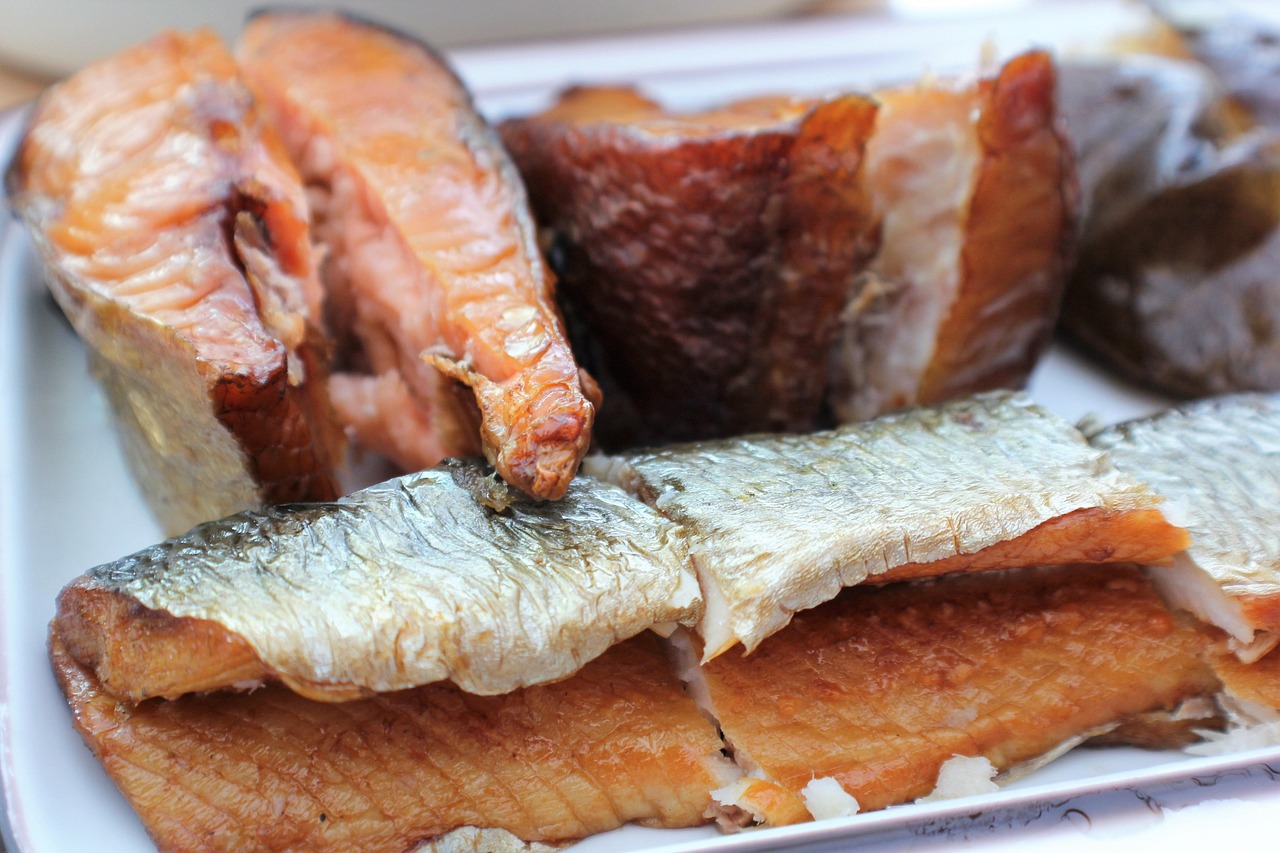
Fish is often associated with cats in popular culture, yet fish is actually quite different from the mouse-based diet cats evolved consuming. However, fish can safely be offered occasionally as a treat.
Safe fish options include:
- Salmon: Rich in omega-3 fatty acids; beneficial for skin and coat
- Tuna: Popular with most cats, though should be offered sparingly
- Cod: Mild-flavoured and well-tolerated
Critical preparation guidelines for safe fish offerings:
- Fully cooked: Never offer raw fish, which can contain parasites or thiaminase enzymes that destroy thiamine (vitamin B1), potentially causing deficiency
- Boneless: Remove all bones carefully, as even small fish bones can splinter and cause serious internal damage
- Offered occasionally only: Fish should be an occasional treat, not a regular part of the diet. Some cats develop fish addiction when fish is offered frequently
- Plain preparation: No salt, seasoning, or oil added
Whilst cats often love fish, feeding fish too frequently can create nutritional imbalances and may contribute to certain urinary tract problems. Reserve fish for special, occasional treats rather than regular offerings.
Eggs: A Protein-Rich Treat

Fully cooked eggs provide excellent protein and amino acids and are a safe treat for cats when prepared appropriately.
Safe egg preparations:
- Scrambled eggs: Plain, cooked eggs without butter, oil, salt, or additional ingredients
- Boiled eggs: Hard-boiled eggs offered in small pieces
Important egg guidelines:
- Fully cooked only: Raw eggs should be avoided due to the risk of bacterial contamination including Salmonella and E. coli
- Plain preparation: No seasoning, salt, butter, or oil
- Small portions: Offer only small pieces occasionally
Eggs are safe, nutritious treats that many cats enjoy. They pose no health concerns when cooked thoroughly and offered in moderation.
Certain Vegetables: Optional but Safe

Whilst cats are obligate carnivores and receive no nutritional requirement from vegetables, small amounts of certain vegetables are safe to offer and some cats actually enjoy them.
Safe vegetable options include:
- Carrots: Cooked and chopped finely, safe and sometimes enjoyed
- Peas: Cooked and plain, safe for most cats
- Green beans: Cooked and chopped, well-tolerated
- Courgette: Cooked and finely chopped
- Pumpkin: Plain, cooked pumpkin (not pumpkin pie filling) can be beneficial for digestive health when recommended by a veterinarian
Important vegetable preparation guidelines:
- Always cooked: Raw vegetables are difficult for cats to digest; cooking makes them more digestible
- Finely chopped: Vegetables should be chopped into small pieces to prevent choking
- Plain preparation: No seasoning, salt, oil, or sauces
- Optional, not essential: Vegetables provide no nutritional benefit to obligate carnivores; they are purely optional
Most cats show little interest in vegetables, and this lack of interest is completely normal and healthy. Never force vegetables on your cat. If your cat shows interest in a safe vegetable, small amounts are harmless.
Plain Grains: Fillers Rather Than Nutrition

Some cats tolerate plain, cooked grains without issue, though grains provide no nutritional benefit to obligate carnivores.
Safe grain options include:
- Cooked rice: Plain white or brown rice, cooked without seasoning or oil
- Plain pasta: Cooked without sauce, salt, or oil
- Oats: Plain cooked oats without additives
Important grain guidelines:
- Provide no nutritional benefit: Cats cannot derive significant nutrition from grains due to their carnivorous digestive systems
- May help with digestion: Plain grains may be suggested by veterinarians to help manage mild stomach upset, but should only be used if recommended professionally
- Should never constitute a significant portion of diet: If grains make up a large proportion of your cat's diet, the diet is nutritionally inadequate
Grains are filler foods at best. They provide minimal benefit and should never form a meaningful part of your cat's diet. Quality cat food naturally contains appropriate amounts of necessary ingredients; additional grain offerings are unnecessary.
Dairy: Proceed With Caution

Despite the cultural association between cats and milk, most adult cats are actually lactose intolerant. This widespread misconception causes digestive upset in many well-meaning owners' cats.
Dairy options that may be tolerated:
- Plain yoghurt: Some cats tolerate small amounts due to lower lactose content and beneficial bacteria
- Hard cheese: Small pieces of cheese contain minimal lactose and may be tolerated
Critical dairy guidelines:
- Most cats are lactose intolerant: Adult cats lack sufficient lactase enzyme to digest milk sugar effectively
- Dairy often causes digestive upset: Vomiting and diarrhoea are common responses to dairy consumption
- If offered, offer sparingly: Tiny amounts occasionally may be tolerated, but dairy is best avoided entirely
- Watch for digestive upset: Discontinue immediately if vomiting or diarrhoea occurs
Milk is not necessary for cats of any age. Quality water is the appropriate fluid for cats. If you wish to offer dairy, introduce it cautiously in minimal amounts and observe closely for digestive upset.
Toxic Foods: Never Offer These to Cats

Certain human foods are genuinely toxic to cats and can cause serious illness or death. These foods must never be offered, and accidental consumption requires immediate veterinary attention.
Extremely toxic foods to cats:
- Onions, garlic, leeks, chives: All members of the allium family destroy red blood cells, causing potentially fatal anaemia. This includes dried, powdered, raw, or cooked forms
- Chocolate: Contains theobromine and caffeine, both toxic to cats in even small amounts, causing cardiac and neurological problems
- Grapes and raisins: Can cause sudden kidney failure in cats, sometimes with just one or two pieces
- Alcohol: Even small amounts cause severe liver and brain damage, potentially fatal
- Caffeine: Found in coffee, tea, energy drinks, and some foods; leads to cardiac arrhythmias and nervous system toxicity
- Xylitol (artificial sweetener): Causes rapid insulin release and severe liver failure. Found in many sugar-free products including some peanut butters
- Raw dough: Expands in the stomach and produces alcohol through fermentation, causing serious complications
If your cat accidently consumes any toxic food, contact your veterinarian or poison control immediately. Do not wait for symptoms to develop. Early intervention can be life-saving.
Bones and Fatty Trimmings: Dangerous Foods

Never offer bones or fatty food scraps to cats, as these commonly cause serious medical complications.
Why bones are dangerous:
- Cooked bones splinter: Cooked bones become brittle and fragment into sharp pieces that can perforate the digestive tract internally, causing life-threatening complications
- Risk of choking: Bone fragments can lodge in the throat or oesophagus
- Obstruction: Bone pieces can block the digestive tract, requiring emergency surgery
Why fatty foods are problematic:
- Pancreatitis: High-fat foods frequently trigger pancreatitis, an inflammation of the pancreas causing severe pain and potentially life-threatening complications
- Digestive upset: Fatty foods commonly cause vomiting and diarrhoea
- Obesity: Fatty scraps contribute to weight gain and associated health problems
Never offer meat bones, fatty trimmings, or fat scraps to cats, even as treats. These seemingly innocent offerings cause serious medical complications regularly.
Salty and Seasoned Foods

Processed human foods are universally inappropriate for cats, containing excessive salt and additives harmful to feline health.
Foods to avoid completely:
- Crisps: Extremely high salt content and unhealthy fats
- Sausages and processed meats: Contain high salt, preservatives, and spices
- Ready meals: Processed foods with excessive sodium and additives
- Seasoned human dishes: Any human food with salt, spices, or flavourings
- Takeaway foods: Generally contain excessive salt and inappropriate seasonings
Why seasonings are harmful:
- Excessive salt: Can cause sodium poisoning and contribute to high blood pressure
- Spices: Many spices irritate feline digestive systems and can cause gastroenteritis
- Additives: Preservatives, colourings, and flavour enhancers are processed chemicals inappropriate for cats
If you wish to offer human food, it must be plain, unseasoned, and appropriately prepared. Seasoned or processed foods are never suitable for cats.
Raw Foods: Not Recommended Without Professional Guidance

Whilst raw meat-based diets are increasingly popular with some pet owners, raw foods carry significant risks and are not recommended unless specifically pursued under close veterinary supervision.
Risks of raw feeding:
- Bacterial contamination: Raw meat frequently contains Salmonella, E. coli, Campylobacter, and other dangerous pathogens
- Parasites: Raw meat may contain parasites including worms and protozoa
- Zoonotic disease transmission: Bacteria and parasites in raw meat threaten not only the cat but also human household members
- Nutritional imbalance: Unbalanced raw diets frequently lack essential nutrients or contain incorrect mineral ratios
- Risk to vulnerable individuals: Elderly, young, immunocompromised, or pregnant household members face elevated risk from pathogenic bacteria shed by raw-fed cats
If you are interested in raw feeding, consult your veterinarian first. They can assess whether this approach is appropriate for your specific cat and provide professional guidance on safe protocols to minimise disease transmission risks.
How to Safely Offer Human Food Treats to Cats

If you have decided to offer your cat human food treats, follow these guidelines to minimise risk and maximise safety.
Best practices for offering human food treats:
- Offer very small portions: Treats should be tiny pieces, not substantial servings
- Introduce one food at a time: Never offer multiple new foods simultaneously; introduce one new food, observe for several days, then try another if desired
- Watch closely for digestive upset: Monitor for vomiting, diarrhoea, lethargy, appetite loss, or behaviour changes after offering new foods
- Use as occasional treats only: Human food should comprise less than 10 percent of daily caloric intake; cat food should form the diet foundation
- Stop immediately if problems occur: If your cat shows any signs of intolerance, discontinue the food completely and do not offer again
Signs of food intolerance:
- Vomiting within hours of eating the food
- Diarrhoea or soft stools
- Lethargy or unusual behaviour
- Loss of appetite
- Excessive drooling
Each cat has individual sensitivities. A food tolerated well by one cat may cause upset in another. Observe your individual cat carefully when introducing new foods.
When to Contact Your Veterinarian

Seek immediate veterinary advice if concerns arise regarding human food consumption.
Contact your vet immediately if:
- Your cat eats a potentially toxic food
- Vomiting or diarrhoea develops after eating human food
- Signs of distress, lethargy, or behaviour changes occur
- You are unsure whether a specific food is safe
- Your cat experiences difficulty breathing or seizures after food consumption
Contact your vet for routine guidance if:
- You want to safely introduce treats to your cat
- Your cat has digestive sensitivities or food allergies
- You have questions about specific foods
Your veterinarian is your best resource for personalised dietary guidance for your individual cat. Do not hesitate to contact them with questions or concerns.
The Foundation of Feline Nutrition
Whilst some human foods are safe for cats in small amounts, a high-quality, complete, balanced cat food specifically formulated for feline nutritional requirements should always form the foundation of your cat's diet. Human foods are extras, occasional treats, never dietary staples.
Your cat's wellbeing depends on understanding their unique nutritional needs as obligate carnivores and respecting the distinction between foods safe for human consumption and foods appropriate for feline health. By educating yourself about which human foods are safe, which are dangerous, and how to offer treats responsibly, you protect your cat's long-term health and prevent accidental poisoning.
Cats are obligate carnivores with nutritional requirements fundamentally different from humans. A complete, balanced cat food provides all necessary nutrition; human food should never replace it. Some human foods are safe occasionally as treats comprising less than 10 percent of daily calories. Safe options include plain cooked meat (chicken, turkey, beef, lamb), cooked fish (salmon, tuna, cod offered occasionally only), fully cooked eggs, certain cooked vegetables in small amounts, and plain cooked grains (though these provide no nutritional benefit). Dairy is best avoided as most adult cats are lactose intolerant and dairy frequently causes digestive upset. Many common human foods are toxic and dangerous. Never offer onions, garlic, chocolate, grapes, raisins, alcohol, caffeine, or xylitol, all of which can cause serious illness or death. Avoid cooked bones, which splinter and cause internal perforation, and fatty foods, which trigger pancreatitis. Avoid all salty and seasoned processed foods. Raw foods carry significant bacterial and parasitic risks unless pursued under veterinary guidance. When offering human food treats, introduce one food at a time in very small portions, monitor closely for digestive upset, and discontinue immediately if problems occur. Consult your veterinarian if your cat consumes potentially toxic foods, develops digestive upset, or if you are uncertain about specific foods. Your cat's individual sensitivities may differ; what one cat tolerates well may upset another. Remember that human food treats are optional extras, not dietary necessities. Quality cat food combined with fresh water provides complete nutrition. Occasional, carefully selected human food treats can be enjoyed safely if offered responsibly, but the foundation of feline nutrition must always be species-appropriate, complete, balanced cat food designed to meet obligate carnivore requirements. When in doubt about any food, consult your veterinarian rather than risk harm to your cat.
This guide is based on feline nutritional science and veterinary dietary standards. Individual cats may display varying tolerances to specific foods based on age, health status, and individual sensitivities. Always consult your veterinarian before introducing new foods to your cat's diet, particularly if your cat has existing digestive sensitivities or medical conditions. Contact poison control or your emergency veterinarian immediately if your cat consumes any potentially toxic substances.