Cat aggression is one of the most misunderstood feline behaviours, often triggering fear, frustration, and despair in owners who cannot comprehend why their beloved companion suddenly becomes hostile. When a cat hisses, swats, or bites, owners frequently interpret this as malice, deliberate misbehaviour, or a sign that their cat is inherently "bad" or "mean." This interpretation misses the fundamental truth about feline aggression: it is almost never unprovoked meanness. Rather, cat aggression is a form of communication, a response to genuine emotional or physical distress, and almost always a final resort after earlier warning signals have been overlooked or ignored.
Understanding the true roots of cat aggression, recognising the warning signals cats display before escalating, identifying the different types of aggression and their triggers, and responding with appropriate management strategies transforms your ability to live safely and compassionately with an aggressive cat. This comprehensive guide explores why cats become aggressive, what their aggressive behaviours actually communicate, and how to prevent and manage aggression through understanding rather than punishment.
Understanding Cat Aggression as Communication

Cat aggression is fundamentally a form of communication, not an expression of personality defect or deliberate misbehaviour. When your cat hisses, growls, swats, or bites, they are communicating that they feel threatened, stressed, frightened, or in pain. The aggressive behaviour is a signal—often a last resort after earlier, more subtle warning signals have been ignored.
Key principle: Aggression is what happens when all other communication attempts have failed. A cat displaying aggression is essentially communicating "I have tried to tell you something is wrong. Now I am forced to escalate to make you listen."
This distinction is critically important. Punishing a cat for aggression is equivalent to punishing someone for yelling when you have repeatedly ignored their quiet requests. The yelling would never have become necessary if the underlying problem had been addressed when communicated quietly. Similarly, aggressive cats are not being malicious; they are being desperate.
Understanding aggression as communication rather than misbehaviour fundamentally changes how you respond. Instead of viewing the aggressive cat with frustration or fear, you can view them with compassion and focus on identifying and addressing the underlying cause of the communication attempt.
Recognising Warning Signs Before Escalation

The remarkable truth is that cats almost never escalate to overt aggression without displaying clear warning signals first. These warnings provide opportunities to step back, assess the situation, and address the underlying problem before aggression occurs. Learning to recognise and respect these early warning signs is perhaps the most effective aggression prevention strategy available.
Early warning signs of escalating aggression include:
- Ear position: Ears flatten backward against the head, indicating fear or defensiveness
- Pupil dilation: Pupils enlarge dramatically as the cat's stress response activates
- Tail behaviour: The tail lashes back and forth rapidly, or puffs up to enormous size, communicating agitation and defensiveness
- Body posture: The body becomes rigid and tense, or the cat crouches low, preparing to defend
- Vocalisation: Growling, hissing, or yowling occurs before any physical aggression
- Skin rippling: The skin along the back twitches or ripples, indicating strong emotional response
- Avoidance: The cat attempts to escape or remove themselves from the situation, sometimes followed by a sudden aggressive response if the escape is blocked
- Stillness: Paradoxically, some cats go very still before attacking, a predatory posture indicating imminent action
These warning signs provide a crucial window of opportunity. When you observe these signals, the appropriate response is to immediately remove the triggering stimulus and give your cat space. A cat displaying these warnings is asking you to back off, respect their boundary, and address whatever is causing their distress.
The Most Common Type: Fear-Based Aggression

Fear-based aggression is by far the most common type of aggression in cats. A frightened cat, feeling cornered or unable to escape, will defend themselves using aggression as a last resort. Understanding this helps you develop compassion for the aggressive cat rather than anger.
Common triggers for fear-based aggression include:
- Loud, unexpected noises: Fireworks, construction sounds, thunderstorms, or household appliances that startle the cat
- Unfamiliar people or animals: New people in the home, guests, or unfamiliar pets trigger fear in cats who are not properly socialised
- Sudden movements: Quick, unexpected movements, particularly if directed toward the cat, trigger a defensive response
- Being cornered: A cat unable to access an escape route feels trapped and may attack as a defence mechanism
- Handling against their will: Cats forced to tolerate petting, picking up, or grooming may defend themselves aggressively
- Medical procedures: Veterinary handling or grooming can trigger fear and defensive aggression
The essential understanding: A cat displaying fear-based aggression is not attacking for pleasure; they are defending themselves because they perceive a threat. The "threat" may seem irrational to you, but it is absolutely real from the cat's perspective. Responding with punishment or force only increases fear and worsens the aggression.
Play Aggression: Channelling Hunting Instincts

Play aggression is particularly common in kittens and young cats, and represents an expression of natural hunting instincts rather than genuine aggression. Understanding this distinction prevents mismanagement of normal, healthy behaviour.
Characteristics of play aggression include:
- Pouncing and attacking: The cat attacks hands, feet, or other moving objects with the hunting behaviours they would use stalking prey
- Biting and scratching: Often lacks the full force and intent of genuine aggressive bites; play bites are usually inhibited
- Targeting hands and feet: Moving body parts trigger the hunting response more readily than stationary targets
- Lack of serious injury: Whilst scratches may occur, play aggression rarely causes deep wounds or serious injury
- Playful body language: Unlike genuine aggression, play aggression may involve relaxed ears, forward posture, and an overall playful demeanour despite the aggressive actions
Root causes of excessive play aggression:
- Insufficient early socialisation: Kittens not exposed to appropriate play with siblings or mother learn poor bite inhibition
- Inadequate play outlets: Cats without sufficient enrichment and structured play channel predatory energy toward people
- Overstimulation: Play that continues too long without breaks can escalate into excessive aggression
Managing play aggression focuses on redirecting predatory energy toward appropriate outlets rather than punishing natural behaviour. Using wand toys rather than hands, providing regular structured play sessions, and ending play before overstimulation prevents escalation.
Pain-Related Aggression: A Medical Red Flag

When a previously gentle cat suddenly becomes aggressive, pain should be an immediate consideration. Cats in pain may react aggressively to handling, touching specific areas, or even to routine interaction they previously tolerated.
Common causes of pain-related aggression include:
- Arthritis and joint pain: Particularly in senior cats, arthritic pain may make handling or movement painful and trigger defensive aggression
- Dental disease: Cats with painful teeth or gum disease may become aggressive when their mouth or face is touched
- Injury or trauma: A cat recovering from injury may become defensive about the injured area
- Systemic illness: Underlying infections, thyroid disease, or other illnesses can cause pain and mood changes manifesting as aggression
- Neurological conditions: Some neurological problems affect mood and aggression control
Critical principle: Sudden onset of aggression, particularly in a previously gentle cat, warrants immediate veterinary evaluation. Pain-related aggression is almost always solvable once the underlying pain is diagnosed and treated. Punishing or mismanaging pain-related aggression whilst ignoring the medical cause is cruel and ineffective.
Territorial Aggression: Protecting Home Boundaries

Cats are profoundly territorial animals. Territory represents safety, resources, and security to cats. Threats to territory trigger defensive aggression as cats attempt to maintain control of their environment.
Common triggers for territorial aggression include:
- Introduction of new pets: A new cat or other animal in the home represents both a territorial threat and a source of stress
- Neighbouring cats: Even cats visible through windows may trigger territorial aggression toward indoor cats
- Home changes: Renovation, furniture rearrangement, or other alterations to the familiar environment can trigger anxiety and territorial responses
- New people: Visitors, new family members, or frequent guests represent an intrusion into territory
Understanding territorial needs: Rather than viewing territorial aggression as a problem to eliminate, recognising that cats have legitimate territorial needs helps you meet those needs appropriately. Providing each cat in a multi-cat household with their own resources, space, and escape routes reduces territorial conflicts. Respecting your cat's need for a secure, predictable territory prevents many aggression problems.
Redirected Aggression: Displaced Anger
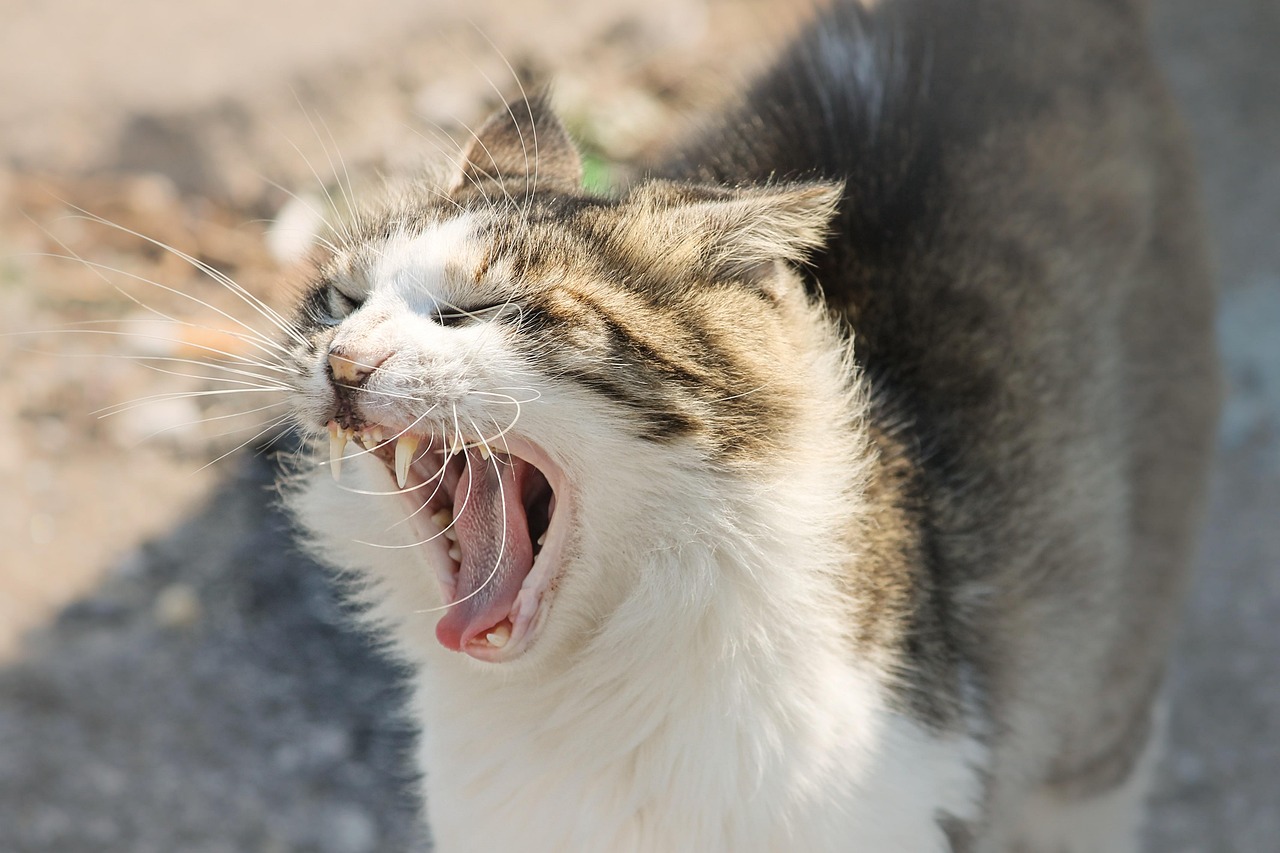
Redirected aggression occurs when a cat becomes aroused or stressed by something but cannot address the actual source of stress, so they direct their aggression toward a nearby person or pet instead.
Classic scenarios include:
- Seeing another cat outside: A cat sees a neighbouring cat through the window, becomes aroused and territorial, but cannot reach the outdoor cat. The aggression is redirected toward the owner or another household pet who happens to be nearby
- Being startled by a loud noise: A cat is frightened by an unexpected sound and, unable to address the source, may snap at whoever is nearby
- Frustration from confinement: A cat desperate to access an outdoor space may redirect this frustration into aggression toward household members
Critical insight: The target of redirected aggression is not the source of the problem. A cat attacking you following a window sighting of another cat is not angry at you; they are frustrated about the cat situation. Understanding this distinction prevents you from taking the aggression personally or responding punitively.
Maternal Aggression: Protective Behaviour

Mother cats protecting litters may display aggressive behaviour toward people or other animals approaching their kittens. This is entirely normal, instinctive protective behaviour, not genuine aggression requiring intervention.
Characteristics of maternal aggression:
- Temporary nature: Maternal aggression typically resolves as kittens grow and become independent
- Protective focus: The aggression is directed at perceived threats to kittens, not at the environment generally
- Increased vigilance: The mother cat becomes hypervigilant and overprotective
Appropriate response: Simply respect the mother's protective space and minimise interference with kittens until weaning. Avoiding unnecessary handling and respecting the mother's boundaries allows normal maternal behaviour without escalation.
What Never to Do: Punishment and Force
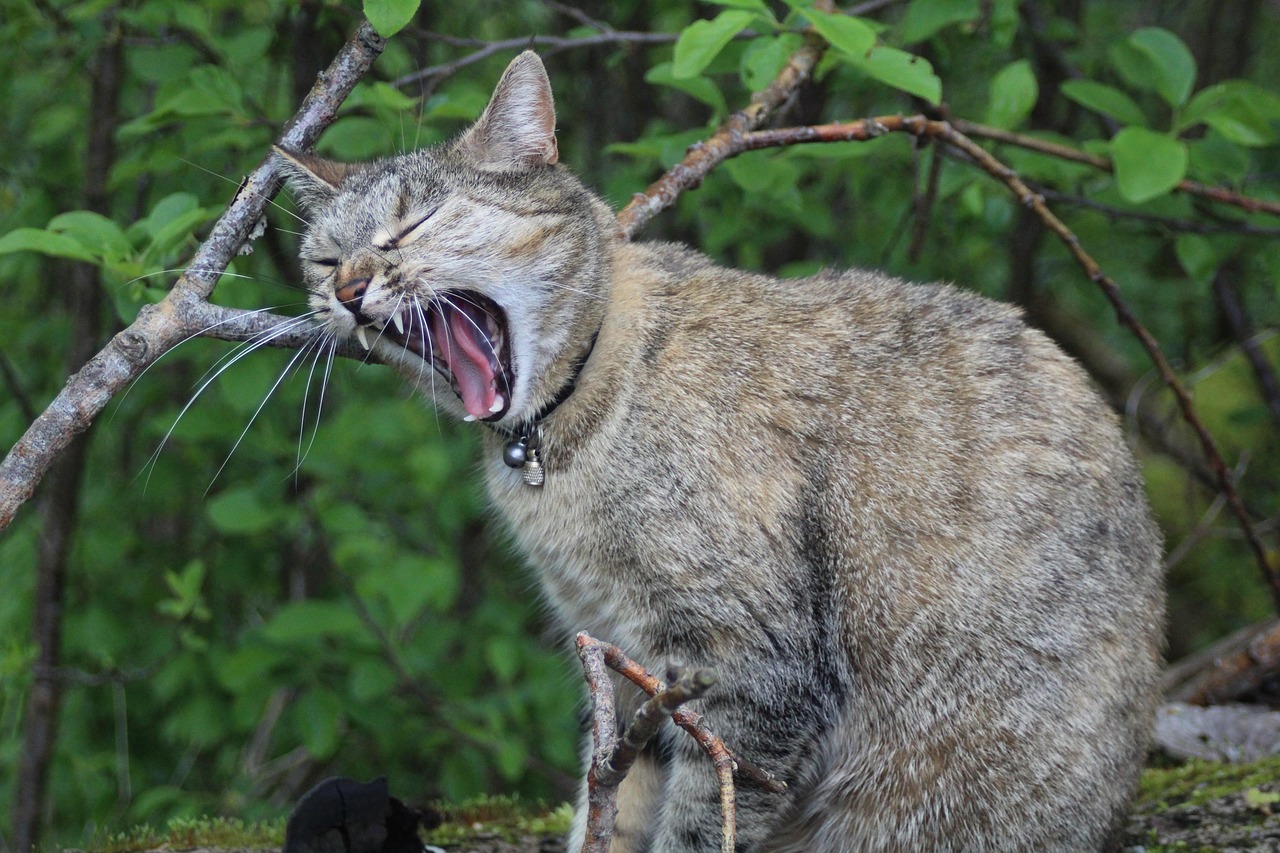
Many well-intentioned owners respond to cat aggression with punishment strategies that actually worsen the problem and damage the relationship. Understanding what never to do is as important as knowing what to do.
Never do these things when managing aggression:
- Never punish or shout at your cat: Punishment increases fear and stress, directly worsening the aggression you are trying to reduce. A cat who already feels threatened will only feel more threatened by punishment
- Never use physical force: Hitting, grabbing, or physically forcing compliance teaches your cat that violence is an acceptable response and increases fear and aggression
- Never force interaction: Forcing a cat to tolerate petting, handling, or closeness against their will creates resentment and teaches them that aggression is the only way to enforce boundaries
- Never ignore repeated aggression: Whilst respecting boundaries, repeated aggression that occurs frequently without apparent reason requires professional assessment to identify underlying causes
Why punishment fails: Punishment teaches a cat that humans are unpredictable and dangerous, strengthening the fear that drives the aggression. Additionally, punishment does nothing to address the underlying cause of the aggression, so the cat remains frustrated or frightened and continues displaying aggressive behaviour.
Managing Cat Aggression: Effective Strategies

Effective aggression management focuses on identifying and addressing underlying causes whilst creating an environment that reduces stress and supports calm behaviour.
Stress reduction strategies:
- Maintain a predictable routine: Cats thrive on predictability. Consistent feeding times, play times, and interaction patterns reduce anxiety
- Provide quiet resting areas: Ensure your cat has access to quiet, safe spaces where they can retreat and feel secure
- Minimise sudden changes: When changes are necessary, introduce them gradually and carefully
- Use pheromone diffusers if appropriate: Feline pheromone products may help calm anxious cats, though results vary by individual
Play and enrichment strategies:
- Provide appropriate outlets: Use wand toys rather than hand play to redirect predatory energy toward toys rather than people
- Structure regular play sessions: Multiple short play sessions throughout the day tire your cat and provide mental stimulation
- End play before overstimulation: Stop play sessions whilst your cat is still enjoying them, before they become overstimulated and aggressive
- Provide environmental enrichment: Climbing structures, puzzle feeders, and interactive toys prevent boredom and aggression
Boundary respect strategies:
- Allow approach on their terms: Let your cat decide when interaction happens rather than forcing it
- Stop at early warning signs: The moment you see flattened ears or tail lashing, stop what you are doing and give your cat space
- Avoid excessive handling: Some cats tolerate minimal petting. Respect your individual cat's tolerance
- Never trap or corner: Always ensure your cat has an escape route and can remove themselves from situations they find stressful
When Professional Help Is Necessary

Whilst many aggression problems respond to environmental modification and stress reduction, some situations require professional support from veterinarians and feline behaviour specialists.
Seek veterinary evaluation immediately if:
- Aggression appears suddenly: A sudden change in behaviour often indicates underlying medical problems requiring diagnosis
- Behaviour worsens quickly: Rapidly escalating aggression requires professional assessment
- Your cat displays signs of pain: Limping, reluctance to move, or pain vocalisation may indicate medical causes of aggression
- Changes in appetite or activity occur: Accompanying behavioural changes suggest underlying illness
Consult a qualified feline behaviour specialist if:
- Aggression persists despite your management efforts
- Safety is at risk for household members
- You feel overwhelmed or uncertain about management strategies
- Professional behaviour modification is needed
A qualified behaviourist can develop a customised behaviour modification plan tailored to your specific cat's situation. Progress takes time, but professional guidance significantly improves outcomes compared to attempting to manage serious aggression independently.
Prevention: Building a Low-Aggression Foundation

The most effective approach to aggression is prevention. Building an environment and relationship that minimises aggression triggers from the beginning prevents many problems from ever developing.
Prevention strategies include:
- Appropriate kitten socialisation: Expose kittens to varied people, environments, and experiences in a positive, controlled manner. This builds resilience and reduces fear-based aggression in adulthood
- Bite inhibition training: Allow play with littermates and handle gently during kittenhood, helping kittens learn appropriate bite force
- Mental and physical enrichment: Provide sufficient stimulation through play, climbing, exploration, and environmental challenges
- Gradual introductions: Introduce new pets, people, and changes gradually rather than shocking your cat with sudden alterations
- Respect individual personality: Some cats are naturally more independent or less social. Accepting your cat's personality rather than forcing interaction prevents many problems
- Regular veterinary care: Preventive medicine catches health problems before they manifest as aggression
Understanding and Compassion: The Path Forward
Cat aggression, when properly understood, is almost always addressable. Rather than viewing an aggressive cat as a hopeless problem or a "bad" cat, understanding that aggression is communication driven by fear, stress, pain, or unmet needs allows you to respond with compassion and develop solutions.
Your aggressive cat is not attacking because they are mean. They are communicating that something in their world feels unsafe, painful, or overwhelming. By observing carefully, respecting their boundaries, addressing underlying causes, and seeking professional support when needed, you can help your cat feel safer and reduce or eliminate aggressive behaviour.
Cat aggression is communication rooted in fear, stress, pain, or unmet needs, not deliberate misbehaviour or personality defect. Aggression is typically a last resort after earlier, subtle warning signals have been ignored. Recognising early warning signs including flattened ears, dilated pupils, tail lashing, and stiff posture allows intervention before escalation. Fear-based aggression, the most common type, reflects a cat feeling threatened and defending themselves; it is defensive, not offensive. Play aggression in kittens reflects natural hunting instincts and responds to appropriate channelling rather than punishment. Pain-related aggression appears suddenly and warrants immediate veterinary evaluation; addressing underlying pain often resolves the aggression. Territorial aggression reflects cats' legitimate need for secure territory; respecting territory reduces conflict. Redirected aggression occurs when a cat cannot address the actual stress source and directs frustration toward nearby individuals; understanding the true cause prevents misinterpretation. Maternal aggression is normal protective behaviour that resolves as kittens mature. Never punish, shout at, use force with, or force interaction with aggressive cats, as punishment increases fear and worsens aggression. Effective management focuses on identifying underlying causes, reducing stress through predictable routines and quiet spaces, providing appropriate play and enrichment outlets, and respecting boundaries. Sudden aggression onset, rapid escalation, or aggression that persists despite environmental modification warrants veterinary evaluation and possible consultation with a qualified feline behaviour specialist. Prevention through appropriate kitten socialisation, enrichment, gradual introductions, and veterinary care prevents many aggression problems. Understanding that your cat is frightened rather than malicious fundamentally changes how you respond and enables compassionate, effective management. Most aggression problems improve significantly with patience, understanding, and appropriate management addressing underlying causes rather than punishing behaviour.
This guide is based on feline behaviour science and veterinary behavioural principles. Individual cats display aggression variations based on personality, early experiences, health status, and environmental factors. Always consult your veterinarian to rule out medical causes before attributing aggression to behaviour. Consult a certified feline behaviour specialist for serious aggression or safety concerns. Never attempt to manage serious aggression alone if safety is at risk.