The image of a cat eagerly eating fish is deeply embedded in popular culture and human imagination. Yet the reality of feeding fish to cats is considerably more nuanced than popular depictions suggest. Many cat owners assume that because cats enjoy fish, and because fish is a source of protein, fish must be an ideal food for cats. However, the truth is that whilst cats can eat fish, proper preparation and strict moderation are essential. Fish can provide valuable nutritional benefits when offered correctly, but feeding it incorrectly or too frequently can lead to serious nutritional deficiencies, toxicity, or digestive problems.
As obligate carnivores, cats' primary nutritional requirements must be met through meat-based diets. Fish should be treated as an occasional supplement or treat, not as a dietary staple. Understanding which fish are safe for cats, how to prepare them properly, how often they should be offered, and which fish to avoid entirely enables you to occasionally treat your cat to fish whilst maintaining optimal nutritional balance and health.
Can Cats Eat Fish? Understanding the Basics

Yes, cats can eat fish. However, this simple affirmation requires substantial qualification. Cats can eat certain types of fish, when properly prepared, in appropriate quantities, and with proper frequency. Fish is not a nutritional requirement for cats, nor is it superior to other meat sources for feline nutrition.
The fundamental principle: Cats are obligate carnivores, meaning their bodies are designed to derive nutrition primarily from animal flesh. Their digestive systems and metabolic requirements reflect millions of years of evolution as hunters of small prey animals, not fish. Whilst fish does contain animal protein and can supplement a cat's diet, it should never become the primary food source or regular staple.
Veterinary consensus: Veterinary nutritionists agree that fish can provide valuable nutrients when offered appropriately, but overfeeding or feeding the wrong type of fish can lead to serious nutritional deficiencies, mineral imbalances, or even toxicity. The key to safe fish feeding is understanding which fish are appropriate, how to prepare them correctly, and maintaining strict moderation in frequency and quantity.
Nutritional Benefits of Fish for Cats

When chosen carefully and offered in moderation, fish can provide several genuine nutritional benefits for cats.
High-quality protein: Fish provides animal protein supporting muscle maintenance, immune function, and overall body health. Protein quality varies by fish type, with some species offering more complete amino acid profiles than others.
Omega-3 fatty acids: Particularly abundant in oily fish like salmon and mackerel, omega-3 fatty acids support skin health, coat quality, joint function, and cardiovascular health. These fatty acids reduce inflammation and promote healthy cell function.
Vitamins: Fish contains B vitamins and vitamin D, though in relatively small amounts. These vitamins support metabolic function and bone health.
Minerals: Fish provides minerals including selenium and iodine, which support thyroid function and cellular health.
Critical caveat: Whilst these benefits sound compelling, balance is absolutely essential. Consuming too much fish can interfere with vitamin E absorption, create mineral imbalances, or provide excessive amounts of certain nutrients that become toxic at high levels. Additionally, some fish contain compounds that can interfere with thiamine (vitamin B1) absorption, potentially causing serious deficiencies if fish becomes a dietary staple.
Best Fish for Cats: Vet-Approved Options

Not all fish are appropriate for cats. Understanding which fish species are safest and most nutritious enables you to choose appropriately when offering fish treats.
Salmon (Cooked):
Salmon ranks among the best fish options for cats when fully cooked. This fatty fish provides exceptional omega-3 content, supporting skin and coat health, joint function, and cardiovascular wellbeing. To serve salmon safely to your cat, ensure it is plain cooked (boiled or baked without oil), completely free of salt, seasoning, or sauces, and thoroughly deboned and deskinned. Even small bones present choking and internal injury risks.
Sardines (In Water):
Tinned sardines in spring water represent a nutrient-dense option that is generally safe in small quantities. Being small fish, sardines accumulate lower mercury levels than larger species. Sardines are exceptionally rich in omega-3 fatty acids. When offering sardines, select only tinned sardines packed in spring water, never in brine or oil, mash them lightly, and serve only occasionally. Small portions prevent nutritional imbalances.
White Fish (Cod, Haddock, Pollock):
White fish varieties are gentle on the stomach and ideal for cats with sensitive digestion. These lean protein sources are easy to digest and contain less fat than oily fish species. Serve white fish fully cooked, flaked into small pieces, and completely free of batter, seasoning, or frying oil. Plain boiled or baked white fish is the appropriate preparation.
Mackerel (Occasionally):
Mackerel is nutritious and supports heart and brain health through its omega-3 content. However, mackerel is considerably richer than other fish options, meaning portions must remain small and frequency minimal. Serve mackerel only plain and cooked, limiting portions due to higher fat content. Overfeeding mackerel can cause digestive upset or nutritional imbalances.
Tuna (Very Limited):
Tuna presents more complexity. Whilst not toxic to cats, tuna should be offered sparingly. Mercury levels in tuna exceed those in other commonly available fish. Additionally, certain compounds in tuna can cause nutritional imbalances if tuna becomes too frequent in the diet. When offering tuna, use only tuna packed in spring water, offer only tiny portions, and treat it as a rare rather than occasional treat. Never make tuna a regular part of your cat's diet.
Fish Cats Should Never Eat

Certain types of fish or fish preparations pose serious risks and should never be offered to cats.
Raw fish: Raw fish contains enzymes called thiaminases that destroy thiamine (vitamin B1), a critical nutrient for feline health. Regular consumption of raw fish can cause serious thiamine deficiency leading to neurological problems and organ damage. Always cook fish thoroughly before offering it to your cat.
Smoked or cured fish: These preparations contain excessive salt and preservatives inappropriate for cats. The high sodium content can cause electrolyte imbalances, and various preservatives may upset digestion or cause other adverse reactions.
Fish bones: Cooked fish bones become brittle and fragment easily, creating serious choking hazards and risks of internal perforation or blockages. Even small bones present significant danger. Always thoroughly debone fish before offering it to your cat, checking carefully for even tiny bone fragments.
Fish in brine or oil: Fish packed in brine contains excessive salt and can upset digestion. Fish in oil provides too much fat and can cause pancreatitis or other digestive problems. Always select fish packed in spring water and rinse thoroughly to remove all excess liquid before serving.
Large predatory fish (swordfish, shark, tilefish): These large fish accumulate high levels of mercury through their long lifespans and position in the food chain. Mercury accumulation in cat tissue causes serious neurological and systemic damage. Never offer large predatory fish to your cat.
Appropriate Frequency: How Often Should Cats Eat Fish?

One of the most important aspects of safe fish feeding is limiting frequency and quantity. Fish should be treated as a supplement or occasional treat, never as a meal replacement.
Veterinary guidance on fish feeding frequency:
- Fish should appear no more than 1 to 2 times per week: This frequency allows your cat to enjoy fish benefits without risking nutritional imbalances or accumulation of potentially harmful compounds
- Fish should never replace complete, balanced cat food: Commercial cat foods are formulated to meet all feline nutritional requirements. Fish treats should supplement, not replace, these nutritionally complete meals
- Treat fish as a supplement, not a main meal: Fish portions should be small enough to constitute a treat rather than a significant portion of daily caloric intake
Consequences of overfeeding fish:
- Vitamin E deficiency: Excessive fish, particularly oily varieties, depletes vitamin E, leading to steatitis (inflammation of fatty tissue)
- Thiamine deficiency: Thiaminase enzymes in fish interfere with thiamine absorption, causing neurological problems if fish is fed too frequently
- Digestive upset: Excessive fat or inappropriate fish preparations cause vomiting, diarrhoea, or pancreatitis
- Nutritional imbalance: Overreliance on fish disrupts the carefully balanced mineral and nutrient ratios necessary for optimal health
- Mercury accumulation: Regular consumption of high-mercury fish allows mercury to build up in tissue, causing neurological damage
Can Kittens Eat Fish?

Kittens can eat small amounts of cooked fish under specific conditions, but caution is particularly important during this critical growth period.
Fish for kittens must be:
- Plain cooked (never raw, seasoned, or fried)
- Completely boneless and checked carefully for fragments
- Offered extremely rarely, not as a regular treat
Critical consideration: Growing kittens require precise nutrition from a kitten-formulated diet. Their rapidly developing brains, bones, organs, and muscles need specific ratios of nutrients, proteins, fats, and minerals. Fish should never replace kitten-formula food, which is specifically formulated to support optimal development. Any fish offered to kittens should be strictly occasional and minimal in quantity.
When Fish May Not Suit Your Cat
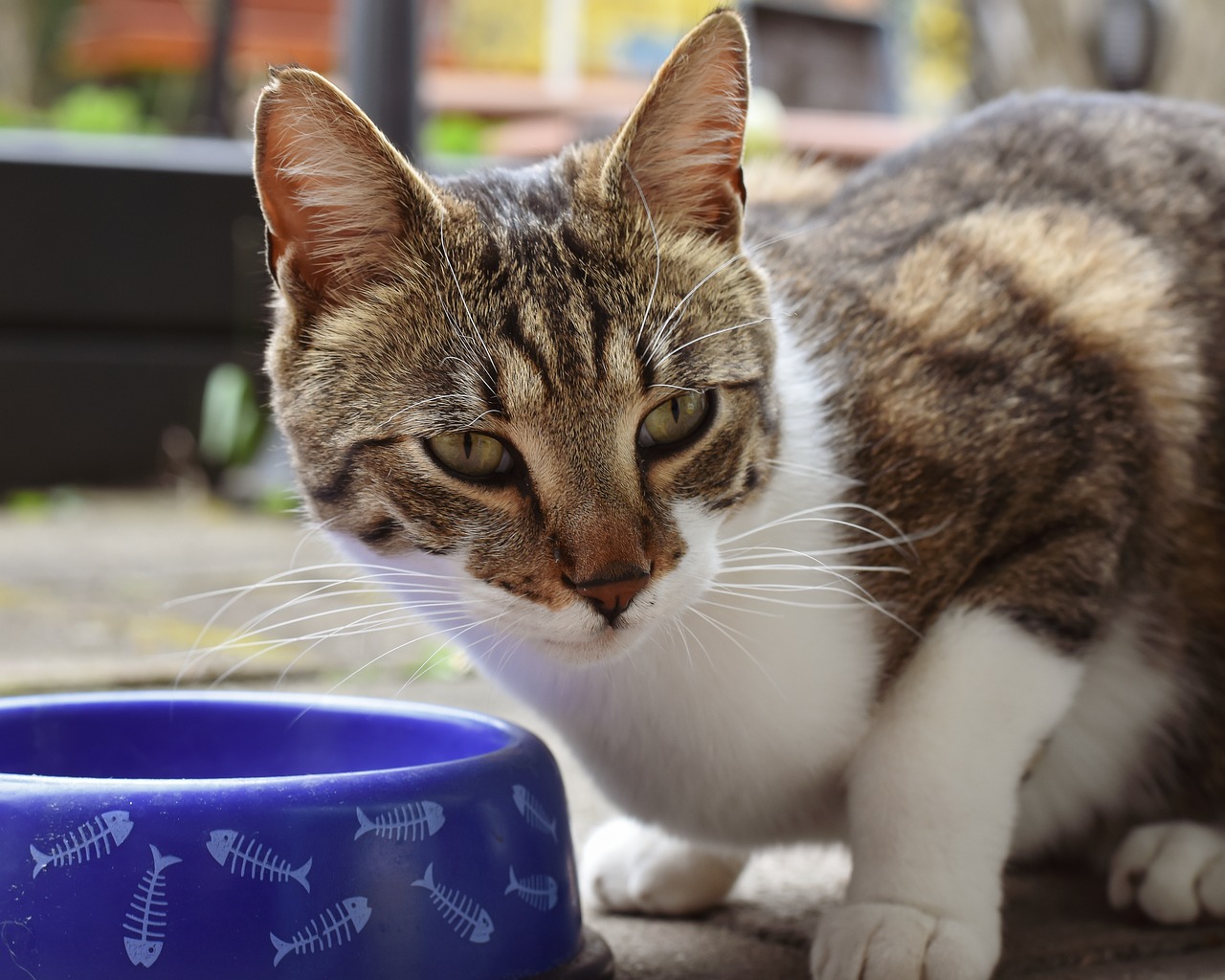
Some cats may develop intolerance or adverse reactions to fish despite appropriate preparation and frequency.
Stop feeding fish and consult a veterinarian immediately if you observe:
- Vomiting or diarrhoea: Gastrointestinal upset following fish consumption indicates the cat cannot tolerate it
- Itchy skin or excessive scratching: Fish allergies or sensitivities sometimes manifest as skin problems
- Lethargy or unusual behaviour: Changes in energy or demeanour may indicate adverse reaction
- Refusal to eat normal food: Cats becoming fixated on fish and refusing their regular diet indicates an unhealthy food preference developing
Individual cats vary in their ability to tolerate fish. Cats with food sensitivities, allergies, or certain medical conditions may not tolerate fish despite appropriate preparation. Always monitor your individual cat's response to new foods.
Safer Alternative: Fish-Based Commercial Cat Food

If your cat loves fish but you are concerned about appropriate preparation or frequency, commercially prepared fish-based cat food offers a safer alternative.
Benefits of fish-based commercial cat food:
- Professionally formulated: Nutritionists develop these foods to be complete and balanced, providing all necessary nutrients in appropriate ratios
- Safety assured: Preparation, bone removal, and contamination risks are all handled professionally
- Labeled complete and balanced: UK and FEDIAF nutritional standards are met, meaning nothing is left to guesswork
- Appropriate nutrient ratios: Fish content is balanced with other ingredients to prevent the vitamin E deficiency, thiamine depletion, or mercury accumulation that can result from overfeeding whole fish
For cats who genuinely enjoy fish flavour, commercial fish-based cat foods provide regular access to fish benefits without the risks associated with improper home preparation or inappropriate frequency.
Making Safe Fish Choices for Your Cat

Fish can be a healthy and genuinely enjoyable treat for cats when served correctly and in moderation. The best options include cooked salmon, sardines in water, and plain white fish. Raw, seasoned, salty, or high-mercury fish should always be avoided. By understanding which fish are safe, how to prepare them properly, and maintaining strict moderation in frequency and quantity, you enable your cat to enjoy occasional fish treats whilst maintaining optimal nutritional balance and health.
Cats can eat fish, but only in moderation and when properly prepared. Fish should be treated as an occasional supplement, not a dietary staple, because cats are obligate carnivores requiring primarily meat-based nutrition. Fish offers valuable nutritional benefits including high-quality protein, omega-3 fatty acids for skin and coat health, B vitamins, vitamin D, selenium, and iodine, but balance is essential; excessive fish causes vitamin E deficiency, thiamine depletion, digestive upset, and nutritional imbalance. Best fish options include cooked salmon (rich in omega-3s), sardines in water (nutrient-dense and lower mercury), white fish like cod (lean protein), and mackerel (occasional only due to higher fat content). Tuna should be offered very rarely due to mercury concerns and nutrient imbalance risks. Fish to avoid entirely include raw fish (destroys thiamine), smoked or cured fish (excessive salt), fish bones (choking and perforation hazard), fish in brine or oil (digestive upset), and large predatory fish (high mercury). Fish should appear no more than 1 to 2 times weekly; never replace complete balanced cat food with fish; overfeeding causes vitamin E deficiency, thiamine deficiency, mercury accumulation, and nutritional problems. Kittens can eat small amounts of plain, boneless cooked fish very rarely, but kitten formula food must remain the foundation of their diet. Stop offering fish if your cat shows vomiting, diarrhoea, skin problems, lethargy, or refusal of normal food. Commercial fish-based cat food offers a safer alternative providing fish benefits with proper nutritional balance. Always prepare fish plain (no seasoning, salt, or oil), thoroughly debone it, and offer tiny portions. When in doubt about fish safety for your individual cat, consult your veterinarian, particularly if your cat has allergies, digestive issues, or existing health conditions.
This guide is based on feline nutrition science and veterinary standards for fish feeding. Individual cats display variation in tolerance for fish based on age, health status, and individual sensitivities. Always consult your veterinarian before introducing fish or fish-based foods to your cat's diet, particularly if your cat has allergies, digestive sensitivities, or existing medical conditions. Fish should supplement, never replace, a complete and balanced cat food formulated to meet all feline nutritional requirements.