Cats are often perceived as independent, solitary pets who naturally thrive without constant human presence, leading many owners to assume they can be left alone for extended periods without consequence. Whilst cats are indeed more self-sufficient than dogs in certain respects, they still have significant emotional, physical, and social needs that must be met consistently for optimal health and wellbeing.
Leaving a cat alone for too long, or without proper preparation and support, can lead to serious stress, anxiety, health problems, behavioural issues, and in worst cases, life-threatening emergencies that go unnoticed until it's too late. Understanding your cat's individual limits, recognising signs of distress, and implementing appropriate care strategies is essential for responsible pet ownership.
This comprehensive guide explains realistically how long cats can be left alone based on age and health status, which factors affect that limit, warning signs your cat is struggling with isolation, and practical strategies to safely prepare your cat when you must be away from home.
Are Cats Okay Being Left Alone?

Yes, to a point, but with important limitations.
Cats can tolerate being alone better than many other pets, but they are not truly solitary animals despite popular misconceptions. They still require consistent care and attention.
Essential daily needs that cannot be neglected:
- Fresh food and clean water
- Clean, accessible litter trays
- Mental stimulation and environmental enrichment
- Social interaction and companionship
- Health monitoring and emergency response capability
- Safe, comfortable environment
Leaving cats alone safely depends on multiple factors including age, overall health status, individual personality, home environment setup, and duration of absence.
How Long Can Cats Be Left Alone?

Adult Healthy Cats
General guidelines:
- Up to 8 to 12 hours: Generally safe for typical working day absences
- Up to 24 hours: Possible with proper preparation and adequate resources
- More than 24 hours: Not recommended without daily human check-ins from cat sitter or friend
Kittens (Under 6 Months)
- Maximum 4 to 6 hours: Absolute limit
- Require frequent feeding (every 4 to 6 hours for young kittens)
- Need constant supervision preventing injury
- Require socialisation through human interaction
- Should never be left alone overnight
- Highly vulnerable to accidents and health emergencies
Senior Cats (Over 10 Years)
- Shorter tolerance for being alone
- Often require medications on strict schedules
- May need special diets or feeding assistance
- Health issues can escalate rapidly when unsupervised
- Cognitive dysfunction may cause confusion when alone
- Daily monitoring essential
Cats With Medical Conditions
- Should not be left alone for extended periods
- Require daily observation for symptom changes
- Missed medications can be dangerous or fatal
- Health crises may develop suddenly
- Need immediate access to veterinary care if problems arise
Critical rule of thumb: If your cat needs daily medication, monitoring, or special care, they require daily human presence. No exceptions.
Factors That Affect How Long a Cat Can Be Left Alone

1. Individual Personality
- Confident, independent cats: Cope better with owner absence
- Anxious or clingy cats: Struggle significantly with isolation
- Highly social cats: May become stressed without interaction
- Previously abandoned cats: May experience separation anxiety
2. Indoor vs Outdoor Cats
- Indoor cats rely entirely on owners for all needs
- Outdoor access does not replace need for care or monitoring
- Outdoor cats face additional risks (traffic, predators, fights)
- Neither indoor nor outdoor cats should be left unsupervised long-term
3. Multi-Cat Households
- Multiple cats are not guaranteed companions
- Some cats become more stressed when alone together
- Resource competition (food, litter, space) can worsen in owner absence
- Conflicts may escalate without supervision
- Not all cats enjoy feline company
4. Established Routine
- Cats thrive on predictable routines
- Sudden changes including owner absence cause stress
- Disrupted feeding schedules create anxiety
- Changes to play and interaction patterns affect wellbeing
Signs a Cat Is Not Coping With Being Alone

Cats often hide stress and distress. Watch carefully for these warning signs, which may appear only after you return.
Behavioural indicators of isolation stress:
- Excessive sleeping or lethargy: Sleeping more than typical 12 to 16 hours daily
- Appetite changes: Overeating from boredom or loss of appetite from stress
- Destructive scratching: Inappropriate furniture damage or excessive scratching
- Overgrooming or hair loss: Stress-related compulsive grooming causing bald patches
- Litter box accidents: Inappropriate urination or defecation
- Increased vocalisation: Excessive mewing, crying, or yowling
- Aggression: Uncharacteristic swatting, biting, or hissing
- Withdrawal: Hiding, avoiding interaction, appearing depressed
- Clingy behaviour: Desperate for attention, following constantly
These signs indicate your cat struggled emotionally during your absence and current arrangements are inadequate.
Can You Leave a Cat Alone Overnight?
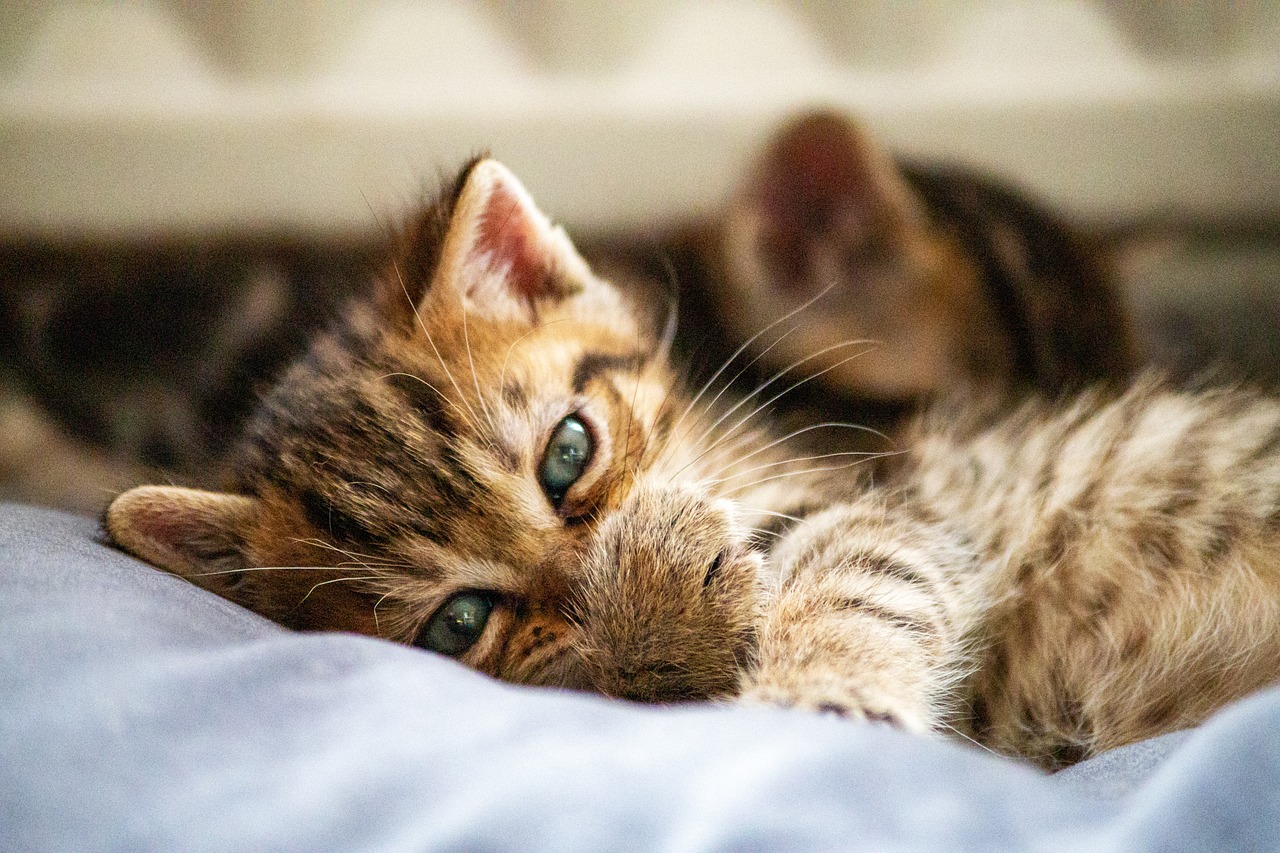
Occasionally, yes. Regularly, no.
An overnight absence may be acceptable for:
- Healthy adult cats without medical conditions
- Cats with adequate food, water, and litter provisions
- Safe, enriched environment with no hazards
- Cats accustomed to owner's work schedule absences
However, significant risks remain:
- Medical emergencies can occur at any time
- Injuries or sudden illness may go unnoticed
- Loneliness and separation anxiety may develop
- Food or water may spill, leaving cat without resources
- Litter trays become excessively soiled
For trips longer than 24 hours, daily check-ins from cat sitters, friends, or family are absolutely essential, not optional.
Never Leave Cats Alone Without These Essentials
1. Fresh Food and Water

- Use multiple food and water bowls in different locations
- Consider automatic feeders for timed meals
- Never rely on single water source (may spill or become contaminated)
- Leave extra portions accounting for potential spills
- Ensure bowls are stable and cannot tip easily
2. Clean Litter Trays
- Provide minimum one litter tray per cat plus one extra
- Clean thoroughly before leaving
- Use low-dust, unscented clumping litter
- Place trays in easily accessible locations
- Ensure adequate litter depth
3. Safe Environment
- Remove hazards including loose cords, toxic plants, small objects
- Secure windows and balconies preventing escapes or falls
- Lock away toxic substances, medications, cleaning products
- Remove breakable items cats might knock over
- Ensure no rooms where cats could become trapped
4. Temperature Control
- Ensure proper ventilation throughout home
- Avoid extreme heat or cold
- Provide access to cool areas in summer
- Ensure adequate heating in winter
- Never leave cats without climate safety measures
Mental Stimulation When You're Away

Cats need enrichment preventing boredom even when alone.
Effective enrichment options:
- Puzzle feeders making cats "work" for food
- Window perches providing outside views
- Rotated toys maintaining novelty
- Cardboard boxes and paper bags (handles removed)
- Hiding spots and elevated perches
- Calm background noise (radio or television providing comforting sounds)
- Safe scratching posts and climbing opportunities
Items to avoid when unsupervised:
- Toys with strings, ribbons, or small parts (choking hazards)
- Unsupervised laser toys (frustration without physical "catch")
- Automatic toys potentially frightening anxious cats
- Anything battery-operated that could malfunction
Leaving Cats Alone for Holidays or Extended Trips
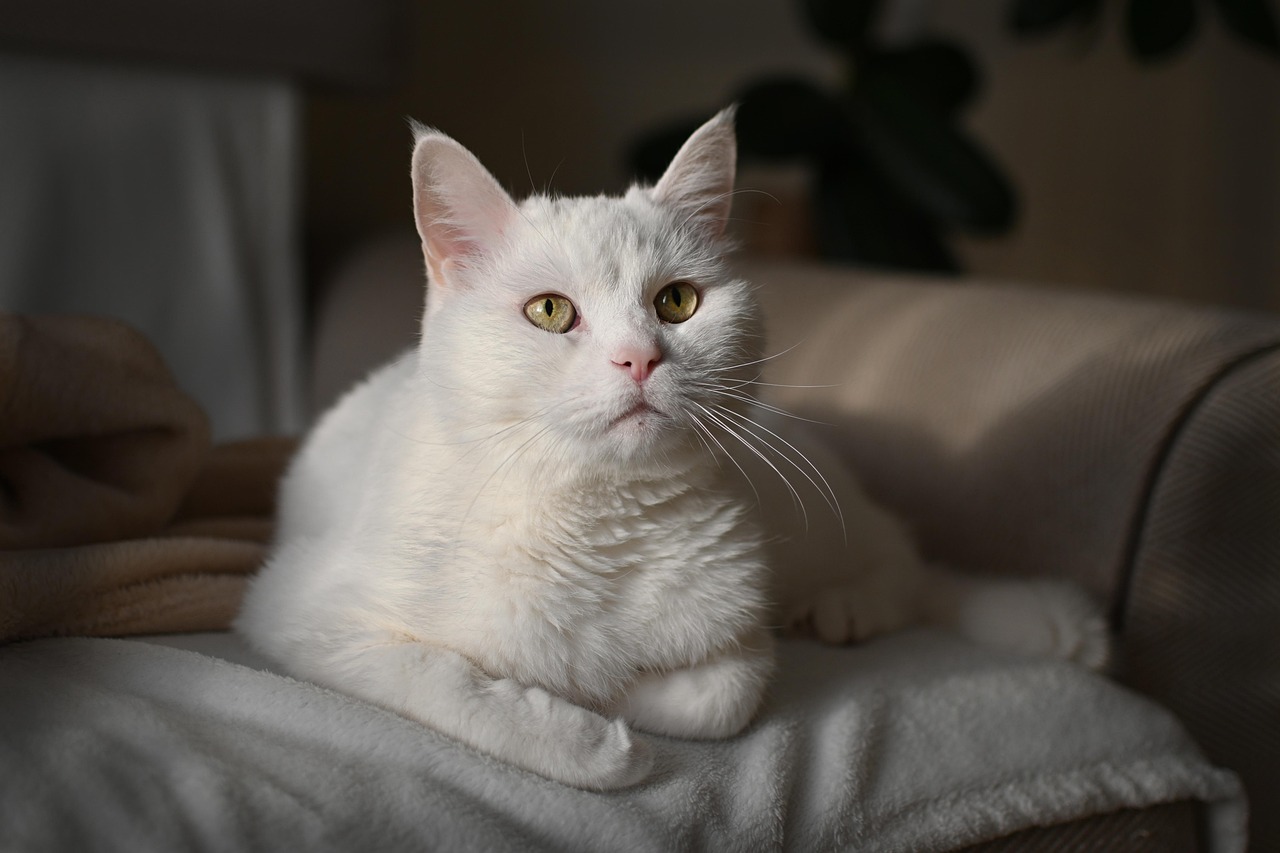
Best care options (ranked by preference):
1. Trusted Cat Sitter (Best Choice)
- Daily visits to your home
- Feeding, fresh water, litter tray cleaning
- Play and social interaction
- Health monitoring and emergency response capability
- Maintains cat's familiar environment
- Can handle mail, plants, home security
2. Professional Pet Sitting Service
- Insured and professionally trained
- Ideal for longer absences
- Reliable and accountable
- Can administer medications
- Often provide photo updates
3. Trusted Friend or Family Member
- Should receive detailed written instructions
- Must follow feeding schedules precisely
- Need veterinary contact information
- Should understand cat's personality and needs
- Must commit to daily visits
4. Cattery (Boarding Facility)
- Good option for social, adaptable cats
- Provides constant supervision
- Professional care and monitoring
- Stressful for anxious or territorial cats
- Requires vaccinations
- Visit facilities beforehand assessing cleanliness and conditions
Critical rule: Never leave cats alone for multiple days without daily human checks. This is non-negotiable for responsible pet ownership.
Should You Get Another Cat So Yours Isn't Alone?

Not necessarily, and often not advisable as sole solution.
Important considerations:
- Another cat is not guaranteed companionship
- Can significantly increase stress if personalities clash
- Requires careful, gradual introduction over weeks
- Some cats strongly prefer solitude and human interaction over feline company
- Doubles care requirements, costs, and responsibilities
- Does not eliminate need for human interaction and monitoring
Getting another cat should be decision based on wanting another pet, not solving isolation problems. Proper cat sitting remains necessary.
Common Myths About Leaving Cats Alone
Myth: "Cats don't need attention or interaction"
Reality: Cats need social interaction, mental stimulation, and companionship for emotional wellbeing.
Myth: "Two cats can be left alone indefinitely"
Reality: Medical emergencies, resource conflicts, and stress still occur. Daily checks remain essential.
Myth: "Food and water are enough"
Reality: Emotional needs, health monitoring, safety, and litter maintenance are equally critical.
Myth: "Cats are completely independent"
Reality: Cats are more independent than dogs but still require consistent care and attention.
Myth: "My cat will be fine; nothing will happen"
Reality: Emergencies are unpredictable. Responsible ownership means planning for worst-case scenarios.
How to Prepare Your Cat Before Leaving

Pre-departure preparation checklist:
- Keep routine as normal as possible before leaving
- Avoid dramatic, emotional goodbyes causing anxiety
- Leave familiar bedding with your scent
- Provide detailed written care instructions for sitters
- Share veterinary contact details and location
- Leave emergency contact numbers
- Inform trusted neighbour of your absence
- Ensure microchip and ID tag information is current
- Stock adequate supplies (food, litter, medications)
- Test automatic feeders or timers before leaving
Cats are independent compared to many pets but are absolutely not self-sufficient creatures who can be left indefinitely without consequence. Healthy adult cats can tolerate 8 to 12 hour work-day absences and occasionally up to 24 hours with proper preparation, but prolonged or frequent isolation harms both physical and emotional wellbeing significantly. Age, health status, individual personality, and environmental setup all determine safe limits for leaving cats alone, with kittens, seniors, and cats with medical conditions requiring substantially more supervision and care. Essential provisions including fresh food, clean water, multiple litter trays, safe environment, temperature control, and mental enrichment must be in place, yet these resources alone cannot replace daily human presence for monitoring health, providing social interaction, and responding to emergencies. Signs cats struggle with being alone include excessive sleeping, appetite changes, destructive behaviour, overgrooming, litter box accidents, increased vocalisation, and withdrawal, often appearing only after owner returns home. For absences exceeding 24 hours, daily check-ins from trusted cat sitters, professional pet sitting services, friends, or family members become absolutely essential rather than optional, providing feeding, litter maintenance, health monitoring, social interaction, and emergency response capability. Never assume multiple cats automatically provide companionship; personality clashes, resource competition, and conflicts can worsen without supervision, and emergencies affect multi-cat households just as readily. Getting another cat solely to prevent loneliness often backfires if personalities don't mesh and doubles care requirements without eliminating need for human interaction. Cattery boarding provides professional supervision for social, adaptable cats but causes significant stress for anxious or territorial individuals. Common myths suggesting cats need minimal attention or that food and water suffice dangerously oversimplify complex emotional, social, and medical needs requiring consistent human presence. Proper preparation including detailed care instructions, emergency contacts, adequate supplies, familiar bedding, and maintained routines reduces stress during necessary absences. Responsible cat ownership means acknowledging that whilst cats tolerate brief solitude better than dogs, they still depend fundamentally on humans for comprehensive care, safety, health monitoring, and emotional support throughout their lives.
This guide is based on feline behavioural science and veterinary care standards. Individual cats have varying tolerance for being alone based on personality, health, age, and previous experiences. Always prioritise your cat's specific needs and consult veterinarians regarding cats with medical conditions requiring regular monitoring. Responsible pet ownership means ensuring adequate care and supervision regardless of circumstances.