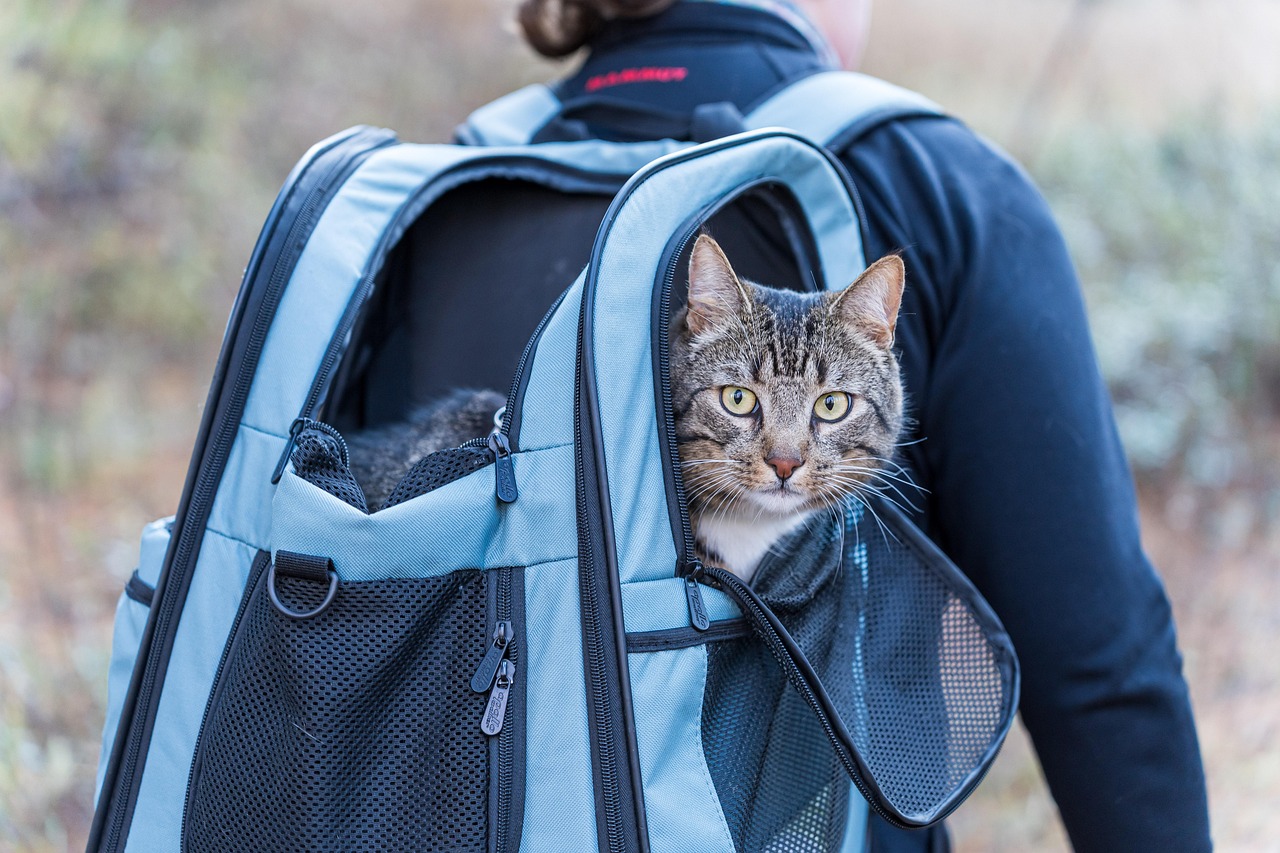
Planning a holiday? Moving house? Need to take your cat to the vet? If you've ever tried travelling with a cat, you know it's not always straightforward. Unlike dogs who often enjoy car rides and new adventures, most cats are creatures of routine who thrive on predictability. Even small changes in their environment can trigger stress, fear, or motion sickness.
The good news? With proper preparation, you can transform travel from a traumatic experience into a manageable, even calm journey for both you and your feline companion. This complete guide walks you through everything you need to know, from vet checks and carrier training to packing essentials and stress reduction techniques. Whether you're planning a short trip to the vet or a long-distance move, these expert-backed strategies will help your cat travel safely and comfortably.
Why Preparation Matters So Much for Cats

Unlike dogs, most cats don't naturally enjoy travel. They depend heavily on predictable surroundings, familiar scents, and stable routines. Their entire sense of security is tied to their territory, which is why even a trip to the vet can feel like a major crisis from their perspective.
When suddenly placed in a moving car or unfamiliar location without preparation, cats can experience:
- Severe stress and anxiety that can last for days
- Nausea, vomiting, or motion sickness
- Hiding, freezing, or aggressive defensive behavior
- Overheating or dehydration if not properly monitored
- Increased risk of escape if not securely contained
- Long-term fear associations with carriers and travel
Preparing your cat in advance dramatically reduces these risks and builds positive associations that make future trips easier. Think of it as an investment: the time you spend now prevents years of travel-related stress.
Pre-Trip Essentials: Start Here

1. Book a Vet Check-Up
Before any trip, especially longer journeys, have your vet assess whether your cat is healthy enough to travel. This visit serves multiple purposes:
- Confirms vaccinations are current and up to date
- Checks for respiratory or heart problems that could worsen during travel
- Provides required travel documents or health certificates (essential for international travel or flights)
- Discusses calming aids or medications for anxious cats
- Refills any necessary medications so you don't run out during the trip
If you're travelling internationally or flying, health certificates, microchip documentation, and specific vaccination records are often mandatory. Start this process early, some countries require paperwork submitted weeks in advance.
2. Update All Identification

Every travelling cat should have multiple forms of identification. If your cat escapes during travel (it happens more often than you'd think), proper ID dramatically increases the chances of being reunited quickly.
Essential identification includes:
- Microchip with current contact information (check that the registry details are accurate)
- Collar with a securely attached ID tag showing your phone number
- Temporary travel tag on the carrier itself with your mobile number and destination
Double-check that your microchip registry has your current phone number and address. Many lost cats are found but can't be returned because the chip information is outdated.
3. Choose and Prepare the Right Carrier

A proper carrier is the single most important travel tool you'll invest in. Don't cheap out here, your cat's safety depends on it.
Look for a carrier that is:
- Sturdy and well-ventilated (multiple air holes or mesh panels)
- Large enough for your cat to stand fully, turn around, and lie down comfortably
- Easy to clean (removable bottom or washable materials)
- Completely escape-proof with secure latches
- Airline-approved if you're planning to fly
- Has both top and front openings (easier for nervous cats)
Carrier Training: The Game-Changer
Most cats associate carriers with vet visits and panic the moment they see one. Change this association by making the carrier a normal, even pleasant part of their environment weeks before your trip.
How to acclimate your cat to the carrier:
- Leave it open in a common area of your home, not stored away in a closet
- Place soft bedding, a favorite blanket, or an item of your clothing inside
- Toss treats inside daily so your cat explores voluntarily
- Feed meals near or inside the carrier to create positive associations
- Spray the carrier with feline pheromones (like Feliway) to increase comfort
- Do short practice sessions: close the door for a few seconds, then gradually increase duration
- Take brief practice car rides around the block and reward calm behavior
This process turns the carrier from a scary trap into a safe den. Start at least 2 to 3 weeks before travel for best results, though even a few days of training helps.
What to Pack: Complete Travel Checklist

Being properly equipped eliminates stress and prevents emergencies. Here's everything your cat needs for a comfortable, safe journey:
Essential Travel Items:
- Secure carrier with soft, absorbent bedding
- Your cat's regular food (bring extra, sudden diet changes cause stomach upset)
- Bottled water (cats notice taste differences and may refuse unfamiliar water)
- Collapsible food and water bowls
- Portable litter box or disposable litter trays
- Litter scoop and waste bags
- Harness and leash (never use a collar alone for walking)
- Familiar blanket or favorite toy for comfort and scent familiarity
- Cleaning supplies (wipes, paper towels, enzyme cleaner for accidents)
- All medications with clear dosing instructions
- Medical records and vaccination papers (keep physical copies, not just digital)
For Longer Trips (4+ Hours):
- Extra water supply
- Spare bedding and towels
- Travel-size litter box
- Cooling mat for hot weather travel
- Pet-safe first aid kit
- Emergency contact numbers (your vet, emergency vet at destination)
Pack everything in an easily accessible bag. You don't want to be digging through luggage on the side of the motorway looking for litter or medication.
Feeding and Hydration Strategy

Timing meals correctly prevents motion sickness and uncomfortable situations during travel:
Before departure:
- Give a light meal 3 to 4 hours before travelling (not right before)
- Avoid heavy meals immediately before the car ride
- Offer small amounts of water, but don't force drinking
- Keep treats minimal if your cat is prone to motion sickness
During the trip:
- Bring enough of their usual food for the entire journey plus extra days
- Don't switch to new food brands during travel (stress + diet change = digestive upset)
- Offer water during breaks, but many cats won't drink until they feel safe again
Most cats won't eat, drink, or use the litter box while actively travelling. This is completely normal stress behavior and nothing to worry about for trips under 6 to 8 hours.
Preparing the Car for Safe Travel

Keep Your Cat Inside the Carrier at All Times
Never let your cat roam loose in the car, no matter how much they cry or how short the journey. A loose cat can:
- Distract the driver and cause accidents
- Escape through open windows or doors
- Hide under pedals or seats
- Get seriously injured if you brake suddenly or have an accident
The carrier isn't cruel, it's a safety restraint system, just like a seatbelt for humans.
Secure the Carrier Properly
Place the carrier on the back seat and fasten it with a seatbelt. The carrier should not slide or tip during driving. Never put the carrier in the boot (trunk) where airflow is poor and you can't monitor your cat.
Create a Calm Environment

Your cat picks up on the atmosphere inside the car:
- Play soft, calming music (classical music or pet-specific playlists work well)
- Avoid loud conversations or shouting
- Drive smoothly with gradual acceleration and braking
- Skip strong air fresheners or perfumes (overwhelming for sensitive cat noses)
- Speak softly and reassuringly to your cat if they vocalize
Climate Control Is Critical
Cats overheat quickly and can't regulate body temperature as effectively as humans. Keep the car well-ventilated with air conditioning or open windows (but not so wide a cat could escape). Never place the carrier in direct sunlight. On hot days, monitor your cat constantly for signs of heat stress: excessive panting, drooling, lethargy, or bright red gums.
Reducing Stress During the Trip

Here are expert-approved techniques to keep your cat as calm as possible:
Line the carrier with familiar scents. Use a blanket or towel that smells like home, your cat, and you. Familiar scents are incredibly comforting.
Use feline pheromone sprays. Products like Feliway mimic natural calming pheromones. Spray inside the carrier 15 to 30 minutes before putting your cat inside (let it dry, don't spray directly on your cat).
Cover part of the carrier. Drape a light blanket over the carrier to create a cozy den feeling. Leave ventilation holes uncovered. Many cats feel safer when they can't see everything moving around them.
Speak softly and reassuringly. Your calm voice can comfort an anxious cat. Avoid taking them out of the carrier to "comfort" them, this often increases stress and escape risk.
Reward calm behavior. After periods of quiet, offer a small treat through the carrier door (if they'll accept it).
Avoid unnecessary stops. Every time you stop and restart the car, it's a new wave of stress. Plan your route to minimize stops in busy, noisy areas.
For extremely anxious cats who panic despite preparation, ask your vet about safe calming options. Never use human medications or sedatives without veterinary approval.
Rest Breaks and Litter Stops (For Long Trips)

If your journey exceeds 3 to 4 hours, plan short rest stops every 2 to 3 hours. During breaks:
- Offer water (though many cats won't drink until they reach the destination)
- Check if your cat needs the litter box (set up a portable box in a quiet area, not a busy car park)
- Keep your cat on a secure harness and leash if they leave the carrier
- Never let your cat roam free, even briefly
- Check the carrier for soiling and clean if necessary
Choose rest stops carefully. Quiet service areas are better than busy motorway services. If your cat is calm and doesn't need the litter box, it's often better to let them stay undisturbed in the carrier.
Important: Most cats won't eat, drink, or use litter while travelling. This is normal stress behavior and shouldn't cause concern for journeys under 8 hours.
Special Considerations for Air Travel

Flying with a cat requires additional preparation:
Check airline policies early. Each airline has different rules about pet carriers, sizes, and whether cats can travel in-cabin or must go in cargo. Book well in advance as airlines limit the number of pets per flight.
Use an airline-approved carrier. It must fit under the seat in front of you for in-cabin travel. Measure carefully and check airline specifications.
Avoid sedatives. Most vets strongly advise against sedating cats for flights. Sedation can cause breathing problems at altitude and prevents cats from naturally stabilizing themselves during turbulence.
Book direct flights when possible. Connections increase stress and the risk of lost carriers (if flying cargo).
Attach identification to the carrier. Tape a note with your name, phone number, and destination to both the inside and outside of the carrier.
Arrive early. Allow extra time for pet check-in procedures and security screening.
International Travel Requirements
Travelling internationally with your cat involves significantly more paperwork:
- Check country-specific entry requirements months in advance
- Obtain required health certificates from your vet
- Ensure vaccinations meet destination country standards (rabies certificates are nearly always required)
- Confirm your cat's microchip is ISO-compatible (some countries don't recognize all chip types)
- Plan for potential quarantine periods if required by the destination
- Research import permits and customs procedures
International pet travel is complex. Consider hiring a professional pet relocation service if the process feels overwhelming.
Common Mistakes to Avoid

Avoid these common errors that jeopardize safety and comfort:
- Travelling without carrier training. Throwing an unprepared cat into a carrier causes trauma that makes future travel worse.
- Letting your cat roam freely in the car. Incredibly dangerous for both cat and driver.
- Feeding a full meal right before leaving. Motion sickness and vomiting are likely.
- Ignoring signs of heat stress. Panting, drooling, and lethargy in cats are emergencies.
- Using non-ventilated or flimsy carriers. Poor quality carriers can break, overheat, or allow escapes.
- Opening the carrier in the car. Even calm cats can panic and escape when the car is moving.
- Leaving your cat alone in a parked car. Never, ever do this. Cars heat up rapidly and cats die from heatstroke in minutes.
Final Tips for a Smooth Journey

Stay calm yourself. Cats are incredibly perceptive and pick up on your stress and anxiety. If you're nervous, they'll be nervous too. Take deep breaths and project confidence.
Start preparing days or weeks before the trip. Last-minute rushing increases everyone's stress levels. Carrier training, vet visits, and packing should happen gradually.
Use your cat's favorite items. Familiar blankets, toys, or even an unwashed t-shirt with your scent provides enormous comfort.
Check the weather forecast. Extreme heat or cold requires additional planning (cooling mats, extra water, warming pads).
Keep routines as normal as possible. Feed at usual times, maintain play sessions, and try to keep other aspects of their daily routine consistent.
Give your cat a quiet space upon arrival. Set up a small "safe room" with their litter box, food, water, and familiar items. Let them decompress and explore the new environment gradually rather than overwhelming them immediately.
Travelling with a cat doesn't have to be a nightmare. With proper preparation, the right equipment, and patience, you can make journeys safe and significantly less stressful for your feline companion. The key is starting early: carrier training, vet checks, and gradual acclimation give your cat the tools to cope with travel anxiety. Remember that every cat is different. Some adapt quickly to travel, while others need extra time and support. Respect your cat's individual personality and stress tolerance. Never rush the process or force situations that clearly terrify them. The effort you invest in preparation pays off with every future trip, whether it's a quick vet visit or a cross-country move. Travel may never be your cat's favorite activity, but it can become a manageable part of life rather than a traumatic ordeal. And that's a win for everyone!
This guide is based on veterinary recommendations and expert advice on feline travel safety. Individual cats have different stress tolerances and travel needs. Always consult your veterinarian before travelling, especially for long journeys or if your cat has health concerns.