Cats are among the world's most popular pets, yet they remain remarkably misunderstood. Generations of myths, old wives' tales, and outdated beliefs continue to shape how many people care for their feline companions. The problem? These misconceptions can lead to improper care, unnecessary stress, missed health problems, and even dangerous situations for cats.
From beliefs about their independence and nutritional needs to misunderstandings about their behavior and health requirements, cat myths persist despite decades of veterinary research and feline behavioral science proving them wrong. This comprehensive guide breaks down the most common cat misconceptions with facts backed by veterinary science, behavioral research, and expert recommendations.
Understanding the truth about cats isn't just interesting, it's essential for providing the best possible care for your feline companion.
1. "Cats Are Low-Maintenance Pets"

The Myth: Cats are independent animals who basically take care of themselves. Just provide food and a litter box and they're fine.
The Reality: While cats may seem more independent than dogs, they actually require substantial daily care and attention:
- Daily mental stimulation through environmental enrichment
- Regular interactive playtime (2 to 3 short sessions per day minimum)
- Daily litter box maintenance (scooping at least once, preferably twice)
- Regular grooming, especially for long-haired breeds
- Routine health monitoring and veterinary checkups
- Emotional interaction and bonding time
Research from the American Association of Feline Practitioners shows that under-stimulated cats develop more behavioral problems than many dog breeds. Cats are different from dogs in their care requirements, but they're certainly not lower maintenance. They just express their needs differently.
2. "Cats Don't Need Much Attention"

The Myth: Cats prefer isolation and solitude. They don't bond with humans the way dogs do and are perfectly happy being left alone for extended periods.
The Reality: Modern feline behavioral science proves this is completely false:
- Cats form strong, genuine attachments to their human family members
- They can and do develop separation anxiety when left alone too long
- They actively seek bonding through play, grooming, and companionship
- They communicate complex emotions through body language, vocalizations, and behaviors
Cats may appear aloof because they exhibit natural predatory caution and independence, but this is behavioral adaptation, not a lack of affection or need for social interaction. Studies show cats experience genuine distress when separated from their primary caregivers for extended periods.
3. "Cats Are Naturally Aggressive"

The Myth: Cats have mean, aggressive personalities. They scratch and bite because that's just how cats are.
The Reality: Aggression in cats is almost always a symptom of an underlying problem, not an inherent personality trait. Common causes include:
- Fear or anxiety: Cats attack when they feel threatened or cornered
- Pain or illness: Medical problems cause defensive aggression
- Territorial stress: Changes in environment or new animals trigger defensive behavior
- Poor socialization: Cats not properly socialized as kittens struggle with appropriate behavior
- Sudden household changes: Moving, new people, or disrupted routines create stress
- Play aggression: Kittens not taught bite inhibition play too roughly
Persistent aggression is not normal and always warrants investigation by a veterinarian or certified feline behaviorist. With proper diagnosis and treatment, most aggressive behaviors can be resolved or managed.
4. "Cats See Humans as Big Cats"

The Myth: Cats literally think humans are just very large cats.
The Reality: This is partially true but widely misunderstood. Cats don't literally perceive humans as giant cats. What feline behaviorists have discovered is that cats use the same social behaviors with humans that they use with friendly cats:
- Slow blinking to show trust and affection
- Head rubbing and bunting to mark you with their scent
- Grooming attempts (licking your hair or skin)
- Purring during positive interactions
- Kneading with their paws
- Tail-up greetings
This means cats accept humans as part of their social group and use their natural feline communication repertoire with us. They understand we're different species, but they treat us as friends and family using the only social language they know.
5. "Indoor Cats Don't Need Vaccines or Vet Visits"

The Myth: If cats never go outside, they can't get sick and don't need vaccinations or regular veterinary care.
The Reality: This is an extremely dangerous misconception. Indoor cats absolutely require:
- Core vaccinations: Viruses like panleukopenia can be carried into your home on shoes, clothing, or through air circulation
- Annual wellness examinations: Early detection of health problems dramatically improves outcomes
- Parasite prevention: Fleas and worms can enter homes on clothing, other pets, or through windows
- Dental care: Dental disease develops regardless of indoor/outdoor status
Indoor cats can still develop serious health conditions including upper respiratory infections, dental disease, diabetes, kidney disease, hyperthyroidism, and cancer. Regular vet visits catch these problems early when they're most treatable. Skipping preventive care is gambling with your cat's life.
6. "Cats Always Land on Their Feet"
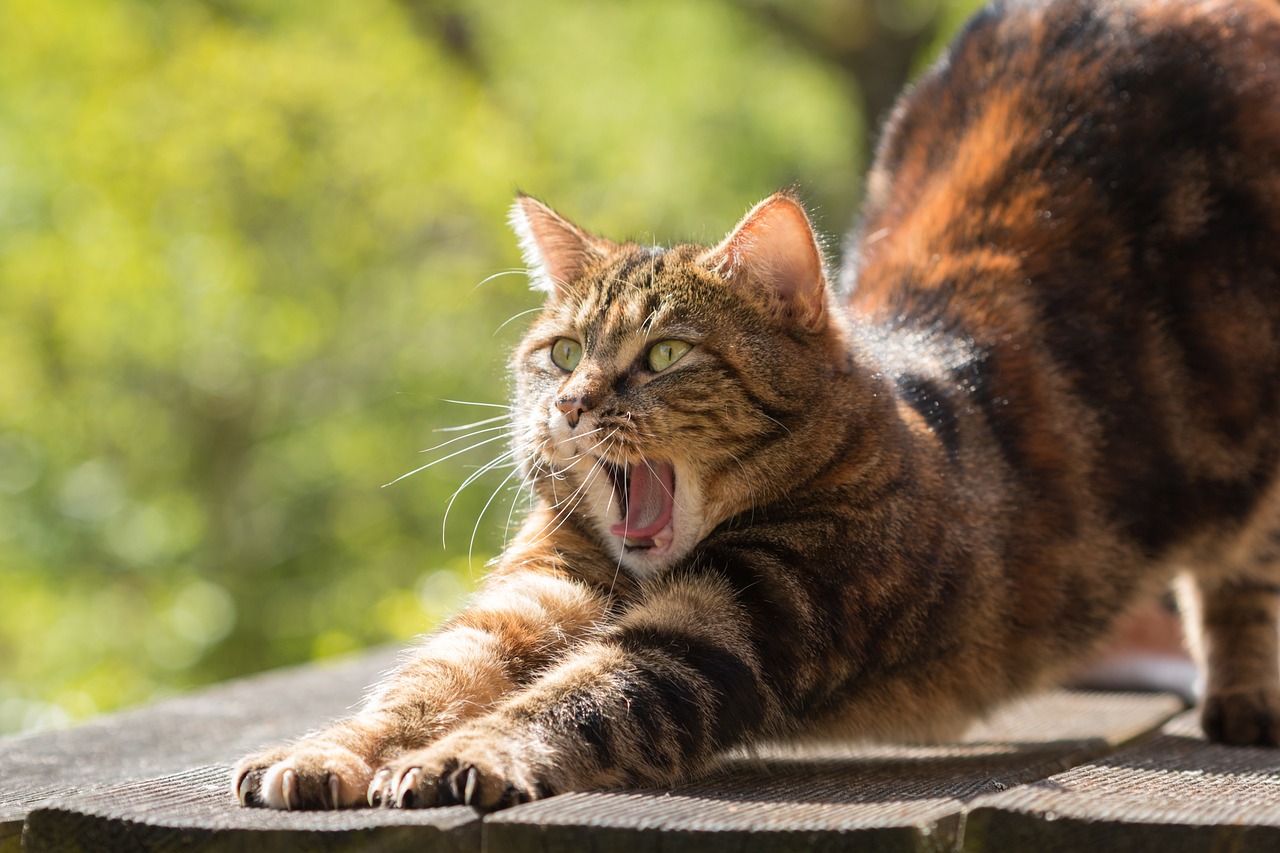
The Myth: Cats have an amazing ability to always land safely on their feet, so falls aren't dangerous.
The Reality: This dangerous misconception leads to many preventable injuries and deaths, particularly from high-rise syndrome.
Cats do possess a "righting reflex" that allows them to twist mid-air and attempt to land feet-first. However:
- They need sufficient time and distance to complete the rotation (generally 30cm to 1 meter minimum)
- Falls from very high distances (above 2 to 3 stories) cause severe injuries or death despite landing feet-first
- Falls from low heights (1 to 2 stories) may not give them enough time to right themselves
- Landing on feet doesn't prevent broken bones, internal injuries, or fatal trauma
Windows must be secured with screens or guards, and balconies need cat-proofing. Never assume your cat will survive a fall simply because they're a cat.
7. "Kittens Should Be Given Milk"

The Myth: Cats love milk, and it's good for them. Giving kittens cow's milk is a healthy treat.
The Reality: Most adult cats are lactose intolerant. After weaning, cats lose the enzyme lactase needed to digest lactose (milk sugar). Cow's milk can cause:
- Diarrhea and digestive upset
- Vomiting
- Gas and abdominal discomfort
- Dehydration from diarrhea
Orphaned kittens require special kitten milk replacement formula, never cow's milk. Adult cats should drink water as their primary beverage. If you want to offer a milk treat occasionally, use specially formulated lactose-free cat milk available at pet stores.
8. "Cats Can Live on Fish Alone"

The Myth: Cats are obligate carnivores who love fish, so a fish-only diet is perfect for them.
The Reality: While cats are indeed obligate carnivores, feeding exclusively fish causes serious health problems:
- Thiamine (Vitamin B1) deficiency: Many fish contain thiaminase enzyme that destroys thiamine, leading to neurological problems
- Mercury accumulation: Fish, especially larger species, contain mercury that accumulates over time causing toxicity
- Nutrient imbalances: Fish alone doesn't provide the complete nutritional profile cats need
- Potential hyperthyroidism link: Some research suggests excessive fish consumption may contribute to thyroid problems
Cats require a complete, balanced diet formulated to meet all their nutritional needs. Fish can be an occasional treat or protein source in a varied diet, but never the sole food source.
9. "Cats Don't Need Baths"

The Myth: Cats groom themselves perfectly and never need baths from humans.
The Reality: This is mostly true but with important exceptions. Healthy, young adult cats with normal-length fur typically maintain excellent hygiene through self-grooming alone. However, baths are sometimes necessary for:
- Senior cats: Older cats may struggle to groom hard-to-reach areas due to arthritis or reduced flexibility
- Obese cats: Overweight cats physically cannot reach certain body parts
- Long-haired cats: Breeds like Persians benefit from occasional bathing to prevent matting
- Sick or recovering cats: Illness can prevent normal grooming
- Cats with skin conditions: Medicated baths treat certain dermatological problems
- Cats with substances on fur: Anything sticky, toxic, or foul-smelling requires immediate bathing
Regular brushing helps most cats stay clean, but don't hesitate to bathe when genuinely needed.
10. "Cats Scratch Furniture Just to Be Naughty"

The Myth: Cats deliberately scratch furniture to be destructive, vengeful, or because they're badly behaved.
The Reality: Scratching is a completely natural, essential behavior that serves multiple biological purposes:
- Claw maintenance: Removes dead outer nail sheaths and keeps claws sharp and healthy
- Stretching: Extends and flexes muscles in legs, shoulders, and back
- Territory marking: Leaves visual marks and scent from glands in paw pads
- Stress relief: Physical release of tension and anxiety
- Exercise: Engages multiple muscle groups
Cats aren't being naughty, they're fulfilling biological needs. Providing appropriate scratching posts in strategic locations (near sleeping areas, entry points, favorite lounging spots) redirects this natural behavior away from furniture. Punishment doesn't work; environmental management does.
11. "A Purring Cat Is Always Happy"

The Myth: If a cat is purring, they're content and everything is fine.
The Reality: Purring is complex communication, not a simple happiness indicator. Cats purr in multiple contexts:
- Contentment: Yes, relaxed, happy cats often purr
- Anxiety or fear: Cats purr to self-soothe during stressful situations
- Pain or illness: Injured or sick cats frequently purr, possibly as pain management
- Comforting others: Mother cats purr to calm kittens; cats may purr to comfort humans
- Requesting attention: Some cats use purring as active communication to get what they want
Never assume a purring cat is necessarily happy or comfortable. Consider the entire context, body language, and situation. A cat purring at the vet with pinned ears and tense body is stressed, not content.
12. "Cats Don't Get Lonely"

The Myth: Cats are solitary creatures who prefer being alone and don't experience loneliness.
The Reality: Cats are socially flexible animals capable of forming strong bonds. While some cats prefer solitude, many genuinely experience loneliness, especially indoor-only cats left alone for long periods.
Signs of loneliness include:
- Depression-like symptoms (lethargy, loss of appetite)
- Excessive vocalization, especially when owners leave or return
- Destructive behavior from boredom
- Litter box problems
- Over-grooming or other stress behaviors
- Over-attachment and separation anxiety
Indoor cats especially need regular interaction, environmental enrichment, and mental stimulation. Some genuinely benefit from having a feline companion. Loneliness isn't anthropomorphization, it's a real welfare concern.
13. "Declawing Is Just Like Nail Trimming"

The Myth: Declawing is a simple procedure similar to trimming nails, just more permanent.
The Reality: This is extremely false and perpetuates a cruel practice. Declawing (onychectomy) is the surgical amputation of the last bone of each toe, equivalent to removing a human finger at the last knuckle.
Declawing causes:
- Chronic, lifelong pain
- Arthritis from altered walking mechanics
- Behavioral problems including aggression and fearfulness
- Litter box avoidance (digging hurts)
- Back and joint problems from compensatory movement
- Phantom pain and nerve damage
Declawing is illegal in the UK and many other countries because it's considered inhumane mutilation. Proper scratching post provision, regular nail trimming, and behavioral solutions address scratching without causing suffering.
14. "Cats Are Nocturnal"

The Myth: Cats are nocturnal animals, so nighttime activity and craziness is completely normal.
The Reality: Cats are crepuscular, not nocturnal. They're naturally most active during dawn and dusk, the times when their natural prey (rodents, birds) are most active.
Understanding this distinction helps explain:
- Why cats often have "zoomies" at 5 AM and 8 PM
- Why they seem to wake up and become active at twilight
- Why enrichment and play sessions scheduled for dawn/dusk satisfy them most
While cats can adapt their schedules somewhat to match human routines, their natural rhythm is biologically hardwired. Working with their crepuscular nature rather than fighting it reduces nighttime disturbances.
15. "Cats Can Handle Cold Weather Fine"

The Myth: Cats have fur coats, so they're naturally equipped to handle cold weather without problems.
The Reality: This dangerous myth leads to preventable suffering and death. Cats are vulnerable to:
- Hypothermia: Life-threatening drop in body temperature
- Frostbite: Tissue damage to ears, paws, and tail tips
- Respiratory infections: Cold weakens immune systems
- Dehydration: Frozen water sources prevent adequate hydration
Outdoor and indoor-outdoor cats need heated shelters, insulation, unfrozen water, and increased food during winter. Indoor temperatures should remain above 18°C (64°F) for cats. Never assume fur alone provides adequate protection from extreme cold.
Why Cat Misconceptions Matter

These misunderstandings aren't harmless trivia, they have real consequences:
Misconceptions lead to:
- Inadequate or improper care
- Delayed veterinary treatment when problems develop
- Preventable behavioral problems
- Chronic stress and reduced quality of life
- Serious health risks and shortened lifespans
- Damaged human-cat relationships
Understanding the truth improves:
- Human-cat bonding and communication
- Overall quality of life for cats
- Longevity and healthspan
- Safety and welfare
- Appropriate responses to behavior and health concerns
Cat misconceptions persist because cats are complex creatures whose behavior and needs differ significantly from dogs and other common pets. These myths often stem from outdated information, cultural traditions, or simple misunderstandings of feline nature. However, modern veterinary science and feline behavioral research have thoroughly debunked most common cat myths. Understanding the truth matters because it directly impacts how we care for our cats. Believing cats are low-maintenance leads to neglect. Thinking indoor cats don't need vet care results in undiagnosed diseases. Assuming cats always land safely causes preventable injuries. Each misconception carries real consequences for cat welfare. The good news? Accurate information is readily available from veterinarians, certified feline behaviorists, and evidence-based resources. By challenging these myths and basing our care on scientific understanding rather than folklore, we give our cats the healthy, enriched, safe lives they deserve. Question assumptions, seek expert guidance, and always prioritize your cat's actual needs over what tradition or popular belief suggests. Your cat can't advocate for themselves, so it's our responsibility to see past the myths and provide care based on facts.
This guide is based on current veterinary science, feline behavioral research, and expert recommendations from organizations including the American Association of Feline Practitioners, International Cat Care, and veterinary behaviorists. Individual cats may vary in their needs and characteristics. Always consult your veterinarian for personalized advice regarding your cat's care.