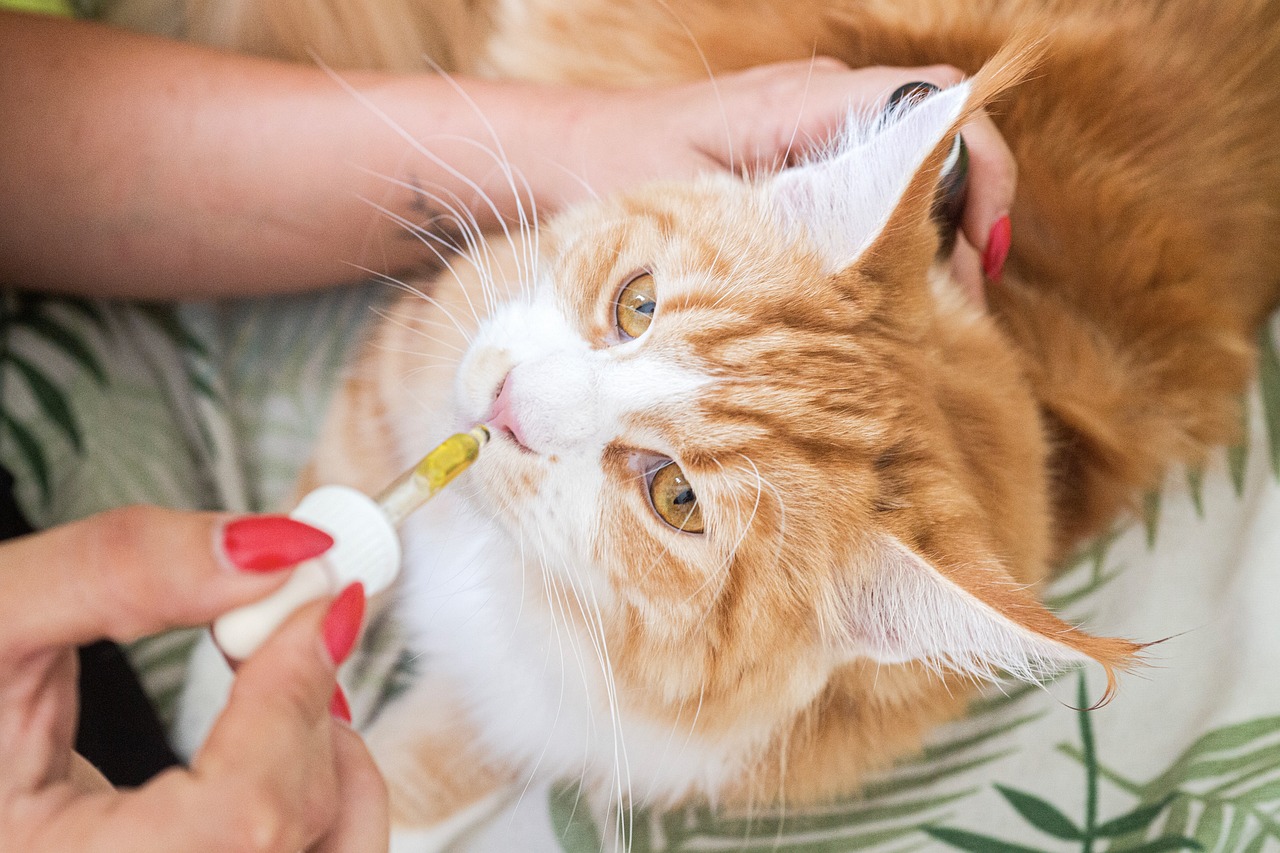
Giving medicine to a cat can feel daunting, and for good reason: one wrong decision can have serious or even fatal consequences. Unlike dogs or humans, cats have unique biology that makes them extremely sensitive to many common medications. What seems like a harmless painkiller to you could be lethal poison to your cat.
Understanding cat medicine isn't just helpful, it's essential for every cat owner. This comprehensive guide explains everything you need to know about feline medications, based on veterinary science, guidelines from the American Association of Feline Practitioners, and expert feline care standards. From understanding why cats need special medications to learning safe administration techniques, this guide covers the critical information that could save your cat's life.
Why Cats Need Special Medicine: The Critical Difference

Cats lack specific liver enzymes, particularly glucuronyl transferase, that humans and dogs possess. These enzymes are responsible for breaking down and eliminating many common drugs from the body. Without them, cats cannot metabolize medications the same way we do.
This fundamental biological difference makes cats extraordinarily sensitive to many medications that are perfectly safe for other species. Drugs that humans take routinely can accumulate to toxic levels in a cat's system, causing organ failure, neurological damage, or death.
The critical rule: Never, ever give cats human medications or dog medications unless explicitly prescribed by a veterinarian.
Never give your cat:
- Human painkillers (paracetamol, ibuprofen, aspirin)
- Cough syrups or cold medications
- Human antidepressants or anxiety medications
- Essential oils (even diffused in air)
- Dog medications (especially flea treatments)
- Human vitamins or supplements without vet approval
Even medications that seem gentle or natural can be deadly. When in doubt, always contact your veterinarian before giving your cat anything.
Types of Medicine Commonly Prescribed for Cats

1. Pain Relief Medications (Analgesics)
Pain management in cats requires cat-specific medications only. Veterinarians commonly prescribe:
- Buprenorphine: A powerful opioid pain reliever safe for cats, often given as liquid under the tongue
- Meloxicam (Metacam): An anti-inflammatory pain medication safe ONLY at veterinary-prescribed dosages for short-term use
- Gabapentin: Used for chronic pain, nerve pain, and pre-visit anxiety
- Robenacoxib (Onsior): A newer NSAID specifically developed for cats
Critical warning: Never give paracetamol (Tylenol/acetaminophen) to cats. It causes rapid liver failure, destroys red blood cells, and can kill a cat within hours. Even half a tablet can be fatal to a 3kg cat.
2. Antibiotics
Antibiotics treat bacterial infections only, not viral illnesses. Common safe antibiotics for cats include:
- Amoxicillin/clavulanic acid (Clavamox): Broad-spectrum antibiotic for various infections
- Doxycycline: Used for respiratory infections and tick-borne diseases
- Azithromycin: Effective for upper respiratory infections
- Cephalexin: Treats skin and soft tissue infections
- Metronidazole: Targets intestinal infections and certain parasites
Important antibiotic rules:
- Always complete the full prescribed course, even if your cat seems better
- Never use leftover antibiotics from previous illnesses
- Don't share antibiotics between pets
- Stopping antibiotics early causes antibiotic resistance
3. Deworming Medications

Different dewormers target specific parasites:
- Pyrantel pamoate: Treats roundworms and hookworms
- Praziquantel: Eliminates tapeworms
- Broad-spectrum products (Drontal, Milbemax): Cover multiple worm types
Kittens require regular deworming every 2 to 4 weeks until 6 months of age. Adult cats need deworming based on lifestyle and exposure risk.
4. Flea and Tick Prevention
Cat-specific flea prevention products include:
- Revolution (Selamectin): Topical treatment covering fleas, heartworm, ear mites, and some intestinal worms
- Advantage II: Topical flea treatment
- Frontline Plus (Fipronil): Kills fleas and ticks
- Bravecto (Fluralaner): Long-lasting oral or topical option
CRITICAL WARNING: Never use dog flea medicine on cats. Many dog products contain permethrin, which is extremely toxic to cats. Even small amounts cause seizures, tremors, hypersalivation, and death. Always verify the product is specifically labeled for cats.
5. Heartworm Prevention
Cats can contract heartworm disease, though less commonly than dogs. Safe feline preventatives include:
- Revolution (Selamectin): Monthly topical
- Advantage Multi: Monthly topical
Heartworm prevention is especially important in high-risk regions where mosquitoes are prevalent.
6. Anti-Anxiety Medications

For anxiety, fear, or stress-related disorders:
- Gabapentin: Commonly used for pre-vet-visit calming and travel anxiety
- Fluoxetine: Long-term treatment for chronic anxiety or compulsive behaviors
- Trazodone: Situational anxiety management
Anti-anxiety medications work best when combined with environmental management and behavioral modification techniques.
7. Digestive Medications
For vomiting, diarrhea, nausea, and digestive upset:
- Cerenia (maropitant): Powerful anti-nausea and anti-vomiting medication
- Ondansetron: Another anti-nausea option
- Famotidine (Pepcid): Reduces stomach acid (only with vet approval at correct dosage)
- Probiotics (Fortiflora, Pro-Kolin): Support healthy gut bacteria
8. Eye and Ear Medications
Common treatments for eye and ear conditions:
- Antibiotic eye drops (Fucithalmic, Terramycin): Treat bacterial eye infections
- Antiviral drops: Manage feline herpesvirus flare-ups
- Revolution (Selamectin): Treats ear mites
- Antifungal ear drops: Address yeast infections in ears
Dangerous Medications: What to NEVER Give Cats

These medications are toxic to cats and must be avoided completely:
Paracetamol/Acetaminophen (Tylenol, Calpol)
Causes rapid liver failure, destroys red blood cells (causing them to lose oxygen-carrying ability), and leads to death. Even tiny amounts are lethal. There is no safe dose for cats.
Ibuprofen (Advil, Nurofen)
Causes severe stomach ulcers, kidney failure, and death. Cats cannot metabolize NSAIDs designed for humans.
Aspirin
While occasionally used by vets in very specific situations at carefully calculated doses, aspirin should never be given at home without explicit veterinary instruction. Incorrect dosing causes bleeding disorders and organ damage.
Dog Flea Treatments Containing Permethrin
Permethrin is safe for dogs but catastrophically toxic to cats. It causes:
- Severe tremors and seizures
- Excessive drooling and hypersalivation
- Muscle twitching
- Respiratory distress
- Death if untreated
Always double-check that flea products are specifically labeled for cats.
Essential Oils

Many essential oils are toxic to cats, even when diffused in the air or used topically on humans in the home. Particularly dangerous oils include:
- Tea tree oil (melaleuca)
- Eucalyptus
- Peppermint
- Citrus oils
- Lavender (in concentrated form)
Cats lack the liver enzymes to process these compounds, leading to toxicity through skin contact, ingestion during grooming, or inhalation.
Human Antidepressants and Psychiatric Medications
Common accidental poisonings occur when cats ingest dropped pills. Medications like Prozac, Zoloft, Lexapro, and Effexor cause severe toxicity even from a single tablet, including:
- Serotonin syndrome
- Seizures
- Tremors and agitation
- Cardiovascular problems
Over-the-Counter Products That Can Be Safe

Some over-the-counter products can be safe when used correctly and with veterinary approval:
- Probiotics: Support digestive health
- L-lysine supplements: May help cats with feline herpesvirus
- Cat-specific electrolyte solutions: For mild dehydration
- Dental gels formulated for cats: Oral hygiene support
- Hairball remedies: Petroleum-based lubricants that help hair pass through
- Joint supplements (glucosamine/chondroitin): For arthritis support
Always check with your vet before starting any supplement or over-the-counter product. Dosing, quality, and appropriateness vary significantly.
How Veterinarians Determine the Right Medicine

Veterinarians prescribe medications based on multiple factors:
- Accurate weight: Dosing is calculated precisely based on kilograms
- Age: Kittens, adults, and seniors metabolize drugs differently
- Organ function: Kidney and liver tests ensure the cat can process the medication
- Underlying conditions: Other diseases affect drug choice and dosing
- Medication interactions: Some drugs shouldn't be combined
- Breed sensitivities: Certain breeds have genetic variations affecting drug metabolism
Cats cannot tolerate "close enough" dosages. Precision is essential because their small size and unique metabolism leave no room for error.
Why You Should Never Use Internet "Home Remedies"

The internet is full of dangerous advice about treating cats at home. Common harmful suggestions include:
- Coconut oil in ears: Can trap moisture and worsen infections
- Apple cider vinegar for infections: Acidic and painful on inflamed tissue
- Garlic for worms: Garlic is toxic to cats and causes anemia
- Hydrogen peroxide for inducing vomiting: Dangerous in cats; can cause severe esophageal damage
- Colloidal silver: Not proven effective and can cause toxicity
What works for humans, dogs, or even what sounds "natural" can severely injure or kill cats. Always consult a veterinarian rather than experimenting with home remedies found online.
How to Give Medication to a Cat: Expert Techniques

Administering medication doesn't have to be a battle. Here are proven techniques:
1. Hide Pills in Treats
Effective options include:
- Commercial pill pockets: Soft treats designed to hide pills
- Soft cheese: A tiny amount wrapped around the pill (check for lactose tolerance first)
- Wet food balls: Hide the pill inside a small ball of wet food
- Pill paste: Spreadable products that stick to pills
Give a plain treat first, then the pill-containing treat, followed by another plain treat. This "treat sandwich" often works well.
2. Administer Liquid Medications with Syringes
Technique for liquid medicines:
- Hold your cat gently but firmly
- Insert the syringe into the side of the mouth, aiming toward the cheek
- Dispense slowly to prevent choking
- Allow your cat to swallow between small amounts
- Never squirt directly down the throat
3. Request Compounded Medications
Ask your vet about compounding pharmacies that can create:
- Flavored medications (tuna, chicken, beef)
- Liquid versions of pills
- Transdermal gels absorbed through ear skin (bypassing the mouth entirely)
- Smaller pill sizes easier to swallow
4. Use the "Purrito" Technique
For difficult cats:
- Wrap your cat securely in a towel, leaving only the head exposed
- This prevents scratching while keeping the cat calm
- Administer the medication quickly and gently
- Reward with treats and praise immediately after
When to Call the Vet Immediately

Seek urgent veterinary help if:
- Your cat ingested ANY human medication: Even if you're unsure of the amount
- You applied dog medication by mistake: Particularly flea treatments
- Your cat shows poisoning symptoms: Drooling, shaking, vomiting, lethargy, seizures, difficulty breathing
- Multiple doses were missed: Some medications require consistent blood levels
- Condition worsens despite treatment: The medication may not be working or the diagnosis may need reassessing
- Severe side effects appear: Allergic reactions, collapse, extreme behavior changes
For poisoning emergencies, contact:
- Your veterinarian immediately
- Nearest emergency vet clinic
- Animal PoisonLine (UK): 01202 509000
Time is critical in poisoning cases. Don't wait to see if symptoms develop.
Cat medicine is effective and potentially life-saving when used correctly, but dangerous and even fatal when misused. The fundamental principle every cat owner must understand is this: cats are not small dogs or tiny humans. Their unique biology, specifically their lack of certain liver enzymes, makes them extraordinarily sensitive to medications that other species tolerate easily. Never assume that a medication safe for you, your dog, or even "natural" remedies are safe for your cat. The consequences of this assumption can be catastrophic. Always consult your veterinarian before giving your cat any medication, supplement, or remedy. Follow prescribed dosages exactly, complete full courses of antibiotics, and never share medications between pets or save leftovers for future use. Learn to recognize the signs of medication poisoning and know your emergency contact numbers. When in doubt, call your vet. It's far better to ask a question that seems obvious than to administer something that harms your cat. With proper veterinary guidance, appropriate cat-specific medications, and careful administration techniques, you can safely manage your cat's health conditions and ensure they receive the treatment they need without unnecessary risk.
This guide is based on veterinary medical standards and feline pharmacology principles. Individual cats may have unique health considerations affecting medication choices. Always consult your veterinarian before administering any medication, supplement, or treatment to your cat. In emergencies, contact your vet or emergency veterinary clinic immediately.