One minute your cat is purring contentedly on your lap, the next they're sinking their teeth into your hand. Sound familiar? Cat bites confuse many owners because they seem to come out of nowhere. But here's the thing: cats rarely bite without reason. Their bites are usually rooted in natural feline behavior, communication, and emotional signals that we humans often miss.
Understanding why your cat bites is the first step to stopping it. This guide explains the real reasons behind cat bites, how to tell the difference between playful nipping and aggressive biting, and most importantly, how to prevent unwanted biting safely and effectively.
1. Play Biting (The Most Common Reason)

Kittens and young cats often bite because they're learning how to control their teeth and claws. This is called play aggression, and it's a completely normal part of feline development. In the wild, kittens learn bite inhibition from their mothers and littermates. When they bite too hard during play, their siblings yelp and stop playing, teaching them to be gentler.
The problem? Many kittens are separated from their families before learning this lesson fully, and they don't automatically understand that human skin is more delicate than cat fur.
Why Play Biting Happens:
- Cats are practicing their natural hunting skills through play
- They get overstimulated and overexcited during fun
- They haven't learned bite inhibition yet
- They're bored or under-stimulated and looking for entertainment
Signs It's Play Biting (Not Aggression):
- Ears are forward or in a neutral position
- No growling, hissing, or aggressive vocalizations
- Fast, bouncy, energetic movements
- Swatting with paws, but claws retracted or gentle
- Quick, soft bites that don't break skin
- The cat seems happy and playful, not angry
How to Fix Play Biting:
Stop using your hands as toys. This is the single most important rule. Your hands should never be prey. Even if it's cute when they're tiny kittens, it teaches them that biting hands is acceptable, and those bites will hurt a lot more when they're adults.
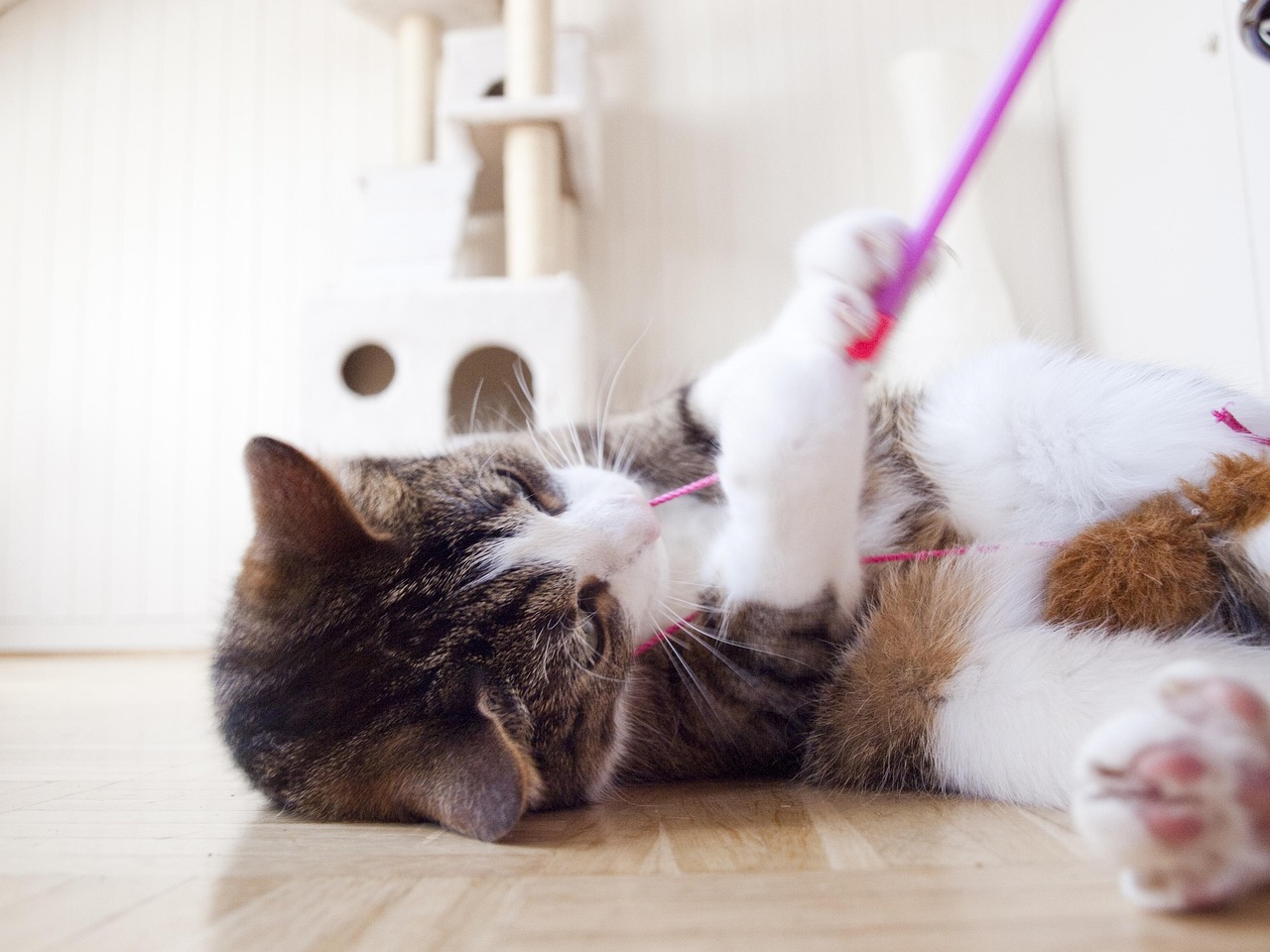
Redirect their energy. Keep interactive toys nearby (wand toys, feather teasers, springs, tunnels, kicker toys). The moment your cat goes for your hand, redirect them to the toy instead. Make the toy more exciting than your fingers.
Provide daily structured play sessions. Aim for 10 to 15 minutes of active play twice a day. A tired cat is a well-behaved cat. Regular play burns off excess energy that might otherwise get channeled into ambushing your ankles.
2. Overstimulation Bites (Petting-Induced Biting)

Ever been happily petting your cat when suddenly they whip around and bite you? You've just experienced petting-induced aggression, also known as overstimulation biting. Some cats genuinely enjoy petting, but only for a limited time. When they reach their threshold, they bite to communicate "that's enough now."
Why Cats Get Overstimulated:
- Their skin is naturally sensitive, especially in certain areas
- Spots like the belly, lower back, and tail base can feel intense or ticklish
- Static electricity can build up on their fur during petting
- Prolonged repetitive touching overwhelms their nerves
- Some cats simply have lower tolerance for physical contact
Warning Signs BEFORE the Bite:
Most cats give subtle signals before they bite. Learn to recognize these and you'll avoid most overstimulation bites:
- Tail starts flicking or twitching (especially the tip)
- Skin ripples or twitches along their back
- Ears turn sideways or flatten slightly
- Sudden stillness (they freeze and stop purring)
- Pupils dilate (eyes get wider)
- They turn their head to look at your hand
What to Do:
Keep petting sessions short. Some cats max out at 30 seconds, others can handle 5 minutes. Learn your individual cat's tolerance.
Focus on "safe zones." Most cats prefer being petted around the cheeks, chin, and forehead. Avoid the belly, tail base, and back legs unless you know your cat loves it.
Stop immediately when you see early warning signs. Don't push through the signals. If their tail starts flicking, stop petting and give them space. They'll appreciate your respect for their boundaries.
3. Fear Biting (Defensive Aggression)

When cats feel trapped, scared, or threatened, they bite to defend themselves. This is pure survival instinct. A frightened cat isn't being "mean," they genuinely believe they're in danger and fighting for their life.
Common Fear Biting Triggers:
- Loud, sudden noises (vacuum cleaners, fireworks, thunderstorms)
- Unfamiliar people or children
- Being picked up suddenly or restrained
- Quick movements or being cornered
- Rough handling or painful interactions
- Stressful situations like vet visits or car rides
Clear Signs of Fear Biting:
- Hissing, growling, or yowling
- Arched back with fur standing up (Halloween cat pose)
- Ears flattened completely against the head
- Pupils dilated to almost fully black
- Backing away or trying to escape
- Body low to the ground, ready to flee
What to Do:
Give the cat space immediately. Don't try to comfort or pick up a frightened cat. They need distance to feel safe again.
Never force interaction. Let the cat come to you when they're ready. Forcing contact with a scared cat will only reinforce their fear and make biting more likely.
Provide safe hiding spots. Make sure your cat has access to high perches, covered beds, or quiet rooms where they can retreat when stressed.
Use calming techniques. Slow blinking, soft voices, and sitting calmly nearby (but not hovering) can help. Consider feline pheromone diffusers like Feliway for chronically anxious cats.
4. Redirected Aggression

This is one of the most dangerous types of biting because it seems completely unprovoked. Redirected aggression happens when a cat becomes agitated by something they can't reach (like a stray cat outside the window) and then immediately attacks the nearest person or pet instead.
Think of it like this: your cat is wound up with adrenaline and frustration, and you just happened to be in the wrong place at the wrong time. They're not mad at you specifically, but you became the target for their pent-up aggression.
Common Triggers:
- Seeing another cat through the window
- Frustration from watching prey they can't catch (birds, squirrels)
- Sudden loud noises (dogs barking, construction, sirens)
- Conflict with another pet in the home
- Resource guarding (protecting food, toys, or favorite spots)
What to Do:
Never touch a cat showing redirected aggression. Their adrenaline is sky-high and they're not thinking clearly. Even the gentlest cat can cause serious injury in this state.
Let them cool down. Leave the room calmly and give them 30 to 60 minutes to decompress completely. Don't try to comfort or approach them during this time.
Block visual triggers. If outdoor cats are the problem, close curtains or blinds. Use window film or rearrange furniture to block their view.
Increase environmental enrichment. Bored, under-stimulated cats are more prone to redirected aggression. Puzzle feeders, climbing structures, and regular play sessions help reduce overall stress and frustration.
5. Pain-Related Biting

A normally gentle, tolerant cat that suddenly starts biting may be in pain. Cats instinctively hide illness and discomfort, so biting when touched can be their way of saying "that hurts, stop."
Possible Medical Causes:
- Dental disease or tooth pain (very common in cats)
- Arthritis, especially in older cats
- Ear infections
- Skin conditions or irritation
- Injuries or wounds
- Gum disease or mouth ulcers
- Digestive issues or tummy pain
Warning Signs Your Cat May Be in Pain:
- Biting when touched in specific areas (like hips, back, or belly)
- Increased hiding or withdrawal
- Decreased appetite or difficulty eating
- Limping, stiffness, or reluctance to jump
- Changes in grooming habits (over-grooming or neglecting grooming)
- Vocalization when picked up or touched
If biting behavior is new or sudden, a vet check is strongly recommended. Don't assume it's just behavioral. Pain-related aggression resolves once the underlying medical issue is treated.
6. Teething (In Kittens)

Kittens between 2 and 6 months old go through a teething phase as their baby teeth fall out and adult teeth come in. Just like human babies, this process causes mouth discomfort and an overwhelming urge to chew on everything, including you.
How Teething Feels for Kittens:
- Sore, itchy gums
- Constant urge to chew and gnaw
- Mild discomfort that's relieved by biting
What to Do:
Provide kitten-safe chew toys. Soft rubber toys, fabric kickers, and small plush toys give them something appropriate to sink their teeth into.
Avoid hand play completely during this phase. Teething kittens don't yet understand gentle vs rough, so keep fingers away from mouths entirely.
Rotate toys regularly. Keep teething toys interesting by swapping them out every few days. A "new" toy is always more exciting.
The good news? Teething biting is temporary. Once their adult teeth are in (around 6 to 7 months), this urge naturally decreases.
7. Attention-Seeking Bites

Some clever cats learn that giving you a small nip gets an immediate reaction. Whether you yell, jump up, or give them what they want, they've successfully trained you to respond to biting. This is especially common in bored cats who've figured out that biting equals attention.
Why Cats Use Attention-Seeking Bites:
- They want to be fed (especially around mealtimes)
- They want playtime and you're ignoring them
- They want you to move, follow them, or open a door
- It worked before, so they keep trying
How to Fix It:
Completely ignore the bite. Give zero reaction. No sound, no eye contact, no pushing them away. Simply stop what you're doing and become a statue. Walk away if necessary.
Reward calm, gentle behavior instead. When your cat approaches you without biting, immediately give them attention, treats, or play. Show them that polite behavior gets results, biting doesn't.
Increase daily stimulation. A cat that bites for attention is often a bored cat. Add more play sessions, puzzle feeders, window perches, and interactive toys to their routine.
How to Stop Unwanted Biting: The Complete Strategy

Now that you understand why cats bite, here's your action plan for stopping unwanted biting behavior:
1. Stop Using Your Hands as Toys
This cannot be stressed enough. Hands are for gentle petting, not prey. Never wiggle your fingers, dangle your hands, or encourage your cat to "attack" them. Cats don't understand that your hands should be treated differently than toys, so teach them from day one that hands are off-limits for biting.
2. Redirect Their Energy
Keep interactive toys within easy reach at all times. Wand toys, feather teasers, balls, tunnels, and kicker toys give your cat appropriate outlets for their hunting instincts. The second your cat goes for your hand, redirect them to a toy instead.
3. Reward Gentle Behavior
Positive reinforcement works brilliantly with cats. When your cat chooses to use paws gently or plays without biting, immediately reward them with treats, praise, or their favorite toy. They'll quickly learn that gentle behavior gets good things.
4. Know Your Cat's Limits
Every cat is different. Learn what type of touch your cat loves and what they can't stand. Some cats adore belly rubs, others will bite if you even look at their stomach. Respect their individual preferences and boundaries.
5. Provide Daily Enrichment
A bored cat is a bitey cat. Mental and physical stimulation prevents boredom-related behavior problems. Try:
- Puzzle feeders and treat-dispensing toys
- Window perches for bird watching (cat TV!)
- Scent enrichment games (hide treats around the house)
- Climbing shelves and cat trees
- Rotating toys to keep things fresh
- Daily play sessions, at least 10 to 15 minutes twice a day
6. Never Yell, Hit, or Punish
Physical punishment or yelling doesn't teach cats anything except to fear you. It increases stress, makes fear biting more likely, and damages your bond. Instead, use redirection and positive reinforcement. If your cat bites, calmly end the interaction and walk away. That's consequence enough.
When to Seek Professional Help
Most cat biting can be managed at home with patience and the right approach. However, some situations require professional help:
- Sudden onset biting: If your previously gentle cat suddenly becomes aggressive, see your vet first to rule out pain or illness
- Severe biting: Deep puncture wounds, bites that regularly break skin, or attacks that cause significant injury
- Unpredictable aggression: If you can't identify triggers or the biting seems random and dangerous
- Biting directed at children: Always take this seriously and seek immediate professional guidance
- Fear-based aggression that's worsening: If your cat is becoming more fearful and defensive over time
Start with your veterinarian to rule out medical causes. If health issues are ruled out, ask for a referral to a certified feline behaviorist. These professionals specialize in cat behavior and can create a customized plan for your specific situation.
Cats bite for many reasons: play, communication, fear, pain, or overstimulation. The key is understanding your cat's body language and recognizing the warning signs before bites happen. Once you identify the triggers, preventing bites becomes much easier. With patience, proper redirecting, daily enrichment, and respect for your cat's boundaries, most cats learn gentler ways to interact. Remember, your cat isn't biting to be mean or spiteful. They're communicating in the only way they know how. Your job is to listen to what they're telling you and respond appropriately. Most biting problems can be solved with time, consistency, and understanding. The result? A happier cat and far fewer bandages on your hands!
This information is based on feline behavior research and veterinary guidance. Individual cats may have different triggers and responses. If biting is severe, sudden, or causing injury, always consult your veterinarian first to rule out medical causes, then consider working with a certified feline behaviorist.