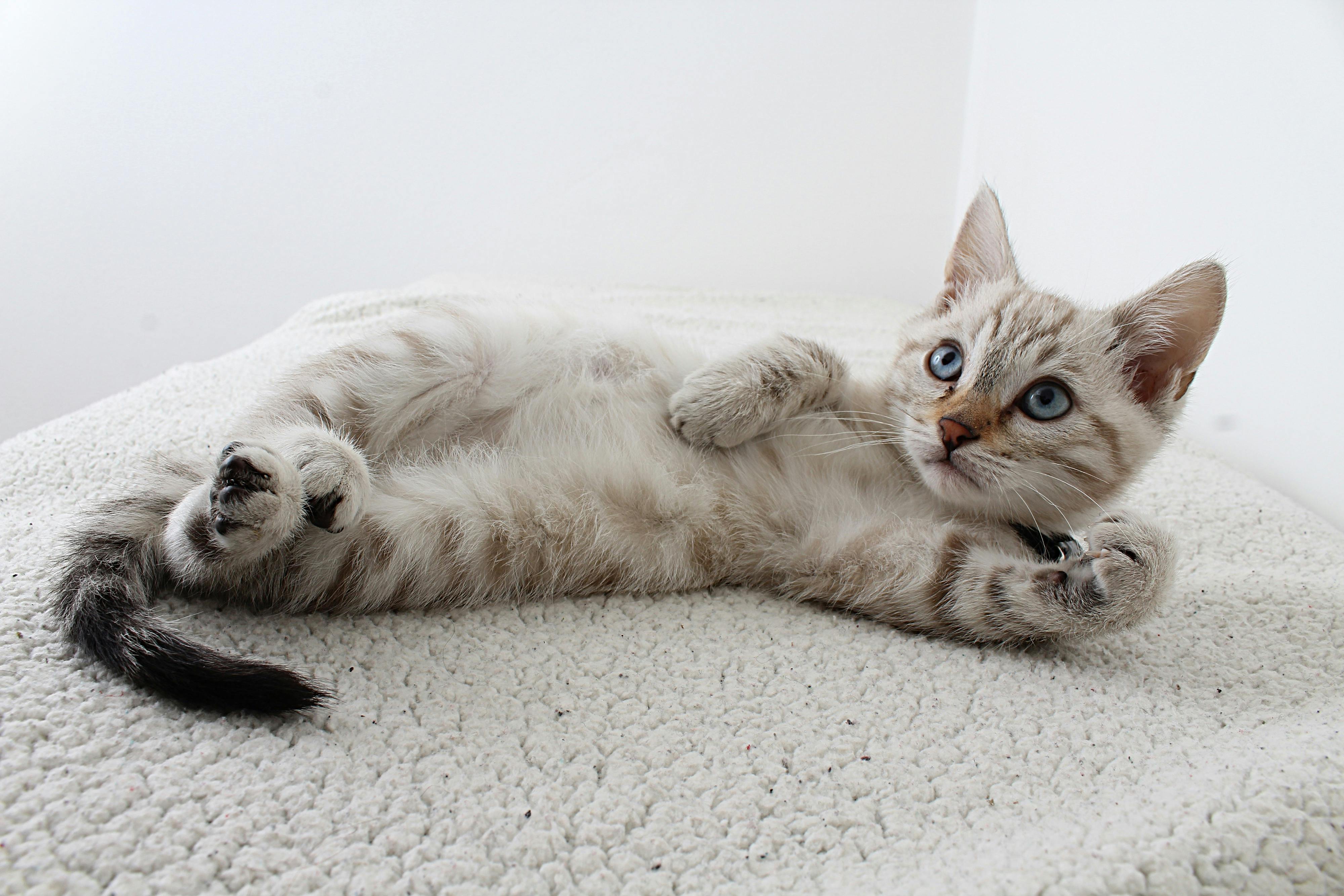
Ever wondered what your cat is really trying to tell you? Those purrs, head bumps, and tail twitches aren't random; they're your cat's way of communicating. Understanding these behaviors can strengthen your bond and help you respond to your cat's needs better. Let's decode the secret language of cats!
1. Purring: It's Not Always About Happiness
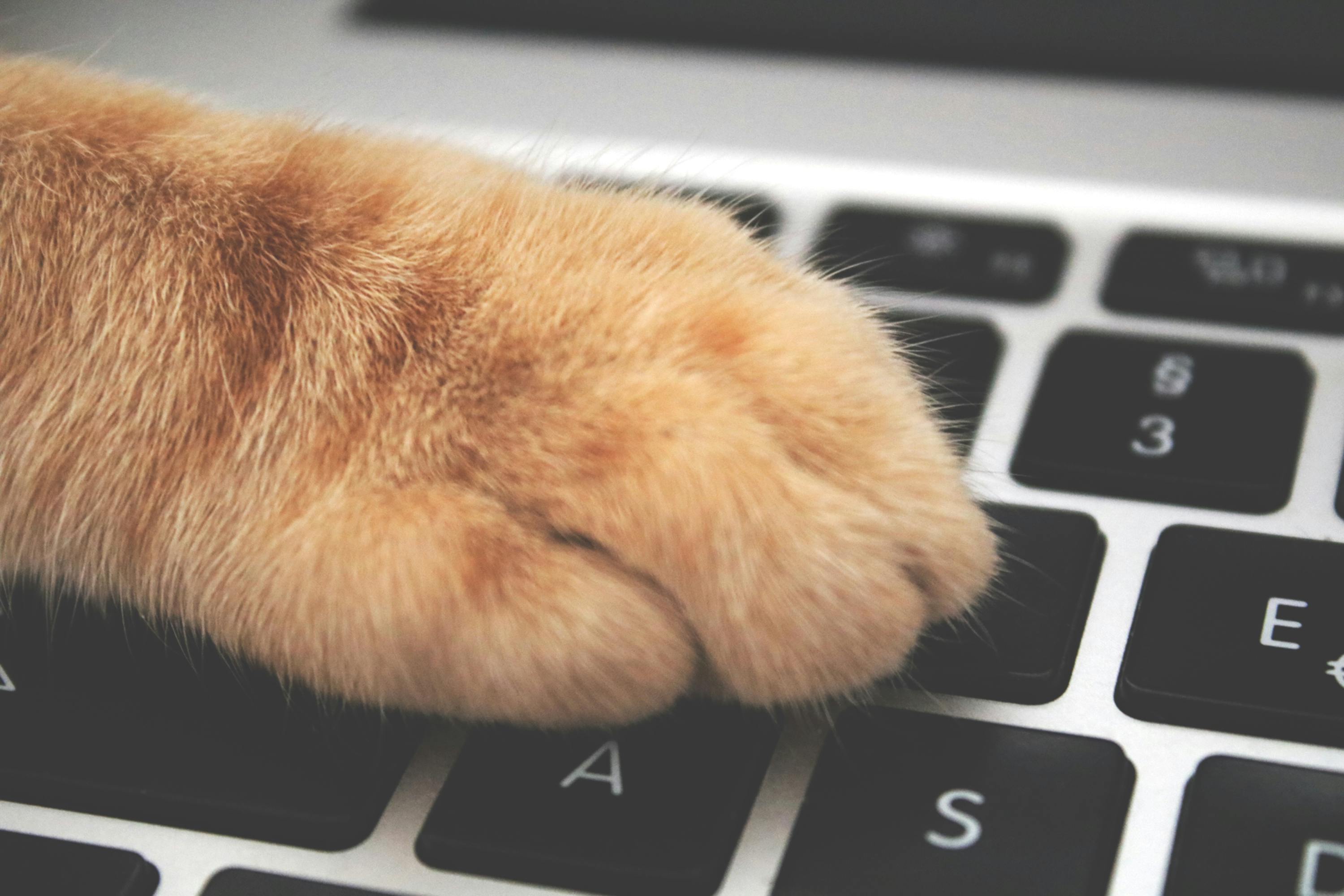
Purring is probably the most iconic cat sound, but it doesn't always mean your cat is happy. Cats purr for multiple reasons: when they're content, yes, but also to self-soothe when they're stressed or even in pain.
Why they do it: Purring starts in kittenhood. Kittens purr while nursing to stimulate milk flow from their mother.
What it signals:
- A soft, rhythmic purr usually means contentment and relaxation
- A louder, more insistent purr can indicate stress, anxiety, or discomfort
2. Kneading (Also Known as "Making Biscuits")

That adorable motion where your cat pushes their paws in and out against you (or a blanket) is called kneading. It's one of the sweetest behaviors cats display.
Where it comes from: Kneading is an instinctive behavior from kittenhood. Kittens knead their mother's belly to stimulate milk flow while nursing.
What it means now:
- For adult cats, kneading is usually a sign of trust and contentment
- It's also a way to mark territory; cats have scent glands in their paws that release pheromones when they knead
- If your cat kneads you, consider it a compliment. They feel safe and happy with you!
3. Head Bunting (Scent Marking)
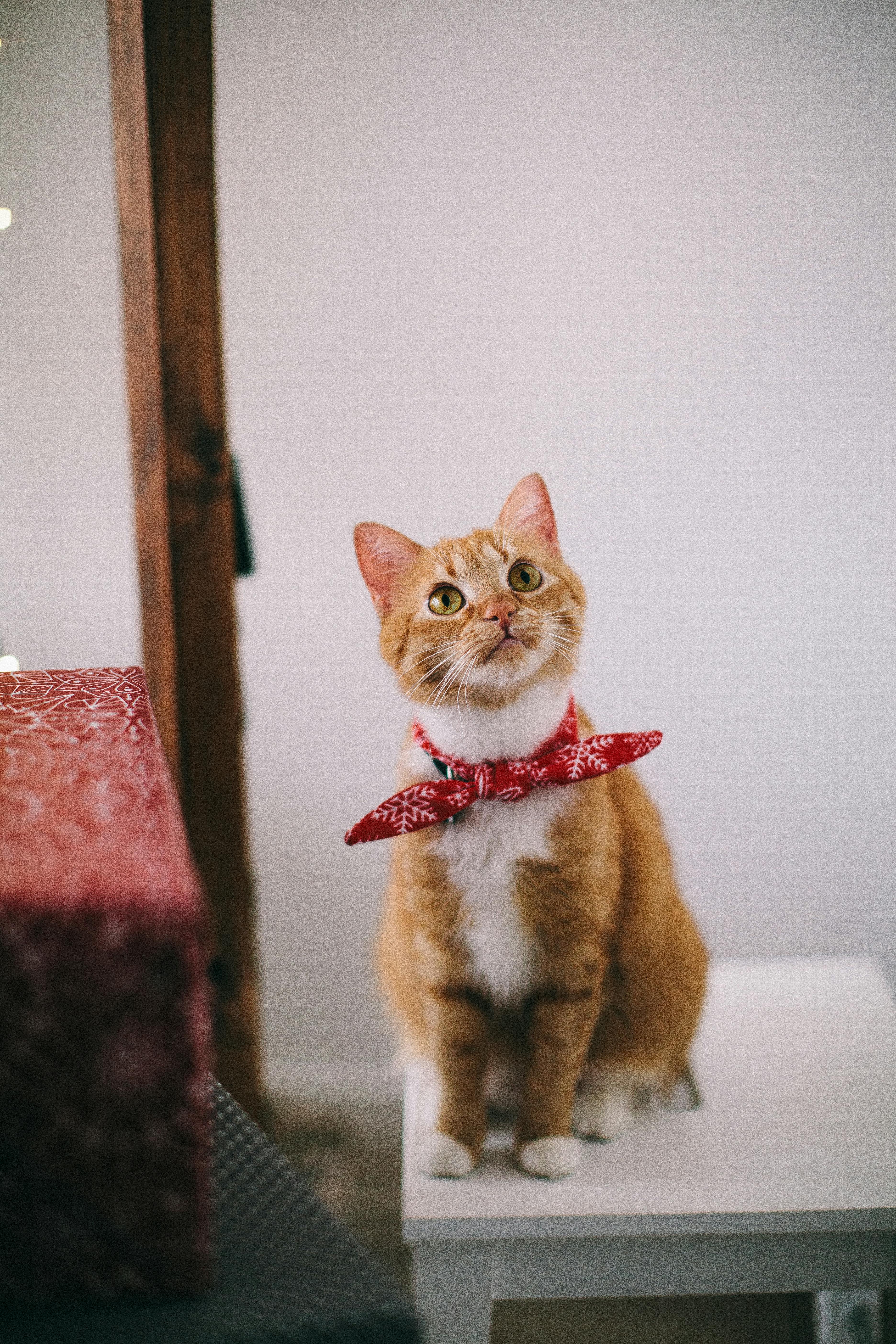
When your cat gently bumps or rubs their head against you (or furniture), it's called bunting or "head-butting."
What's happening: This isn't aggressive at all. Your cat is spreading pheromones from scent glands located on their cheeks and head to mark you as "safe" or "theirs."
What it means: According to feline behavior experts, a head bunt is a positive social signal. It's an expression of trust, affection, and bonding. Your cat is basically saying, "You're mine, and I love you."
4. Tail Language: Reading the Emotional Flag

Your cat's tail is like an emotional barometer. Pay attention to its position and movement; it tells you a lot about how they're feeling.
Tail signals:
- High, quivering tail: Friendly greeting or excitement. Your cat is happy to see you!
- Slow flicking or twitching: Often means concentration (like when they're about to pounce) or mild irritation
- Rapid tail thrashing or lashing: Warning sign. Your cat might be overstimulated, angry, or fearful
- Tucked tail: Fear or submission
- Puffed-up tail: Your cat feels threatened and is trying to look bigger
5. Ear and Body Posture Signals
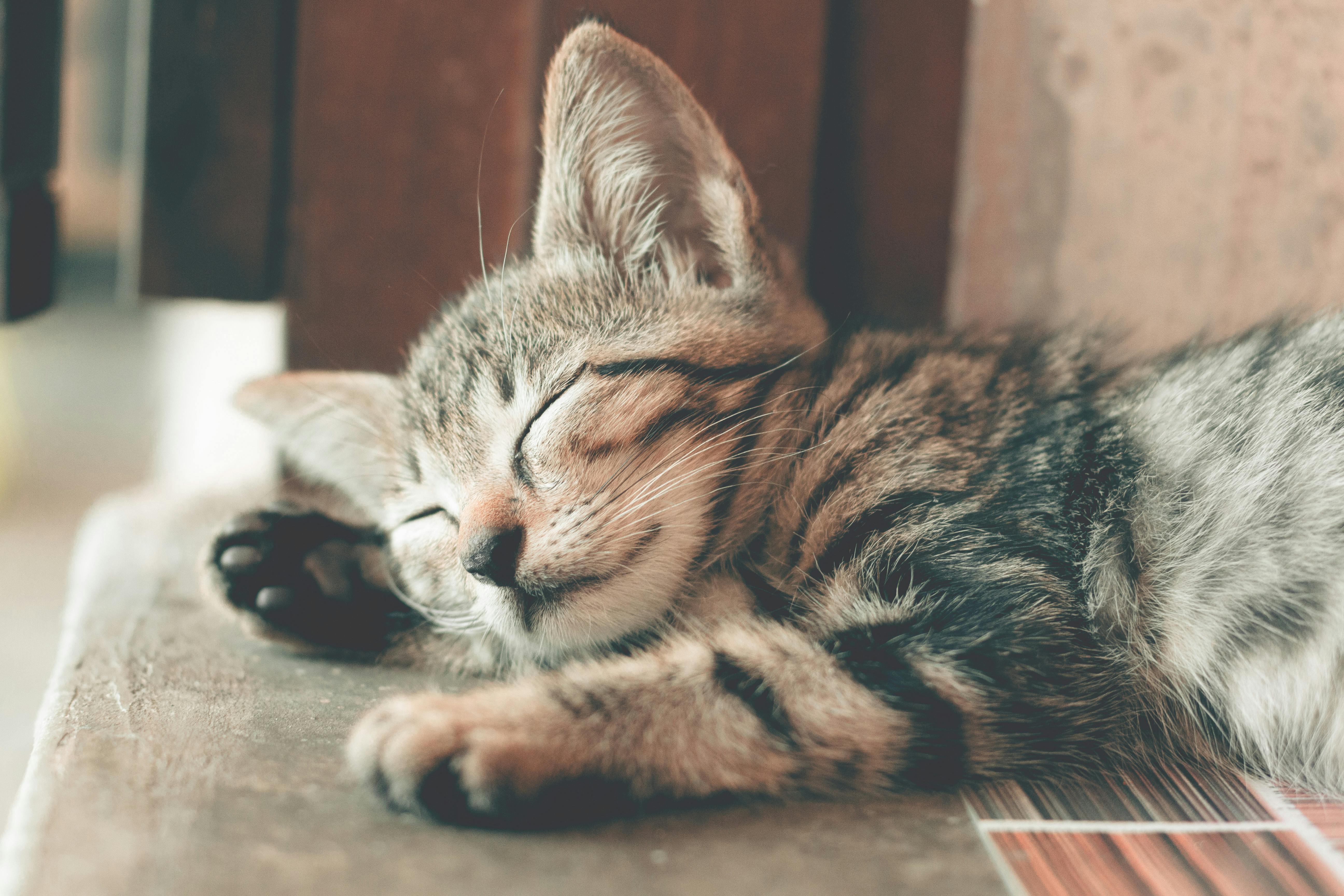
A cat's ears, back, and overall posture give strong clues about their emotional state.
What to look for:
- Ears forward: Curious, playful, or interested in something
- Ears pinned back (flattened): Fear, aggression, or discomfort. Back off and give them space
- Arched back with puffed fur: Defensive or frightened. They're trying to make themselves look bigger to scare off threats
- Rolling on back: Can be an invitation to play, but doesn't always mean "pet my belly"; it depends on their mood!
6. Vocalizations: Meows, Chirps, Hisses and More
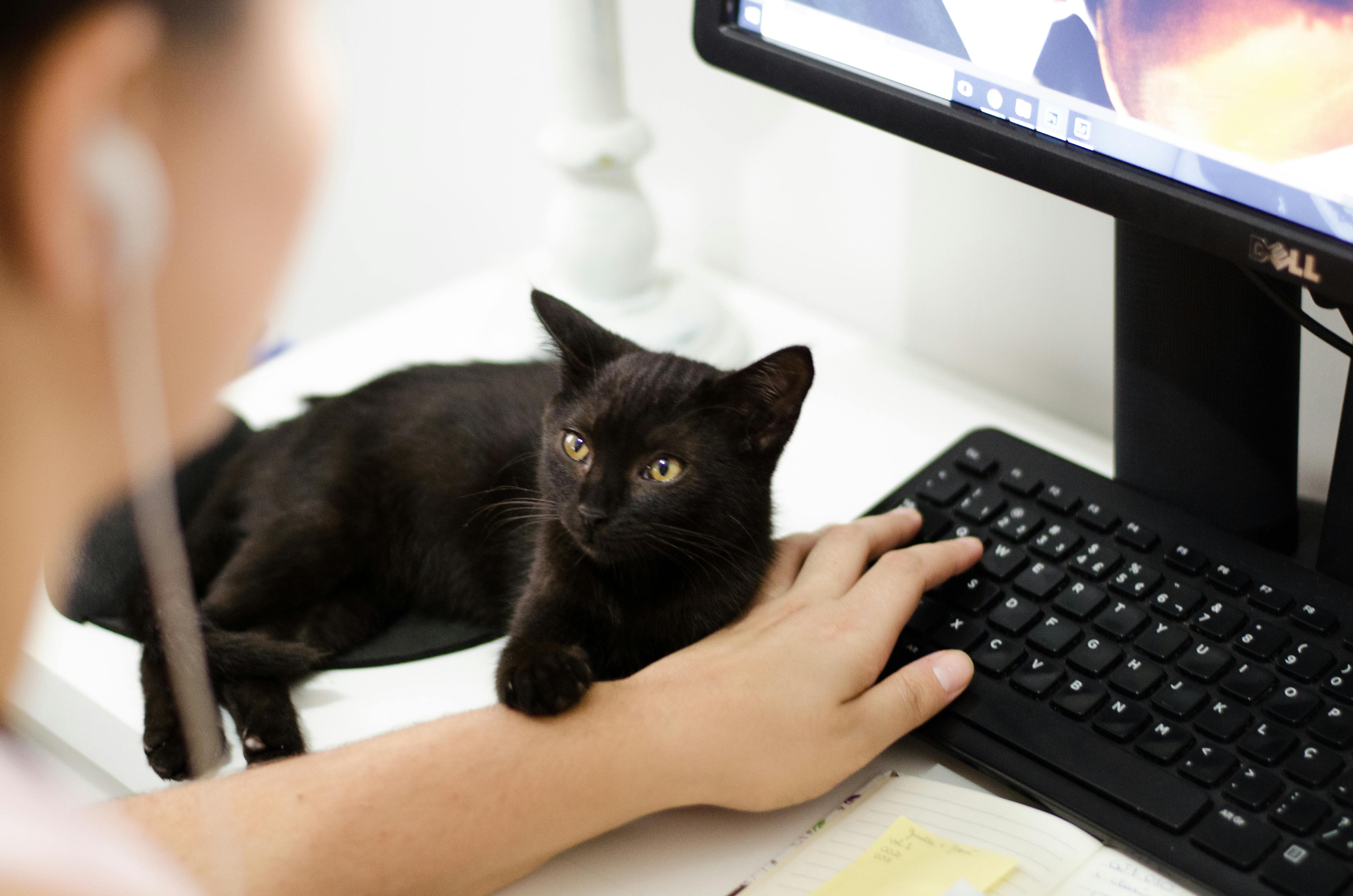
Cats don't just speak with their bodies; their voices are a big part of their communication toolkit.
Common sounds and what they mean:
- Meowing: Primarily a way to talk to humans (adult cats rarely meow at each other). Different tones can mean greetings, requests, or complaints
- Trilling or chirping: Those cute, bird-like sounds often happen when your cat is watching prey through the window. They might be excited or frustrated
- Hissing or growling: Clear signals of fear or aggression. Your cat is warning you (or another animal) to back off
- Yowling: Can indicate distress, mating behavior, or disorientation (especially in older cats)
7. Slow Blinks: The "Cat Kiss"
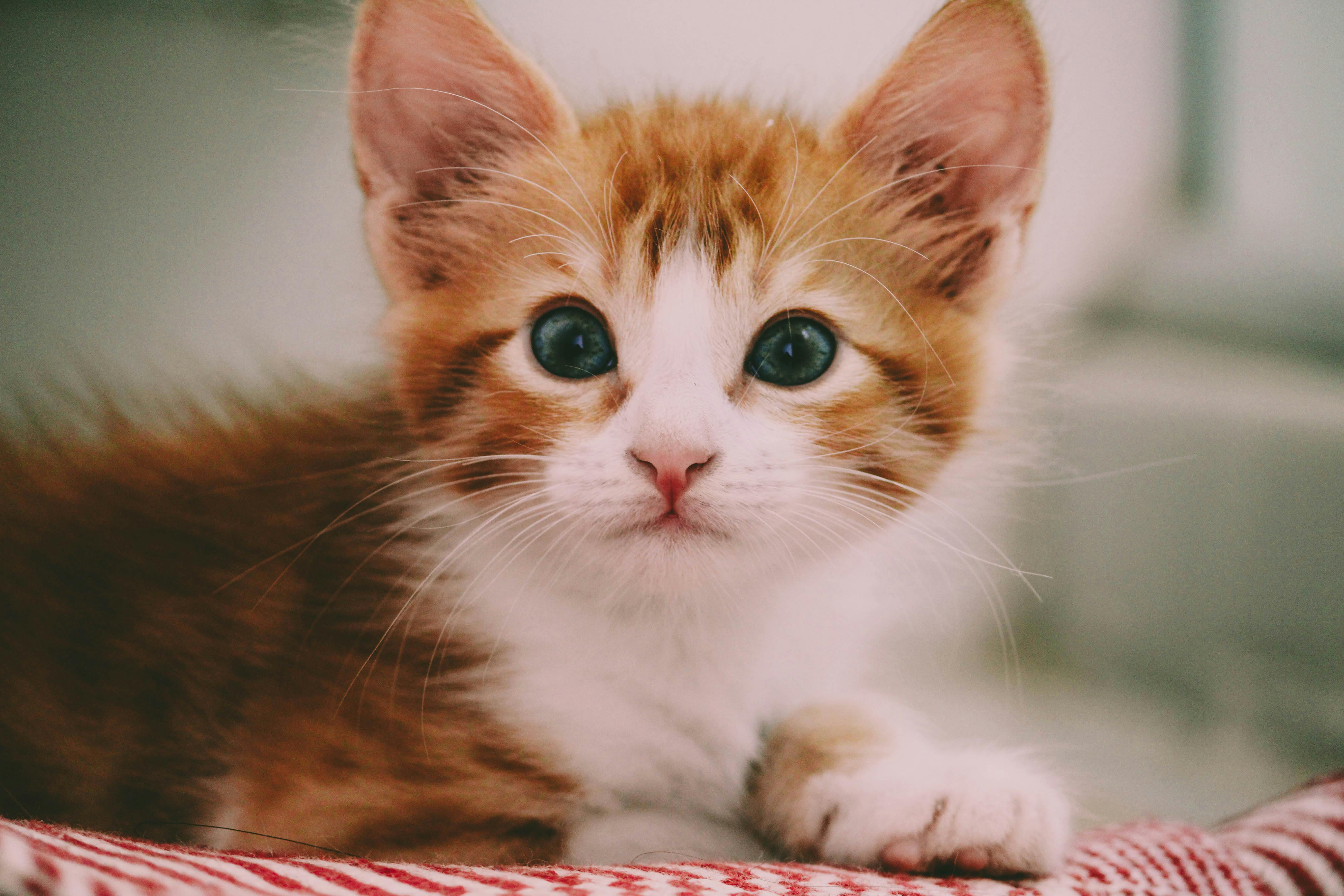
When a cat slowly blinks at you, it's actually a sign of affection and trust. Feline behavior experts call this the "cat kiss."
What it means: Slow blinking is your cat's way of saying, "I feel safe around you." You can even slow blink back at your cat to communicate the same feeling!
Try it: Make eye contact with your cat and slowly close and open your eyes. Many cats will blink back, strengthening your bond.
8. The Belly Trap: Why Cats Show Their Tummy

If your cat rolls over and shows you their belly, it's tempting to give it a rub. But be careful; it's not always an invitation!
What it might mean:
- Relaxed vulnerability: They feel safe enough around you to expose their most vulnerable area
- Play position: Especially if they wiggle their back legs before pouncing, they might be inviting play, not petting
Many cats will bite or scratch if you try to pet their belly, even when they show it. It's a reflex to protect their vulnerable stomach area.
9. Overstimulation During Petting

Even when your cat seems to love being petted, there's usually a limit. Watch for these warning signs of overstimulation:
- Twitching tail or rapid tail flicks
- Sudden changes in body posture
- Ears turning back
- Skin rippling along their back
- Growling, biting, or swatting
These are your cat's way of saying, "Okay, that's enough for now, human." Respect these signals to avoid getting scratched or bitten.
One cat owner shared this online: "He can be kneading and purring, but at the same time his tail is wagging; it's like he's conflicted." This perfectly captures how cats can send mixed signals when they're reaching their limit.
Why Understanding Cat Behavior Matters

Learning to read your cat's body language and vocalizations isn't just interesting; it's practical and beneficial for both of you.
Benefits of understanding cat behavior:
- Builds trust: Knowing what your cat is "saying" makes your bond stronger
- Prevents misunderstandings: Recognizing warning signals means fewer bites, scratches, and stressful situations
- Improves care: Understanding their needs helps you create a better environment; more playtime, safe spots, and stress relief
- Better health monitoring: Changes in behavior can be early warning signs of illness or discomfort
Cats are complex, instinct-driven creatures. Their behaviors, from kneading to head bunting, are rooted in both their evolutionary past and their unique personalities. By learning to read their signals, you're not just communicating better; you're offering them the respect, safety, and love they deserve. Pay attention, be patient, and enjoy the journey of understanding your feline friend!
Understanding cat behavior takes time and observation. Every cat is unique, so what works for one might not work for another. Be patient and let your cat guide you.
