Cats have very different metabolisms than humans. Some foods that are perfectly harmless to us can make them seriously sick or even be fatal. As a cat owner, it's crucial to know which foods to keep away from your feline friend. This guide covers the most dangerous foods for cats and explains why they're toxic.
1. Onions, Garlic, and Other Allium Vegetables

Plants like onions, garlic, leeks, chives, and shallots contain sulfur compounds that damage cats' red blood cells. This can lead to hemolytic anemia, where the red blood cells break down faster than they should.
Why it's dangerous: These compounds attack red blood cells, causing them to rupture. Garlic is actually five times more toxic than onions.
All forms are toxic: Raw, cooked, powdered, or dried. Onion and garlic powder in seasonings are especially dangerous because they're so concentrated.
Symptoms to watch for:
- Weakness and lethargy
- Pale gums
- Vomiting
- Rapid breathing
- Orange to dark red urine
2. Chocolate

Chocolate contains theobromine and caffeine, stimulants that cats cannot metabolize properly. Just like with dogs, chocolate is toxic to cats.
Why it's dangerous: Cats absorb theobromine slowly, so even small amounts can build up and become toxic.
Dark chocolate is worse: The higher the cocoa content, the more dangerous it is. Baker's chocolate and dark chocolate are especially toxic, while milk chocolate is less so (but still harmful).
Symptoms include:
- Vomiting and diarrhea
- Tremors and muscle twitching
- Seizures
- Abnormal heart rhythms
- High body temperature
- Increased thirst
3. Caffeine (Coffee, Tea, Energy Drinks)

Caffeine from coffee beans, tea, energy drinks, and sodas can be dangerous for cats. Cats are much more sensitive to caffeine than humans.
Why it's dangerous: Caffeine is a stimulant that affects the central nervous system and heart.
Symptoms include:
- Restlessness and hyperactivity
- Rapid heart rate
- Tremors
- Difficulty breathing
- Collapse in severe cases
4. Grapes and Raisins

While the exact toxic compound in grapes and raisins isn't fully identified for cats, ingestion has been associated with kidney failure.
Why it's dangerous: Even though most cases involve dogs, there are reports of cats showing toxicity to grapes and raisins.
Symptoms include:
- Vomiting
- Lethargy
- Poor appetite
- Changes in urination (increased or decreased)
Keep away: All grapes, raisins, and similar dried fruits should be kept out of reach.
5. Raw Dough (Unbaked Bread)

Raw yeast dough is particularly dangerous because it can expand in your cat's stomach as the yeast ferments.
Why it's dangerous: The dough expands, producing gas that causes bloating and pain. The fermentation process also produces ethanol (alcohol), which can lead to alcohol poisoning.
Symptoms include:
- Bloating and abdominal pain
- Disorientation
- Weakness
- Seizures
- Potential stomach rupture
6. Alcohol

Alcohol depresses the central nervous system in cats, just like in humans, but even very small amounts can be dangerous due to cats' small size.
Why it's dangerous: Cats don't have to drink much alcohol to develop serious clinical signs.
Symptoms include:
- Vomiting
- Tremors
- Difficulty breathing
- Disorientation
- Coma in severe cases
7. Macadamia Nuts

Macadamia nuts are especially toxic, although the mechanism isn't fully understood.
Why it's dangerous: Ingestion can cause weakness, tremors, and hyperthermia (elevated body temperature). The high fat content also poses a risk of pancreatitis.
Symptoms include:
- Weakness, especially in back legs
- Tremors
- Elevated body temperature
- Lethargy
8. Citrus (Peels and Oils)
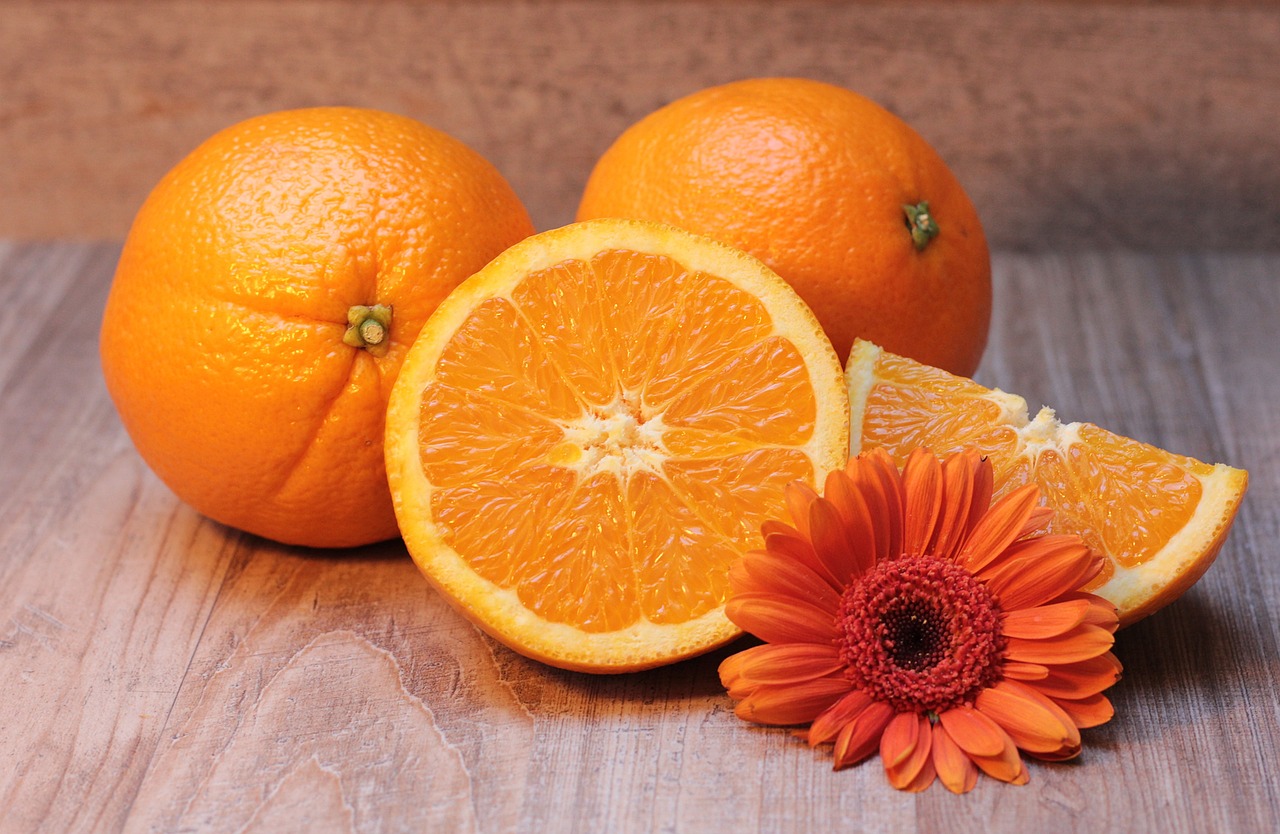
Citrus fruits (oranges, lemons, limes) aren't super toxic in very small amounts, but their peels and oils contain essential oils and citric acid that can irritate a cat's gastrointestinal system.
Why it's dangerous: Large ingestion may depress the central nervous system. Fortunately, most cats naturally avoid citrus due to the smell.
Symptoms include:
- Vomiting
- Diarrhea
- Drooling
- Depression
9. High Salt and Salty Foods

Too much salt can cause sodium ion poisoning in cats.
Symptoms include:
- Excessive thirst and urination
- Tremors
- Seizures in severe cases
Common salty snacks like chips, pretzels, and processed foods should be kept away from cats.
10. Cooked Bones

While not "toxic" in the chemical sense, cooked bones are extremely dangerous.
Why they're dangerous: They can splinter and lacerate the digestive tract or cause blockages.
Never give cooked bones to cats. Raw bones are generally safer if you choose to feed them, but always consult your vet first.
11. Dairy Products

Many adult cats are lactose intolerant because they lack the enzyme (lactase) to properly digest lactose.
What happens: Drinking milk or eating cheese can lead to diarrhea, vomiting, and upset stomach.
Contrary to popular belief, milk isn't good for cats!
12. Xylitol (Artificial Sweetener)

Xylitol is widely known to be dangerous for pets. Even though documented poisoning cases for cats are fewer than for dogs, it's still risky.
Why it's dangerous: It can cause low blood sugar (hypoglycemia) and liver issues.
Check ingredient lists on sugar-free products, gum, candy, and baked goods.
What to Do If Your Cat Eats Something Toxic

If your cat accidentally eats any of these foods:
- Don't wait for symptoms: Contact your veterinarian or poison control center immediately
- Don't induce vomiting: Unless specifically instructed by a vet
- Provide details: Tell the vet what your cat ate, how much, and when
- Keep the packaging: If available, bring it to the vet
Key Takeaways
Remember these important points:
- Cats are obligate carnivores with very specific dietary needs
- Some foods cause acute poisoning (like chocolate, grapes), while others cause chronic problems (like onions, salt)
- Even small amounts can be risky; toxicity often depends on the dose
- Some foods affect cats differently than dogs
- The safest approach is to only feed your cat food formulated for them
The best way to protect your cat is simple: keep human food out of reach and stick to cat-specific foods and treats. If you want to give your cat something special, choose treats specifically made for cats. When in doubt, always ask your vet before introducing any new food to your cat's diet.
If you suspect your cat has ingested any toxic food, contact your veterinarian or a pet poison control hotline immediately. Quick action can save your cat's life.