Potty training a kitten might sound intimidating, but the good news is that cats are naturally clean animals with strong instincts to bury their waste. With the right setup, patience, and a few expert tips, most kittens learn to use a litter box quickly and easily. This guide combines vet-approved advice with science-based behavioral insights to help you get it right from the start.
1. Start Early, But Gently

Begin litter training as soon as the kitten is weaned, around 3 to 4 weeks old if possible. At this age, kittens start exploring solid food and naturally begin to look for places to eliminate.
Key points:
- Use gentle guidance, never force. Forcing a kitten can create fear and make training harder
- Most kittens adopted at 8 to 12 weeks have already seen their mother use a litter box and will naturally copy her behavior
- If you're hand-raising an orphan, you'll need to be the "teacher" cat
2. Choose the Right Litter Box Setup

The right litter box makes all the difference in successful training.
Size matters:
- Use a low-sided box so the kitten can easily climb in and out
- The box should be at least 1.5 times the length of the kitten (nose to tail)
- You can even cut down the front of a regular box to make entry easier
How many boxes:
- Provide one box per cat, plus one extra
- For example, if you have two cats, have three litter boxes
What to avoid:
- Don't put the litter box near their food or water. Cats prefer privacy and a separate space
- Avoid covered boxes for kittens. They can trap odors and be scary for young cats
3. Pick the Right Litter

Litter choice can make or break your training success.
For very young kittens:
- Choose non-clumping, low-dust litter. Clumping litter can be dangerous if ingested
- Wood-based or paper litters are safe options for babies
What to avoid:
- Strongly scented litters. Many kittens dislike artificial fragrances and may refuse to use the box
- Very fine, dusty litters that can irritate tiny noses and lungs
Depth:
- Use about 5 cm (2 inches) of litter. This allows kittens to dig without feeling overwhelmed
4. Location Matters

Where you place the litter box is just as important as the box itself.
Best placement:
- Quiet, accessible area away from loud appliances
- Away from food and water bowls
- Not in a high-traffic area where the kitten might be disturbed
- Easy to access from the kitten's favorite sleeping and playing spots
For multi-kitten homes:
- Distribute boxes in different rooms so they're convenient for all
- This prevents "litter box guarding" where one kitten blocks another from using it
5. Establish a Routine

Consistency is key to successful litter training.
When to place them in the box:
- After meals
- After naps
- After play sessions
- When you notice them sniffing, scratching, or squatting
How to introduce the box:
- Gently place the kitten in the litter box
- You can simulate scratching in the litter with their paw to trigger natural instincts
- Let them explore and dig on their own
- Don't force them to stay; just show them where it is
Supervision:
- Watch closely during the early stages
- Accidents will happen, but you want to redirect, not punish
6. Keep the Box Clean
Kittens are very clean animals. A dirty litter box is one of the main reasons they'll refuse to use it.
Daily maintenance:
- Scoop out waste at least once or twice daily
- Very young kittens eliminate frequently, so check often
Deep cleaning:
- Do a thorough clean with pet-safe cleaner weekly
- Avoid harsh chemicals or strong-smelling cleaners
- Replace all the litter completely every 1 to 2 weeks
7. Use Positive Reinforcement
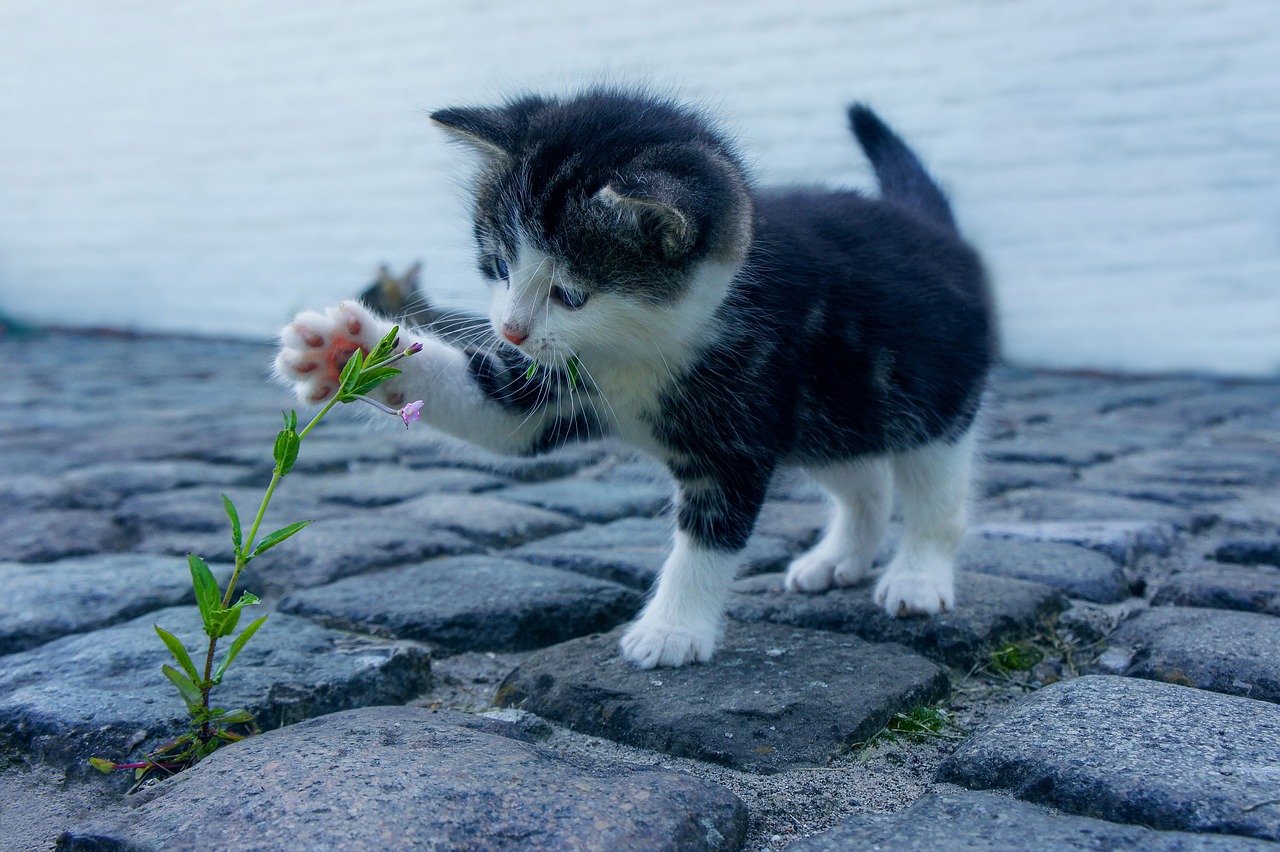
Reward good behavior, and never punish accidents.
When your kitten uses the box successfully:
- Praise them immediately with a soft, happy voice
- Give gentle petting
- Offer a tiny treat (but don't overdo it)
When accidents happen:
- Never punish, yell, or rub their nose in it. This creates fear and makes training harder
- Simply clean it up thoroughly with an enzyme cleaner to remove the scent
- Gently place them back in the litter box as a reminder
8. Be Patient and Observe
Every kitten is different. Some learn in days, others need weeks.
Watch for signals:
- Scratching at the floor
- Sniffing around
- Squatting or circling
- Meowing or acting restless after meals
If problems persist:
- Check for medical issues like urinary tract infections or parasites
- Consider if the litter, box, or location needs changing
- Consult your vet if accidents continue beyond a few weeks
9. Avoid Toilet Training (Unless Very Thoughtful)

While some people try to train cats to use a human toilet, many vets warn against it.
Why litter boxes are better:
- Burying waste is a natural, instinctual behavior for cats
- Litter boxes allow you to monitor your cat's health through their waste
- Toilet training goes against natural feline behavior
- It can be stressful for cats and lead to avoidance issues
10. Transition Carefully
As your kitten grows, you may need to upgrade their setup.
When transitioning:
- Upgrade to a larger box gradually as your kitten grows
- If changing litter type, do it slowly by mixing the new with the old
- If you move the box location, do it gradually (a few inches per day)
- Re-introduce the kitten to any new setup using the same routine
Why These Tips Work: The Science Behind Litter Training

Instinct: Cats naturally bury their waste. This behavior is hardwired from their wild ancestors who buried waste to avoid attracting predators.
Routine builds memory: By placing them in the box consistently after meals and naps, you're reinforcing a predictable habit that becomes automatic.
Positive reinforcement works: Rewarding successful behavior (rather than punishing mistakes) is scientifically proven to be more effective for learning.
Cleanliness matters: Cats have a very sensitive sense of smell. A dirty or strongly scented litter box is genuinely unpleasant for them.
Health checks matter: Sometimes litter box issues aren't training problems but health issues like UTIs or parasites. A vet check is part of responsible training.
Quick Reference: Actionable Checklist
Before bringing your kitten home:
- ✅ Buy a low-sided litter box
- ✅ Get non-clumping, low-dust litter
- ✅ Choose a quiet, accessible spot away from food
- ✅ Have cleaning supplies ready (enzyme cleaner, scoop)
During training:
- ✅ Place the kitten in the box after eating, drinking, and playing
- ✅ Clean the box daily
- ✅ Praise when they go in the right spot
- ✅ Never punish accidents
- ✅ Watch for signs they need to go
Ongoing maintenance:
- ✅ Be consistent and patient (training takes time)
- ✅ Monitor for any changes in bathroom habits
- ✅ Consult your vet if problems persist
Litter training is usually one of the easiest parts of kitten care because it works with your cat's natural instincts. Most kittens will pick it up within a few days to a couple of weeks. The key is patience, consistency, and creating a positive, stress-free environment. If your kitten isn't getting it after several weeks, or if they suddenly stop using the box after being trained, consult your vet to rule out medical issues.
Every kitten is unique and may learn at their own pace. These guidelines are based on veterinary advice and feline behavior research. Always consult your veterinarian if you have concerns about your kitten's health or training progress.